

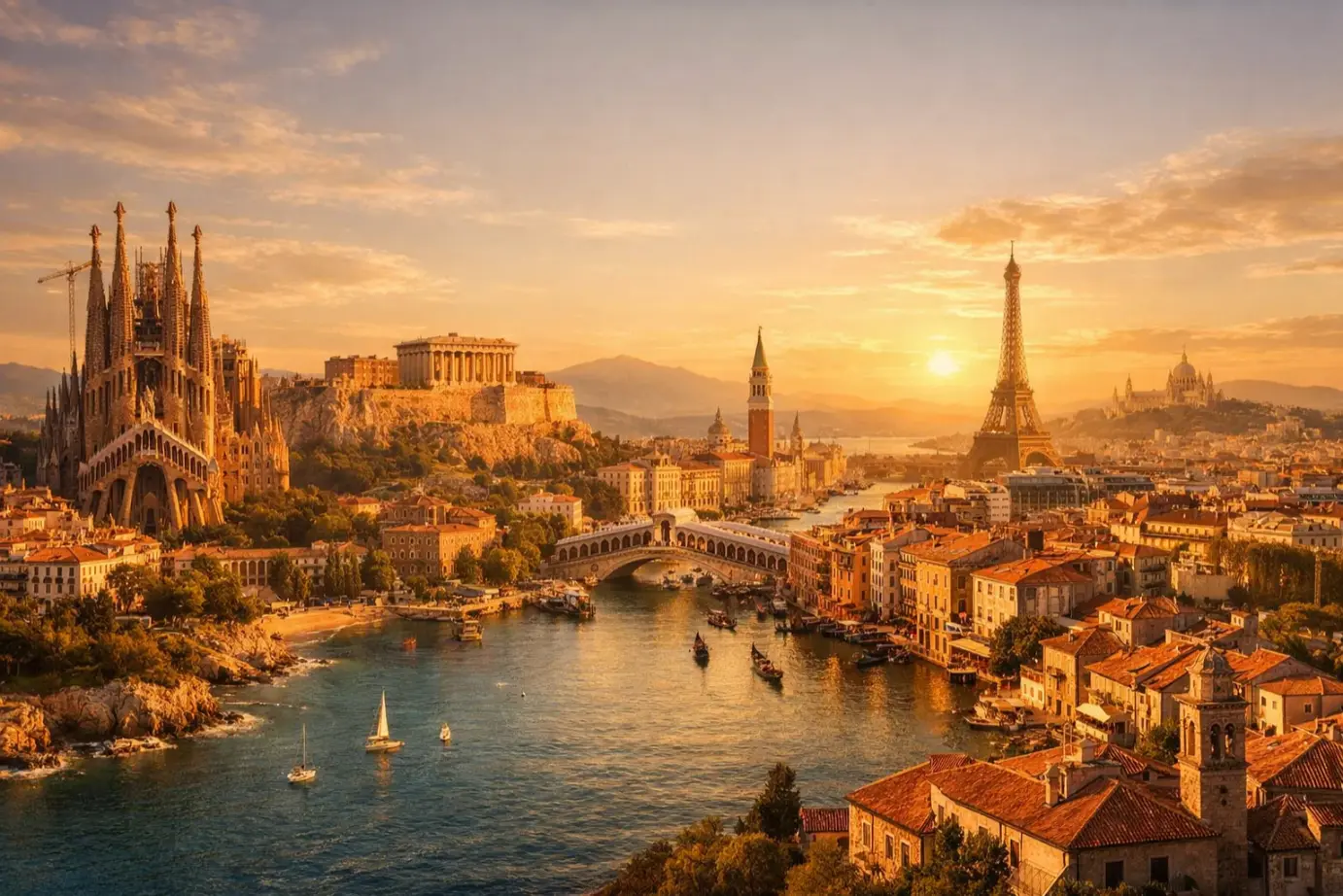
Why Summer in Europe Remains Unmatched
There is a reason travelers around the world circle summer on their calendars the moment they decide to visit Europe. From June through August, the continent undergoes a remarkable transformation. Café terraces fill with laughter, coastal promenades buzz with energy, festival stages light up under extended evenings, and the long golden hours of daylight seem to slow time itself. Whether you are chasing ancient history, pristine coastlines, world-class cuisine, or the kind of spontaneous evening that you never planned but will never forget, the best European cities for summer deliver it all.
Planning a summer trip to Europe in 2026 carries an added layer of excitement. Several cities are marking significant milestones this year, from Barcelona honoring the centenary of Antoni Gaudí’s passing to Glasgow hosting the Commonwealth Games. The continent is particularly energized, and discovering the best European cities for summer has never felt more rewarding. The destinations on this list have been selected not just for their timeless appeal but for what makes them especially compelling right now. Whether you are a first-time visitor or a seasoned traveler looking to dig deeper, these ten cities offer the very best that a European summer can give.
1. Barcelona, Spain

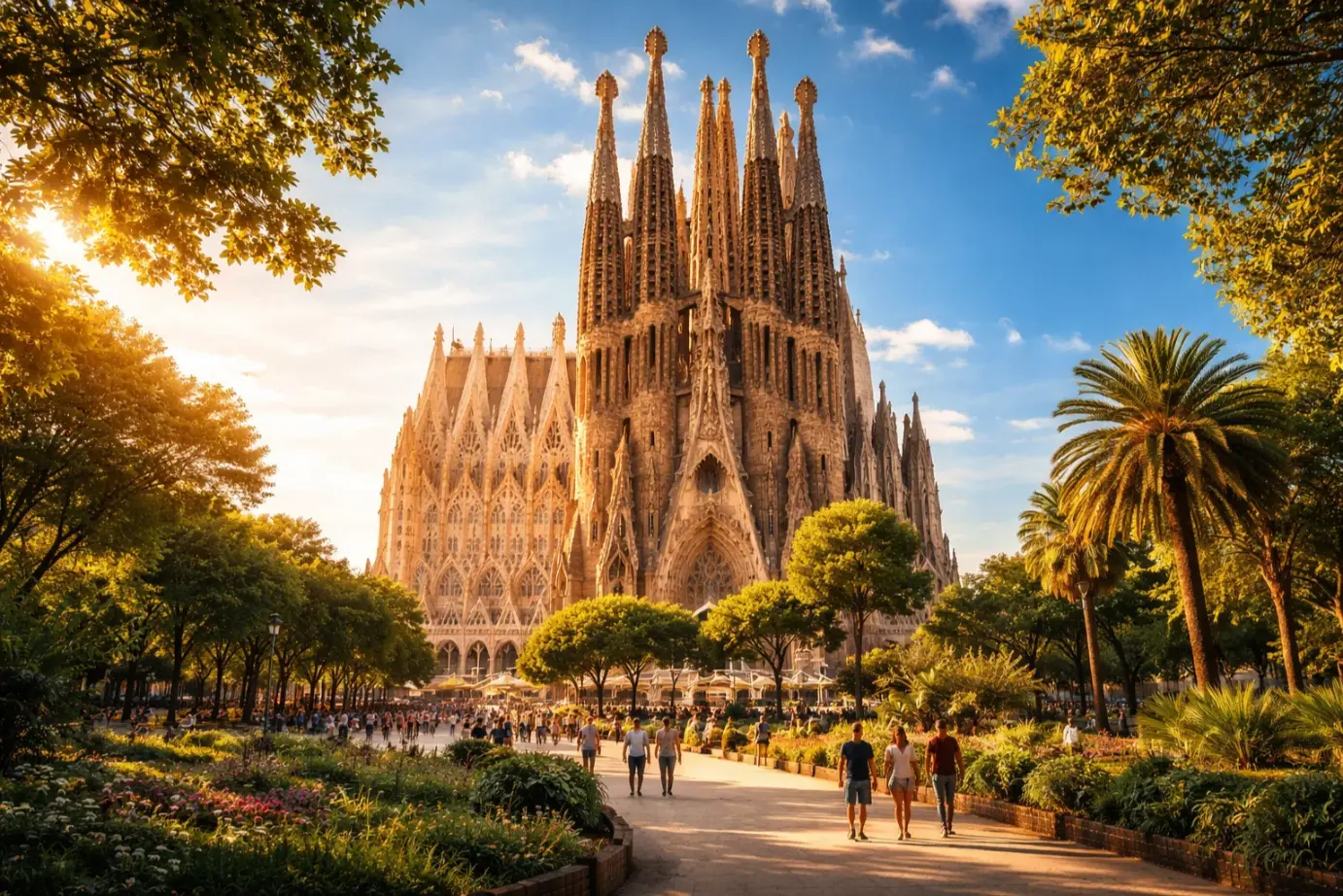
Barcelona is one of those rare cities that never needs a special occasion to justify a visit, yet 2026 gives it one anyway. This year marks the 100th anniversary of the death of Antoni Gaudí, and a host of commemorative events are expected to celebrate the original designer of the Sagrada Família, which is also continuing its long march toward completion. For summer travelers, this means an already extraordinary city is operating with extra cultural electricity.
Beyond the architecture, Barcelona delivers a complete summer experience. The city sits directly on the Mediterranean, giving visitors the rare privilege of swimming in the sea and then walking to one of Europe’s finest art museums within the same afternoon. The food scene, built around Catalan tradition, is sensational at every price point. Evenings in the Gothic Quarter or the Eixample neighborhood stretch late and casually, shaped by a culture that genuinely believes the best hours of the day begin after nine in the evening. Day trips to Montserrat, Sitges, and Girona round out an itinerary that could easily fill two weeks.
Best Time to Visit
Late June and early September offer the most comfortable balance of warmth and manageable crowds. Peak July and August bring intense heat and extremely busy streets.
2. Dubrovnik, Croatia
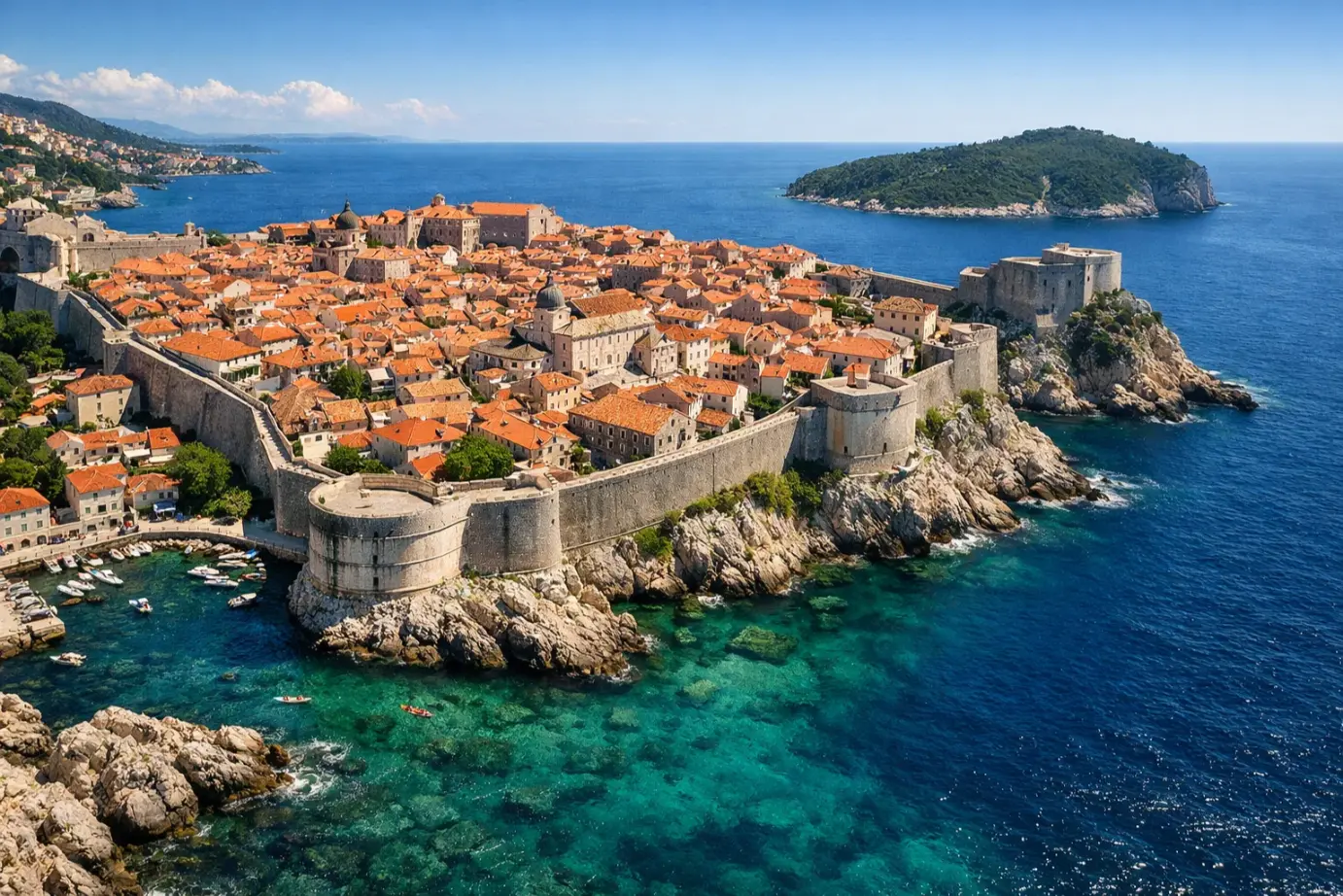
Dubrovnik’s main claim to fame is its historic city wall, considered among the grandest in the world, which surrounds marble streets and finely ornamented buildings built between the 13th and 16th centuries. The vistas over the terracotta rooftops and the Adriatic Sea are sublime, especially at dusk.
Walking through the Old Town of Dubrovnik is genuinely one of the most atmospheric experiences available to any traveler in Europe. The city carries the kind of beauty that feels slightly unreal, as though it was designed as a backdrop for a film rather than as a functioning city. And of course, it did serve as exactly that for the better part of a decade as the primary filming location for Game of Thrones.
Boat trips to the Elaphiti Islands, day excursions across the border into Montenegro, and evenings spent at clifftop bars watching the sun drop into the Adriatic make Dubrovnik a near-perfect summer destination. Visit in early June or September to avoid the most congested weeks of July and August.
3. Athens, Greece
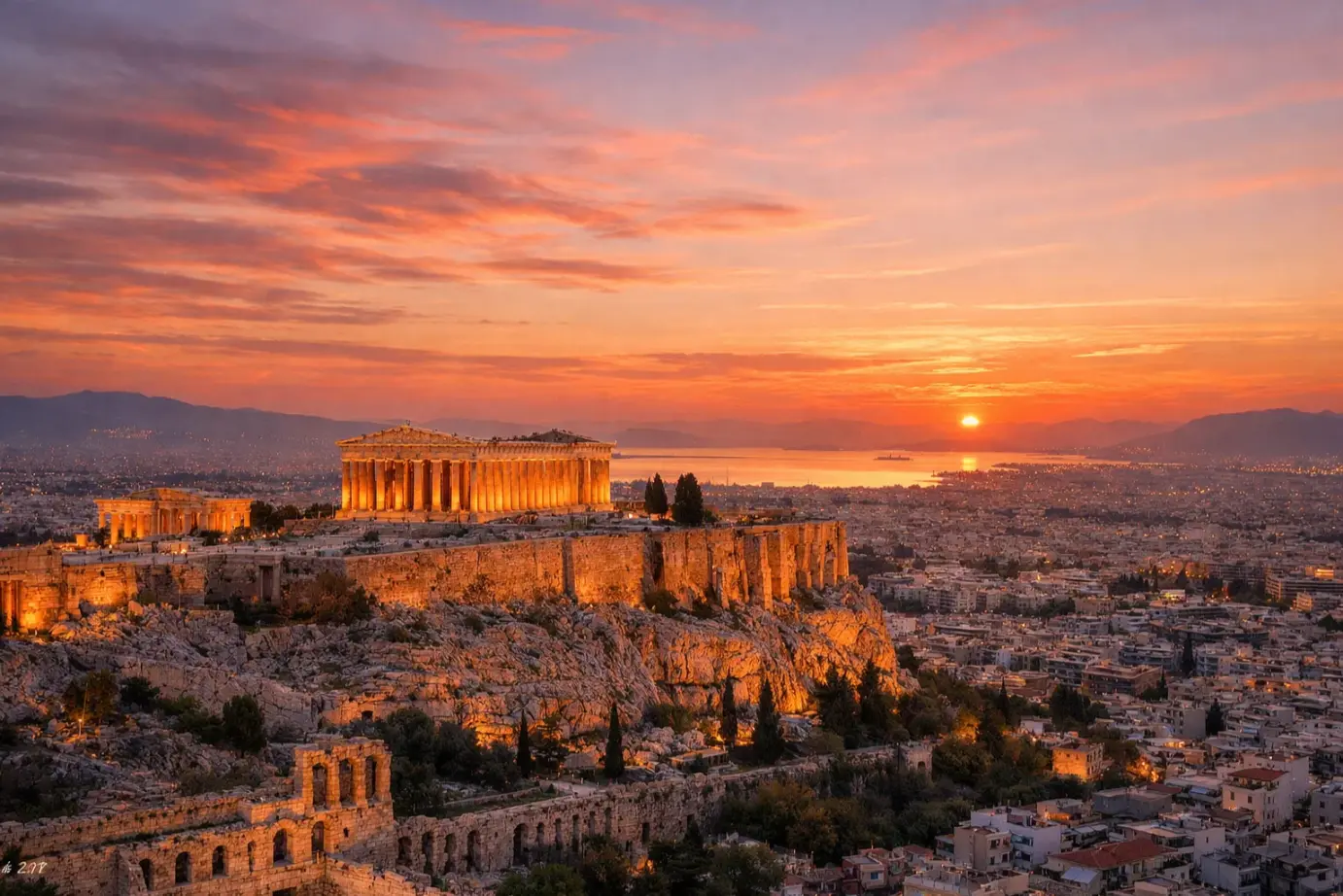
Athens has undergone a quiet but meaningful renewal over the past decade. The city has a new lease of life and there are vibrant bars and exciting new restaurants that have opened across its neighborhoods. It is also considerably more affordable than typical Greek holiday destinations.
The anchor of any Athens visit remains the Acropolis, which stands above the city as one of the most powerful pieces of ancient architecture in the world. The surrounding neighborhood of Monastiraki has become a lively hub of street food, independent coffee shops, and rooftop bars with direct sightlines to the Parthenon. In 2026, Athens is commemorating the 200th anniversary of the Exodus of Messolonghi, a significant moment in the Greek War of Independence, which will be honoured with exhibitions and events across the country. For travelers who want culture, history, beaches within easy reach, and genuine value for money, Athens makes an exceptionally strong case.
What to See Beyond the Acropolis
The National Archaeological Museum, the Plaka neighborhood, and the hilltop cape of Sounion with its Temple of Poseidon all reward the visitor who spends more than two days in the city.
4. Paris, France
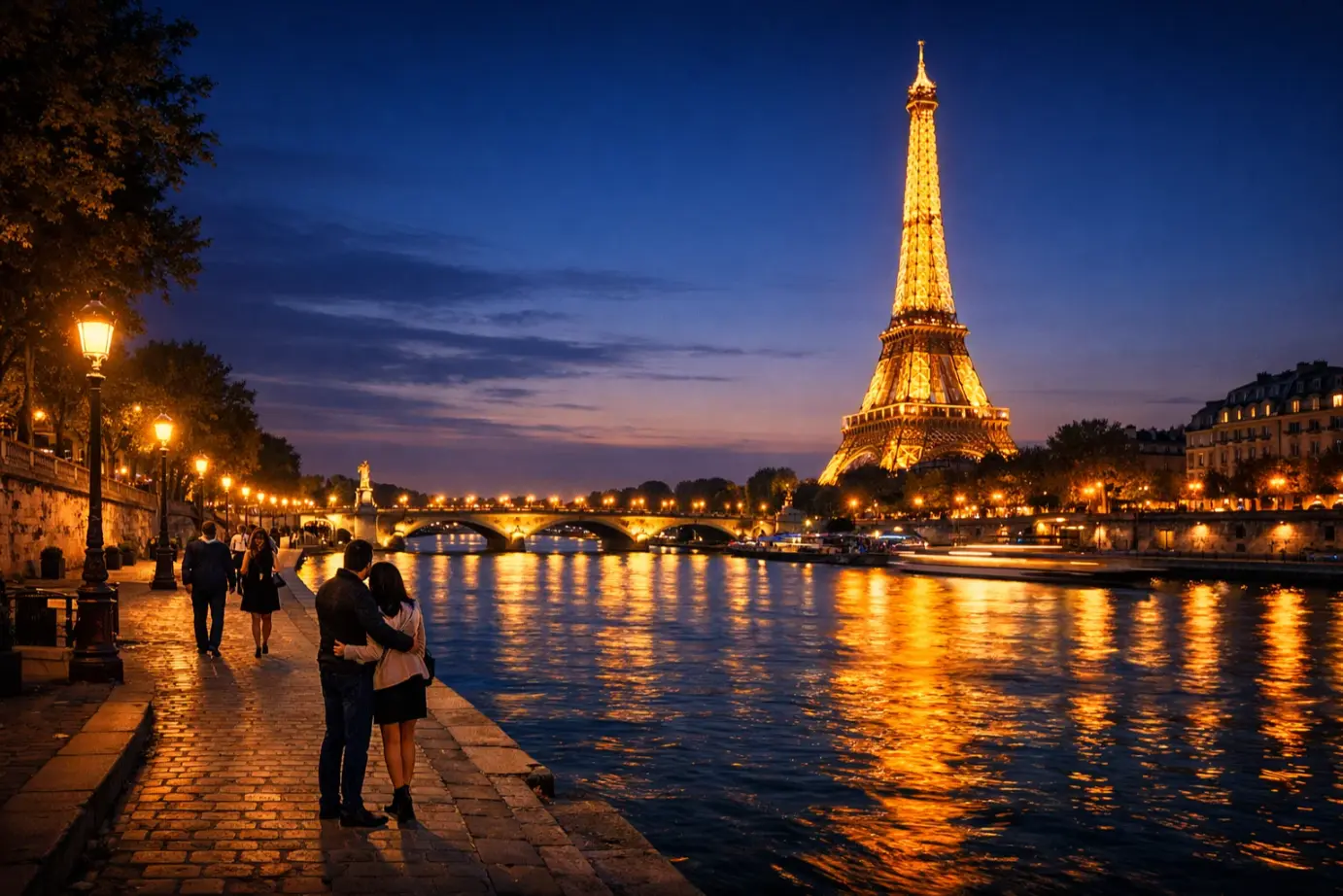
Paris is one of those cities that requires no justification and yet somehow keeps finding new reasons to welcome visitors. The French capital is celebrating the reopening of the Musée de la Vie Romantique and its Grand Palais is hosting a major Matisse collection running through mid-summer. The cultural calendar is as dense as ever. Summer in Paris brings something irreplaceable: warm evenings on café terraces, the Seine glowing at dusk, open-air cinema screenings in parks, and the Fête de la Musique in June, when the entire city becomes one continuous open-air concert.
The great museums, the markets of Île Saint-Louis, the garden walks of the Tuileries and the Palais Royal, the bakeries, the bistros: Paris in summer is an experience that never really loses its effect on the traveler who pays attention. Book accommodation well in advance, as summer remains the city’s most popular season.
5. Santorini, Greece
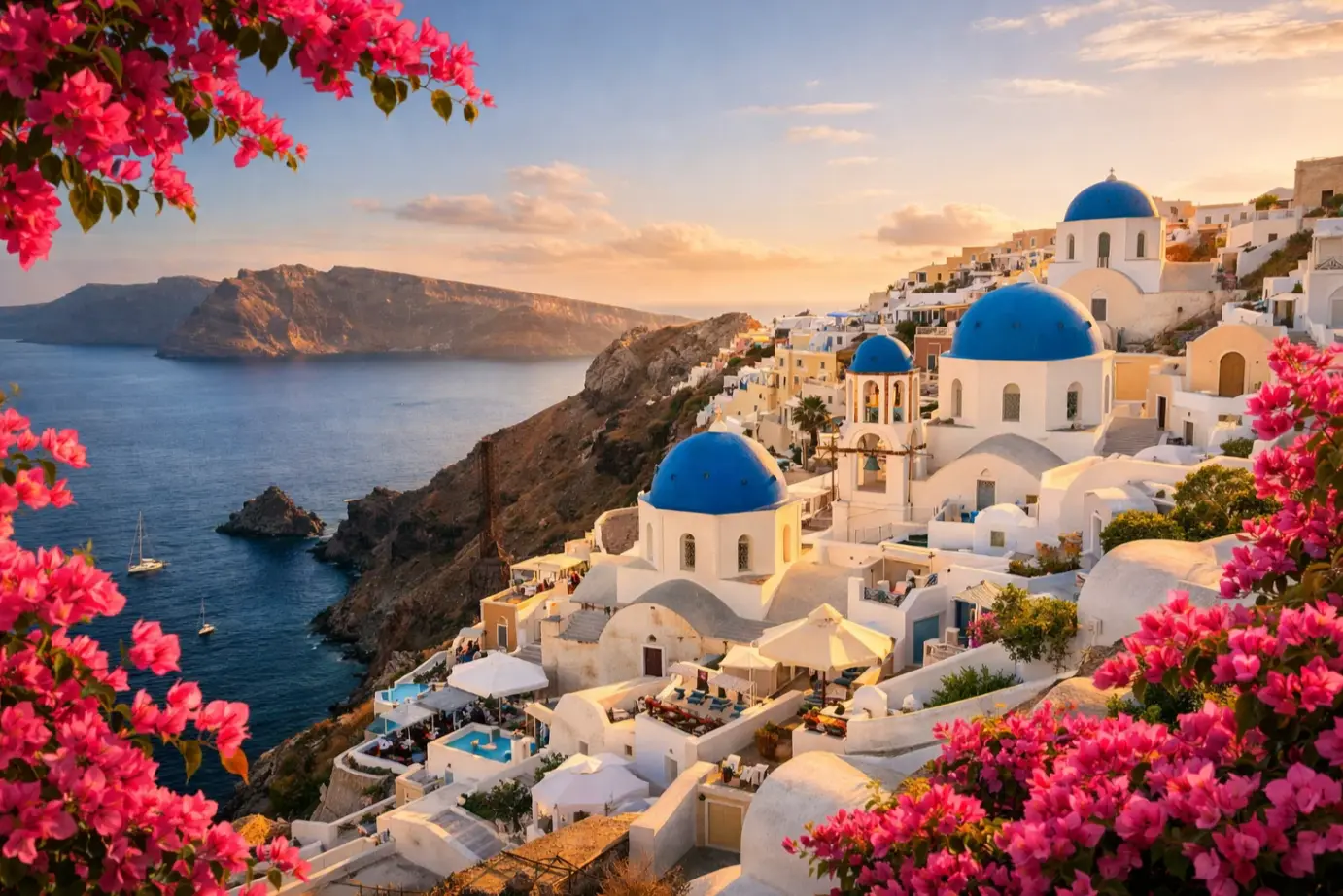
Santorini draws visitors for its unique volcanic landscape, relaxing beaches, and distinct aesthetic. The sky-high village of Oia offers stunning views of the striking blue sea and Santorini’s iconic whitewashed buildings, while Kamari Beach offers jet-black sand and local wineries produce wines grown on volcanic soil.
The island is undeniably popular, and that popularity comes with crowds during peak summer weeks. The reward for navigating those crowds is access to scenery and atmosphere that cannot be replicated anywhere else in the world. Caldera sunsets from the village of Oia belong in a category of their own. Travelers who book smartly, arriving in late May or September, get the warmth and the beauty with significantly less congestion. Santorini also serves as an excellent gateway to lesser-known Cycladic islands like Milos and Folegandros for those who want to extend their Greek summer.
6. Lisbon, Portugal
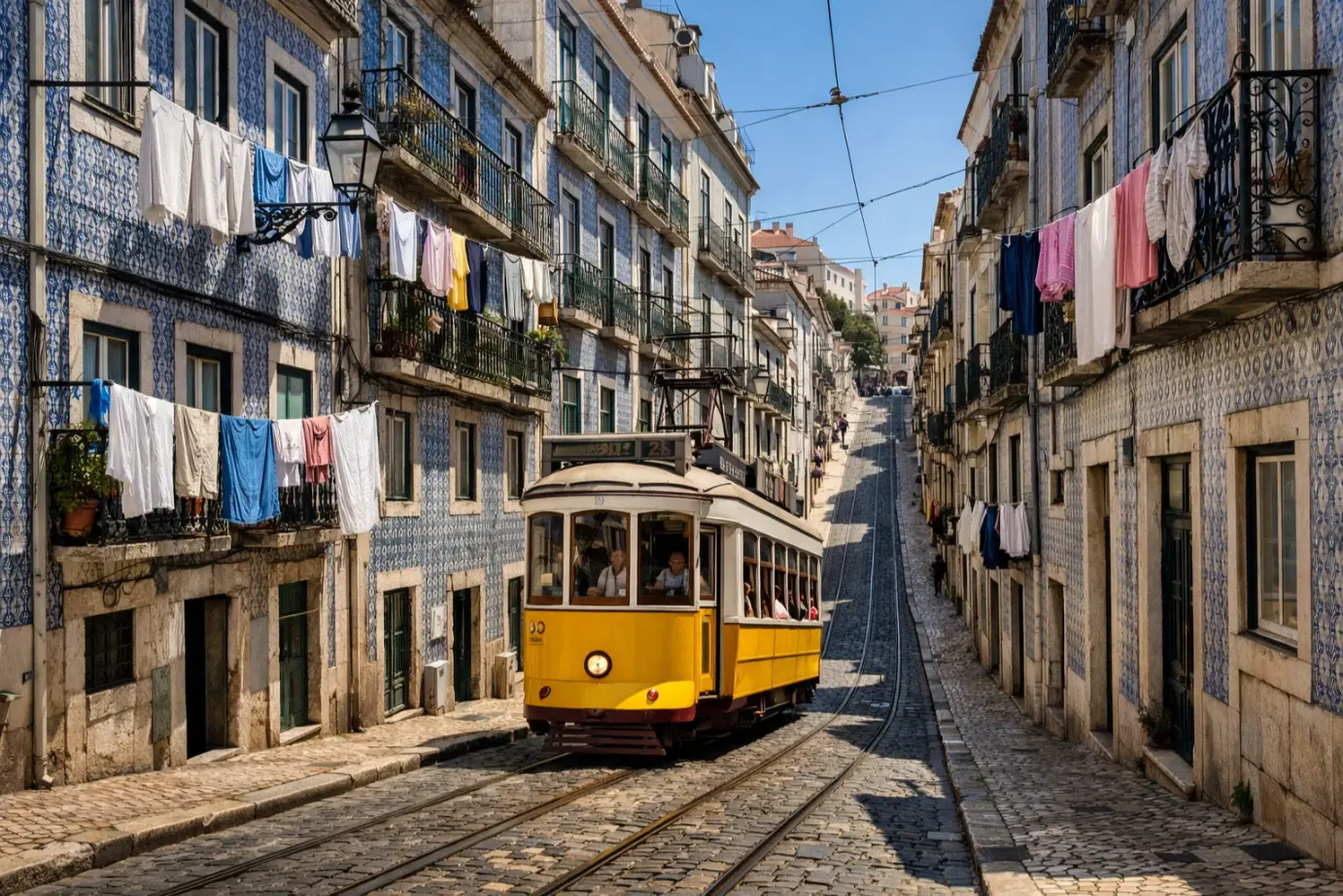
Lisbon has spent the past decade earning its reputation as one of Europe’s most livable and lovable cities, and summer brings out its most seductive qualities. The city sits at the edge of the Atlantic, offering ocean beaches within thirty minutes of the historic center. Neighborhoods like Alfama roll downhill toward the river in a tangle of tiled facades and rooftop viewpoints called miradouros, from which the city’s geography reveals itself beautifully. The national tradition of fado music, a deeply emotional style born right here in Alfama, makes evening dining in Lisbon an experience that lingers long after the meal ends.
Sintra and the Atlantic Coast
A short train ride brings travelers to Sintra, a UNESCO-listed town surrounded by forested hills and extraordinary palaces. Further along the coast, the beaches of Cascais and Estoril provide Atlantic surf and lively summer evenings. Lisbon, with its mix of old-world character and modern energy, consistently earns its place among the most beloved summer destinations in Europe.
7. Amalfi Coast, Italy
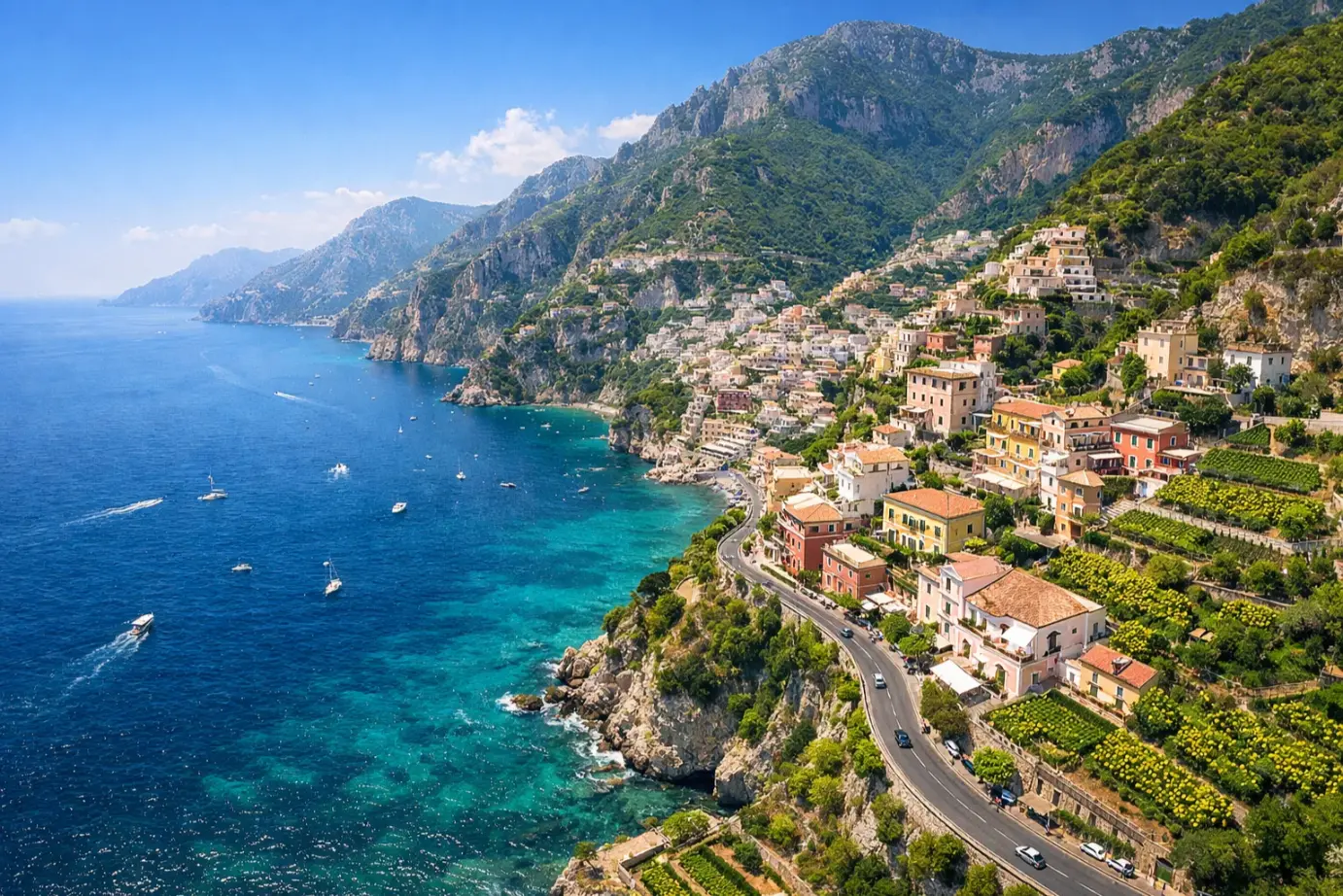
The Amalfi Coast in Italy is a prized destination for those who want to enjoy cliffside villages, pristine beaches, and fresh local food. It sits south of Naples and is best approached with a higher budget, as the area is both celebrated and expensive. Towns like Positano, Ravello, and Amalfi itself cling to vertiginous cliffs above the Tyrrhenian Sea, connected by narrow roads and small ferries that make travel between them part of the adventure.
The food here, built around local seafood, fresh lemons, buffalo mozzarella, and wood-fired pizza in nearby Naples, is exceptional. The islands of Capri and Ischia are easily reached by ferry and add a further dimension to an Amalfi itinerary. Go in June or early September to escape the worst of the midsummer traffic on those famous cliff roads.
8. Amsterdam, The Netherlands
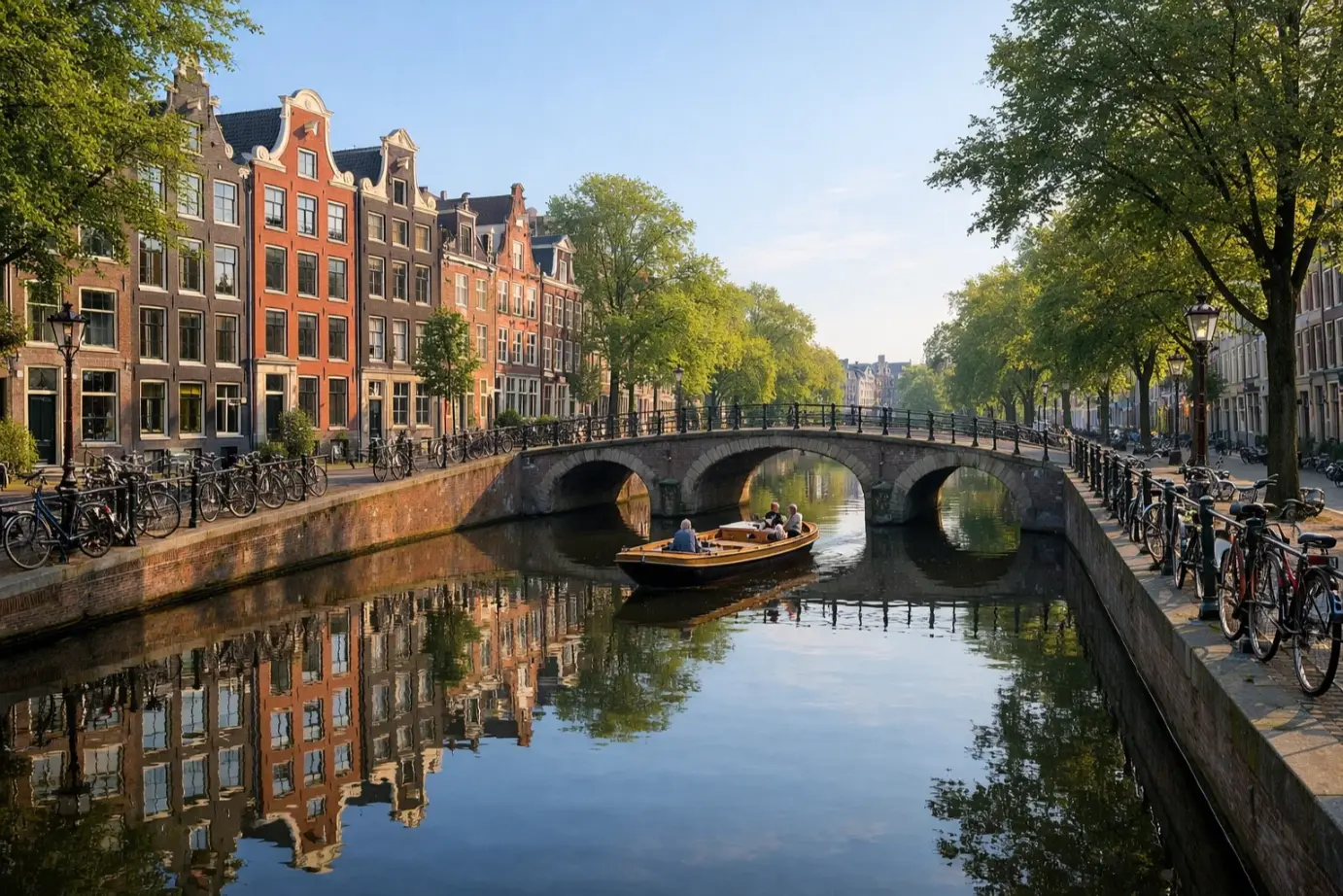
Amsterdam in summer is a city in full bloom, and the description is almost literal. Canal-side trees throw shade over houseboats, terraces overflow into cobblestone squares, and the city’s famous cycling culture makes exploring on two wheels both practical and genuinely enjoyable. Residents of Amsterdam have a deep relationship with the water, and a canal boat ride quickly reveals why. Thousands of houseboats line the channels.
The museum quarter holds the Rijksmuseum, the Van Gogh Museum, and the Stedelijk, making Amsterdam one of the densest collections of world-class art available within a single walkable district. Beyond the museums, the city rewards the traveler who wanders: the Jordaan neighborhood’s independent shops and brown cafés, the markets of the Albert Cuyp, the quieter canals of the east, all offer a city that is far larger and more layered than the postcard version suggests.
Day Trips from Amsterdam
Utrecht, Delft, and the windmills of Kinderdijk are all within easy reach by train and offer a compelling contrast to the capital’s urban energy.
9. Glasgow, Scotland
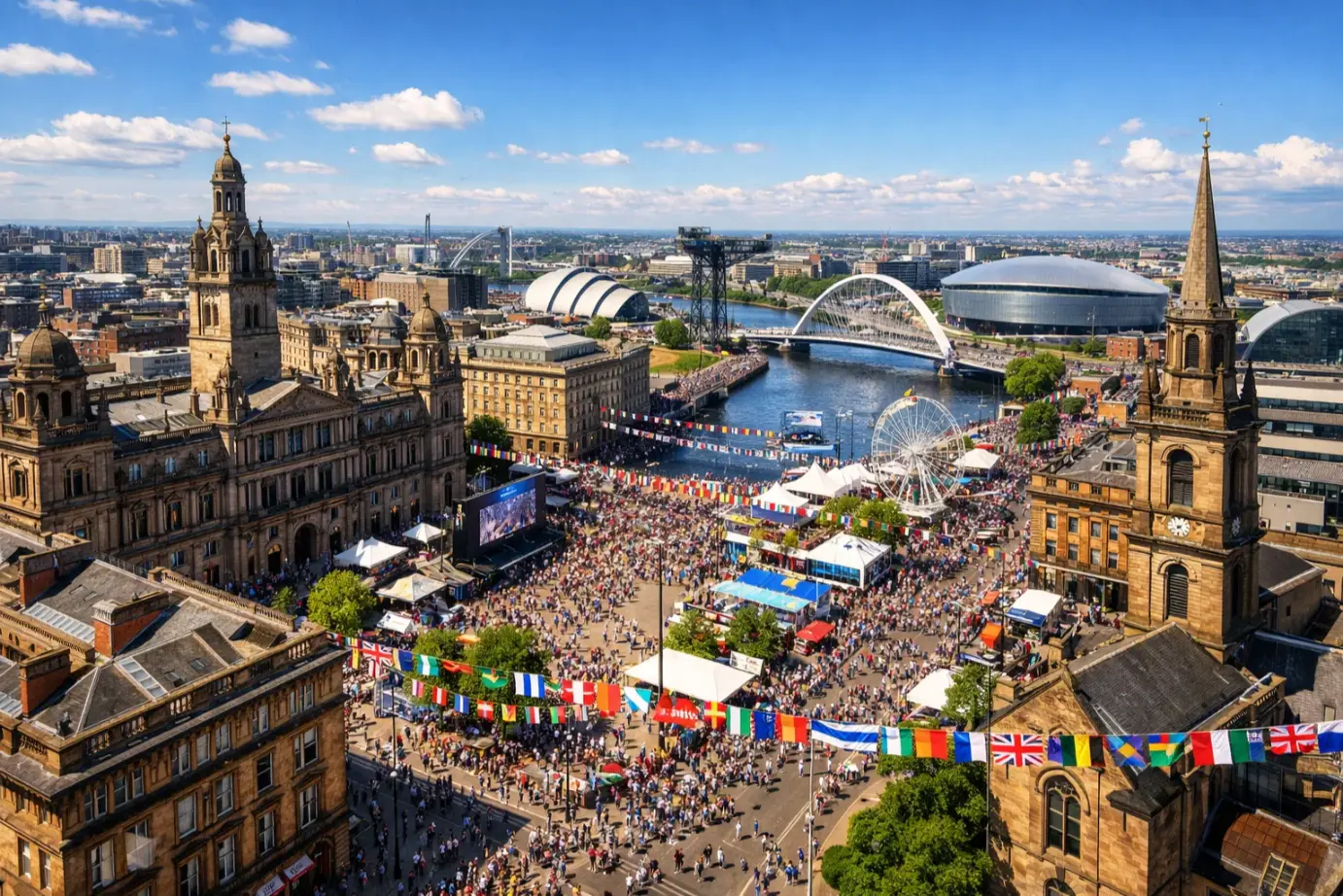
The Commonwealth Games arrive in Glasgow in the summer of 2026, with around 3,000 athletes from 74 nations competing across 215 events in 10 sports, with the opening ceremony on July 23 and festivities concluding on August 2. Even for travelers with no interest in sport, the energy that surrounds a major international games transforms a city, and Glasgow is already one of the most underrated destinations in Northern Europe.
The city has a music scene that punches well above its weight, a collection of free museums that rivals much larger capitals, and a restaurant culture that has quietly become one of Scotland’s best-kept secrets. The Victorian architecture of the city center and the distinctive art nouveau buildings designed by Charles Rennie Mackintosh give Glasgow a visual identity entirely its own. Visiting during the Commonwealth Games requires advance booking, but the reward is seeing a proud, creative city at its most celebratory.
10. Valencia, Spain
Valencia is where Barcelona’s energy meets a slower, more relaxed pace of Mediterranean living. Valencia is rising as a star for sustainable tourism and culture, offering stunning beaches, historic streets, paella, and modern art, with fewer crowds than Barcelona or Madrid, making it ideal for a relaxed city break.
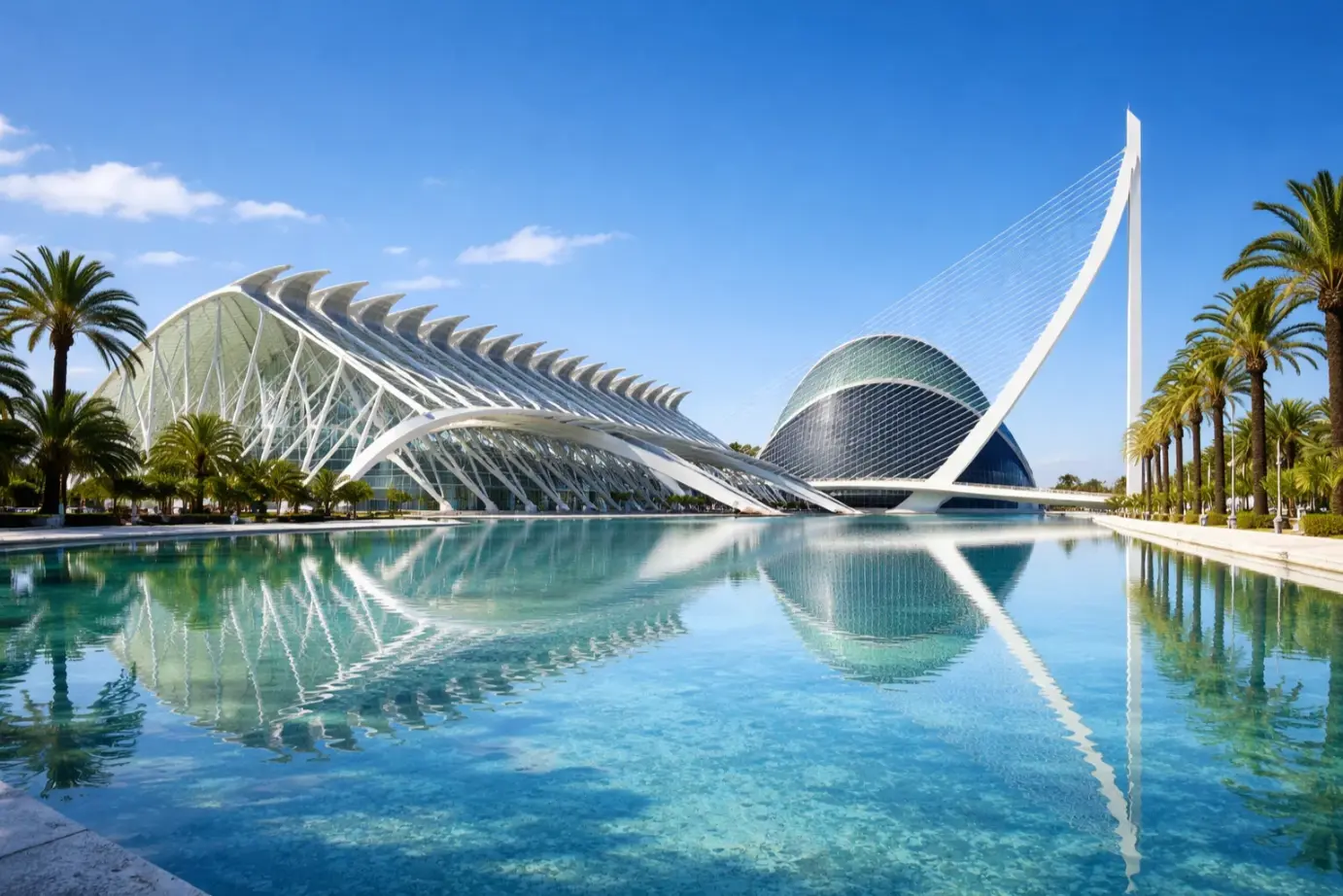
The birthplace of paella is exactly where you should eat it: at long outdoor tables near the sea, cooked in the traditional way with local rice and fresh seafood. The City of Arts and Sciences, a futuristic architectural complex designed by Santiago Calatrava, offers a full day of exploration across its aquarium, planetarium, and science museum. The old city, with its Central Market and the Barrio del Carmen neighborhood, provides the texture of a city that has been lived in and loved for centuries.
Valencia’s beaches are wide, clean, and significantly less crowded than those of Barcelona, making the city an increasingly appealing choice for travelers who want the full Mediterranean summer experience without fighting for a patch of sand.
How to Choose the Right European City for Your Summer
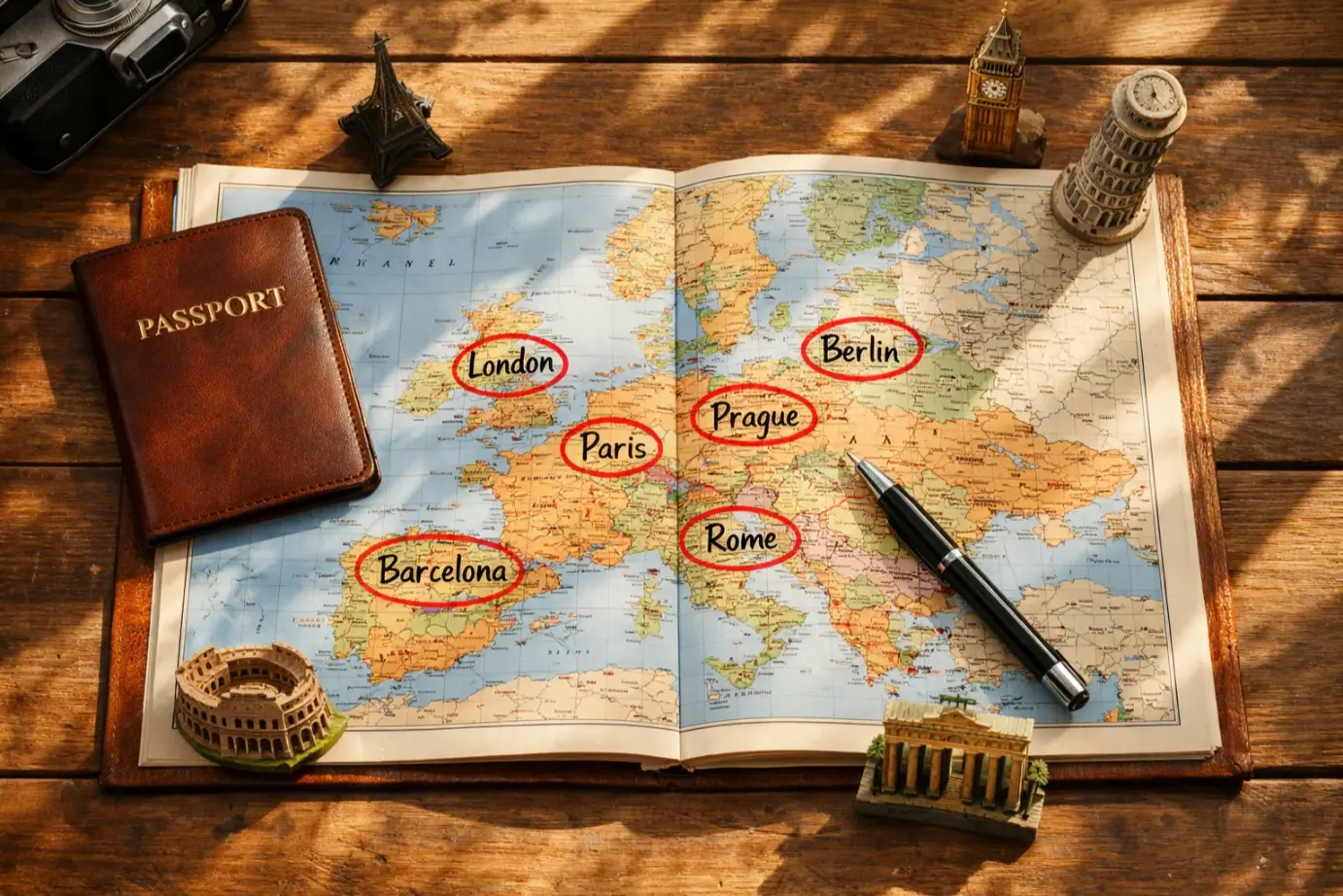
Every traveler brings different priorities to a trip. Someone chasing ancient history and sunshine on a modest budget will find Athens and Lisbon far more rewarding than Santorini or the Amalfi Coast. Families looking for ease of navigation and diverse attractions will thrive in Amsterdam or Paris. Travelers drawn to raw coastal beauty and dramatic scenery should orient themselves toward Dubrovnik, the Amalfi Coast, or Santorini. Sports enthusiasts and culture hunters will find Glasgow in 2026 an especially compelling choice.
The strongest European summer trips tend to combine at least two cities, taking advantage of the continent’s exceptional rail network to move between them efficiently. Pairing Barcelona with Valencia makes for an effortless Spanish journey. Athens followed by a few days on a Greek island creates a classic itinerary that never disappoints. Amsterdam to Paris by high-speed train takes under three hours and links two of Europe’s most rewarding capitals.
A Well-Planned European Summer

Europe does not reward passive visitors. The cities on this list are layered, complex, and endlessly rewarding to the traveler who does some research before arriving, moves with some intentionality once there, and leaves room in the itinerary for the unexpected turns that make travel memorable. Book accommodation early for summer 2026, especially in Glasgow and Barcelona, where demand is elevated. Consider visiting in late May, early June, or September when the climate is still generous but the major tourist crowds have not yet arrived or have already departed.
Most importantly, choose destinations that align with what you genuinely want from a trip rather than what appears most frequently on social media. Every city on this list has its own character, its own pace, and its own way of making a visitor feel that they arrived somewhere worth knowing. That, ultimately, is what a great European summer is about.
FAQs
1. What is the best month to visit Europe in summer to avoid crowds?
June and September are widely considered the best months for summer travel in Europe. The weather is warm, daylight hours are long, and the peak-season crowds that descend in July and August have either not yet arrived or have already dispersed. Prices for accommodation and flights also tend to be more reasonable during these shoulder weeks.
2. Which European city is best for a summer trip on a budget?
Athens and Lisbon consistently offer the most value for budget-conscious summer travelers. Both cities have affordable accommodation, inexpensive local food, and low-cost or free access to many of their major attractions. Bucharest in Romania is also rapidly gaining recognition as one of Europe’s most affordable and culturally rewarding emerging destinations.
3. Is it safe to travel to Europe in summer 2026?
Yes, travel to Europe in summer 2026 is generally very safe. Most of the cities on this list rank among the safest urban destinations in the world. As with any major tourist destination, travelers should exercise standard precautions in crowded areas, keep valuables secure, and stay aware of local travel advisories issued by their home country’s government.
4. How many European cities can I realistically visit in a two-week summer trip?
A well-planned two-week itinerary can comfortably cover three to four cities, allowing enough time in each location to move beyond surface-level sightseeing. Trying to visit five or more cities in a fortnight often leads to exhaustion and a sense that you have seen each place without truly experiencing any of them. Quality over quantity makes for a far more satisfying journey.
5. Do I need to book summer travel to Europe far in advance?
Yes, particularly for popular summer destinations. Accommodation in cities like Dubrovnik, Santorini, and the Amalfi Coast sells out months ahead during peak season. For 2026, Glasgow is especially important to book early due to the Commonwealth Games in late July and early August. As a general rule, booking flights and hotels three to six months ahead secures both better availability and better pricing.
You may also like this post: The Perfect Switzerland Road Trip Itinerary that Nobody Tells