


The world of travel has shifted. Prices have climbed in many of the places that once defined the backpacker trail, yet an entirely new generation of extraordinary destinations has stepped forward to fill that space. In 2026, the traveler who plans thoughtfully has access to more remarkable places, at more varied price points, than at any time in recent memory.
Whether you are working with $20 a day or $80 a day, whether you are a solo first-time traveler or a seasoned explorer looking for fresh ground, there is a destination on this planet that will reward your effort and respect your budget. Affordability in 2026 is not driven by exchange rates alone. It is the stacking effect of low accommodation costs, inexpensive public transport, modest attraction fees, and thriving street food cultures that makes certain countries exceptionally valuable.
This guide covers 15 of the best countries to visit for every budget in 2026, organized from the most affordable to those offering outstanding value at a slightly higher spend. Each destination has been selected not just for cheapness, but for the quality and depth of the travel experience it provides.
The 15 Best Countries to Visit for Every Budget in 2026
1. Nepal

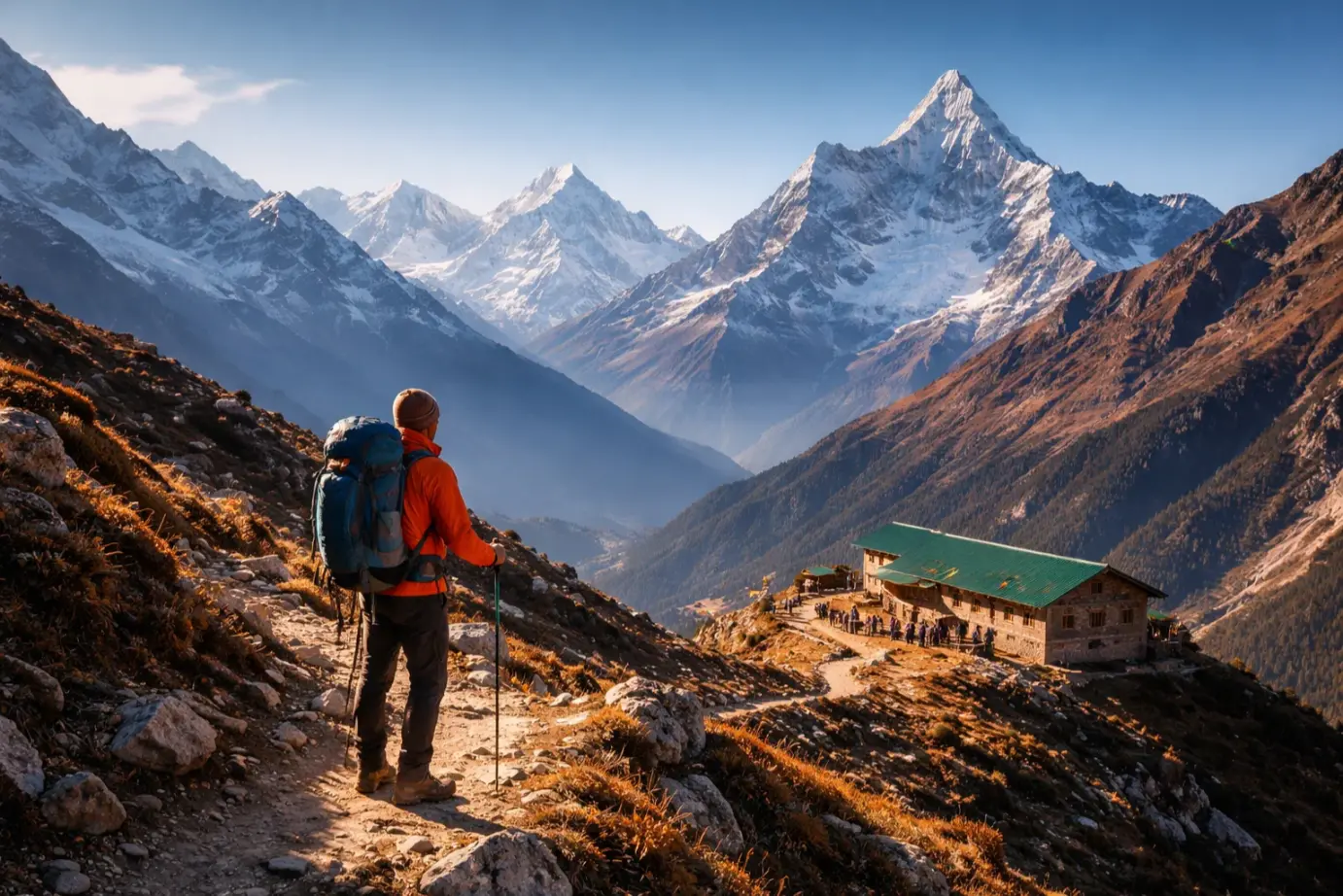
Nepal belongs at the top of any honest budget travel conversation. It is one of the few places on earth where profound natural grandeur and rich cultural heritage are accessible for almost nothing. Daily spending in Nepal can fall as low as $15 to $20, covering guesthouses, local meals, and transport, making it one of the most affordable destinations in the world.
The trekking infrastructure is remarkable. Along routes like the Annapurna Circuit and the path to Everest Base Camp, simple tea houses provide a warm bed and a hot meal for just a few dollars. In Kathmandu and Pokhara, ancient temples, lakeside cafes, and a lively traveler scene coexist in a city that still manages to feel genuinely unhurried. For 2026, Nepal’s government has continued to invest in trail maintenance and permits, keeping the experience excellent while the cost remains exceptionally low.
2. Laos
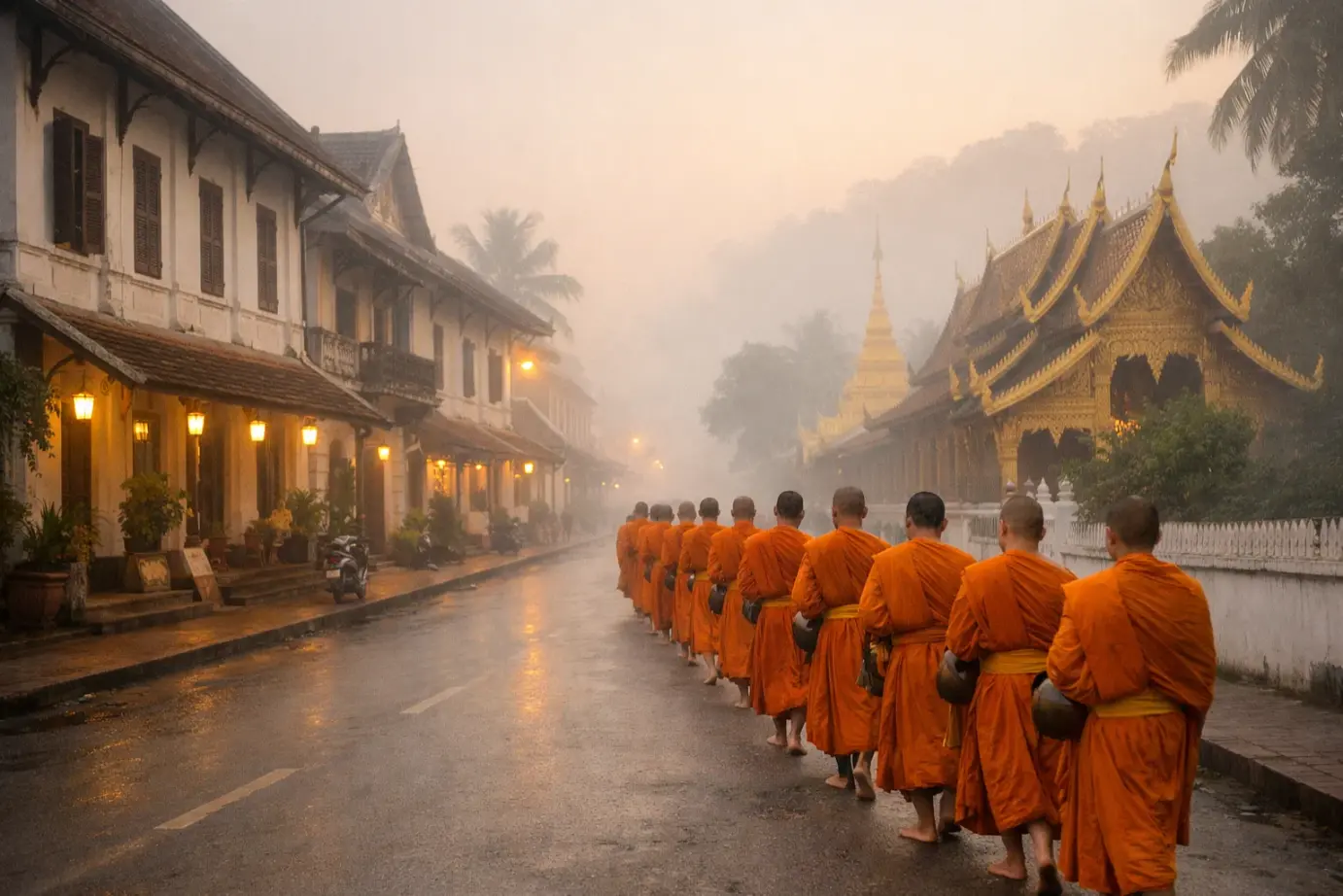
Laos is the destination that consistently surprises those who give it the attention it deserves. In Vang Vieng, guesthouses cost around seven dollars per night and meals are available for under two dollars, making it among the most affordable stays in Southeast Asia. The country moves at its own pace, and that unhurried rhythm is precisely the point.
Luang Prabang, a UNESCO-listed city of gilded temples and French colonial architecture, offers one of the most atmospheric morning experiences in the region with the daily alms-giving ceremony. Beyond the cities, kayaking through jungle rivers and exploring vast cave systems cost almost nothing. For the traveler who wants to slow down and absorb rather than rush and check off, Laos is a deeply rewarding choice.
3. Cambodia
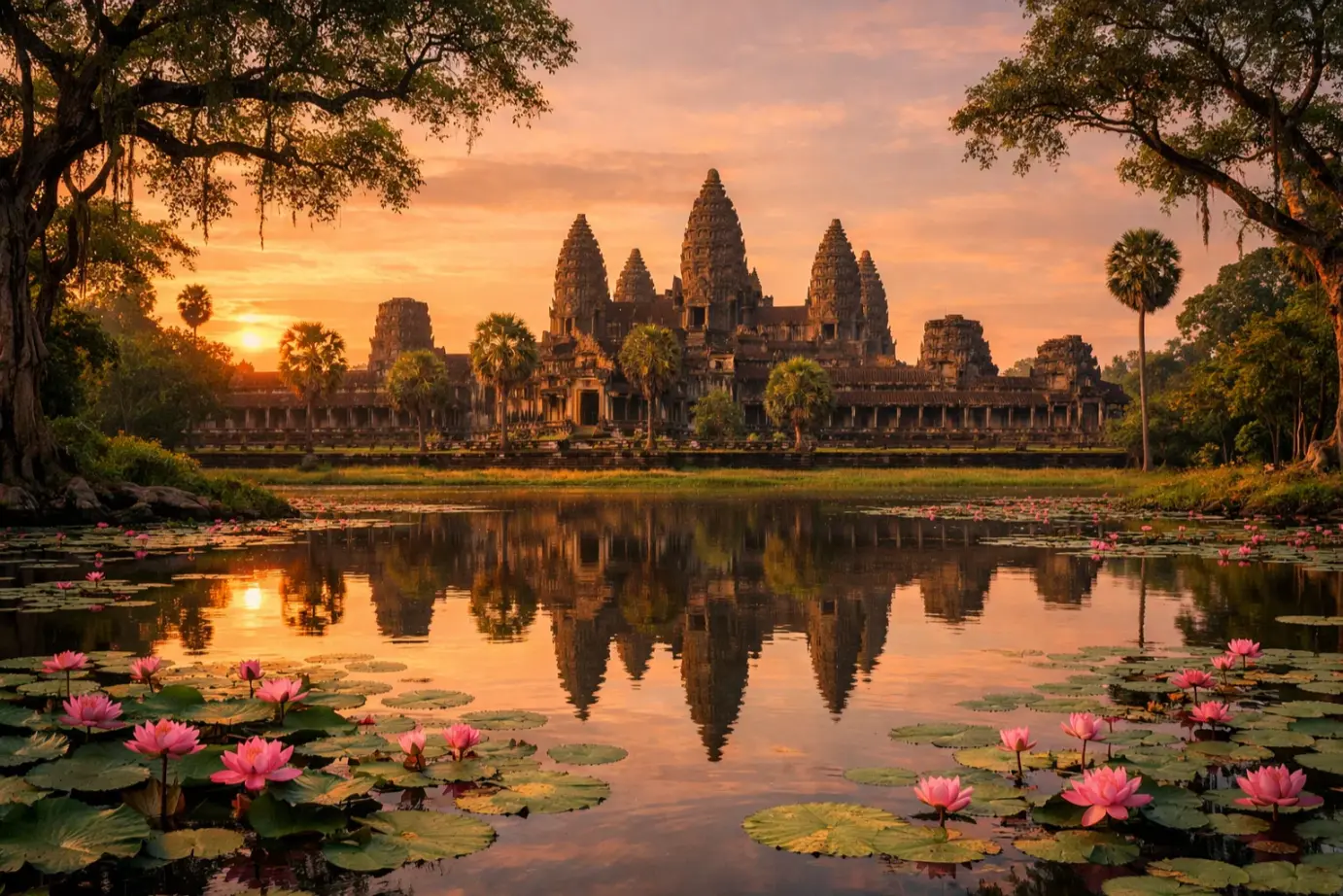
Cambodia operates on a scale of affordability that still astonishes first-time visitors. It is one of the most affordable countries to visit, and every return trip tends to reveal something entirely new. The Angkor temple complex near Siem Reap is one of the genuine wonders of the ancient world, and while the entry fee represents the most significant single expense in the country, it is a cost that virtually every traveler agrees is justified.
Phnom Penh, the capital, carries a complex and moving history that deserves careful attention, and the southern coast offers islands that have not yet been overrun by mass tourism. The US dollar is widely accepted, accommodation in guesthouses routinely runs under ten dollars, and a full sit-down meal at a local restaurant rarely exceeds two dollars.
4. India
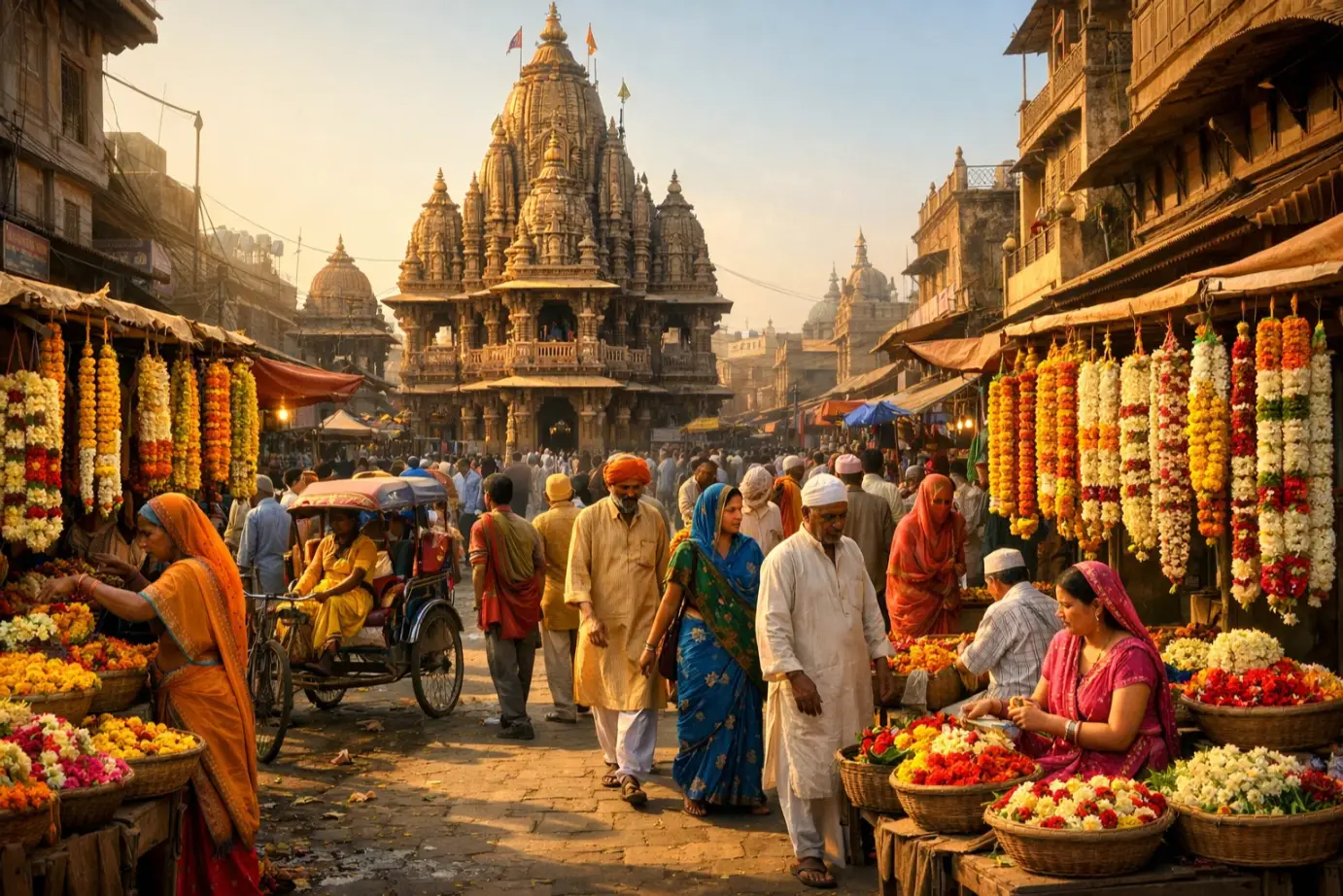
India defies any single description, and that is exactly what makes it so compelling. India remains the absolute benchmark for the budget-conscious traveler in 2026, with the ability to spend a morning in a high-tech urban café and an afternoon exploring a five-hundred-year-old temple, all while being remarkably kind to your wallet.
The railway network is one of the most extensive and affordable in the world, connecting cities, hill stations, and coastal towns at prices that make regional travel almost free by Western standards. Regional food varies so dramatically from state to state that eating across India is itself a journey. Daily budgets of $20 to $30 are generous in most parts of the country, and even this modest sum can cover comfortable, character-filled accommodation.
5. Vietnam

Vietnam has earned its reputation as one of the finest value destinations in the world, and it continues to deliver in 2026. Vietnam leads in the infrastructure-versus-price category, allowing travelers to move through the entire country comfortably on a modest budget while eating world-class food every single day.
From the atmospheric streets of the Old Quarter in Hanoi to the extraordinary landscapes of Ha Giang in the north, from the lantern-lit charm of Hoi An to the bustling energy of Ho Chi Minh City in the south, the country offers an astonishing range of experiences within a relatively short travel distance. Street food anchors the budget here. A bowl of pho costs well under a dollar in most towns, and eating three generous meals a day rarely requires more than five dollars.
6. Indonesia
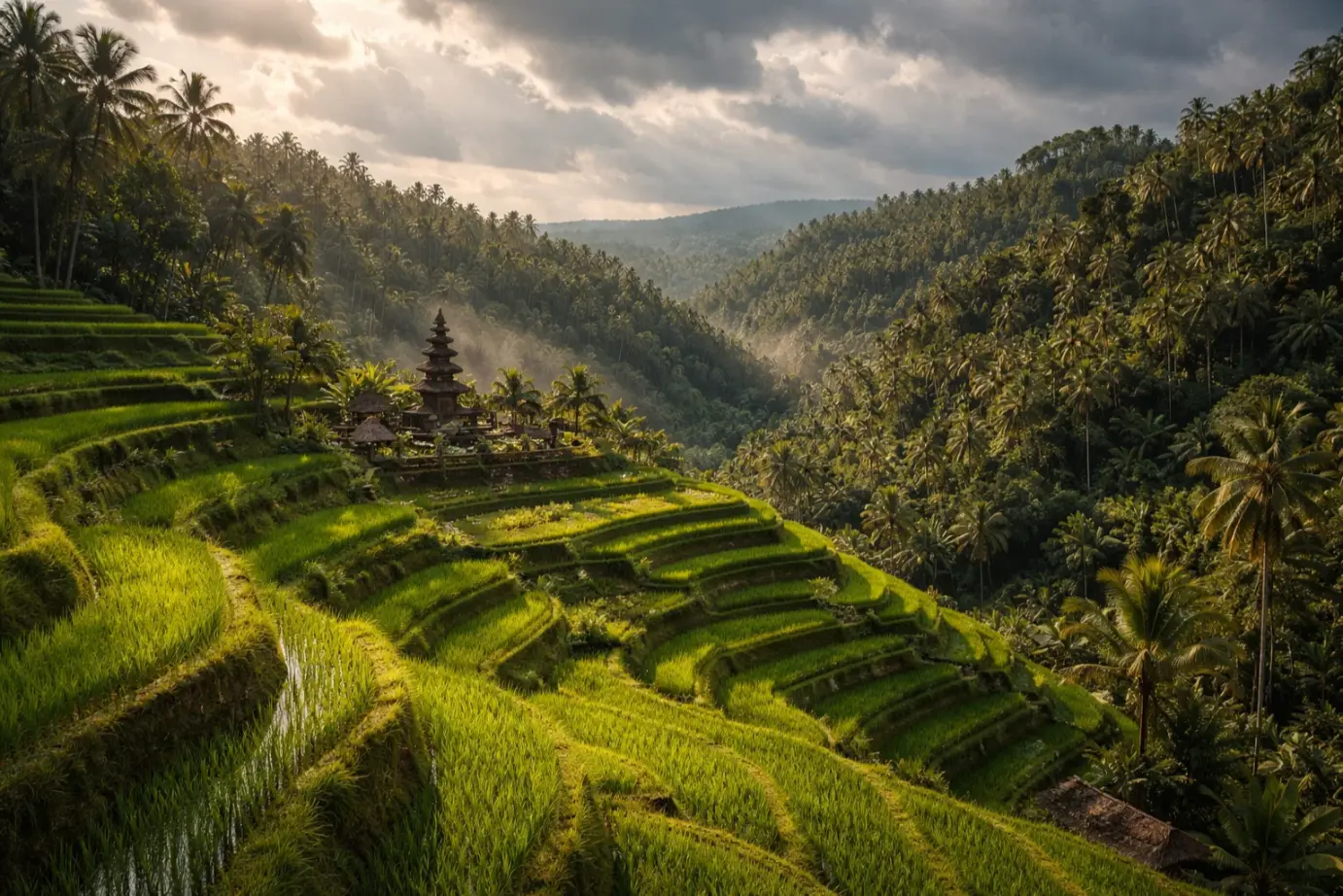
Indonesia is not a single destination. It is an archipelago of thousands of islands, each carrying its own character, and while Bali has become increasingly oriented toward luxury tourism, the rest of the country remains genuinely affordable and far less crowded.
Beyond Bali’s tourist circuit, islands like Java, Lombok, and Flores offer the classic budget travel experience at a significantly lower price point, with empty beaches and jungle treks available for a fraction of what the same experience now costs in Uluwatu. Yogyakarta, on the island of Java, is one of Southeast Asia’s most affordable cities and serves as the gateway to the magnificent Borobudur temple complex. Daily budgets in most of Indonesia outside Bali comfortably fall between $20 and $35.
7. Sri Lanka
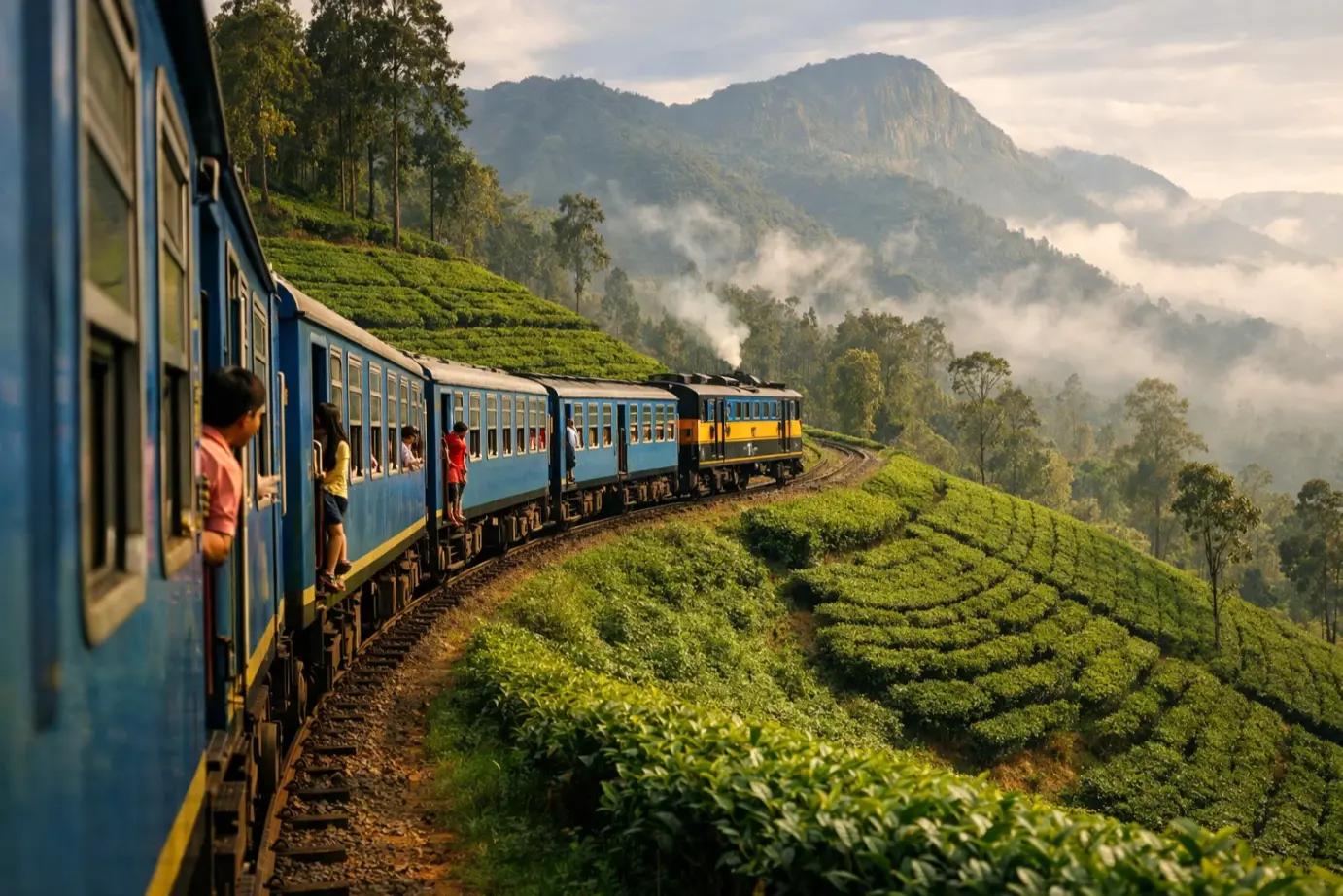
Sri Lanka is a destination that has been welcoming travelers back with genuine enthusiasm, and the value on offer in 2026 is outstanding. The famous train ride from Kandy to Ella passes through the heart of the island’s tea country and is considered one of the most scenic rail journeys in the world. Within a single day, it is entirely possible to hike toward a mountain sunrise, encounter elephants on an afternoon safari, and reach the southern coast in time for sunset.
Surf camps along the south and west coasts have grown in quality while maintaining accessible pricing. A surf lesson or tea plantation tour costs between eight and twelve dollars, and accommodation options range from budget guesthouses to comfortable mid-range stays without jumping dramatically in price.
8. Malaysia
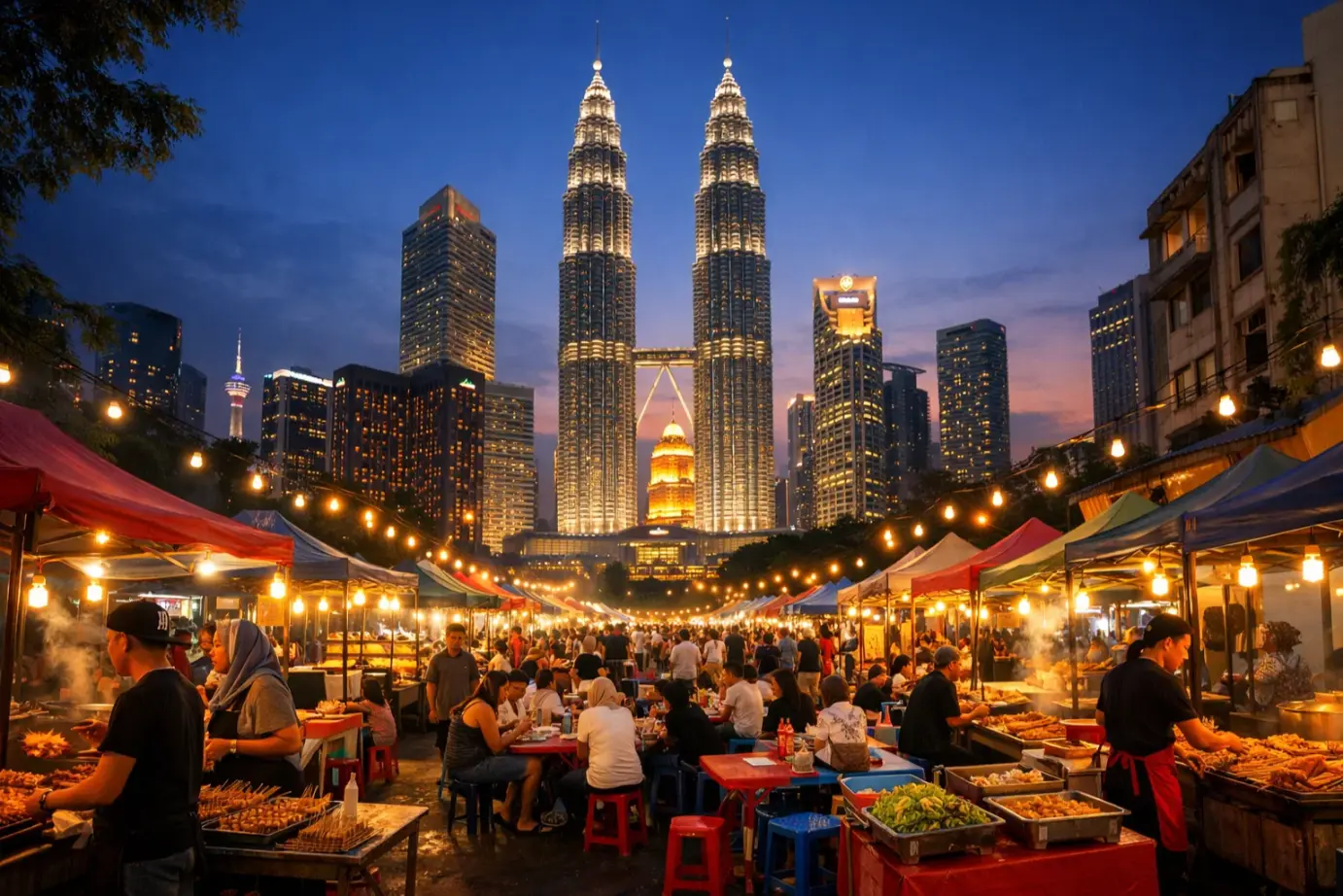
Malaysia is one of Southeast Asia’s most underappreciated destinations for the value-focused traveler, combining modern urban infrastructure with extraordinary natural diversity at very reasonable prices. In Kuala Lumpur, it is possible to see the Petronas Towers, explore food-lined streets like Jalan Alor, and reach the Batu Caves all in a single day without significant expense.
Penang, the country’s culinary capital, is widely regarded as one of the best street food cities in all of Asia, and eating exceptionally well there costs almost nothing. For beach escapes, Langkawi and the islands of the east coast offer white sand and clear water at prices far below comparable destinations in Thailand. Daily costs in Malaysia typically range from $35 to $50, covering comfortable accommodation and excellent meals, and citizens of the US, UK, and Canada can enter without a visa for up to 90 days.
9. Bolivia

South America contains several outstanding budget destinations, but Bolivia stands apart as the most affordable and arguably the most visually dramatic. Bolivia remains the champion of budget travel in South America, and in 2026 the country is removing the longstanding visa fee for American travelers and several other nationalities, making it more accessible than ever before.
The Salar de Uyuni, the world’s largest salt flat, is an experience that sits in a category of its own. A three-day jeep tour across this extraordinary white expanse, sleeping under skies undimmed by light pollution, remains achievable for under two hundred dollars. The colonial city of Sucre, the world’s highest navigable lake at Titicaca, and the ancient stone figures of Tiwanaku add historical and cultural weight to a country that already overwhelms on a purely visual level.
10. Mexico

Mexico’s scale and diversity mean it serves travelers across the entire budget spectrum, and the value available in 2026 remains exceptional. In Bacalar, on the Yucatan Peninsula, lagoon views, hostel beds, and street tacos are all available at remarkably low prices, with flights from Houston averaging under three hundred dollars.
The Yucatan region alone contains Mayan ruins of genuine archaeological significance, cenotes for swimming in crystalline underground water, and colonial cities where the pace of daily life has not yet been transformed by tourism. Oaxaca, in the south, is considered one of the finest food cities in the Western Hemisphere and remains completely accessible to the budget traveler. Daily costs in Mexico vary significantly by region, but $30 to $50 covers a comfortable experience across most of the country.
11. Georgia

Georgia has rapidly built one of the most compelling reputations in travel, and in 2026 it stands as the best value destination in the Caucasus region by a significant margin. Georgia bridges Europe and Asia with inexpensive wine, hearty traditional food, and affordable accommodation, making it a consistent favorite for both backpackers and digital nomads. Tbilisi, the capital, operates as a sophisticated urban base with a food scene that spans ancient recipes and contemporary interpretation.
A short drive north delivers the village of Kazbegi and the jaw-dropping view of the medieval Gergeti Trinity Church set against the glacier-draped flanks of Mount Kazbek. The wine region of Kakheti, producing wine by ancient Georgian methods in clay vessels called qvevri, offers tastings and guesthouses at prices that feel almost impossibly low for the quality involved.
12. Romania
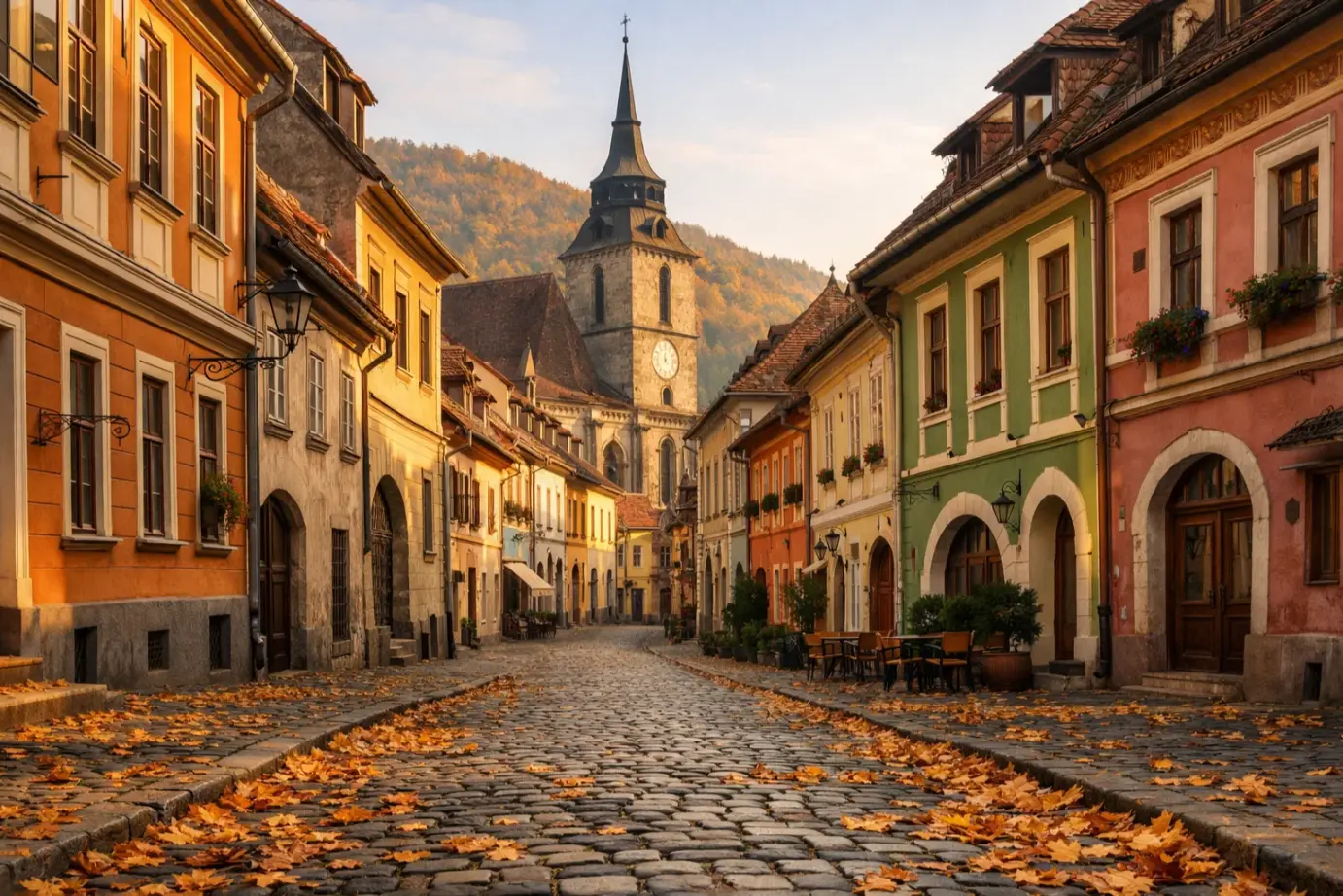
Romania is Eastern Europe’s most underrated destination, and it continues to offer exceptional value in 2026 despite steadily growing in visitor numbers. Romania blends medieval architecture, vineyard-covered hills, and vibrant city life at prices well below the Western European average, with cities like Brasov and Sibiu delivering cobbled streets and fortified churches without any premium attached.
The Transylvania region draws travelers for its gothic history, forested mountain terrain, and charming Saxon villages that appear almost unchanged from centuries past. In Brasov, hostels are available from fourteen dollars per night, placing it among the most affordable European overnight stays. Bucharest, the capital, has developed a dynamic arts and gastronomy scene while remaining far cheaper than comparable European capitals.
13. Bulgaria
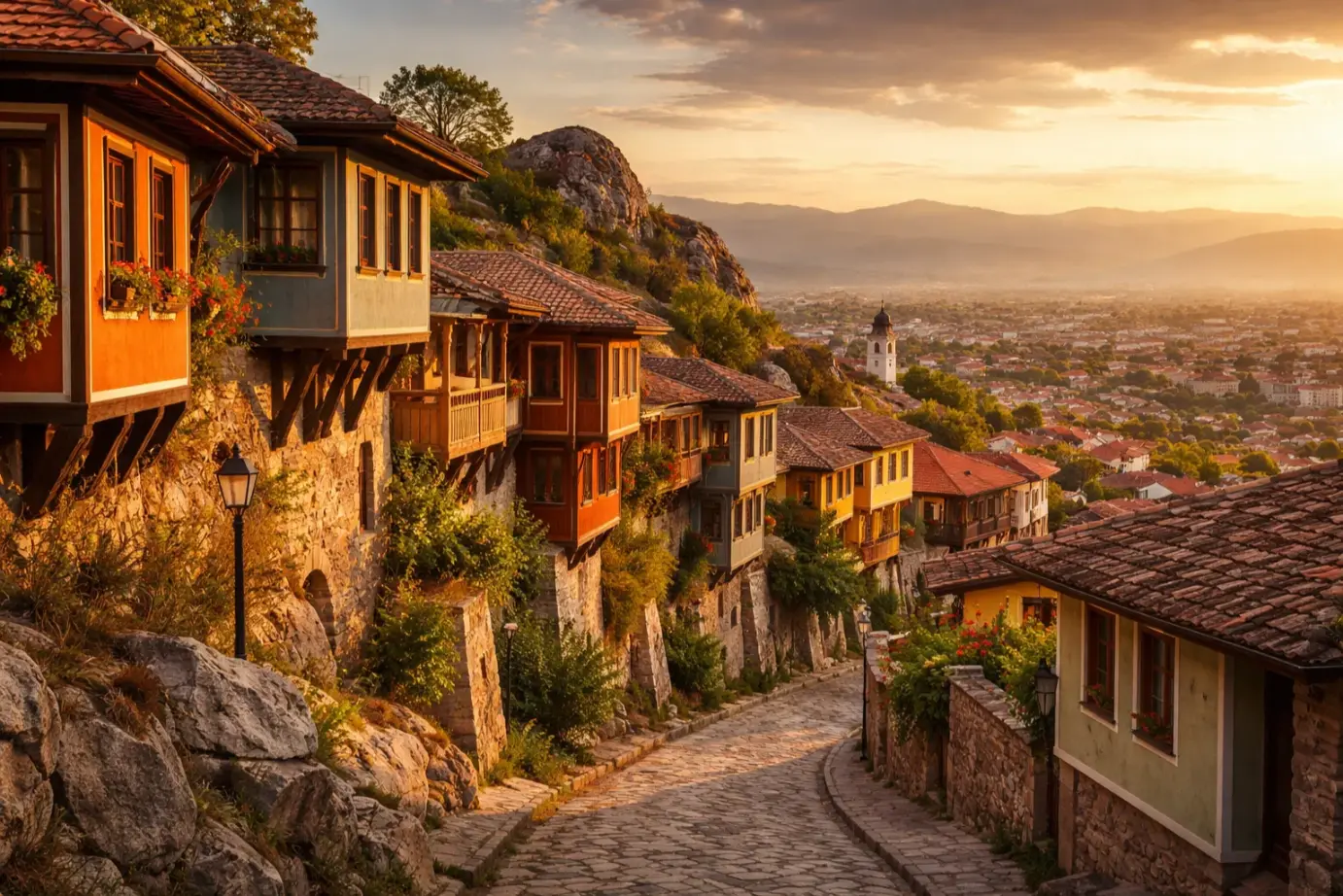
Bulgaria is Europe’s most consistently underpriced destination and one that rewards the traveler willing to step off the beaten path. Bulgaria offers affordable European travel at a fraction of the cost seen in Western Europe, with cities like Sofia and Plovdiv delivering rich culture, deep history, and low everyday prices. Plovdiv’s Old Town is one of the most beautiful historic quarters on the continent, built on hills that offer sweeping views across the city, and it costs nothing to walk through.
The Bulgarian Black Sea coast provides Mediterranean-quality beaches at prices far below Croatia or Greece. The Rhodope Mountains in the south offer hiking, ancient monasteries, and village guesthouses where genuine local hospitality has not yet been replaced by tourist-facing services.
14. Hungary

Budapest remains one of the great European cities and one of the most accessible for the budget traveler. In Budapest, hostel dorm beds start from around eight dollars per night and a beer at a bar costs under two dollars, placing it firmly among Europe’s most affordable capital cities.
The thermal bath culture that defines Budapest is available to visitors for a modest entry fee, and the city’s extraordinary architecture spans Baroque, Gothic, and Art Nouveau styles in a way that makes simply walking its streets a rewarding experience. The ruin bar scene, where abandoned buildings in the old Jewish quarter have been transformed into sprawling bohemian drinking spaces, has made Budapest’s nightlife internationally famous at prices that remain well within a budget traveler’s reach.
15. Albania
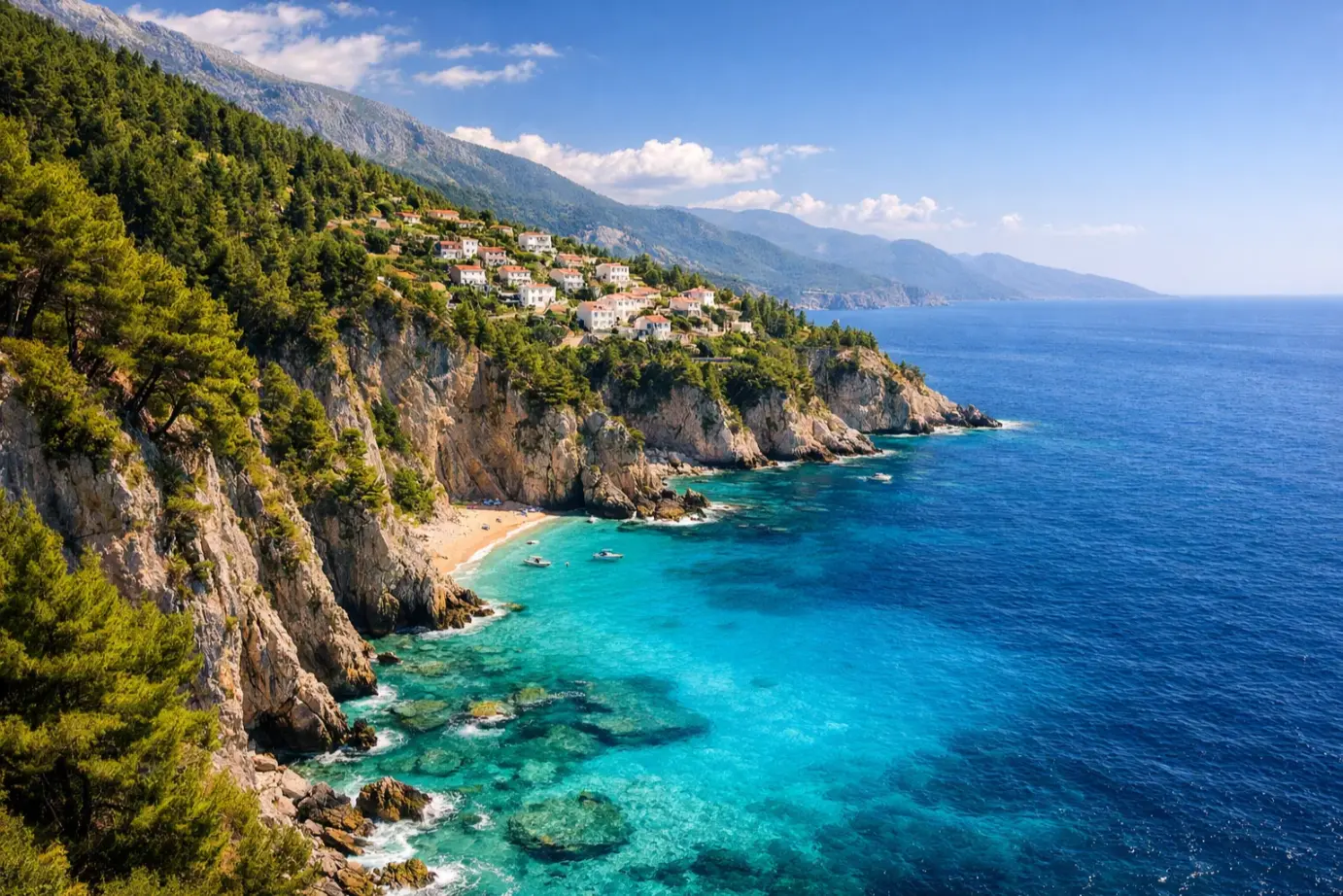
Albania has emerged as Europe’s most talked-about destination, and it earns that attention while remaining genuinely affordable by any continental standard. Despite growing hype, Albania remains largely underexplored beyond a few well-known spots, with a beautiful Mediterranean coastline, a quirky capital in Tirana, well-preserved Ottoman-era towns, and the newly established Vjosa Wild River National Park offering river rafting, canyon hiking, and hot springs.
The Albanian Riviera delivers turquoise water and whitewashed villages at prices that make neighboring Greece and Italy feel extravagant by comparison. The Albanian Alps in the north offer world-class hiking trails through scenery that few travelers outside the region have yet discovered. Daily budgets of $35 to $55 support a comfortable mid-range travel experience.
How to Match Your Budget to the Right Destination

Understanding which destinations serve different budget levels is the foundation of effective travel planning in 2026. For travelers working with under $25 per day, Nepal, Laos, Cambodia, and India provide not only affordability but genuine depth of experience. These countries have well-developed infrastructure for budget travelers, meaning that low cost does not translate to difficulty or discomfort.
For travelers with $25 to $50 per day, Vietnam, Indonesia, Bolivia, Mexico, Georgia, and Romania all offer a comfortable mid-range experience with room for paid activities, occasional restaurant meals, and private accommodation. For those with $50 to $80 per day, Malaysia, Albania, Hungary, and Bulgaria provide high-quality experiences in culturally rich settings while remaining meaningfully cheaper than Western Europe, North America, or Australia.
The single most effective way to stretch a travel budget in any destination is to eat where local people eat. Tourist-facing restaurants in popular areas charge multiples of what the same food costs a short walk away. Traveling overland by local bus or shared transport rather than private transfers consistently reduces daily transport costs by fifty percent or more. Visiting during shoulder season rather than peak months reduces accommodation prices, eliminates crowds, and makes the experience measurably better. Many of the world’s most extraordinary natural and cultural attractions carry no entrance fee at all.
A Closing Word on Value and Experience in 2026

The destinations covered in this guide share one quality that cannot be reduced to a daily cost figure: they are genuinely extraordinary places to spend time. The rice terraces of northern Vietnam, the ancient salt flats of Bolivia, the medieval streets of Sibiu, the thermal baths of Budapest, the wild mountains of Albania.
These are not consolation prizes for travelers who could not afford somewhere more prestigious. They are among the finest experiences the world offers, and they happen to be accessible to anyone willing to plan thoughtfully and go.
In 2026, the traveler who chooses any one of these fifteen countries will find that the value delivered goes far beyond what the price tag would suggest. The world remains wide open, and it is more affordable than most people believe.
You may also like this post: 10 Best European Cities for Summer Trip in 2026
Frequently Asked Questions
What is the cheapest country to visit in 2026?
Nepal and Laos are consistently the most affordable destinations in 2026, with daily costs as low as $15 to $20 covering accommodation, meals, and local transport. India follows closely and offers perhaps the greatest diversity of experience at that price level.
Which budget-friendly country is best for first-time international travelers?
Thailand and Vietnam are the strongest choices for first-time international travelers on a budget. Both countries have well-established tourist infrastructure, widely spoken English in travel areas, reliable transport networks, and a welcoming culture toward visitors. Daily costs remain low while the experience is highly organized and easy to navigate.
Can you travel comfortably in Europe on a budget in 2026?
Yes, Eastern European countries such as Romania, Bulgaria, Hungary, Albania, and Georgia all offer comfortable travel experiences at daily costs well below the Western European average. Daily budgets of $35 to $55 cover private accommodation, good meals, and paid activities across most of these destinations.
What is the best time of year to visit budget destinations in Southeast Asia?
The optimal time for most of Southeast Asia is between November and April, which represents the dry season across Vietnam, Cambodia, Thailand, and Laos. Traveling during this period provides the best weather conditions and the most reliable access to outdoor activities, though prices in the most popular areas are marginally higher than during the wet season months.
How do you reduce travel costs beyond just choosing a cheap destination?
Eating at local restaurants rather than tourist-facing establishments, using public buses and shared transport over private transfers, booking accommodation directly with guesthouses rather than through major platforms, traveling during shoulder season, and planning a slow itinerary that reduces transport frequency are the five most consistently effective methods for reducing daily travel costs in any destination.