

Why Oklahoma Is One of the Most Underrated States in America
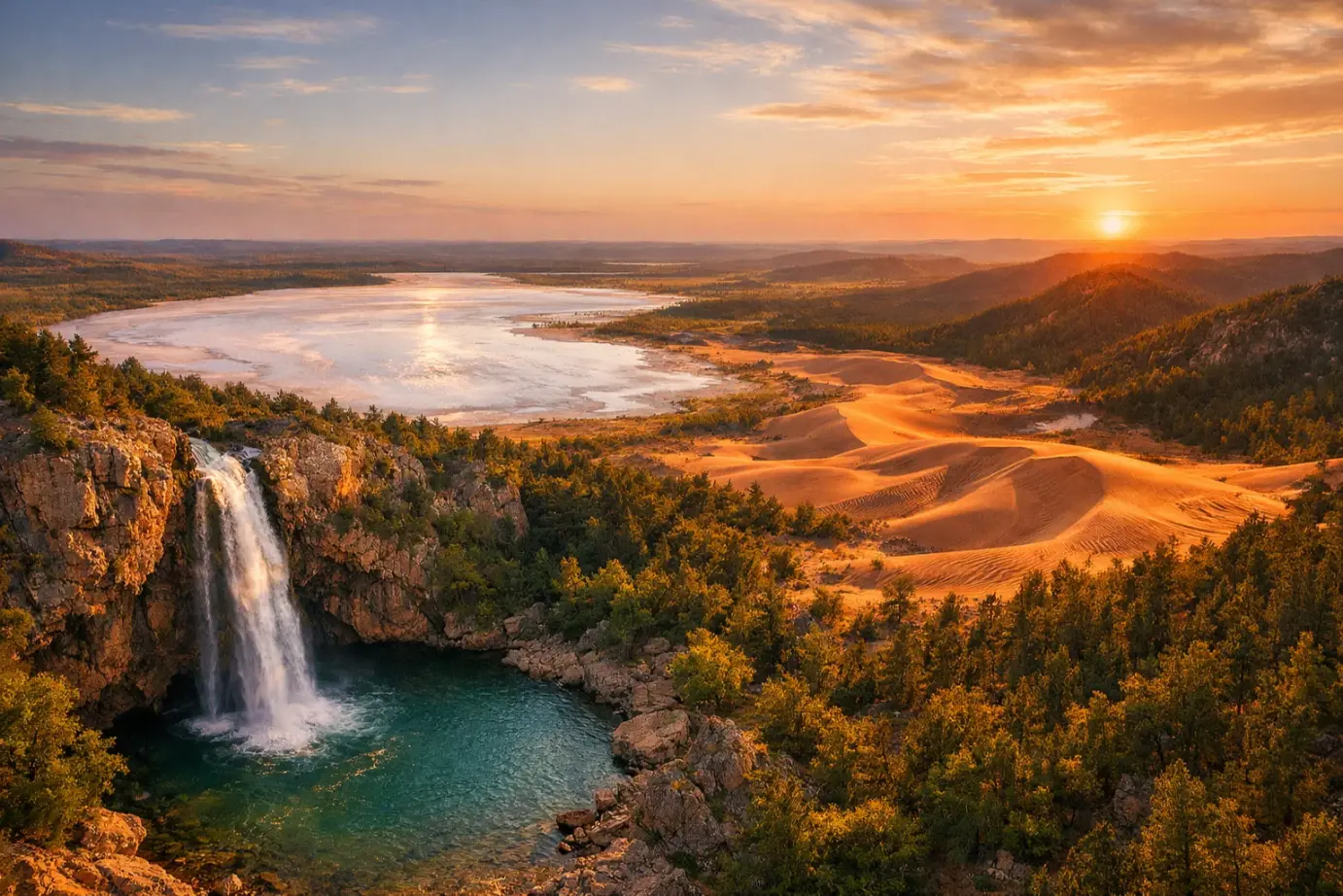
Oklahoma sits in the heart of the country, bounded by six states and crossed by one of the most iconic highways ever built, yet it rarely earns a top spot on anyone’s travel bucket list. That is the state’s greatest advantage and its best-kept secret. While travelers rush toward Nashville, Austin, and Denver, Oklahoma quietly offers towering waterfalls, ancient Native American archaeology, sand dunes that rise 75 feet from the prairie floor, crystal beds that were once the floor of a prehistoric ocean, and a downtown Victorian district that looks unchanged from 1910.
First-timers who arrive with low expectations tend to leave as devoted advocates, already planning their return. Oklahoma rewards the curious traveler who is willing to veer off the interstate and follow a county road toward something unexpected. The 15 hidden gems in Oklahoma listed below represent the very best of what this state offers to anyone discovering it for the first time.
1. Turner Falls Park: Oklahoma’s Tallest Waterfall Hidden in the Arbuckle Mountains

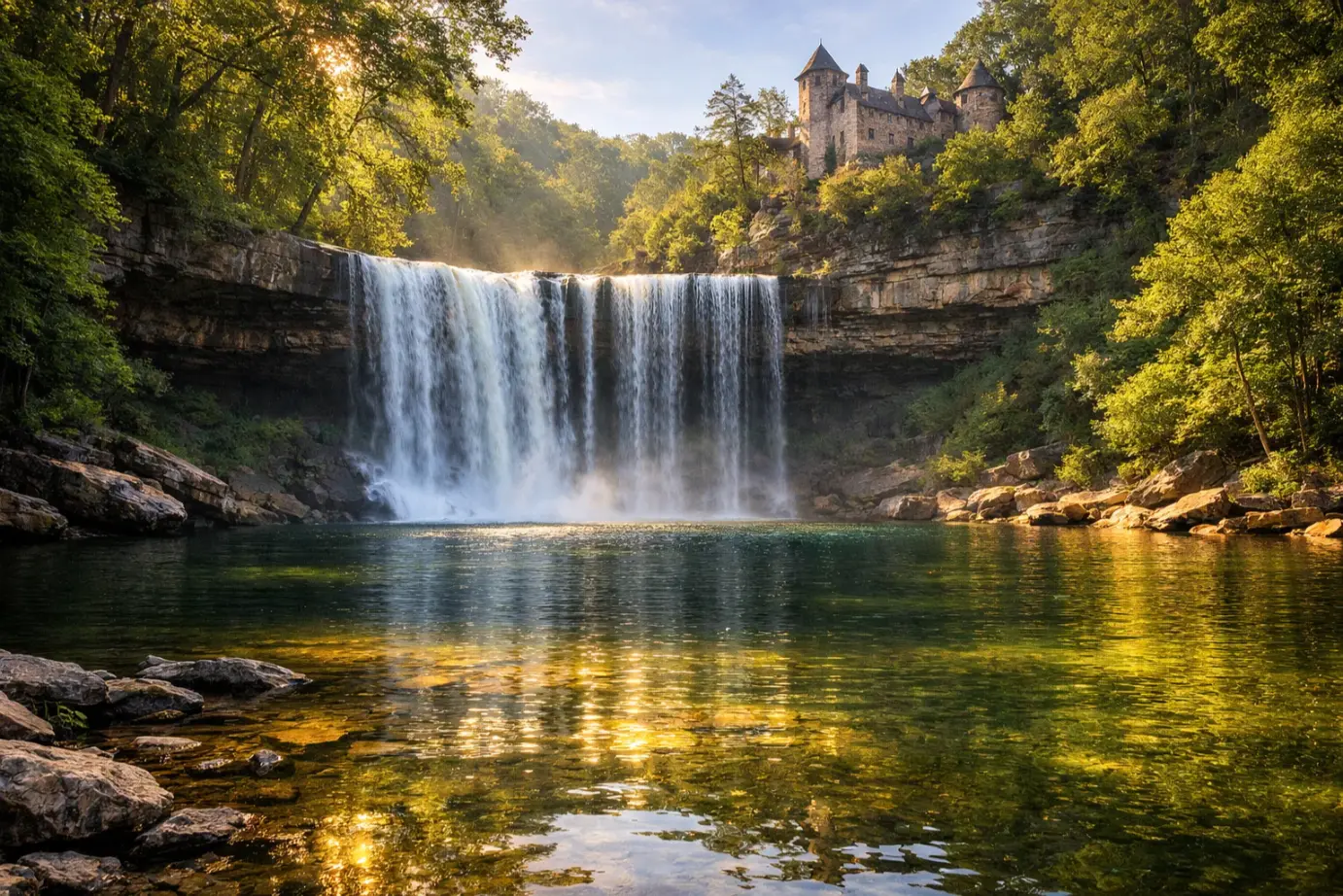
About an hour south of Oklahoma City, tucked into the Arbuckle Mountains just off Interstate 35, Turner Falls Park contains one of the most surprising natural landscapes in the entire southern United States. The main waterfall drops 77 feet over a broad limestone ledge into a clear natural pool where visitors can swim freely during warmer months. The water is cold even in summer, fed by Honey Creek, and the surrounding canyon walls are lined with vegetation that makes the whole area feel lush and secluded.
What elevates Turner Falls beyond a simple swimming hole is the collection of experiences packed into a single park. Three caves cut into the canyon walls are accessible by trail. A castle built by hand in the 1930s by a local man named Sivils sits overlooking the falls and adds an eccentric, almost fairy-tale quality to the landscape. Water slides operate near the pool during peak season. The entry fee is modest, and the park is open year-round, though spring and early summer bring the fullest waterfall and the most comfortable temperatures.
2. Great Salt Plains State Park: The Only Place on Earth to Dig Hourglass Selenite Crystals
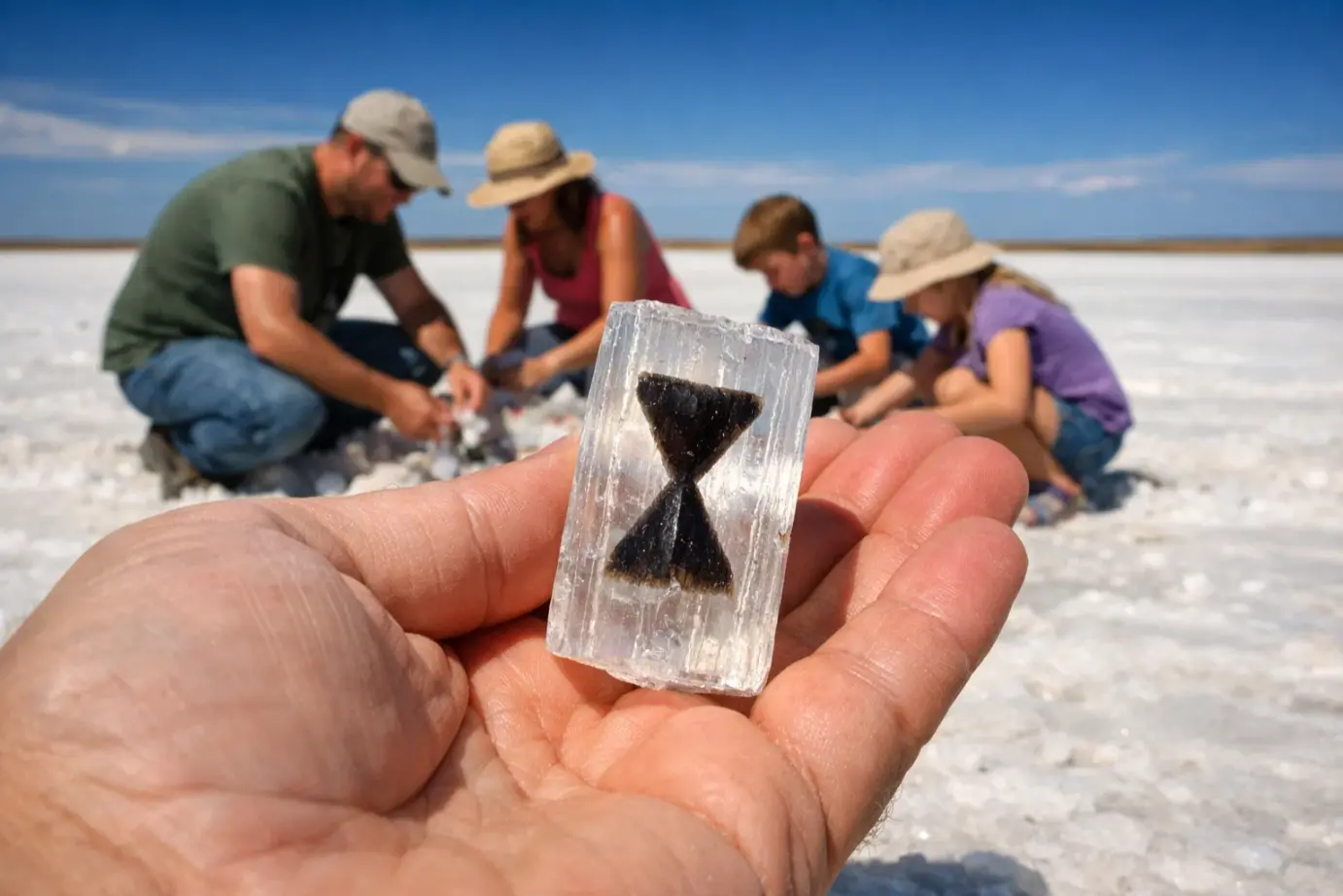
In northwestern Oklahoma, not far from the small town of Jet, the landscape opens into something that looks borrowed from another planet entirely. The Salt Plains National Wildlife Refuge is a literal gem, as it is the only place in the world where hourglass-shaped selenite crystals can be found. The white salt flat stretches across thousands of acres, the remnant of a shallow inland sea that covered this region hundreds of millions of years ago.
From April through October, visitors are permitted to dig in designated areas of the park. The crystals, which grow just beneath the surface of the salt flat, are transparent and contain a distinctive dark hourglass shape of sand frozen in their centers at the moment of formation. Families arrive with small shovels and buckets, and children quickly become absorbed in the process of finding and extracting them. The Salt Plains Lake adjacent to the park is roughly half as salty as the ocean and draws migrating shorebirds in extraordinary numbers, making this one of the best birdwatching locations in the Great Plains.
3. Little Sahara State Park: A Desert of Sand Dunes Rising from the Oklahoma Prairie
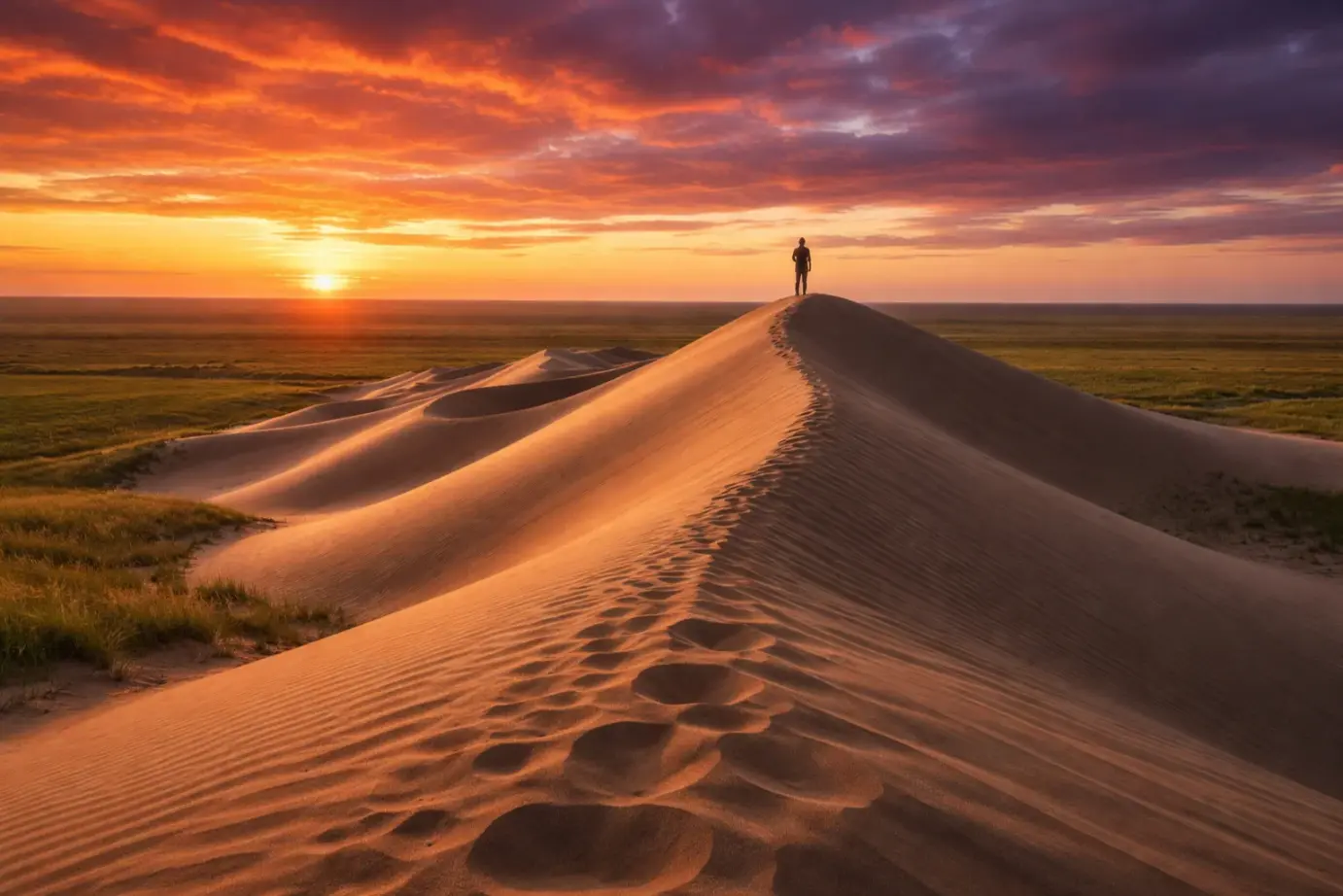
Most people find it genuinely difficult to believe that Oklahoma has sand dunes until they are standing at the base of one. Little Sahara State Park in Waynoka, located about two and a half hours northwest of the metro, boasts almost 2,000 acres of towering sand dunes that transport visitors to a desert oasis. The dunes reach heights of 75 feet in places and shift constantly with the wind, creating a landscape that looks and feels nothing like the rest of the state surrounding it.
The park is best known as an ATV and off-road vehicle destination, and on weekends the sound of engines fills the air across the dunes. However, visitors who arrive without machines are still well rewarded. Walking the dunes, climbing to the top of the tallest ridges, and looking out across the sandy expanse from an observation tower is a genuinely striking experience. Camping is available on-site, and sunsets over the dunes produce some of the most photogenic light in all of Oklahoma.
4. Beavers Bend State Park: Mountain Forest and Trout Streams in Southeastern Oklahoma
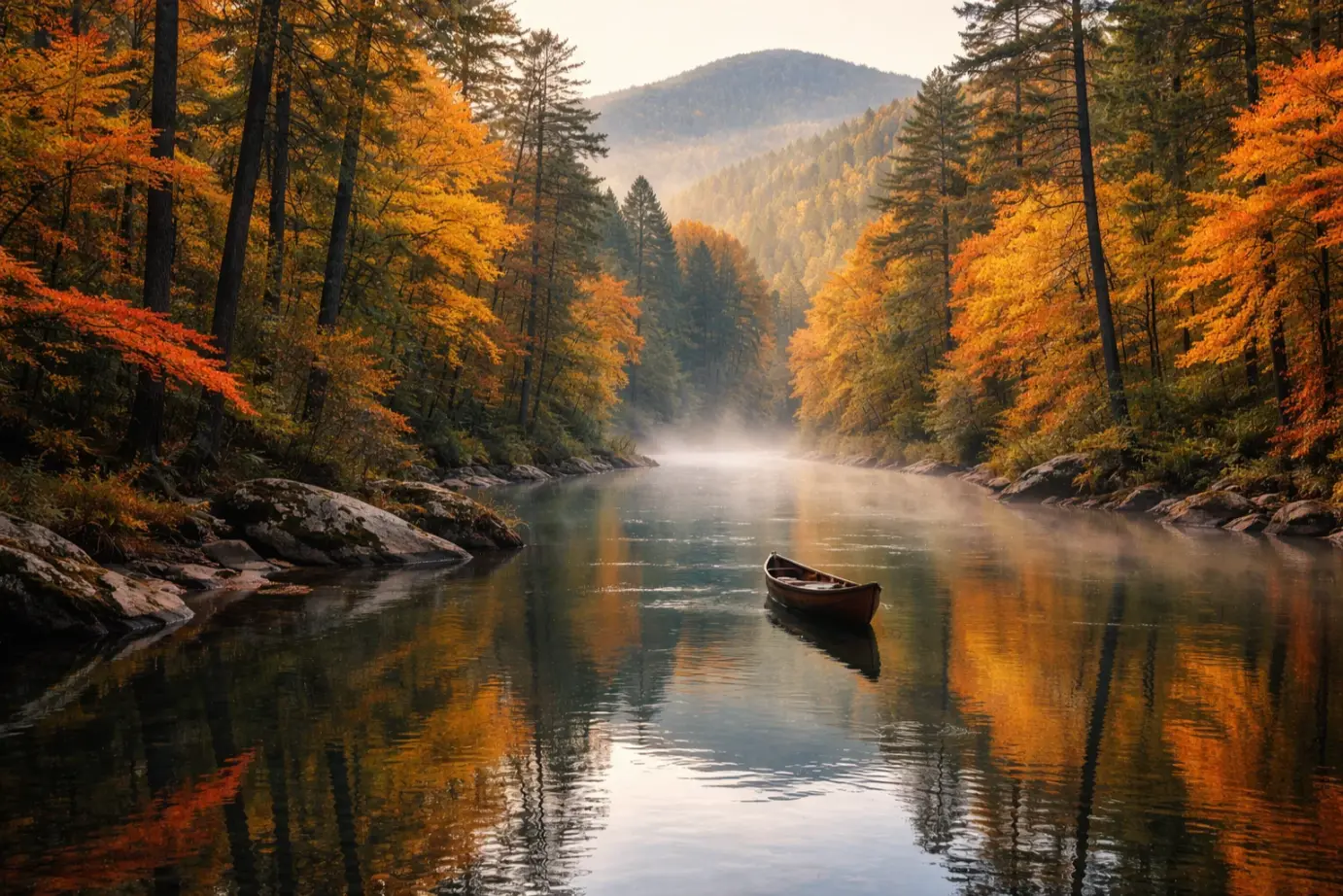
In the far southeastern corner of the state, where the Ouachita Mountains press up against the Texas border, Beavers Bend State Park delivers a version of Oklahoma that surprises nearly every first-timer who makes it there. Nestled in the picturesque surroundings of Broken Bow, Beavers Bend State Park is a haven for nature enthusiasts. From pristine lakes to dense forests, this park offers a perfect escape for those seeking tranquility and outdoor adventures.
The Mountain Fork River running through the park is stocked with rainbow trout and cold enough to require a light jacket even in midsummer. Canoe and kayak rentals are available, and the river is calm enough for beginners while still offering enough current to keep the paddling interesting. Cabins throughout the park book out weeks in advance on popular weekends, so reservations well ahead of time are essential. The forest around Broken Bow Lake turns brilliant gold and red in October, making this one of Oklahoma’s premier fall foliage destinations.
5. Alabaster Caverns State Park: Exploring the Underground in the Oklahoma Panhandle Region
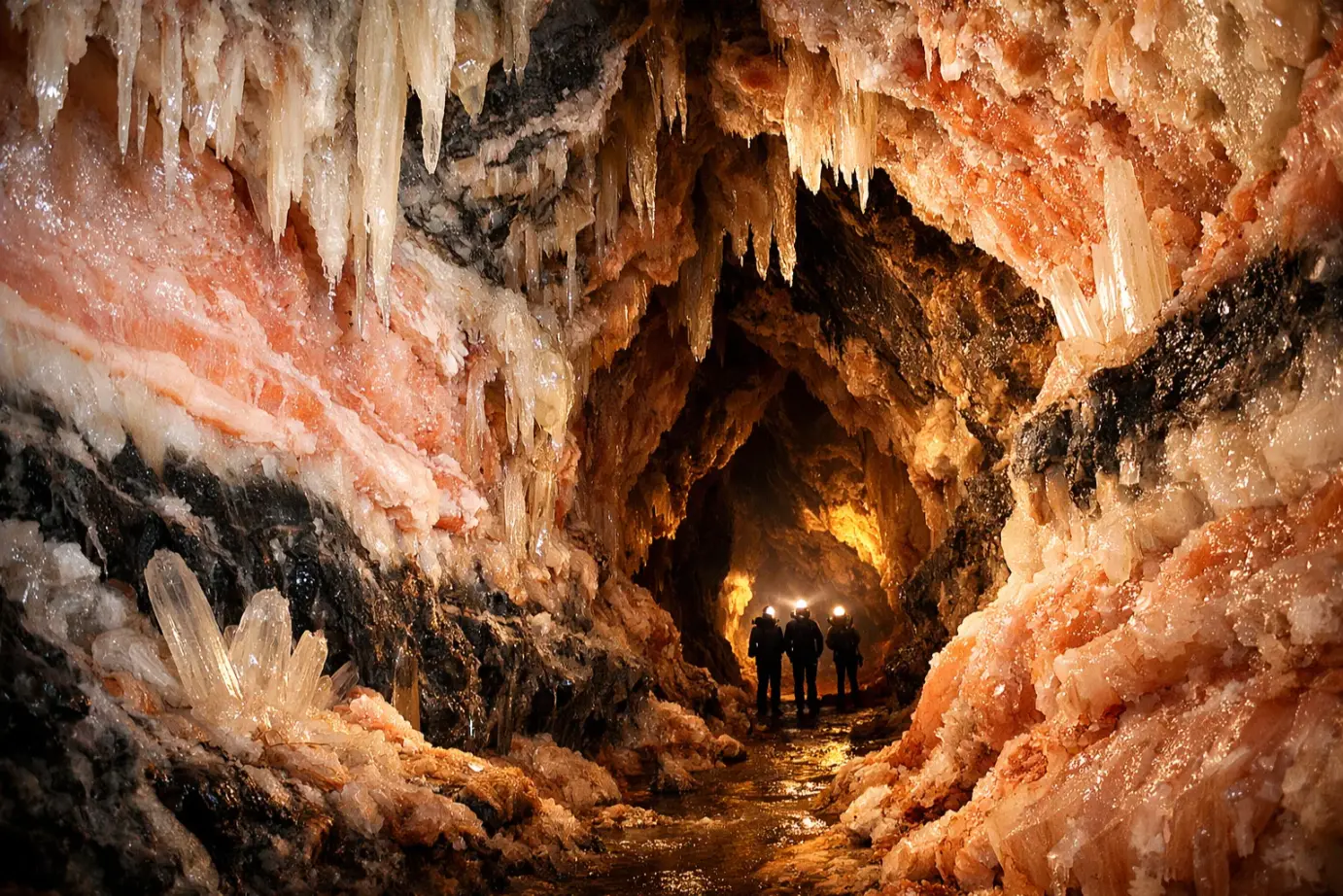
Near the tiny town of Freedom in northwestern Oklahoma, Alabaster Caverns State Park offers a guided cave tour through one of the largest natural gypsum caves open to the public in the United States. The caverns are named for the alabaster, selenite, and other mineral formations visible in the cave walls, and the variety of rock types on display within a single underground passage is genuinely impressive.
The cave maintains a constant temperature of around 60 degrees Fahrenheit regardless of surface conditions, making it a welcome escape during Oklahoma summers. Guided tours run regularly and cover the main cavern passage, where formations of alabaster in pink, white, black, and mixed varieties line the walls at close range. Bat watching at dusk, when the cave’s resident bat population emerges to feed, is a popular added attraction during warmer months.
6. Chickasaw National Recreation Area: Mineral Springs and Natural Swimming Holes Near Sulphur
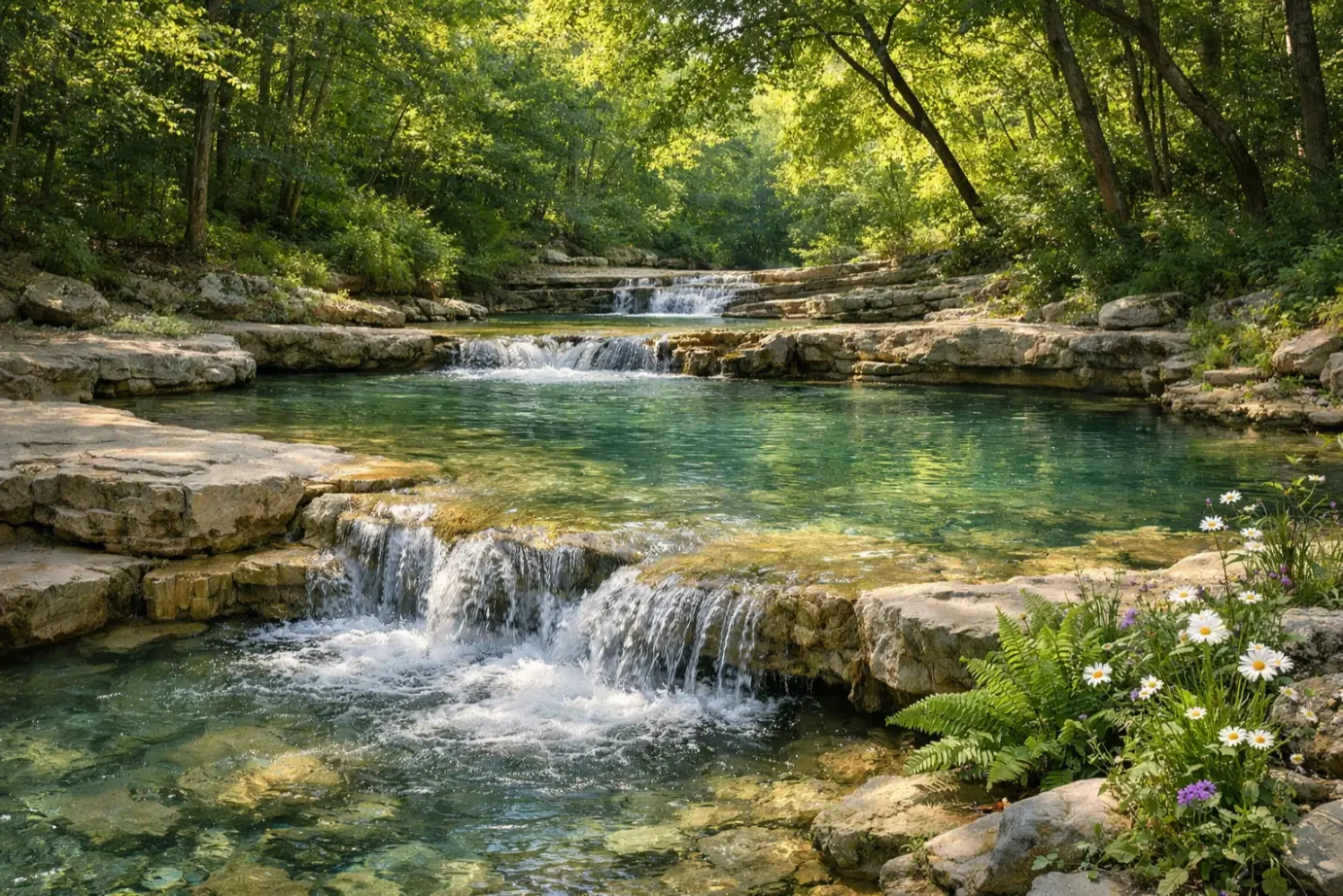
Sulphur sits at the entrance to the Chickasaw National Recreation Area, which Native Americans call “the land of rippling waters” because of its mineral waters, streams, lakes and swimming holes. The recreation area, with swimming, boating, fishing, hunting, camping and hiking, is a big draw.
Travertine Creek runs through the heart of the park, cold and clear even at the height of summer, and its natural pools and cascades draw swimmers and picnickers throughout the season. Little Niagara, a small but beautiful waterfall within the park, is one of the most photographed spots in southern Oklahoma and remains surprisingly uncrowded even during summer weekends. The park also contains numerous cold sulfur and freshwater springs that bubble up along the creek banks, a geological curiosity that gave the town of Sulphur its name and once attracted visitors seeking the supposed health benefits of mineral water.
7. Wichita Mountains Wildlife Refuge: Bison, Granite Peaks, and Panoramic Prairie Views
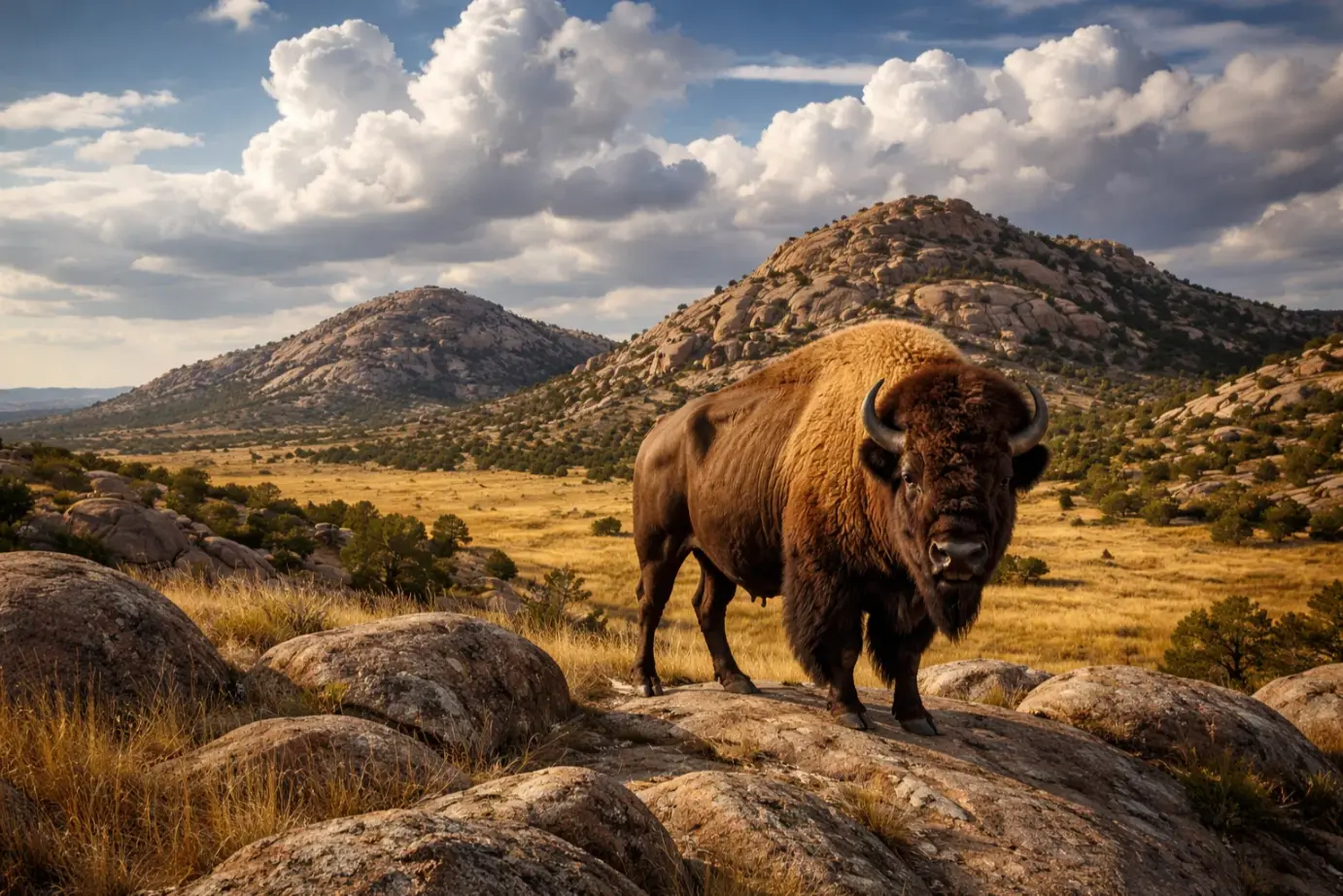
The Wichita Mountains rise dramatically from the flat southwestern Oklahoma prairie near Lawton, forming a granite landscape of rounded peaks, hidden valleys, and enormous boulders that has no rival anywhere else in the state. One of the best things to do in Oklahoma is to hike to the top of Mount Scott for a panoramic view that will leave you speechless. The road to the summit is paved and accessible to all vehicles, and the view from the top spans hundreds of miles of rolling prairie in every direction.
The refuge supports one of the largest publicly accessible American bison herds in the country. A herd of longhorn cattle, white-tailed deer, wild turkey, and Rocky Mountain elk also roam the grasslands freely. Wildlife photography here requires only patience and a willingness to pull over, as bison frequently graze within yards of the main road. The refuge is federally managed and free to enter, making it one of the best value outdoor experiences in the entire state.
8. Natural Falls State Park: A 77-Foot Waterfall Surrounded by Seventeen Varieties of Fern
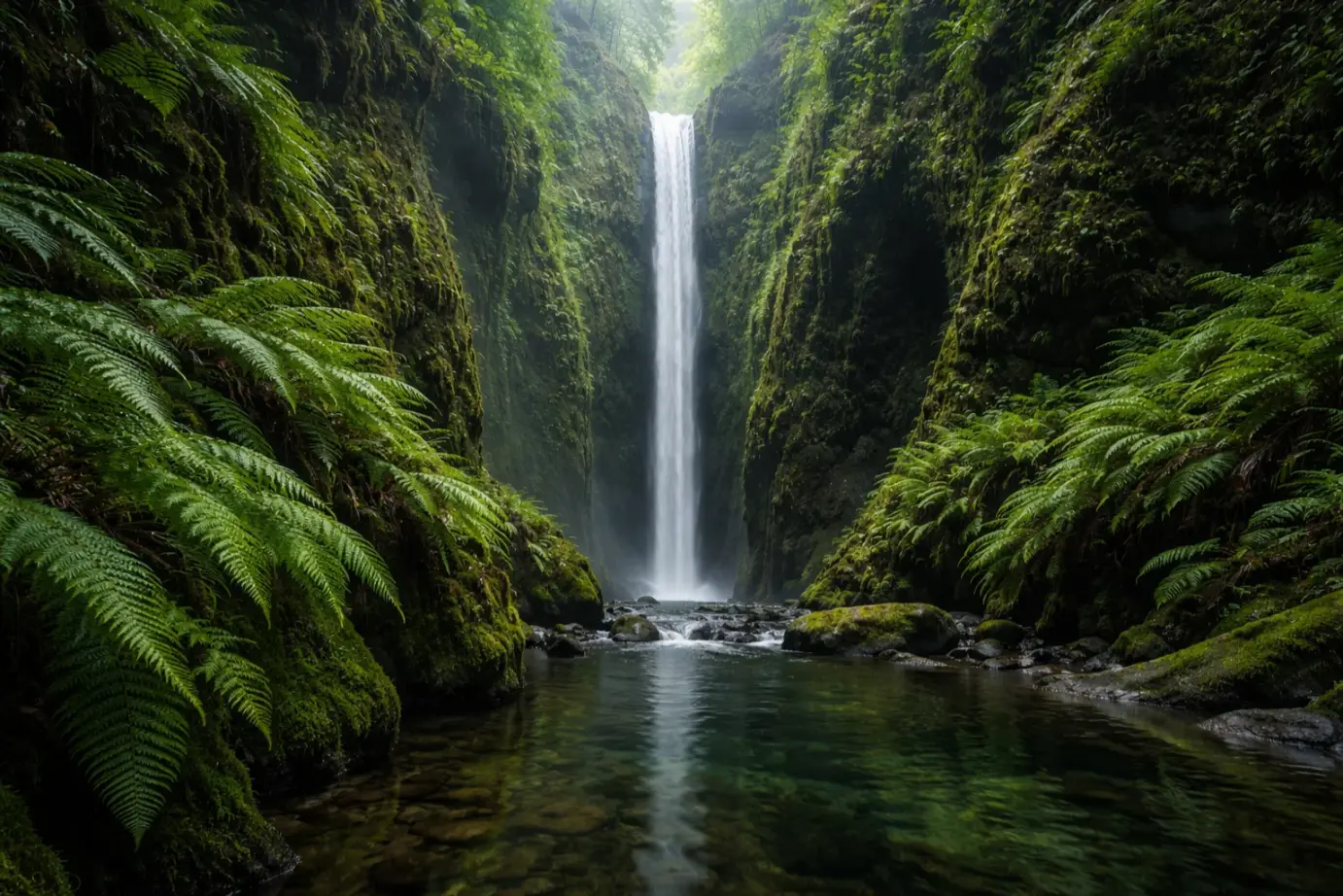
Tucked into a quiet valley in northeastern Oklahoma near the Arkansas border, Natural Falls State Park is one of the most beautiful and least visited state parks in the region. The centerpiece is a 77-foot waterfall, known locally as Dripping Rock Falls, which plunges into a narrow rocky basin wrapped in moss, fern, and filtered forest light. The lush, fern-covered landscape provides a cool respite during the hot summer months and showcases the diverse ecosystems found throughout the state.
Seventeen distinct varieties of fern grow in the perpetual mist at the base of the falls, a botanical fact that seems almost impossible for a landlocked prairie state. The trails leading down to the viewing area are short but steep, and the descent rewards visitors with a view that genuinely resembles something from the Pacific Northwest rather than the Great Plains. Yurts available for overnight rental make this an accessible camping option for visitors who want comfort without tents.
9. Guthrie Historic District: Victorian Architecture and a Town That Was Almost the State Capital
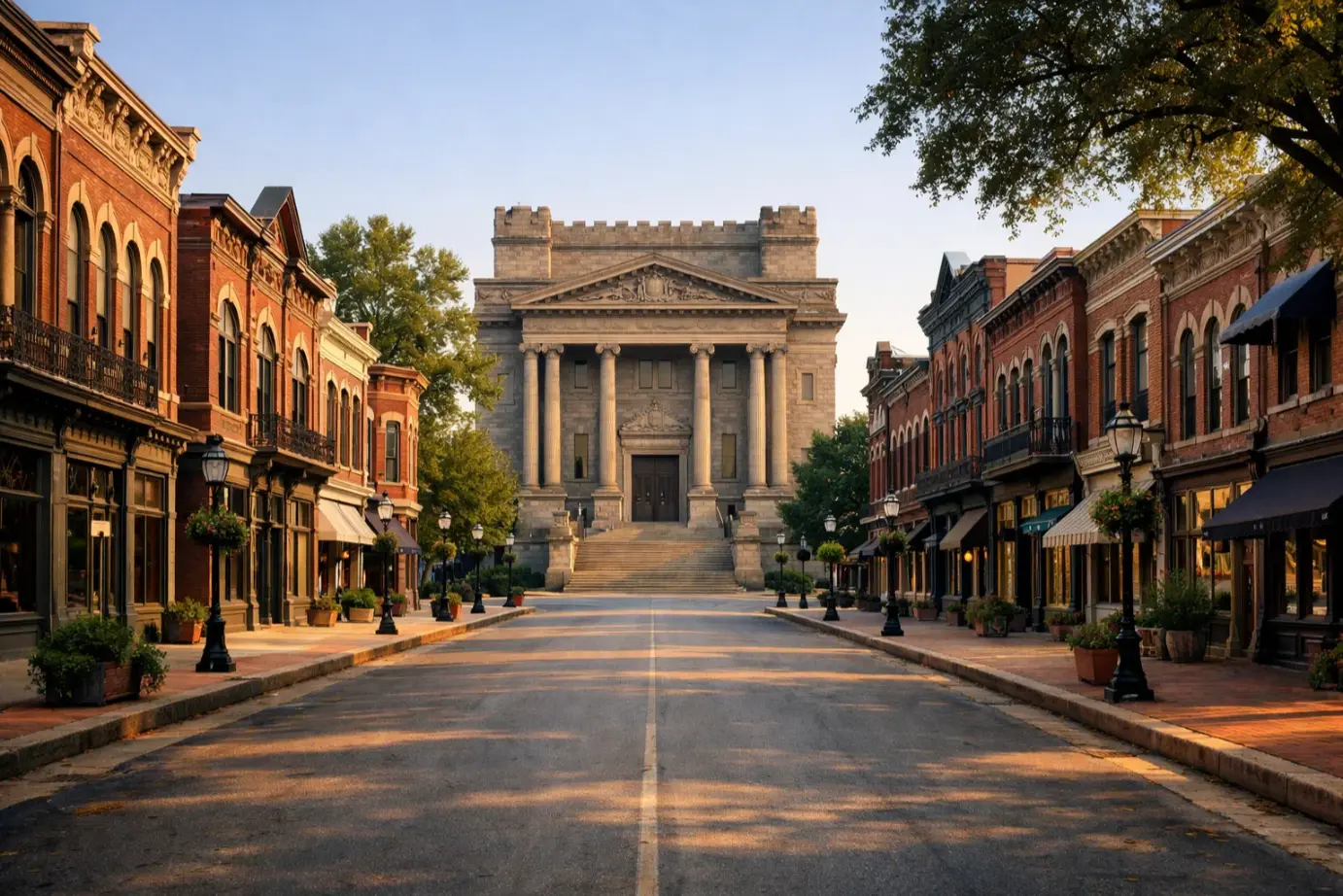
Guthrie served as the capital of Oklahoma Territory and then briefly as the capital of the newly formed state before the government was controversially relocated to Oklahoma City in 1910. The city never fully recovered from losing its political status, and the unintended result is that its magnificent late-Victorian downtown was never torn down or redeveloped. Today it stands as one of the most intact collections of Victorian commercial architecture in the United States.
Walking the main streets of downtown Guthrie feels like stepping into a living history exhibit where every building is real, occupied, and still in use. Antique shops, restaurants, galleries, and period hotels fill structures built during the land rush era of the 1890s. The Scottish Rite Masonic Temple, one of the largest Masonic centers in the world, anchors the district and offers guided tours throughout the year. First-timers who expect a plain prairie town are routinely stunned by what Guthrie actually looks like.
10. The Heavener Runestone: A Possible Viking Inscription on an Oklahoma Mountainside
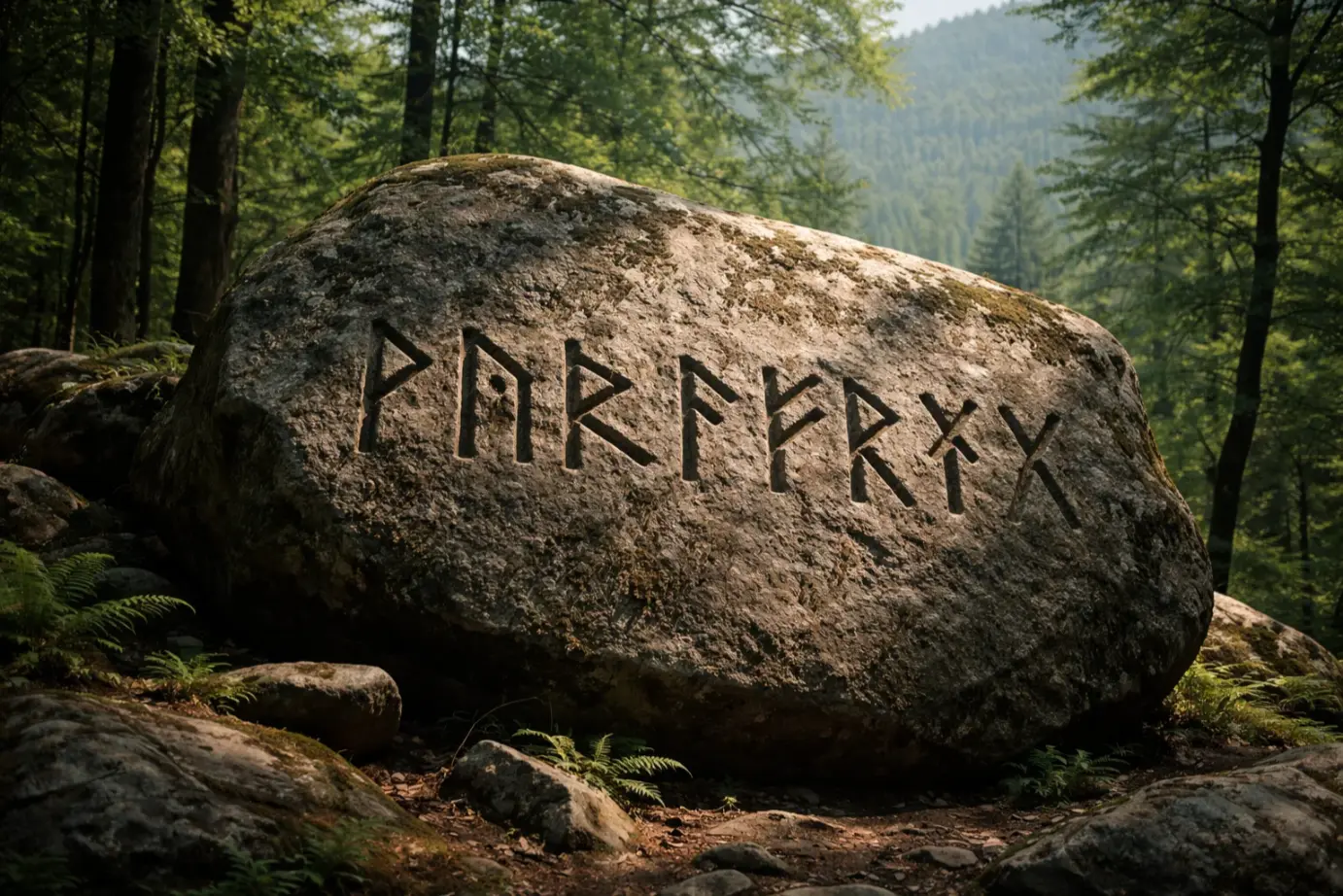
Located in Heavener, Oklahoma, this is one of the most unusual historic sites in the South that can be found on a mountainside. Some believe that Vikings came here more than 1,000 years ago and left a sign of their passing carved on the face of a massive boulder. The huge rock, now called the Heavener Runestone, is the centerpiece of the park.
The runestone sits inside a small state park in the Ouachita Mountains of eastern Oklahoma, sheltered under a structure that protects the carved surface from weathering. The inscription consists of eight runic characters that have been interpreted by various scholars as a territorial marker, a personal name, or a date in the Viking calendar. Whether the carvings are genuinely pre-Columbian Norse, a more recent carving by early European settlers, or something else entirely remains an open debate among historians and archaeologists. The mystery is part of the attraction, and the surrounding park offers pleasant hiking trails through the mountain forest regardless of one’s position on the runestone’s origins.
11. Medicine Park: An Intact Cobblestone Resort Town from the 1920s
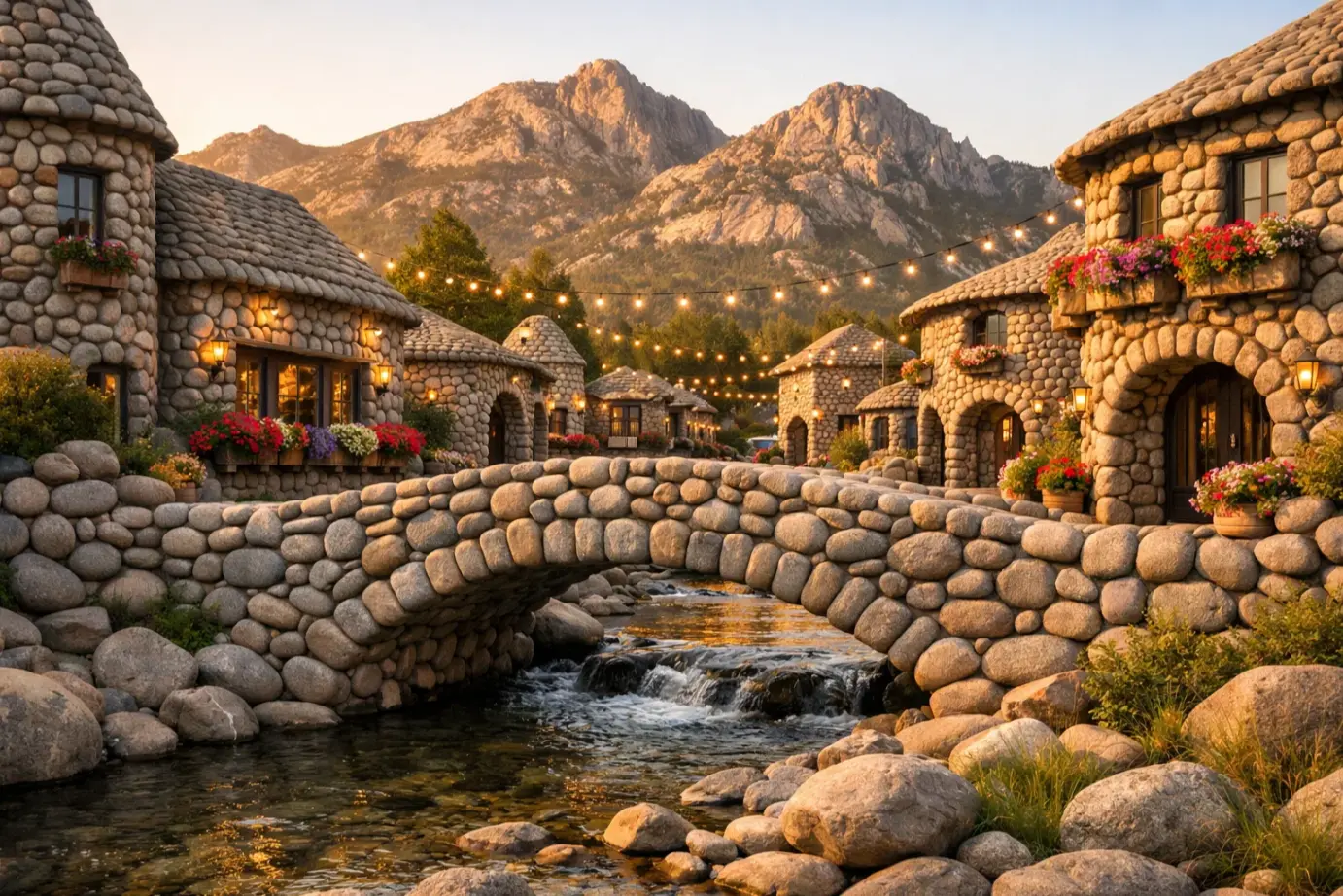
Medicine Park is one of those places that almost no one outside Oklahoma has heard of and almost everyone who visits falls immediately in love with. Built in the early 1920s as a resort community near the Wichita Mountains, the town is constructed almost entirely of large, rounded cobblestones gathered from the nearby creek beds. Every building, bridge, and retaining wall in the original core of the town uses the same distinctive round rocks, giving Medicine Park a visual coherence unlike any other small town in the country.
Today the town operates as a living arts and culture community, with galleries, studios, a small aquarium, weekend live music, and enough cafes and shops to fill an afternoon comfortably. Medicine Park is a vintage cobblestone resort town in southwestern Oklahoma that serves as an ideal complement to a visit to the nearby Wichita Mountains Wildlife Refuge. The two destinations sit within minutes of each other and together make for a complete and satisfying day trip from Oklahoma City.
12. Spiro Mounds Archaeological Center: Oklahoma’s Most Important Prehistoric Native American Site
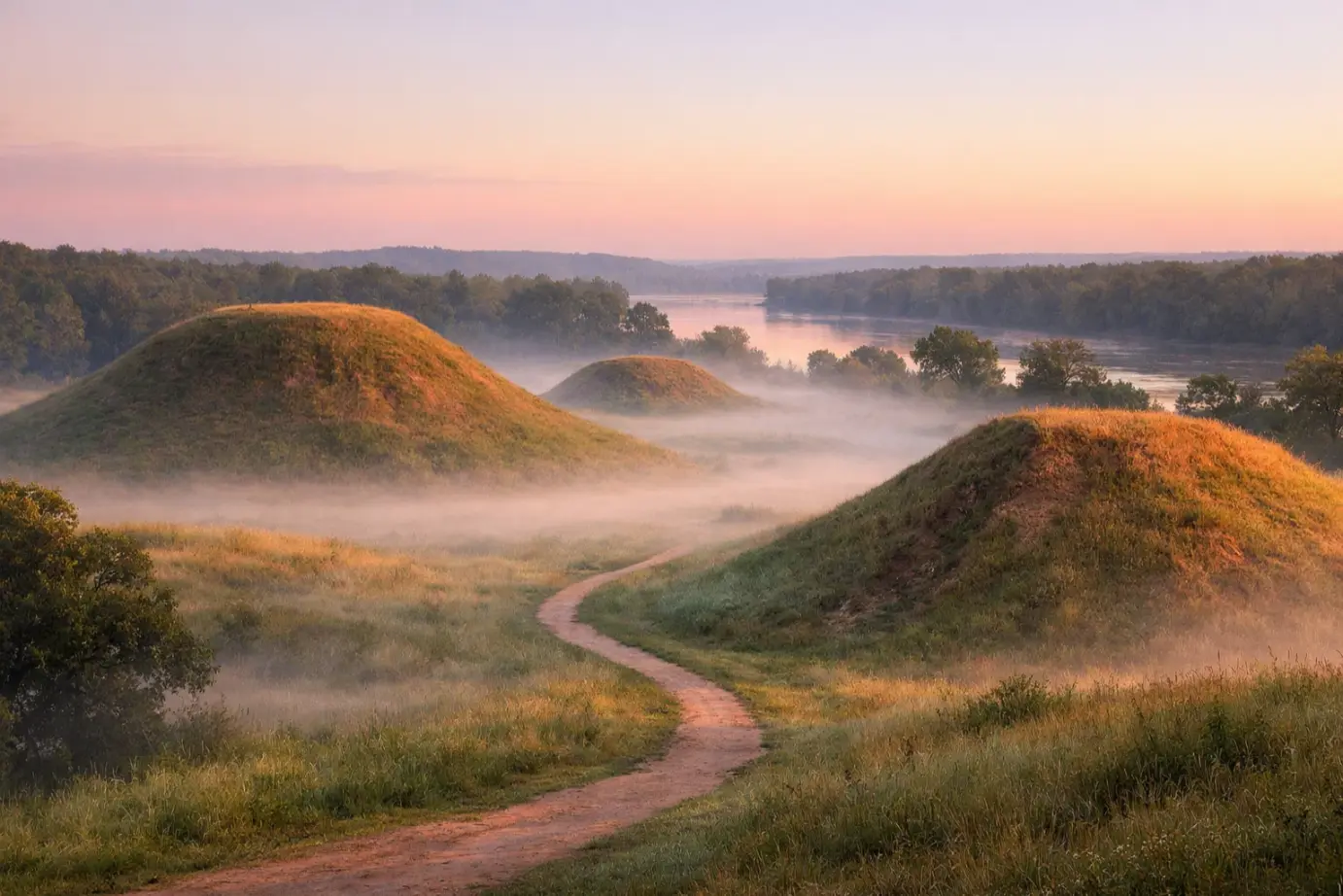
Oklahoma is home to one of the most important American Indian sites in the nation. Spiro Mounds is known worldwide for its vast collection of artifacts that were dug from one of the dozen mounds on the land. It is the only prehistoric Native American archaeological site open to the public in Oklahoma.
The mounds were built and used by the Caddoan Mississippian culture between roughly 850 and 1450 CE, and the artifacts recovered from the site include copper plates, engraved conch shells, effigy pipes, and textiles of extraordinary quality. Many of those artifacts are now in museums across the country, but the site itself remains compelling, and the interpretive center on the grounds gives visitors a thorough grounding in what the Spiro culture built and what its collapse tells us about the history of North America before European contact. A walking trail connects the mounds themselves, and the peaceful wooded setting along the Arkansas River gives the visit a contemplative quality appropriate to the site’s significance.
13. Woolaroc Museum and Wildlife Preserve: Western Art and Free-Roaming Bison Near Bartlesville
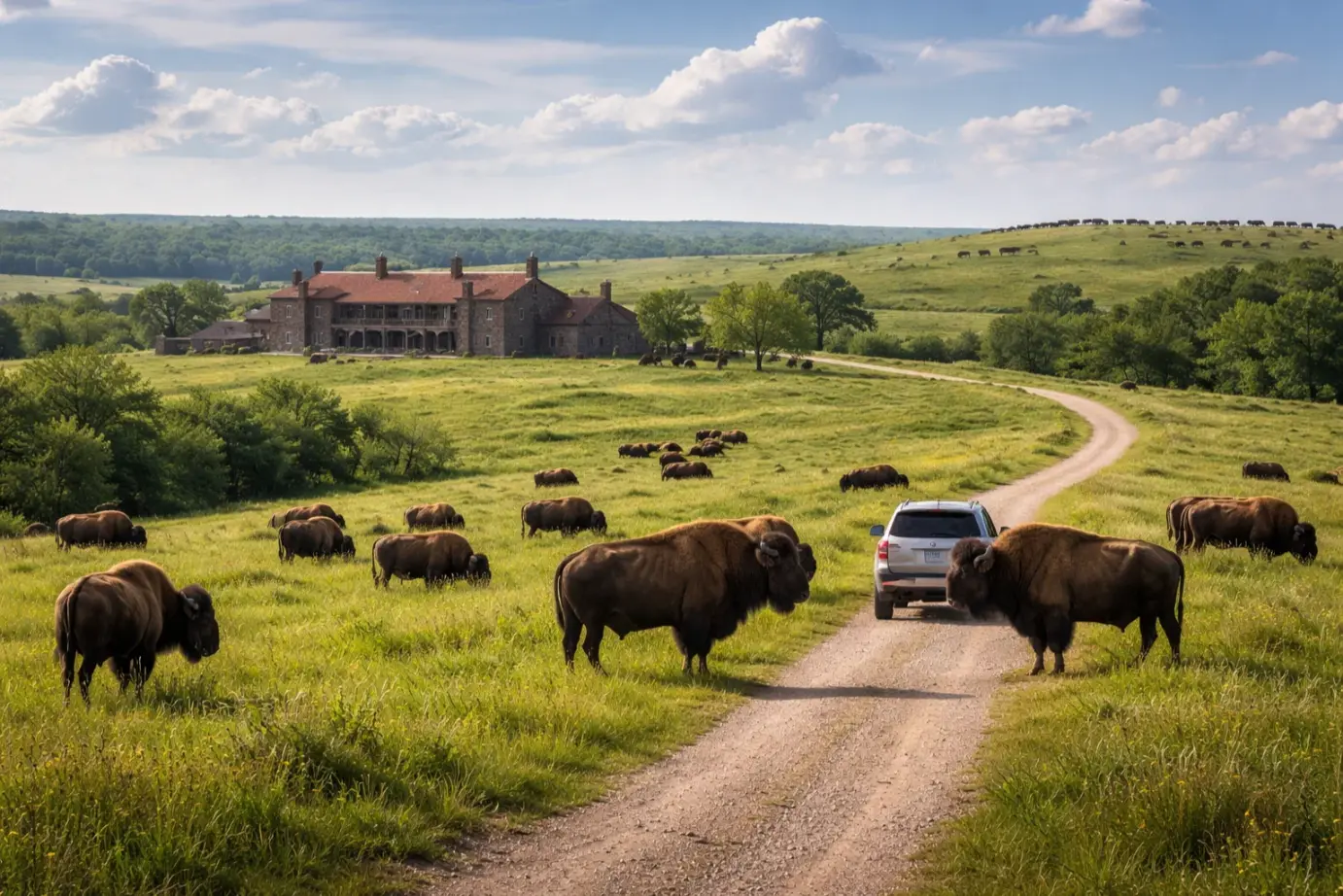
Bartlesville is best known for two attractions: the Woolaroc Museum and Wildlife Preserve, a 3,600-acre facility founded by Frank Phillips, owner of Phillips Petroleum Company, and Price Tower, the only Frank Lloyd Wright-designed office building ever built. Woolaroc alone would justify the drive to Bartlesville. The museum houses a world-class collection of Western American art, Native American artifacts, and oil boom memorabilia curated over decades by Frank Phillips and his successors.
Outside the museum, a 3,600-acre preserve supports free-roaming herds of American bison and longhorn cattle that graze the open grasslands year-round. Driving through the preserve to reach the museum is itself a memorable experience, as bison frequently approach vehicles and create traffic slowdowns of the most photogenic variety. The combination of a serious art and history museum with a working wildlife preserve on a single property makes Woolaroc one of the most complete cultural destinations in Oklahoma.
14. The Talimena Scenic Byway: A 54-Mile Mountain Drive Through the Ouachita National Forest
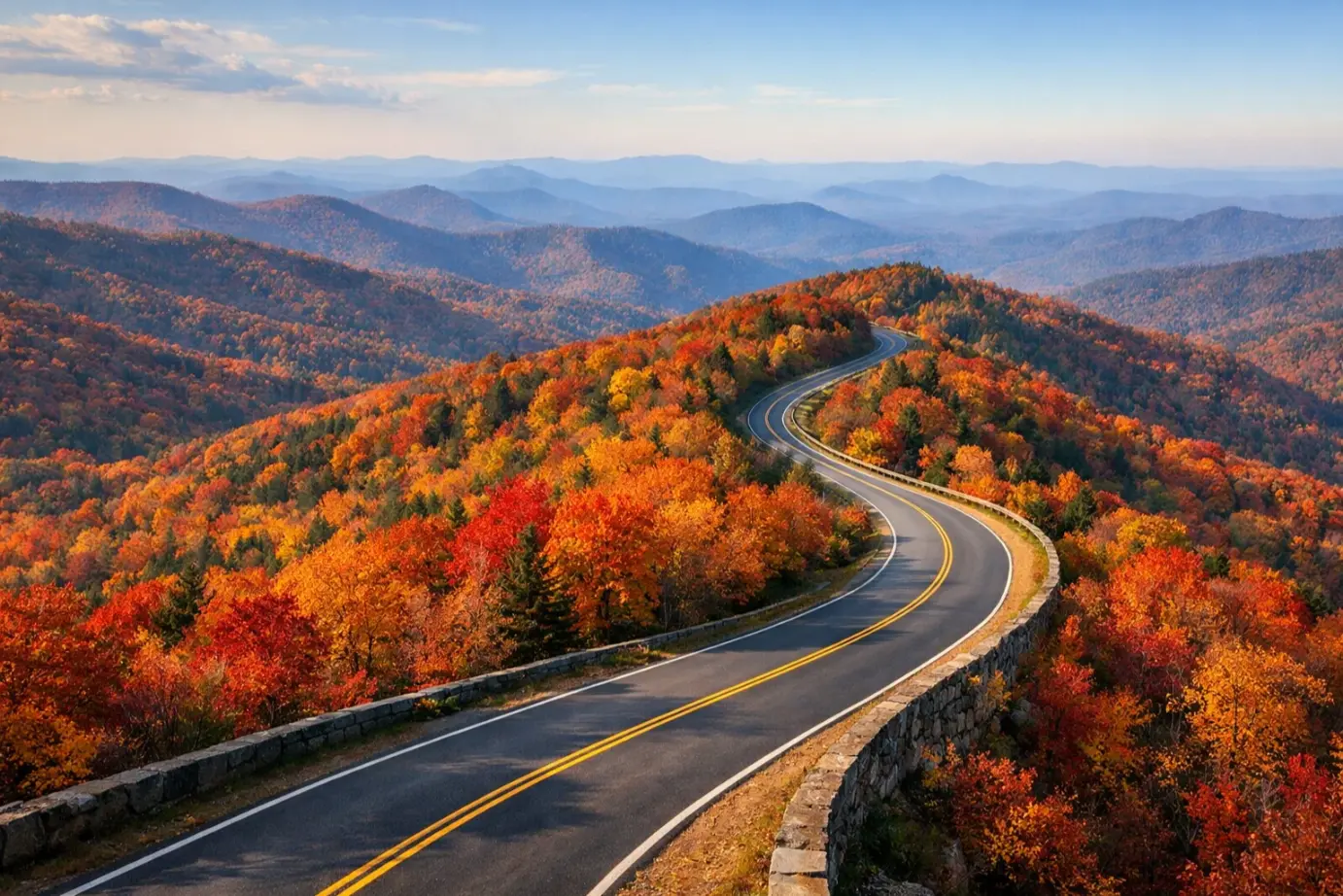
Winding through the Ouachita National Forest in southeastern Oklahoma, the Talimena Scenic Byway is one of the most beautiful drives in the country, especially during the fall. The road stretches for 54 miles along the crest of Winding Stair and Rich Mountains, offering one breathtaking vista after another.
The byway runs from Talihina in Oklahoma to Mena in Arkansas, and the Oklahoma portion alone provides enough scenic stops, hiking trailheads, and overlook pullouts to fill an entire day. In October, the mixed hardwood forest along both sides of the ridge turns every shade of orange, gold, scarlet, and deep burgundy, producing a fall foliage display that competes with anything New England has to offer. Because the road is narrow and winds along the mountain crest, the drive requires patience, but the rewards at every curve justify the pace entirely.
15. The Blue Whale of Catoosa: Route 66’s Most Beloved and Bizarre Roadside Attraction

On Route 66 in the small town of Catoosa, a massive, grinning, turquoise-blue whale rises from a small pond just off the highway and demands to be seen. The Blue Whale was built in the early 1970s by a man named Hugh Davis as a private anniversary gift for his wife, who collected whale figurines. He built the whale over the pond on his property and opened the surrounding area as a free swimming and picnic spot for the local community. It became one of the most iconic roadside attractions on the Mother Road before falling into disrepair and eventually being restored by the people of Catoosa.
The Blue Whale sits at the intersection of genuine American folk art and pure roadside whimsy. It is free to visit, accessible from the highway without any planning required, and the pond around it offers fishing and pleasant walking. For anyone driving Oklahoma’s 44 miles of Route 66, stopping at Catoosa is not optional. It represents everything that makes road trip culture in the American heartland worth celebrating: unexpected, handmade, generous, and completely without pretension.
The Best Way to Experience Hidden Gems in Oklahoma as a First-Timer
The most effective way to explore the hidden gems in Oklahoma is by organizing visits into geographic clusters. The southwestern corner of the state combines the Wichita Mountains Wildlife Refuge, Medicine Park, and the Holy City of the Wichitas into a single day trip. The southeastern corner connects Beavers Bend State Park, Natural Falls State Park, and the Talimena Scenic Byway into a two or three-day mountain itinerary. The northwest pairs Great Salt Plains with Little Sahara State Park and Alabaster Caverns into an overnight road trip that covers terrain unlike anything else in the central United States.
Oklahoma rewards the first-timer who approaches it without assumptions. Many of the most memorable hidden gems in Oklahoma are rarely the ones listed first in a search result and never follow a predictable script. Come with time, come with curiosity, and come prepared to revise every expectation you arrived with.
Conclusion
Oklahoma keeps revealing itself in layers to anyone willing to look beyond the interstate. From the ancient salt flats of the northwest to the pine-covered mountains of the southeast, from a hand-built stone castle behind a waterfall to a Viking inscription on an Ouachita mountainside, the state rewards curiosity in ways that feel personal and unhurried. These 15 hidden gems in Oklahoma offer first-timers not just destinations but experiences that change the way a place is understood. Come with time, come without assumptions, and come prepared to revise everything you thought you knew about the American heartland.
You may also like this post: 10 Best Things To Do In Phoenix Arizona That Will Amaze You
Frequently Asked Questions
What are the most accessible hidden gems in Oklahoma for first-time visitors with limited time? Turner Falls Park near Davis and the Wichita Mountains Wildlife Refuge near Lawton are both within two hours of Oklahoma City and can each be enjoyed in a single day. They represent the natural diversity of Oklahoma more effectively than almost any other individual destination in the state.
Is a car necessary to visit hidden gems in Oklahoma? Yes, a personal vehicle is essential for nearly all of the destinations on this list. Public transportation between rural Oklahoma destinations is either very limited or nonexistent. A road trip format is the most practical and rewarding approach and allows you to combine multiple stops into a single journey.
What is the best season to visit hidden gems in Oklahoma? Spring from March through May and fall from September through November offer the most comfortable temperatures and the most dramatic natural scenery. Crystal digging at the Great Salt Plains runs from April through October. Fall foliage along the Talimena Scenic Byway peaks in mid to late October.
Are there entry fees for Oklahoma state parks and wildlife areas? Most Oklahoma state parks charge a small day-use vehicle fee, typically between five and ten dollars. Federal areas such as the Wichita Mountains Wildlife Refuge and the Chickasaw National Recreation Area are free to enter. Fees and seasonal hours change, so checking the official Oklahoma State Parks website before visiting is always advisable.
Which hidden gem in Oklahoma is most suitable for families with young children? Little Sahara State Park offers ATV rentals for older children and teenagers along with spectacular dune landscapes that younger children find endlessly entertaining. Turner Falls Park with its natural swimming pool and short cave hikes is another family favorite. Chickasaw National Recreation Area with its creek swimming and gentle trails works exceptionally well for families with children of all ages.