

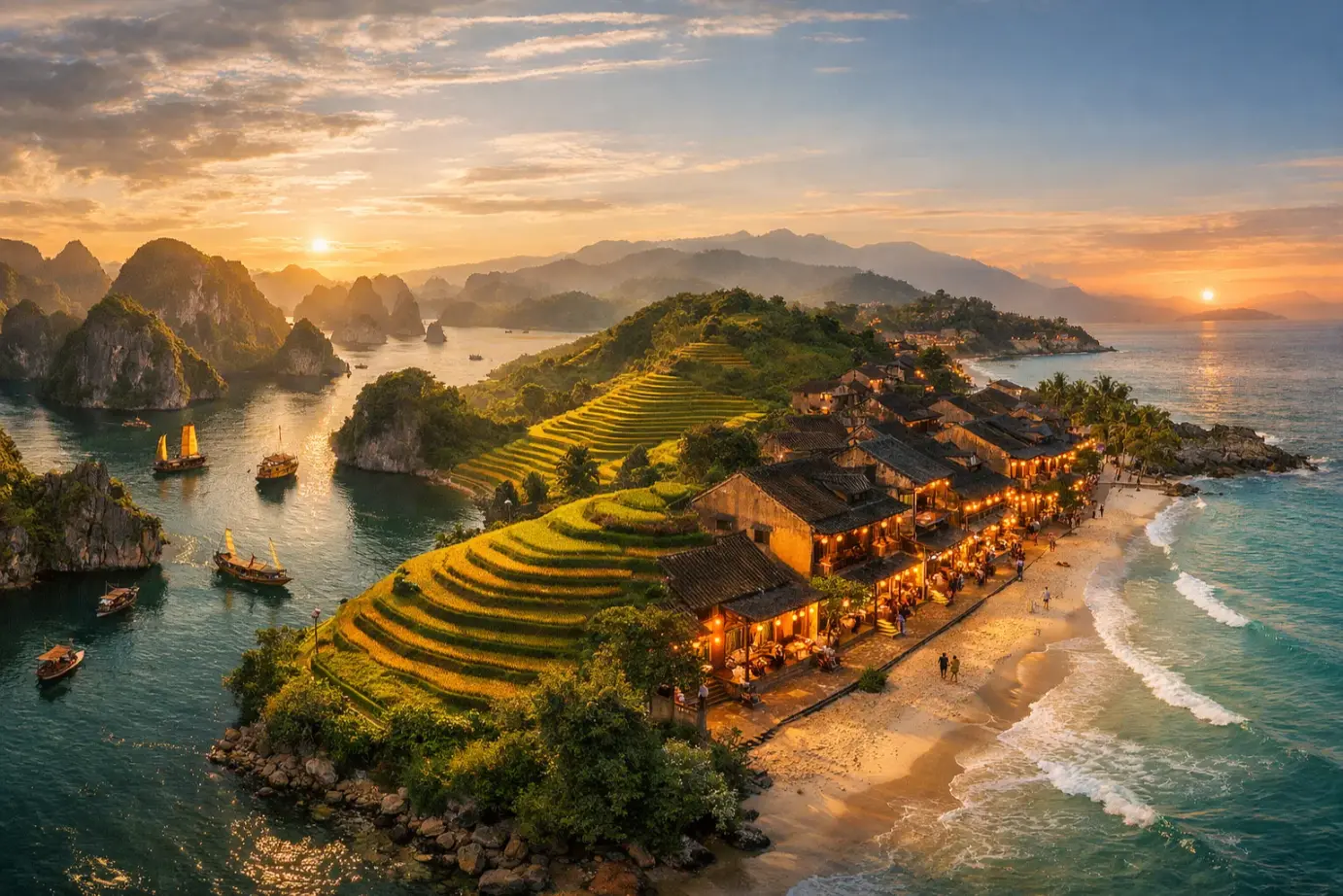
Few countries in the world manage to balance ancient tradition with breathtaking natural beauty quite as gracefully as Vietnam. Stretching more than 1,600 kilometers along the eastern edge of the Indochina Peninsula, this slender, S-shaped nation is a study in contrasts. Misty mountain valleys sit in quiet harmony with bustling urban centers. Colonial-era streets give way to ancient temples. Emerald bays dotted with limestone formations stand in stark contrast to the sun-drenched shores of tropical islands.
Vietnam has emerged as one of Southeast Asia’s most sought-after travel destinations, and for good reason. Whether you are a first-time visitor drawn by the allure of Ha Long Bay or a seasoned traveler seeking the quieter corners of the Central Highlands, this country delivers experiences that stay with you long after you return home. The warmth of the Vietnamese people, the complexity of the cuisine, and the sheer diversity of landscapes make every journey here feel genuinely transformative.
This guide walks you through 10 incredible places to visit in Vietnam, each one capable of anchoring a trip of a lifetime. From north to south, from mountains to coast, these are the destinations that define Vietnam at its very best.
1. Ha Long Bay: A Seascape Unlike Any Other
 What Makes Ha Long Bay So Special
 What Makes Ha Long Bay So Special
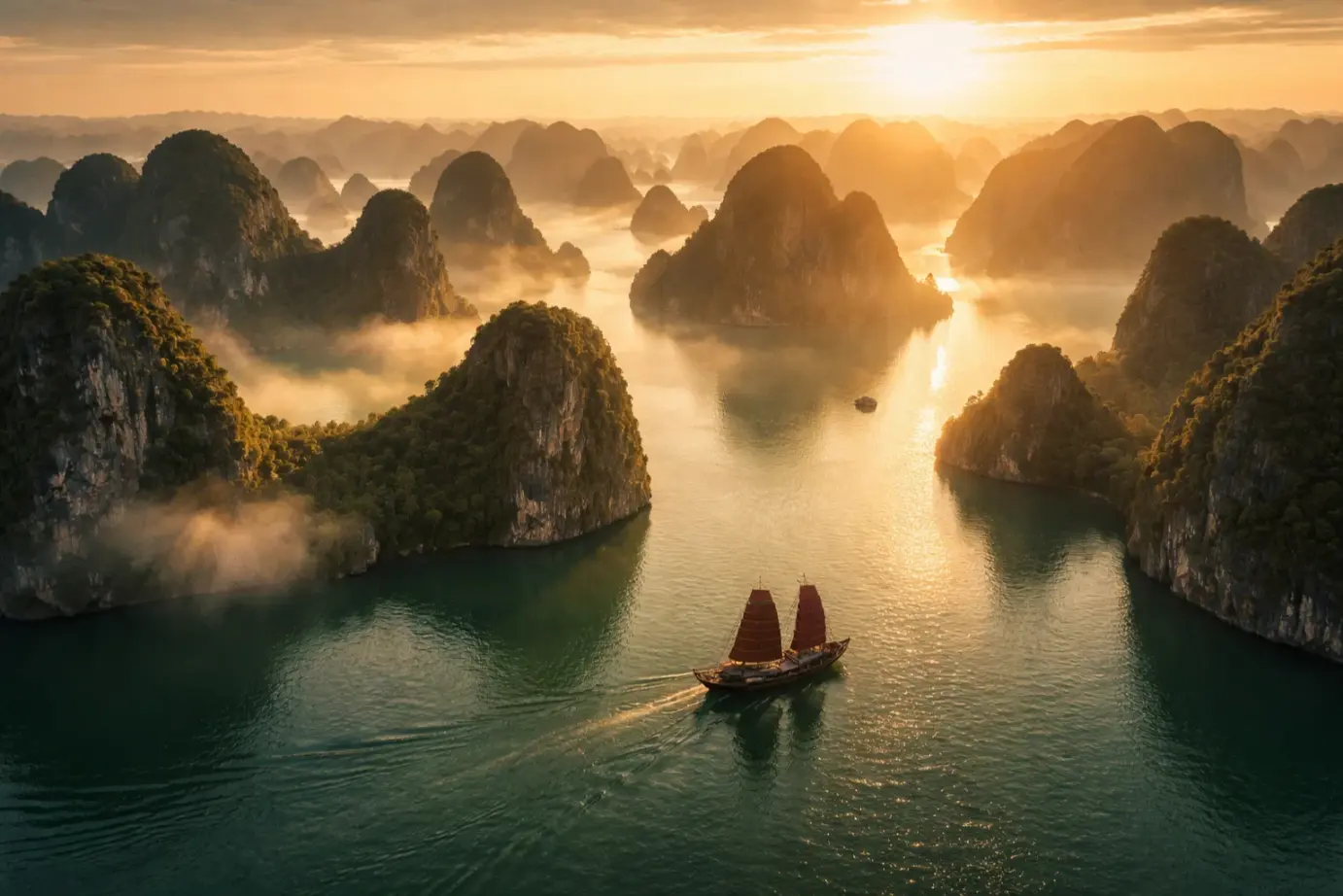
Ha Long Bay is arguably the most iconic image associated with Vietnam, and it earns every bit of that reputation. Located in the Gulf of Tonkin in northeastern Vietnam, it encompasses nearly 1,500 square kilometers of open water scattered with more than 1,600 limestone islands and islets. In 1994, UNESCO designated it a World Heritage Site, recognizing its outstanding universal value both in terms of natural beauty and geological significance.
The best way to experience Ha Long Bay is aboard an overnight cruise. Waking up at dawn to find the boat surrounded by towering karst formations rising from jade-colored water is an experience that is genuinely difficult to put into words. Kayaking through hidden lagoons, exploring the Sung Sot Cave with its cathedral-like chambers, and watching the sun sink behind the silhouetted islands are among the highlights that make this destination unforgettable. Travelers who want to escape the crowds can extend their cruise toward Lan Ha Bay, which offers comparable scenery with far fewer boats.
2. Hanoi: The Soul of the North
Exploring the Old Quarter and Beyond
 Exploring the Old Quarter and Beyond
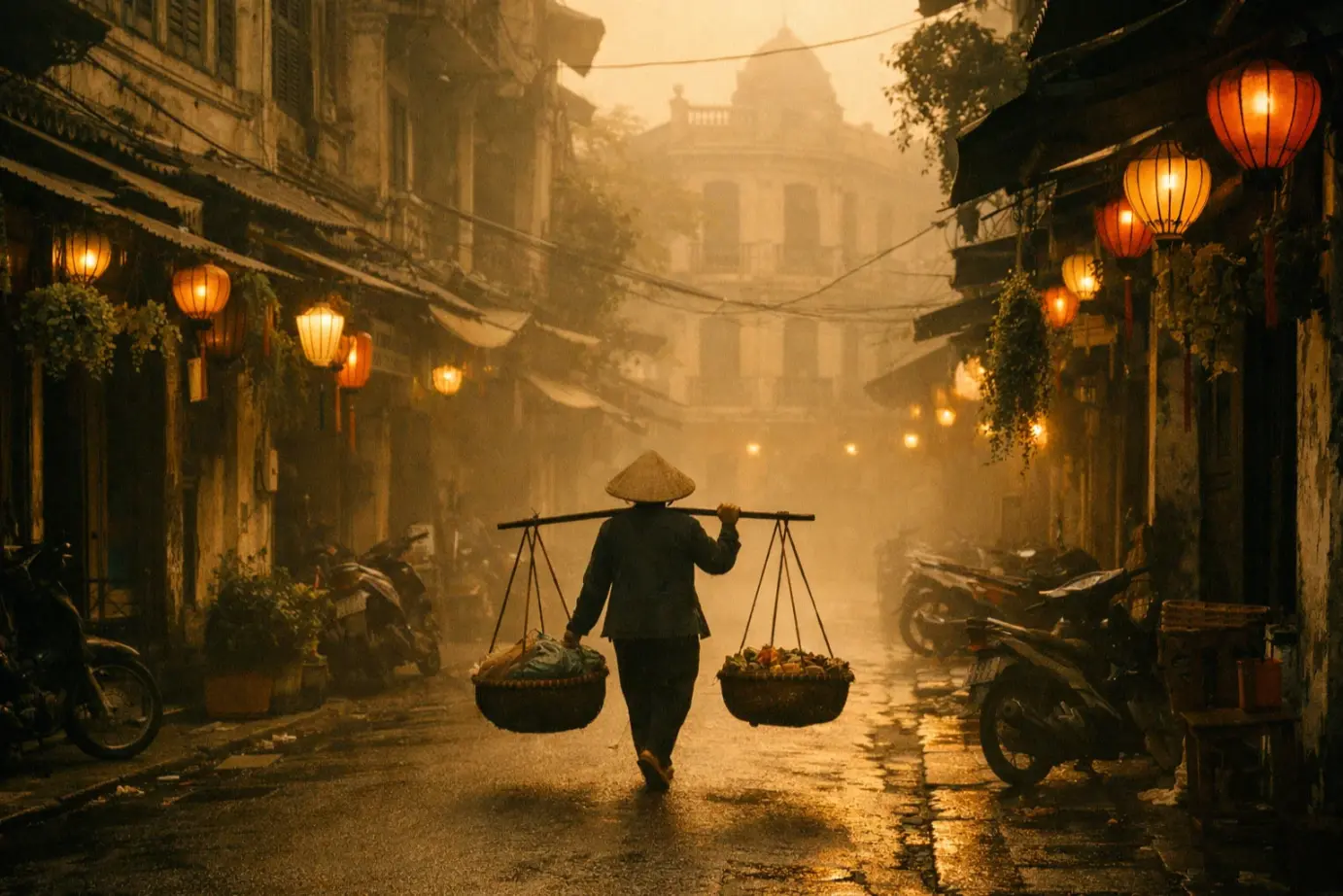
Vietnam’s capital city is a place where centuries-old temples coexist with French colonial boulevards and contemporary coffee culture. Hanoi is not a city that announces itself loudly. Instead, it reveals its character slowly, through narrow alleyways, the aroma of pho drifting from sidewalk kitchens, and the sight of elderly residents performing tai chi beside Hoan Kiem Lake at first light.
The 36 Streets of the Old Quarter remain one of the most compelling urban walking experiences in Asia. Each street was historically dedicated to a specific trade, and traces of this heritage endure today. The Temple of Literature, Vietnam’s first national university dating to 1070, offers a serene counterpoint to the city’s energy. For the adventurous diner, a bowl of bun cha at a local eatery or a glass of bia hoi at a street corner is a rite of passage that connects you to the authentic rhythms of Hanoi life.
3. Hoi An: Where History Glows Lantern-Bright
A UNESCO Town That Captivates Every Visitor
 A UNESCO Town That Captivates Every Visitor
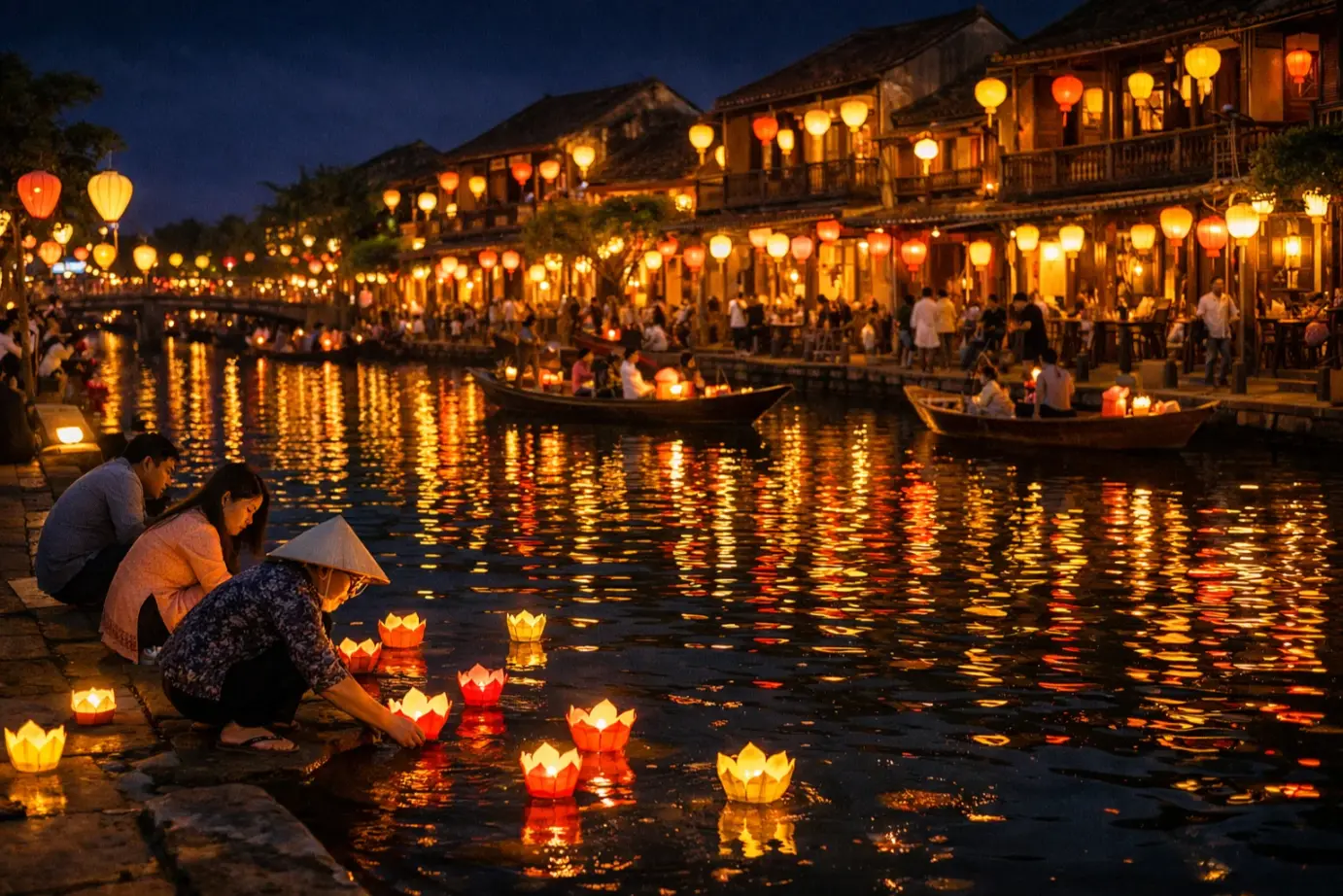
Hoi An’s Ancient Town is one of Southeast Asia’s best-preserved trading ports, and it has an almost dreamlike quality that sets it apart from any other place in Vietnam. Japanese merchant houses, Chinese assembly halls, and colonial-era shopfronts line the streets of this UNESCO World Heritage Site, which served as a major international port from the 15th to the 19th century.
What makes Hoi An especially memorable is the atmosphere it creates after dark. On the 14th day of each lunar month, the town dims its electric lights and fills the streets with silk lanterns that cast warm reflections across the Thu Bon River. Visitors release flower-adorned lanterns onto the water and wander among candlelit stalls selling handmade goods. During the day, Hoi An rewards exploration through its tailoring shops, cooking classes, and the beloved banh mi stalls that helped put the town’s cuisine on the global map.
4. Ho Chi Minh City: Energy, History, and Street Food
Vietnam’s Pulsing Southern Metropolis
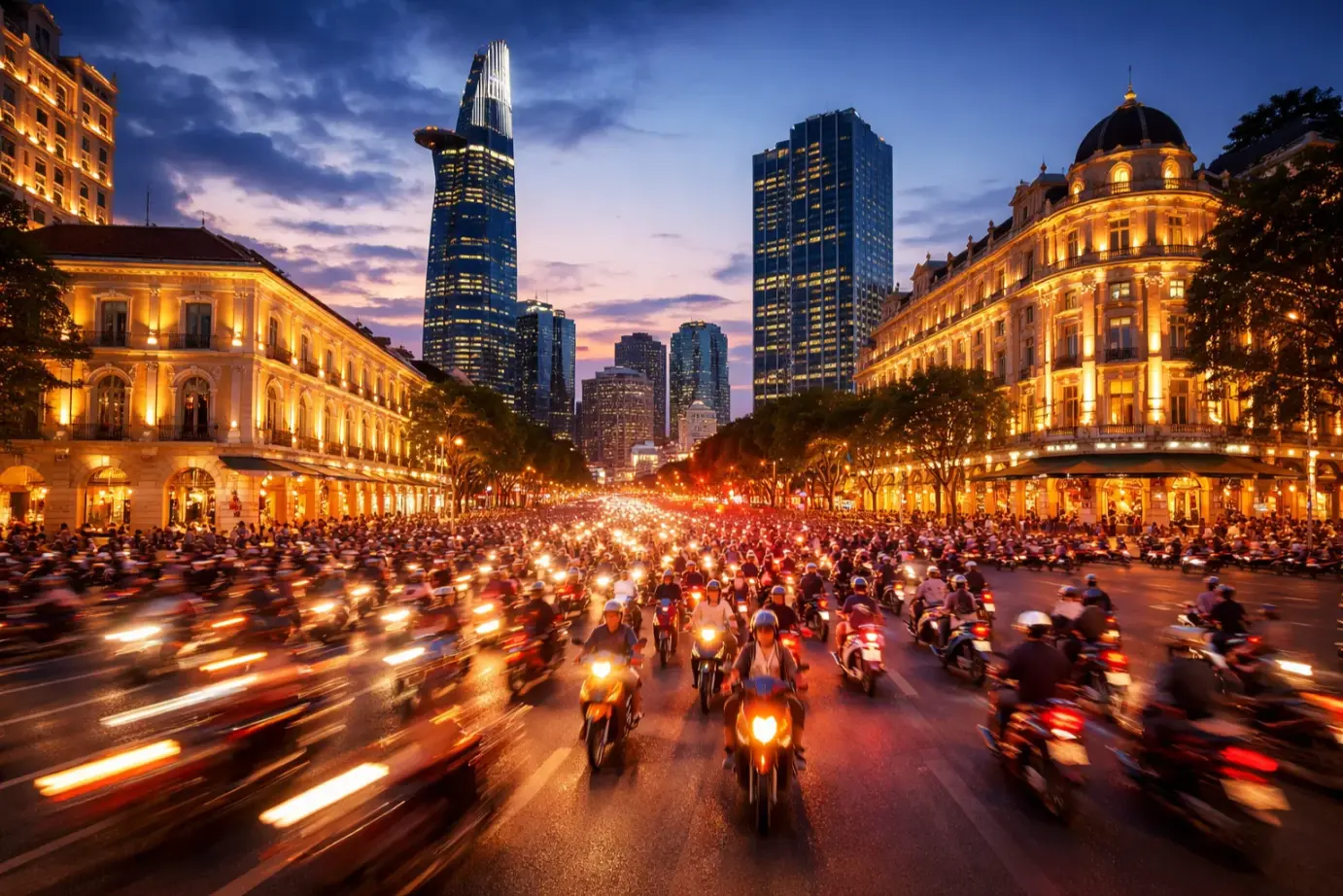 Vietnam’s Pulsing Southern Metropolis
Formerly known as Saigon, Ho Chi Minh City is the economic heartbeat of Vietnam and one of the most dynamic cities in the whole of Southeast Asia. The streets here move at a pace that can feel overwhelming at first, with millions of motorbikes flowing through intersections in a choreography that seems impossible yet somehow works. Crossing the road becomes its own small adventure.
Beneath the city’s kinetic surface lies a profound history. The War Remnants Museum offers one of the most sobering and important accounts of the Vietnam War available anywhere in the country, presented through photographs and artifacts that leave a lasting impression. The Cu Chi Tunnels, located about 70 kilometers from the city center, allow visitors to explore the extraordinary underground network used by the Viet Cong during the war. After absorbing these historical lessons, a walk through the French colonial District 1 or an evening in the rooftop bars overlooking the skyline restores a sense of the city’s remarkable forward momentum.
5. Sapa: Trekking Through Vietnam’s Mountain Heartland
Rice Terraces, Ethnic Cultures, and Cloud-Wrapped Peaks
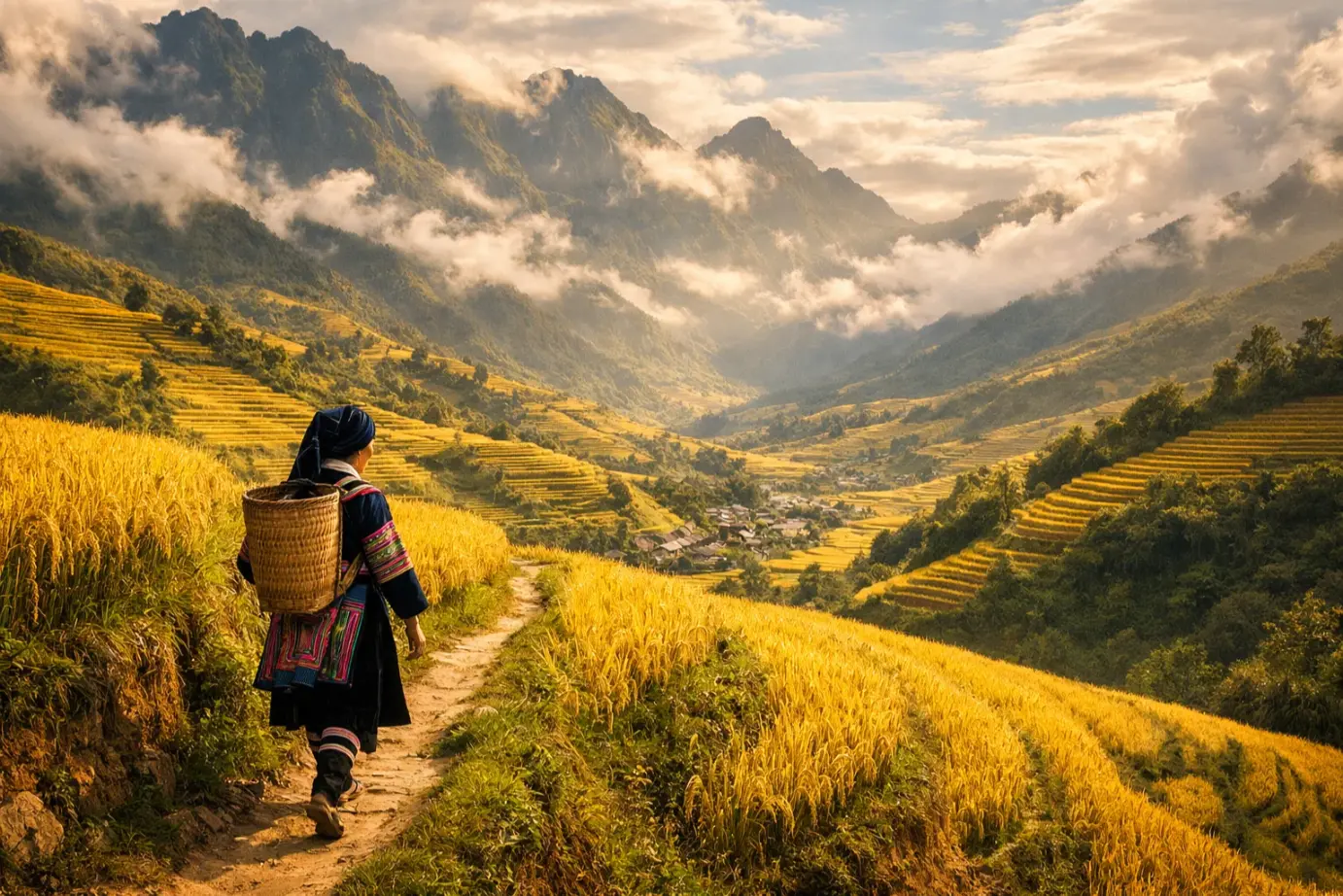 Rice Terraces, Ethnic Cultures, and Cloud-Wrapped Peaks
Sapa sits in the Hoang Lien Son Mountains of northwestern Vietnam, close to the Chinese border, and it offers a version of the country that could not be more different from the coastal lowlands. The town itself perches at an elevation of around 1,500 meters and serves as the gateway to some of the country’s most dramatic highland scenery.
The terraced rice paddies carved into the hillsides of the Muong Hoa Valley are among the most photogenic landscapes in all of Vietnam, particularly during the harvest season in September and October when the fields turn a rich shade of gold. Trekking through villages inhabited by the Hmong, Dao, and Tay ethnic minorities provides not just physical challenge but genuine cultural connection. Local guides, often from these communities themselves, offer insight into ways of life that have endured for generations. Fansipan, the highest peak in Indochina at 3,143 meters, can be summited via cable car or, for the truly committed, a multi-day trek.
6. Hue: The Imperial City of the Nguyen Dynasty
Royal Tombs, Ancient Citadels, and Central Vietnamese Cuisine
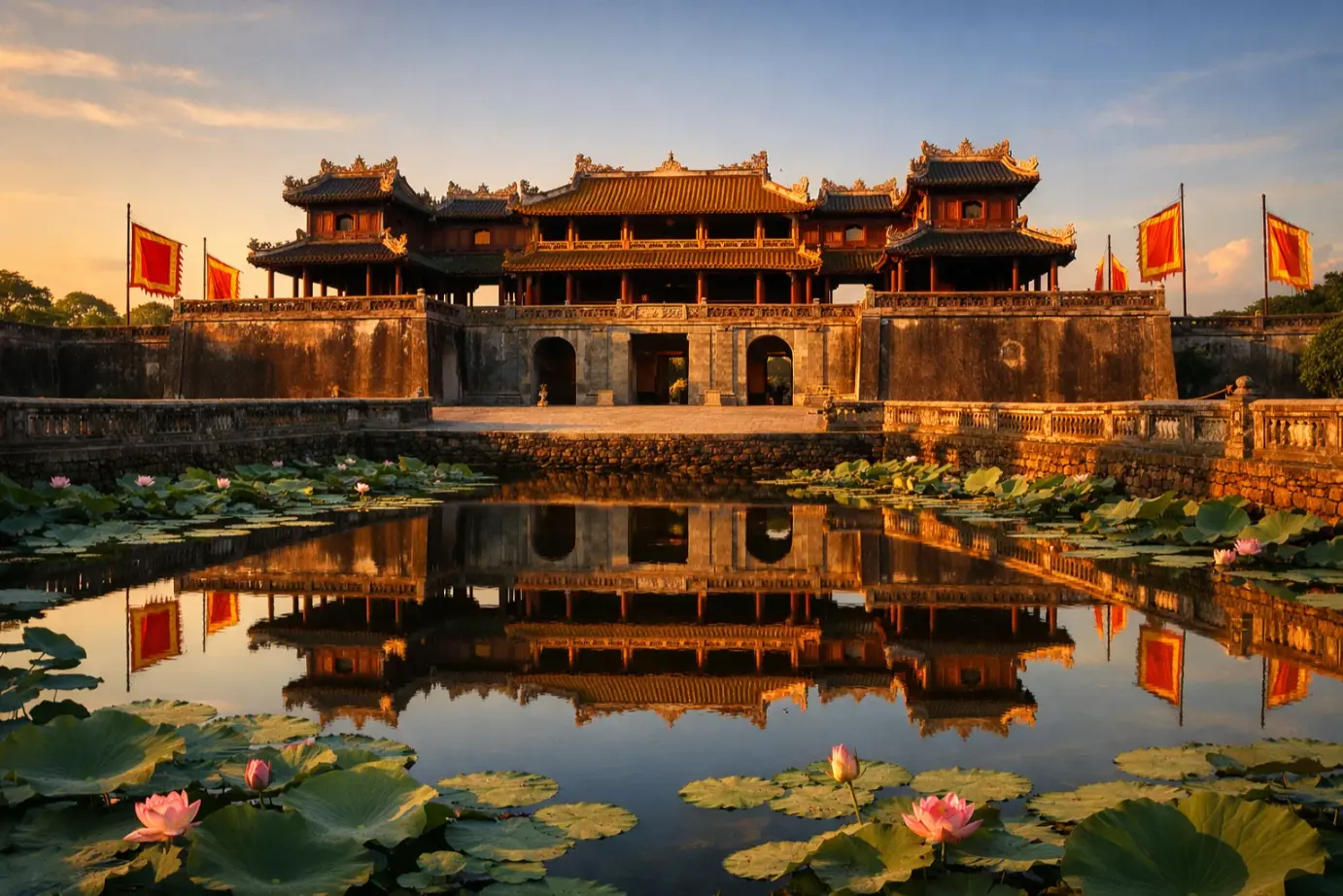 Royal Tombs, Ancient Citadels, and Central Vietnamese Cuisine
Hue served as Vietnam’s imperial capital from 1802 to 1945 under the Nguyen dynasty, and the city has never quite let go of its regal bearing. Situated along the Perfume River in central Vietnam, Hue is home to an Imperial Citadel that once housed the emperor’s court and that remains one of the country’s most important historical sites despite suffering significant damage during the Tet Offensive of 1968.
Beyond the Citadel, Hue’s surroundings are dotted with the ornate royal tombs of successive Nguyen emperors, each one a miniature world of pavilions, lakes, and ceremonial gates. The tomb of Khai Dinh, with its striking mosaic work and fusion of Vietnamese and European architectural styles, is particularly remarkable. Hue is also considered the birthplace of some of Vietnam’s most refined culinary traditions. Bun bo Hue, a spicy beef noodle soup, and the delicate banh beo steam cakes are dishes that reflect the city’s historical connection to imperial court cuisine.
7. Phong Nha-Ke Bang National Park: The Underground World
Home to the World’s Largest Cave System
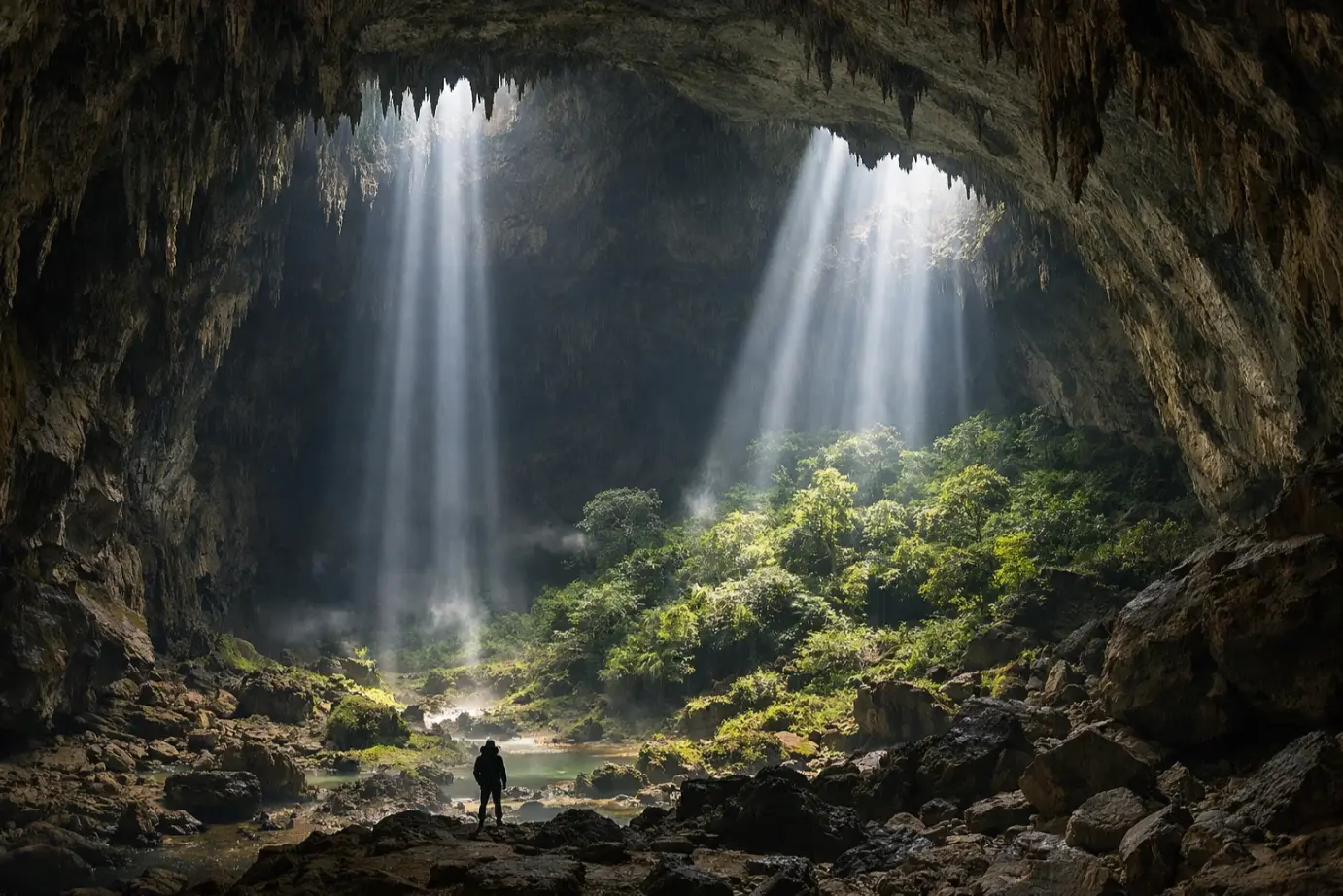 Home to the World’s Largest Cave System
Central Vietnam’s Phong Nha-Ke Bang National Park contains the most remarkable cave system on earth. Declared a UNESCO World Heritage Site in 2003 and extended in 2015, the park is underlain by karst limestone that has been sculpted over millions of years into caverns of extraordinary scale and beauty. Son Dong Cave, discovered by a local farmer in 1991 and first fully explored in 2009, is so vast that it has its own internal weather system, including clouds and a jungle growing inside.
Access to Son Dong is strictly limited and requires joining an organized expedition that books out years in advance, but more accessible caves such as Paradise Cave and Phong Nha Cave offer experiences that are no less awe-inspiring. Guided adventure tours include kayaking underground rivers, ziplining above dense jungle canopy, and camping inside cave systems, making Phong Nha a destination that genuinely pushes the boundaries of what a travel experience can be.
8. Da Nang: The Gateway City That Stands on Its Own
Beaches, Marble Mountains, and Modern Ambition
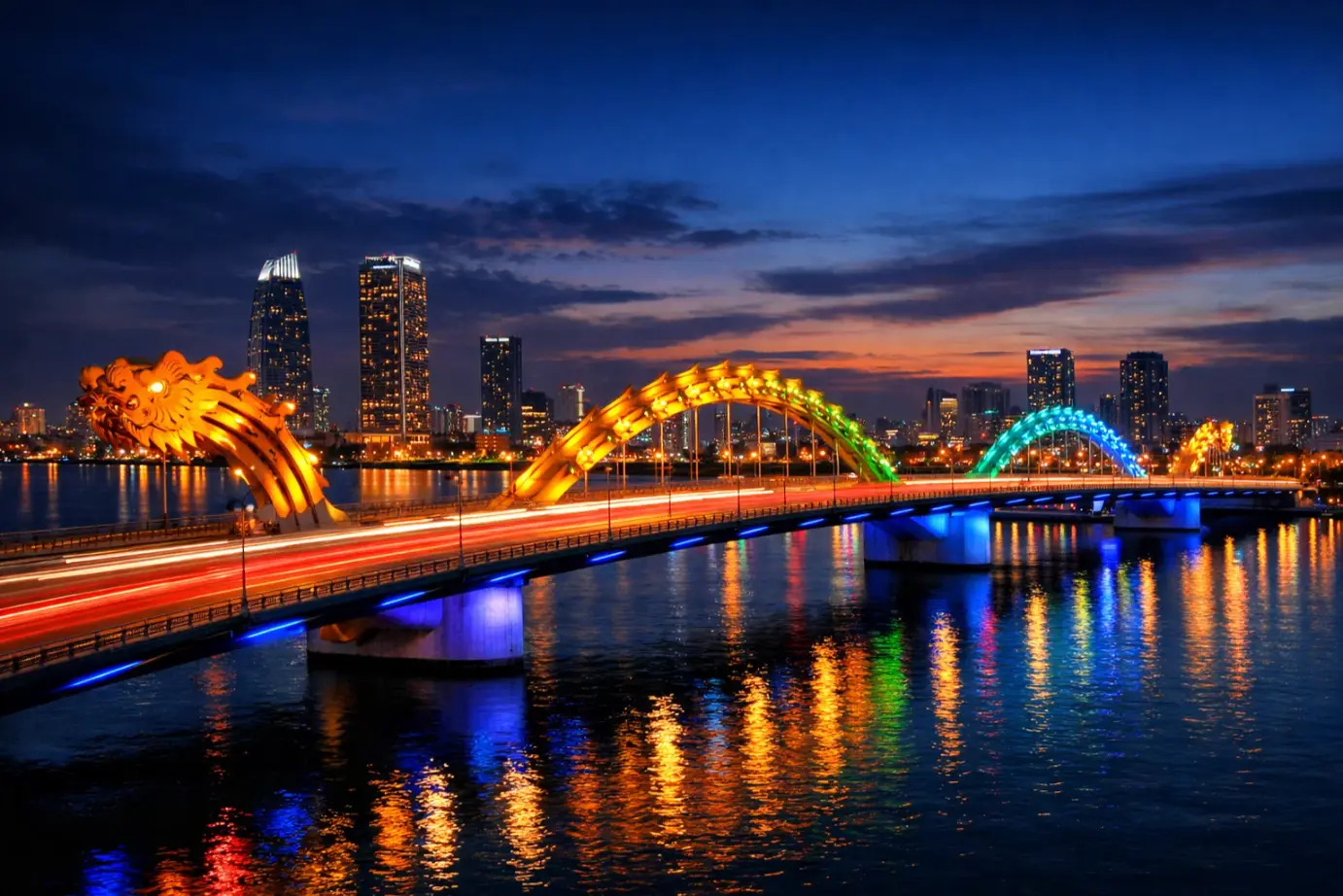 Beaches, Marble Mountains, and Modern Ambition
Da Nang is often treated purely as a transit point between Hue and Hoi An, but this coastal city deserves far more attention than a quick stopover allows. Situated along My Khe Beach, consistently ranked among the finest stretches of sand in Asia, Da Nang has transformed itself in recent decades into a confident, modern city that balances resort infrastructure with genuine character.
The Marble Mountains, a cluster of five limestone and marble hills just south of the city, contain caves, Buddhist sanctuaries, and panoramic viewpoints that reward a half-day of exploration. The Dragon Bridge, which breathes fire and water on weekend evenings, has become an emblem of Da Nang’s contemporary energy. The Ba Na Hills mountain resort, accessible by cable car, transports visitors to a French village in the clouds complete with the famous Golden Bridge held aloft by two giant stone hands, an image that has circulated widely around the world.
9. The Mekong Delta: Life on the Water
Floating Markets, Orchards, and River Villages
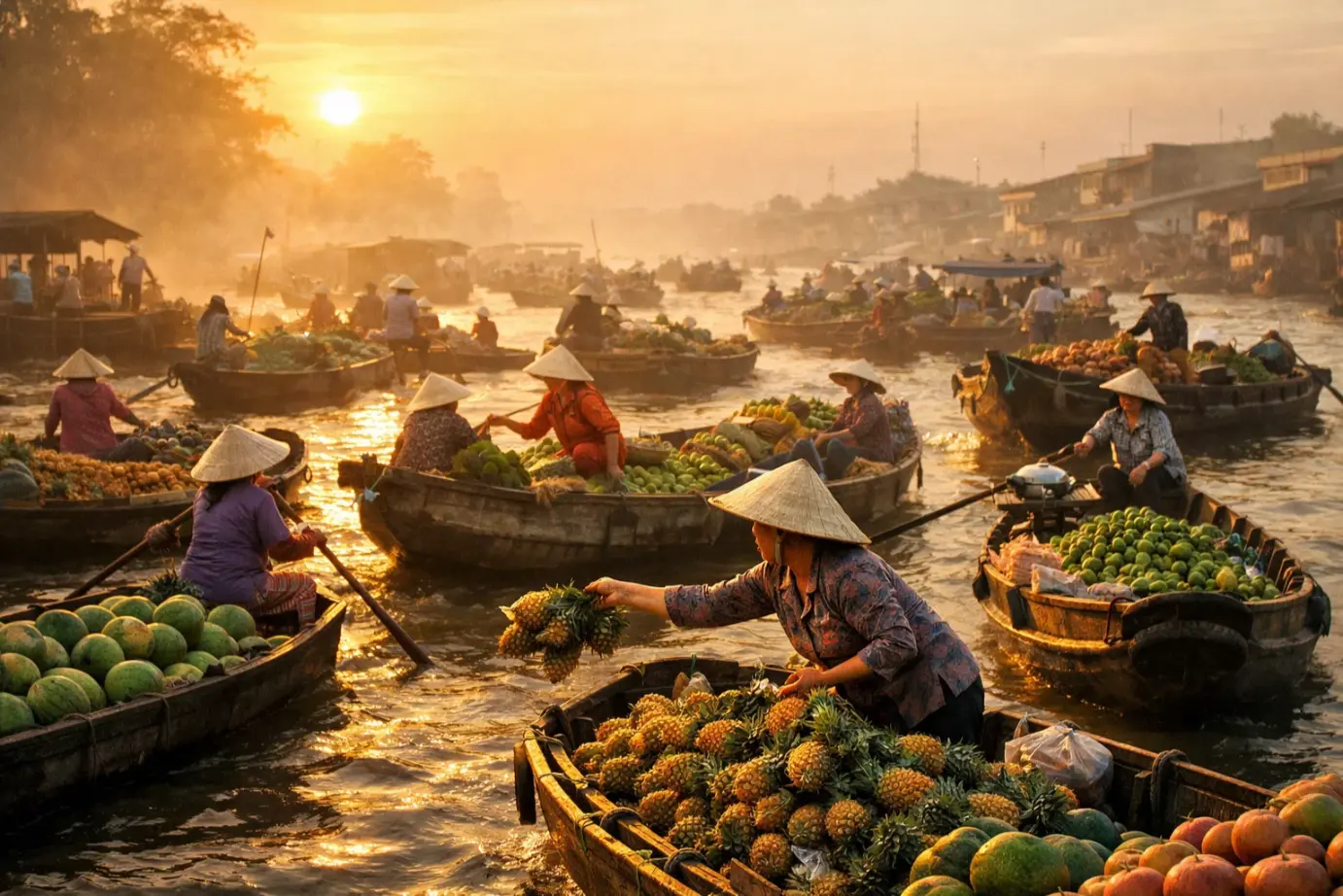 Floating Markets, Orchards, and River Villages
The Mekong Delta in southern Vietnam is the country’s agricultural heartland, a vast network of rivers, canals, and islands where life has always been organized around the rhythm of the water. The delta produces the majority of Vietnam’s rice, tropical fruits, and fish, and traveling through it by boat offers a window into rural Vietnamese life that no city can replicate.
The floating markets at Cai Rang near Can Tho are best experienced at dawn, when wooden boats laden with fruit and vegetables crowd together on the river and traders call out their wares in the early morning light. Cycling along narrow dykes between paddy fields, visiting workshops where rice paper and coconut candy are made by hand, and staying overnight with a local family are the kinds of experiences that make the Mekong Delta one of the most authentic and humanizing places to visit in Vietnam.
10. Phu Quoc Island: Vietnam’s Tropical Paradise
White Sands, Coral Reefs, and Sunset Cocktails
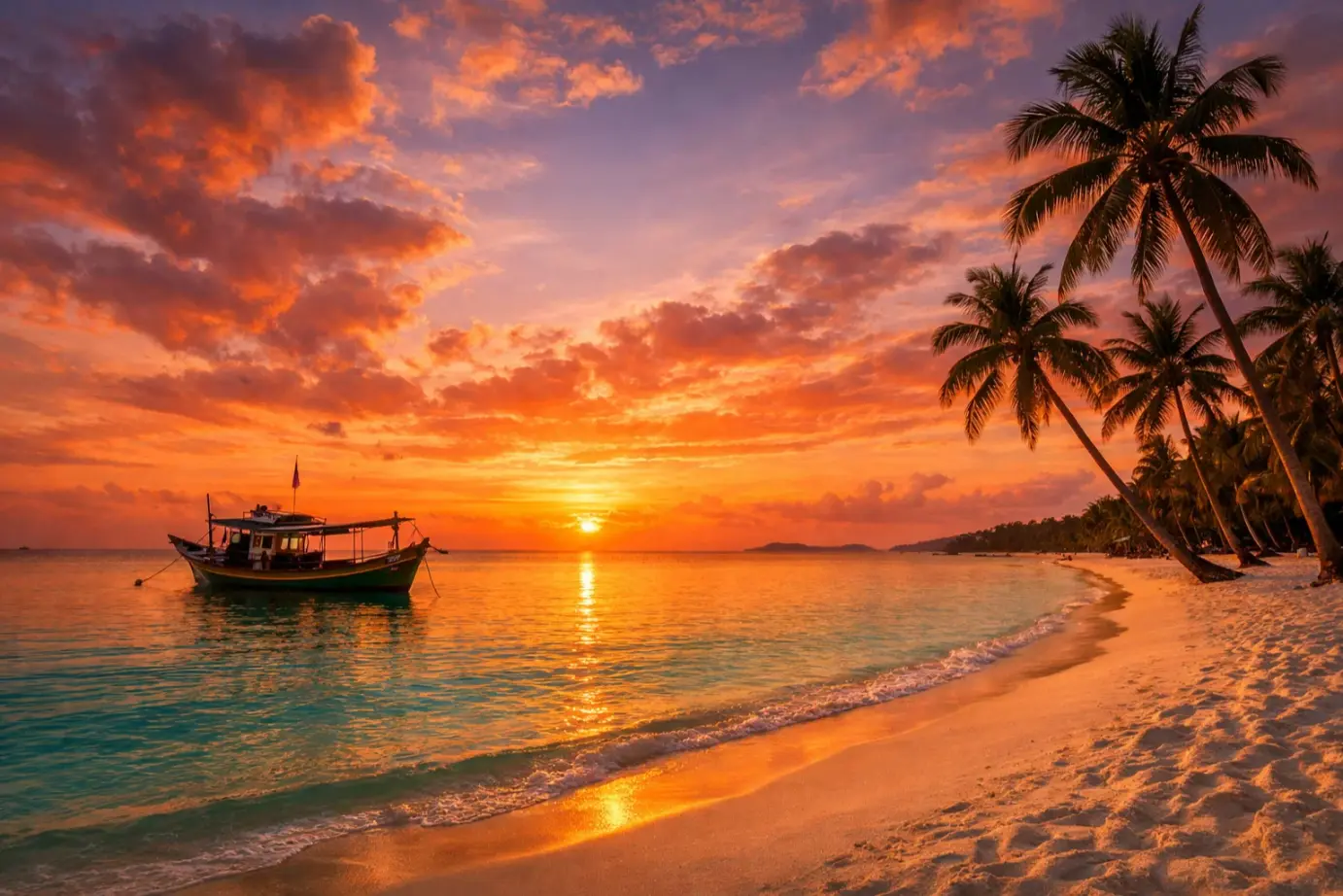 White Sands, Coral Reefs, and Sunset Cocktails
Vietnam’s largest island, Phu Quoc sits in the Gulf of Thailand close to the Cambodian coast and has developed rapidly over the past decade into one of the region’s premier places to visit in Vietnam. Yet despite the growth of resort infrastructure on its northern and southern shores, much of Phu Quoc retains the feel of a tropical island that has not yet been fully tamed.
Long Beach on the western coast offers calm waters and a line of restaurants and bars where fresh seafood is grilled to order and the sunsets are reliably spectacular. The Phu Quoc National Park covers more than half the island and protects a swath of primary forest laced with hiking trails, making it one of the most rewarding places to visit in Vietnam for nature lovers.
Snorkeling and diving around the An Thoi archipelago to the south reveal reefs alive with coral and marine life, while the night market in Duong Dong town immerses visitors in the sights, sounds, and flavors of island life after dark, rounding off an experience that confirms why Phu Quoc remains among the most beloved places to visit in Vietnam for travelers seeking both adventure and relaxation.
Conclusion
Vietnam rewards those who give it time and attention with one of the richest travel experiences available anywhere in the world. The ten places to visit in Vietnam described in this guide represent the country at the height of its diversity, from the cloud-capped highlands of Sapa to the sun-bleached shores of Phu Quoc, from the imperial grandeur of Hue to the subterranean wonder of Phong Nha. Each destination tells a different story, and together they form a portrait of a nation that has every reason to be proud of its past and confident about its future.
Planning a trip to Vietnam does not need to be complicated, but it does benefit from some advance thought about which regions to prioritize, how much time to allocate, and what kind of traveler you are. Among all the places to visit in Vietnam, whether you are drawn to history, food, landscapes, or simply the spirit of adventure, this country has a habit of exceeding expectations and inspiring return visits. The trip of a lifetime is waiting, and for every traveler who has ever wondered which places to visit in Vietnam first, the answer is simple: start anywhere, because every corner of this extraordinary country will leave you wanting more.
You may also like this post: Ireland Travel Guide: 8 Best Places to Visit in Ireland
Frequently Asked Questions
1. What is the best time of year to visit Vietnam?
Vietnam’s climate varies considerably from north to south. As a general rule, February through April offers pleasant conditions across most of the country. The north is best visited between October and April, while the south and Mekong Delta are ideal during the dry season from November to April. Central Vietnam sees heavy rainfall from September to December, so planning around that window is advisable for visits to Hoi An and Hue.
2. Do I need a visa to visit Vietnam?
Visa requirements vary by nationality. Citizens of many countries are eligible for an e-visa obtained online before travel. Vietnam has also expanded its visa-exempt list in recent years, allowing certain nationalities to enter for stays of 45 days or more without a visa. Checking current requirements through official Vietnamese immigration channels before travel is always recommended.
3. Is Vietnam a safe country to visit?
Vietnam is considered one of the safer destinations in Southeast Asia. Violent crime against tourists is rare and the Vietnamese people are widely regarded as welcoming. Standard precautions apply in busy areas, and traffic in Hanoi and Ho Chi Minh City is the most commonly cited concern for newcomers. Pedestrians should cross roads slowly and steadily, allowing motorbikes to navigate around them.
4. How should I get around Vietnam?
Vietnam offers options for every budget. The open bus ticket allows affordable city-hopping along the main tourist route. Train travel on the Reunification Express between Hanoi and Ho Chi Minh City is scenic and comfortable, with overnight sleeper cars available. Budget domestic airlines such as VietJet and Bamboo Airways offer frequent and affordable flights. For shorter distances, app-based taxis like Grab are reliable and transparent in pricing.
5. What are the must-try foods in Vietnam?
Vietnamese cuisine is one of the most celebrated in the world. Pho, the fragrant noodle soup typically eaten for breakfast in the north, is the dish most closely associated with the country internationally. Banh mi reflects the French colonial heritage and comes stuffed with a variety of fillings. Bun bo Hue is a spicier noodle soup from the central region, fresh spring rolls known as goi cuon are a lighter option throughout the south, and com tam, broken rice with grilled pork, is a staple of Ho Chi Minh City street dining that should not be missed.