

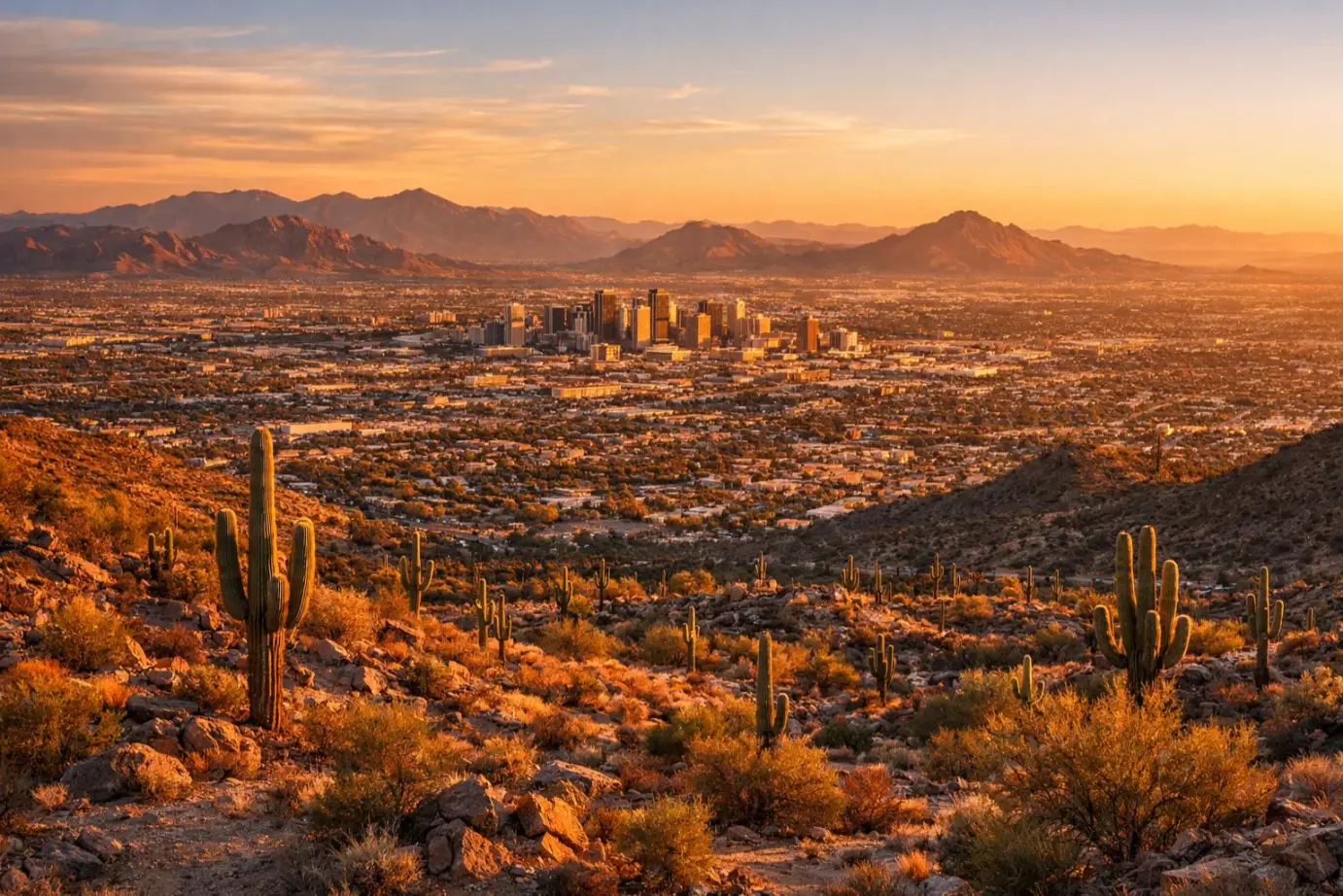
Phoenix, Arizona is one of those cities that tends to surprise people. Most first-time visitors expect a flat, sun-baked sprawl with little more than cacti and heat. What they find instead is a city teeming with cultural depth, natural drama, award-winning food, and outdoor adventures that stretch across one of the most visually striking landscapes in North America.
The Sonoran Desert is not just a backdrop here. It is a living, breathing character woven into nearly every experience the city has to offer.Whether you are planning a winter escape from colder climates, a family vacation, a solo adventure, or a romantic getaway,
Phoenix delivers on every front. The city enjoys more than 300 days of sunshine annually, making it one of the most reliably pleasant destinations in the United States. And with a metropolitan area that includes Scottsdale, Tempe, and Mesa, your options expand even further. This guide covers the 10 best things to do in Phoenix Arizona, chosen not just for their popularity but for the genuine sense of wonder they inspire in visitors.
1. Hike Camelback Mountain


Few experiences in Phoenix leave a more lasting impression than summiting Camelback Mountain. Rising sharply from the surrounding desert, this iconic landmark sits right in the heart of the city and offers two trails: Echo Canyon and Cholla. Neither is easy. Both are absolutely worth the effort.
Echo Canyon is the more popular of the two, offering a steeper but shorter climb to the 2,704-foot summit. Cholla Trail approaches from the east and tends to be less crowded, though it covers more distance. From the top, you are rewarded with panoramic views of the entire Valley of the Sun, stretching in every direction across a sea of rooftops, mountain ridges, and desert haze. On clear mornings, the view is genuinely breathtaking.
When to Go and What to Bring
Timing matters enormously in Phoenix. During summer months, temperatures regularly climb past 110 degrees Fahrenheit, making early morning the only safe window for a hike. Aim to begin before 7 a.m. and carry at least two liters of water per person. From November through March, the weather is far more forgiving, and the trails draw hikers of all fitness levels throughout the day.
2. Explore the Desert Botanical Garden
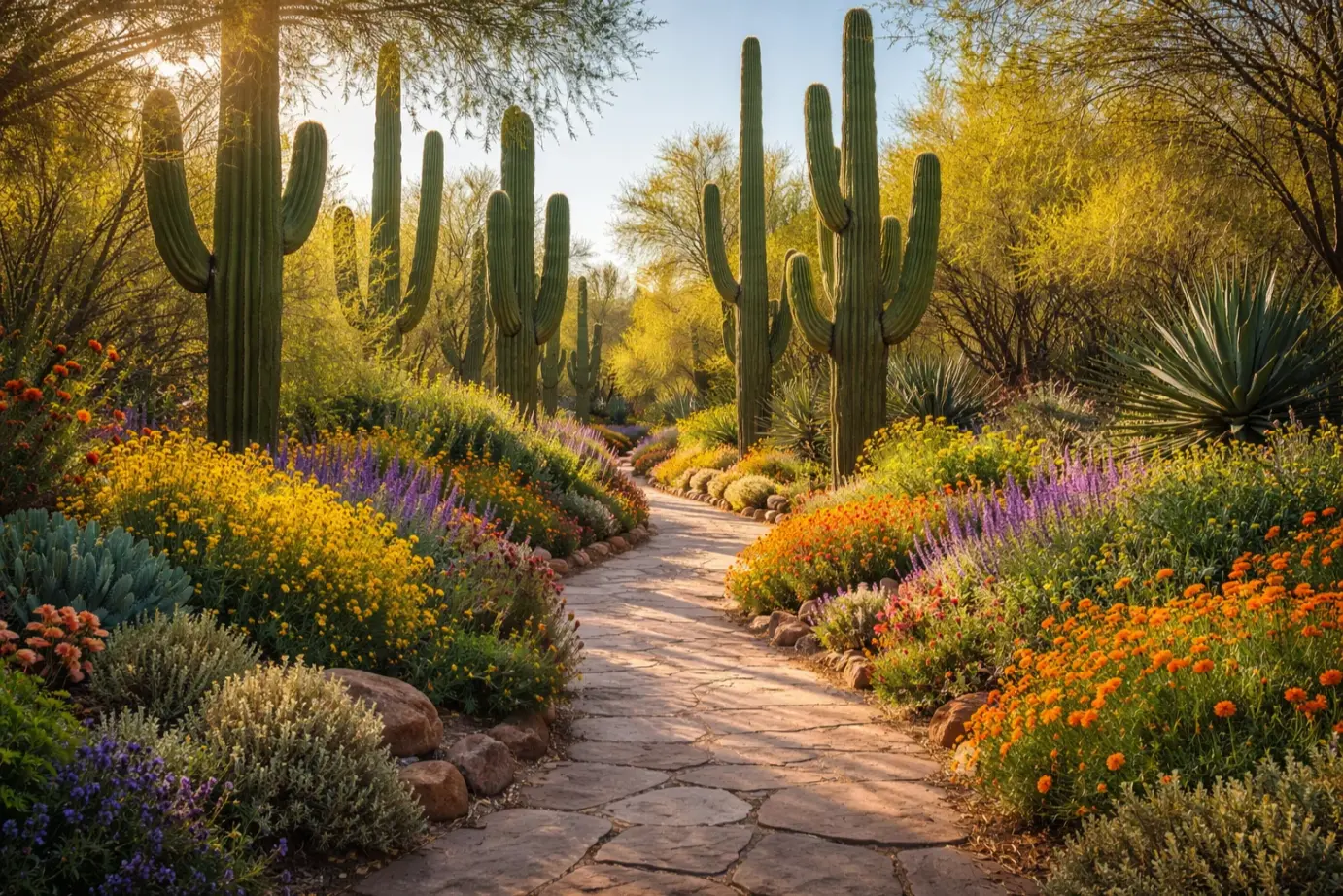
Located within Papago Park, the Desert Botanical Garden is one of the finest of its kind anywhere in the world. The garden spans 140 acres and contains more than 50,000 plants representing desert environments from across the globe, including a remarkable concentration of species native to the Sonoran Desert.
What makes this garden exceptional is not just the scale of its collection but the way it invites visitors to genuinely connect with the landscape. Winding trails lead past towering saguaro cacti, delicate wildflowers, rare succulents, and sculptural desert trees. The garden also hosts a rotating calendar of special events, including the beloved Las Noches de las Luminarias during the holiday season, when thousands of candles illuminate the paths after dark.
3. Visit the Heard Museum

For anyone interested in the history, art, and living cultures of Native American peoples, the Heard Museum stands as one of the most significant institutions in the country. Founded in 1929, the museum holds one of the most comprehensive collections of Native American art and cultural objects in the world, with a particular emphasis on the indigenous peoples of the Southwest.
Exhibits range from ancient pottery and jewelry to contemporary fine art, photography, and film. The museum does not treat Native cultures as relics of the past. It presents them as living, evolving traditions with an unbroken thread connecting past and present. The annual World Championship Hoop Dance Contest, held on the museum grounds each February, draws competitors and spectators from across North America and is a genuinely unforgettable spectacle.
4. Take a Hot Air Balloon Ride Over the Sonoran Desert

There are few ways to experience the Sonoran Desert more magnificently than from above. Hot air balloon rides launch from various points around the Phoenix area, typically at dawn when the air is calm and the light is extraordinary. As you drift silently over saguaro forests, dry riverbeds, and mountain ranges, the scale of the desert becomes fully apparent in a way that no photograph can capture.
Most flights last approximately one hour and conclude with a traditional champagne or sparkling cider toast. Several reputable operators run daily flights from October through April, with some also flying during cooler summer mornings. It is one of those experiences that consistently tops the lists of things visitors say they would do again without hesitation.
5. Tour Taliesin West

Frank Lloyd Wright spent his winters in the Arizona desert, and what he built during those seasons became one of his most celebrated achievements. Taliesin West, located in the foothills of Scottsdale, served as Wright’s winter home, studio, and architectural laboratory from 1937 until his death in 1959. Today it operates as a working architecture school and museum, and it is a UNESCO World Heritage Site.
The Architecture of Taliesin West
What strikes visitors most immediately is how naturally the buildings emerge from the landscape. Wright used local desert stone, sand, and redwood to construct structures that feel almost geological, as though they grew from the ground rather than being placed upon it. The guided tours are genuinely educational, tracing Wright’s philosophy of organic architecture and explaining how the desert itself shaped his most enduring ideas.
6. Wander Through Old Town Scottsdale

Old Town Scottsdale sits just east of Phoenix and occupies a world of its own. The historic district blends Western heritage with upscale contemporary culture in a way that feels distinctly Arizonan. Along its walkable streets, you will find art galleries displaying everything from traditional Southwestern landscapes to cutting-edge contemporary work, boutique shops selling handcrafted turquoise jewelry and cowboy gear, and restaurants ranging from casual taco spots to nationally recognized fine dining establishments.
The nightlife in Old Town is equally lively. A dense concentration of rooftop bars, lounges, and live music venues keeps the area buzzing well into the night, particularly on weekends. For first-time visitors, spending a full afternoon and evening here provides an excellent cross-section of what the greater Phoenix area is all about.
7. Discover the Musical Instrument Museum
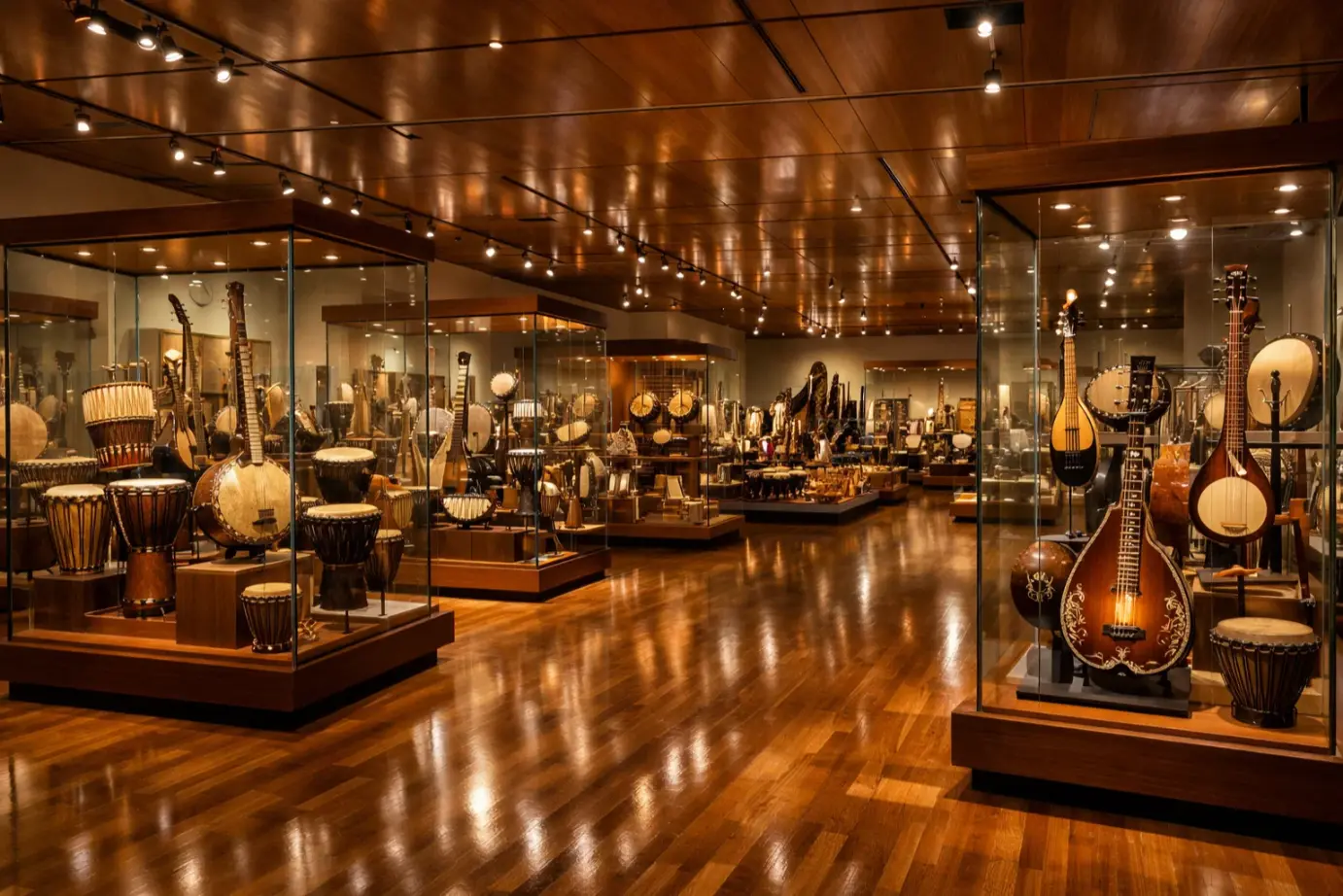
The Musical Instrument Museum is one of Phoenix’s most beloved and genuinely unique cultural institutions. It is the largest museum of its kind in the world, housing a collection of more than 15,000 instruments from nearly every country on the planet.
What separates this museum from a typical collection is its immersive approach. As you move through galleries organized by geographic region, wireless headphones allow you to hear each instrument being played in its cultural context, accompanied by video footage of performances. You hear a kora from West Africa, a sitar from India, a steel drum from Trinidad, all played by master musicians in their home environments. The Artist Gallery section features instruments owned and played by icons including Elvis Presley, John Lennon, and Taylor Swift. Plan to spend at least two to three hours here.
8. Experience the Phoenix Zoo and Papago Park
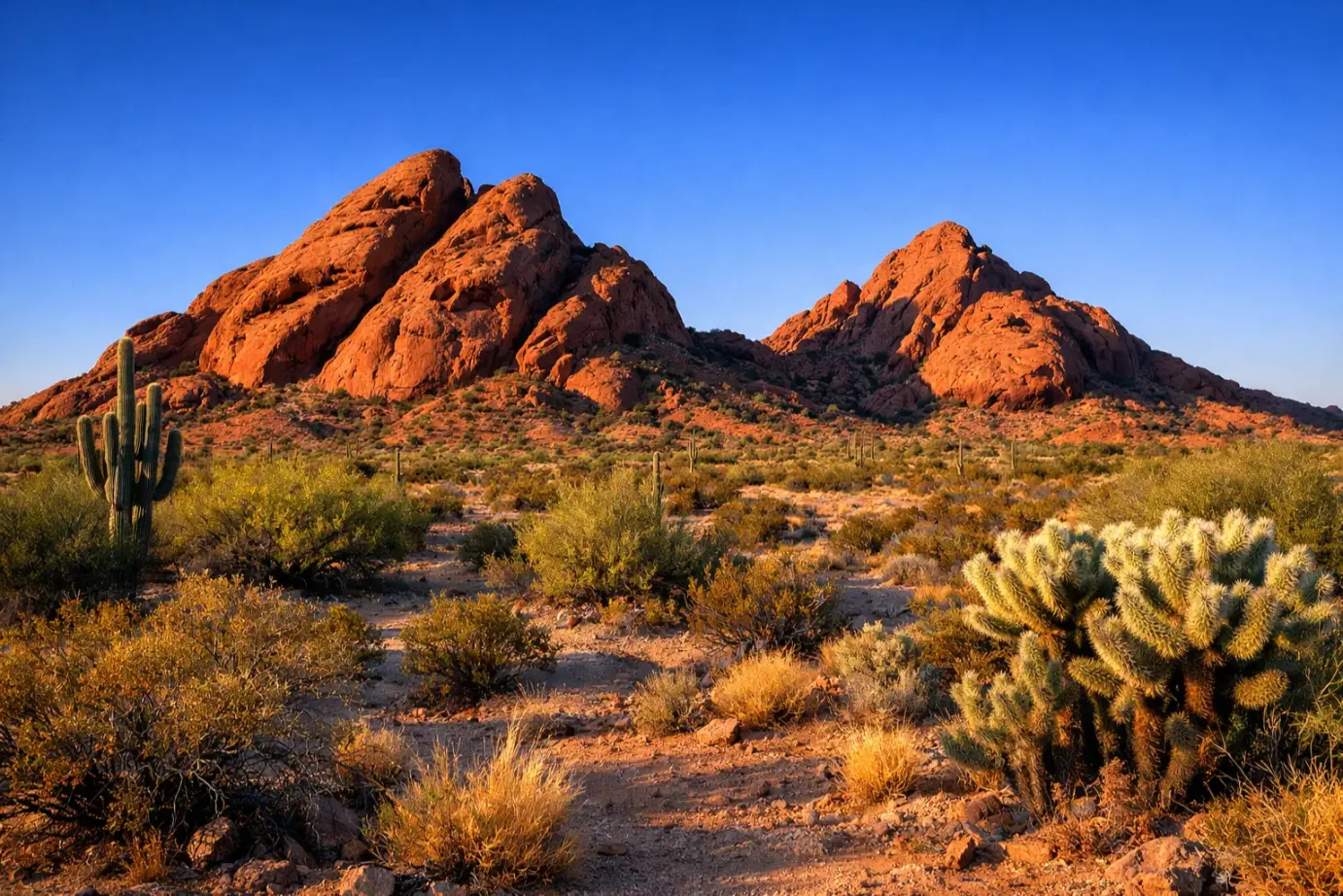
The Phoenix Zoo is one of the largest non-profit zoos in the United States and makes its home within the striking red rock landscape of Papago Park. The zoo houses more than 3,000 animals across 125 acres and places a strong emphasis on conservation education. The Arizona Trail section is particularly relevant for visitors who want to understand the native wildlife of the Sonoran Desert, featuring species like javelinas, Gila monsters, and desert tortoises.
Exploring Papago Park Beyond the Zoo
Papago Park itself is worth exploring independently. The distinctive red sandstone buttes that define the park’s landscape create a striking backdrop for hiking, cycling, and photography. Hole-in-the-Rock, a natural opening in one of the sandstone formations, offers an easy ten-minute scramble and a genuinely beautiful view of the surrounding park. The Desert Botanical Garden also sits within the park boundaries, making it easy to combine multiple attractions in a single visit.
9. Explore Downtown Phoenix and Heritage Square

Downtown Phoenix has undergone a remarkable transformation over the past decade and a half. What was once a district that emptied at sundown is now a lively urban core with a strong arts scene, excellent restaurants, and a walkable collection of cultural institutions.
Heritage Square preserves a cluster of Victorian-era homes dating to the 1890s and 1900s, making it one of the few remaining links to Phoenix’s earliest days as a city. The Arizona Science Center, located nearby, offers more than 350 hands-on exhibits and is a genuine favorite for families with children of all ages. Pizzeria Bianco, a James Beard Award-winning restaurant operating out of a Heritage Square location, is widely regarded as one of the best pizza restaurants in the country. Arrive early or expect a wait.
The Roosevelt Row Arts District, just north of downtown, adds another layer of creative energy to the area. Murals cover entire building facades, independent galleries spill onto sidewalks, and the first Friday art walk draws thousands of visitors each month for an evening of open studios, live music, and street food.
10. Take a Day Trip to Goldfield Ghost Town
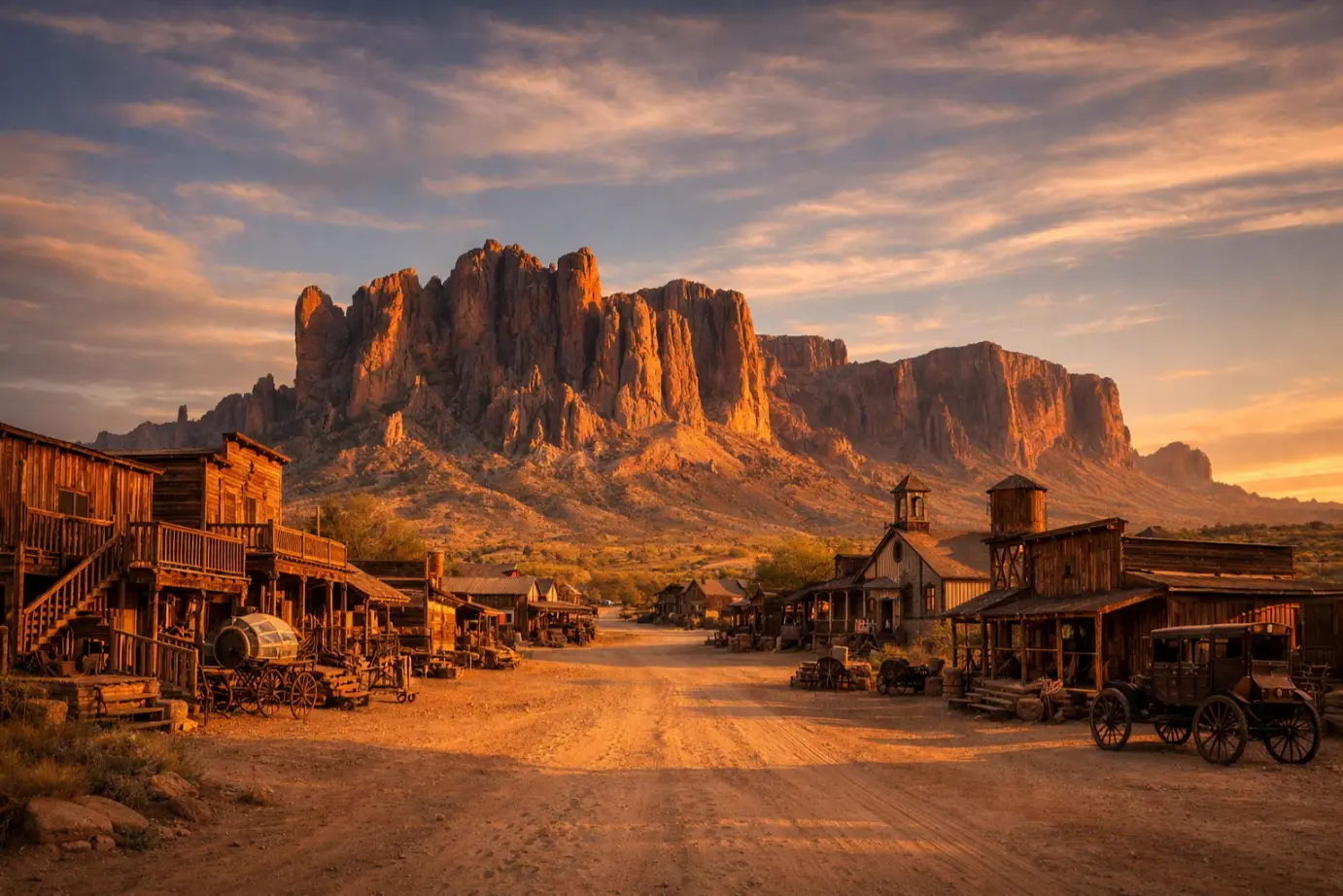
Roughly thirty miles east of central Phoenix, nestled against the dramatic Superstition Mountains, Goldfield Ghost Town offers a surprisingly engaging window into Arizona’s Wild West history. The town boomed briefly during a gold rush in the 1890s before being abandoned, and it has since been restored as a living history attraction where visitors can tour the original mine, ride a narrow-gauge train, pan for gold, and explore a collection of period buildings including a saloon, a general store, and a leather shop.
The setting alone is worth the drive. The jagged volcanic peaks of the Superstition Mountains loom directly behind the town, and the combination of rugged natural scenery and frontier history creates an atmosphere that feels genuinely cinematic. It is an excellent half-day excursion that works well for families, history enthusiasts, and photographers alike.
Conclusion
Phoenix, Arizona rewards curious visitors with a depth and variety that few cities its size can match. From the physical challenge of scaling Camelback Mountain to the quiet wonder of drifting above the Sonoran Desert at sunrise, from the scholarly riches of the Heard Museum to the festive chaos of Old Town Scottsdale after dark, the city consistently delivers experiences that stay with you long after you have returned home.
The ten things to do in Phoenix Arizona covered in this guide are not exhaustive.They are a starting point, an invitation to discover a city that has far more going on beneath its sun-drenched surface than most people expect. Come prepared for warmth, come with an open mind, and come ready to be surprised.
You may also like this post: 11 Best Things to Do in Florence: A First Timer’s Guide
Frequently Asked Questions
What is the best time of year to visit Phoenix Arizona? The best time to visit Phoenix is from October through April, when temperatures are mild and outdoor activities are comfortable. The weather during these months typically ranges from the mid-60s to the mid-80s Fahrenheit, making it ideal for hiking, sightseeing, and exploring the city on foot.
Is Phoenix Arizona good for families with young children? Phoenix is an excellent destination for families. The Phoenix Zoo, Arizona Science Center, Children’s Museum of Phoenix, OdySea Aquarium, and Butterfly Wonderland all offer engaging, age-appropriate experiences. The Desert Botanical Garden and Papago Park also provide memorable outdoor experiences for children.
How many days do you need to see the best of Phoenix? A minimum of three to four days allows you to cover the major highlights comfortably. A week gives you enough time to explore at a relaxed pace, take a day trip to Sedona or the Grand Canyon, and still have time for dining and neighborhood exploration.
Is hiking in Phoenix safe for beginners? Many trails in Phoenix are suitable for beginners, particularly the easier paths in Papago Park and South Mountain Park. Camelback Mountain is best reserved for those with some hiking experience due to its steep and rocky terrain. Regardless of fitness level, always carry plenty of water and hike during cooler morning hours.
What is Phoenix Arizona most famous for? Phoenix is most famous for its desert landscape, year-round sunshine, world-class golf courses, and outdoor recreation. It is also well known for its Native American cultural heritage, luxury resort experiences, spring training baseball, and a growing reputation as a destination for food, art, and architecture.