

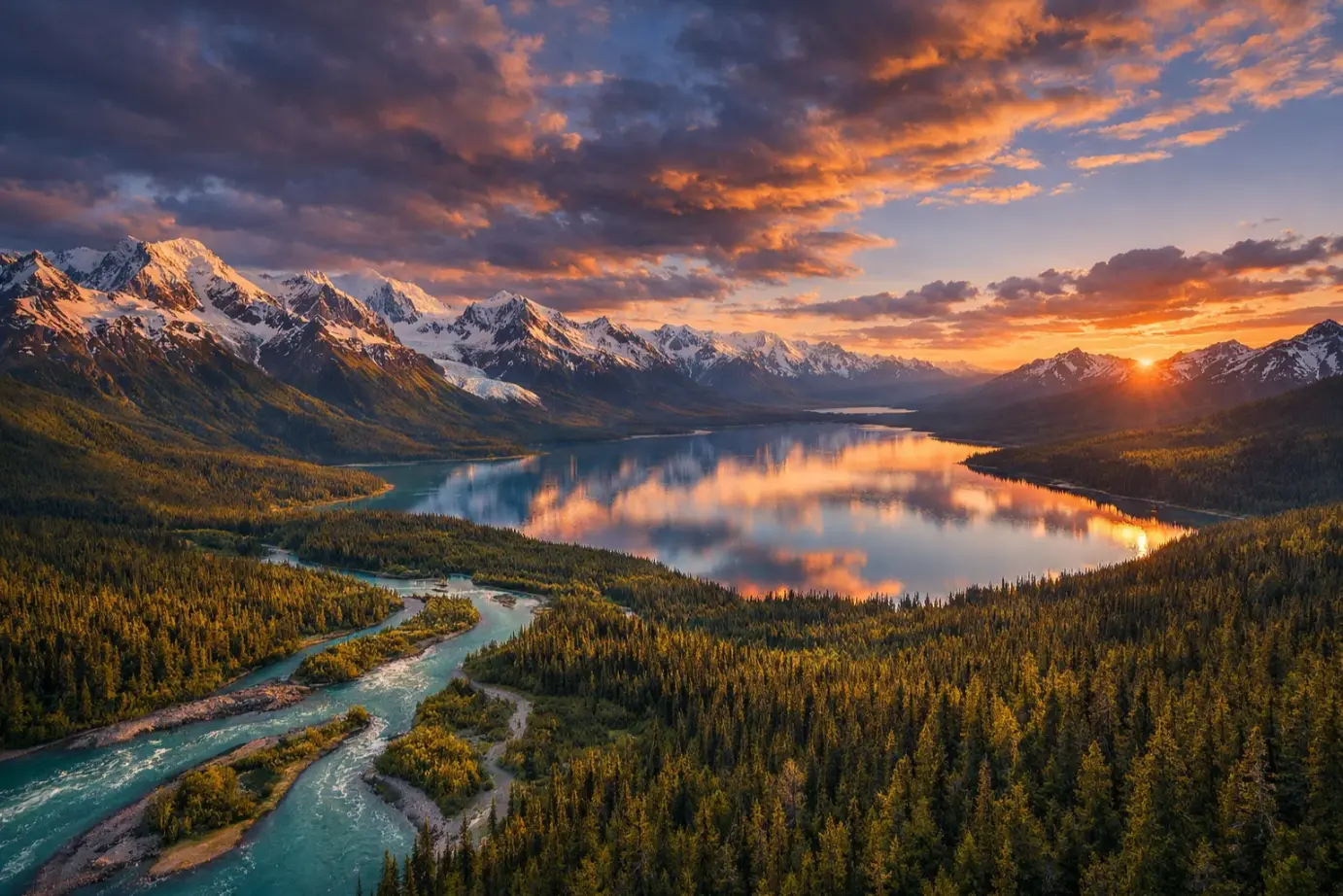
Few places on earth demand as much preparation and reward it as generously as Alaska. America’s largest and most untamed state stretches across nearly 664,000 square miles of glaciers, mountains, tundra, rainforest, and coastline that would swallow entire nations whole. It is a place where a short road trip can run four to six hours, and where the distance you cover in a day could take you through the equivalent of half a dozen eastern states. For travelers dreaming of a trip to Alaska 2026, the excitement is entirely justified. This is one of the most extraordinary destinations in the world, and it will not disappoint.
But Alaska does not forgive poor planning. The weather shifts without warning. Cell towers vanish outside city limits. Tours book out months in advance. Flights into remote parks cost more than a week’s hotel stay anywhere else. If you walk in without doing your homework, you will spend your first few days scrambling rather than exploring.
This guide covers everything you need to know before planning your trip to Alaska 2026. Read it carefully, absorb it fully, and you will arrive prepared to experience the Last Frontier at its absolute best.
1. Understand Just How Enormous Alaska Really Is

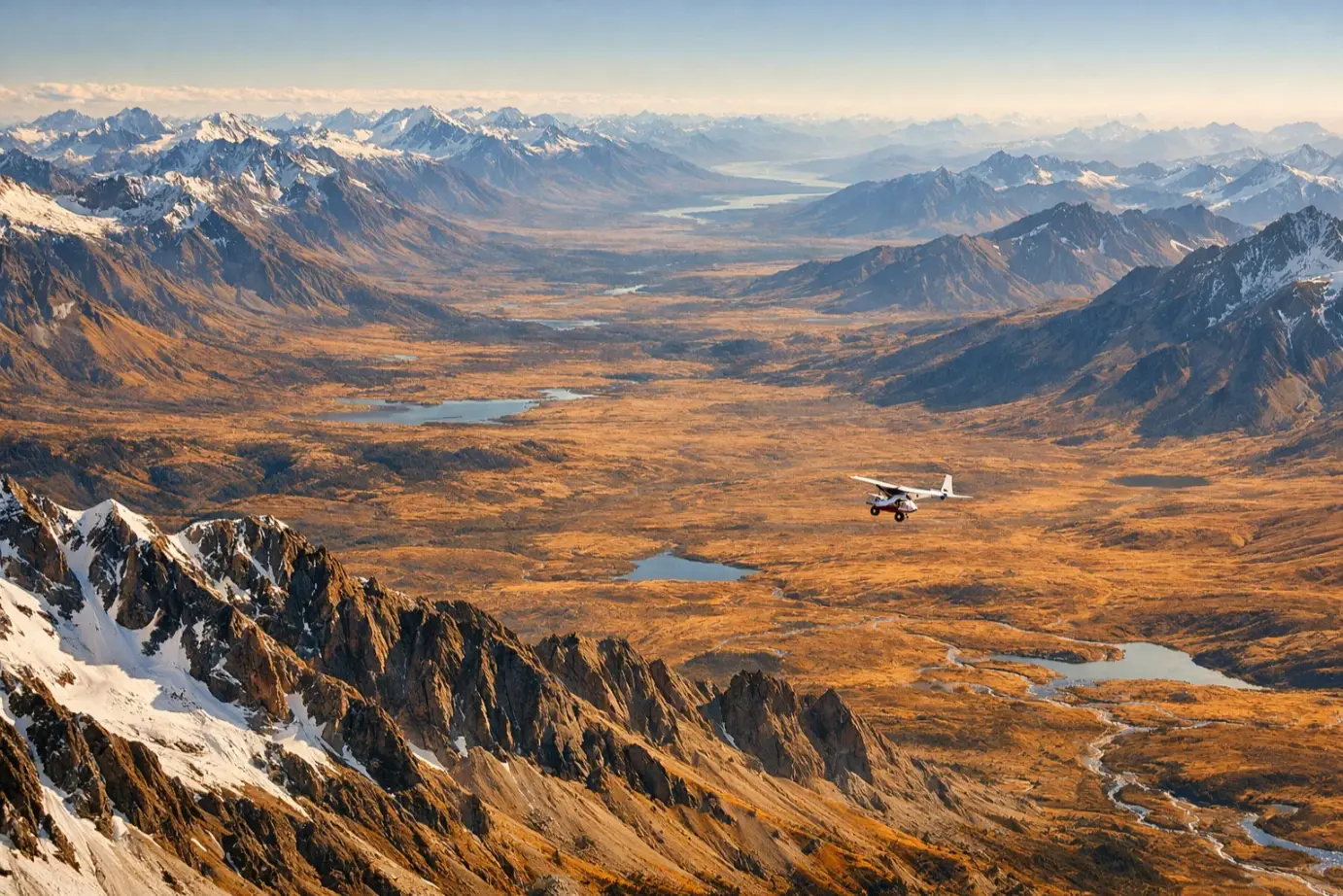
Alaska is two and a half times the size of Texas and accounts for roughly twenty percent of the lower 48 states combined. Most travelers only truly grasp this once they land and attempt to see too many regions in too few days. The mistake is easy to make on a map, where distances look manageable. On the ground, they are not.
The state is broadly divided into several distinct regions. Southcentral Alaska, home to Anchorage and the Kenai Peninsula, is the most accessible hub for most visitors. The Interior reaches up through Denali National Park toward Fairbanks. Southeast Alaska, sometimes called the Panhandle, includes Juneau, Sitka, and Ketchikan, and is largely only reachable by sea or air. The Arctic sits beyond the Brooks Range, a world so remote that bear-viewing lodges there are fly-in only. Then there is the Southwest, where Kodiak Island and Katmai National Park hold some of the most legendary fishing and wildlife viewing on earth.
Seeing all of Alaska in a week is impossible. Rather than spreading yourself thin across multiple regions, pick one or two areas and give them the time they deserve. A trip anchored in Anchorage, the Kenai Peninsula, and Denali will be far more satisfying than a hurried sprint across the entire map.
2. Choose the Right Time to Visit in 2026
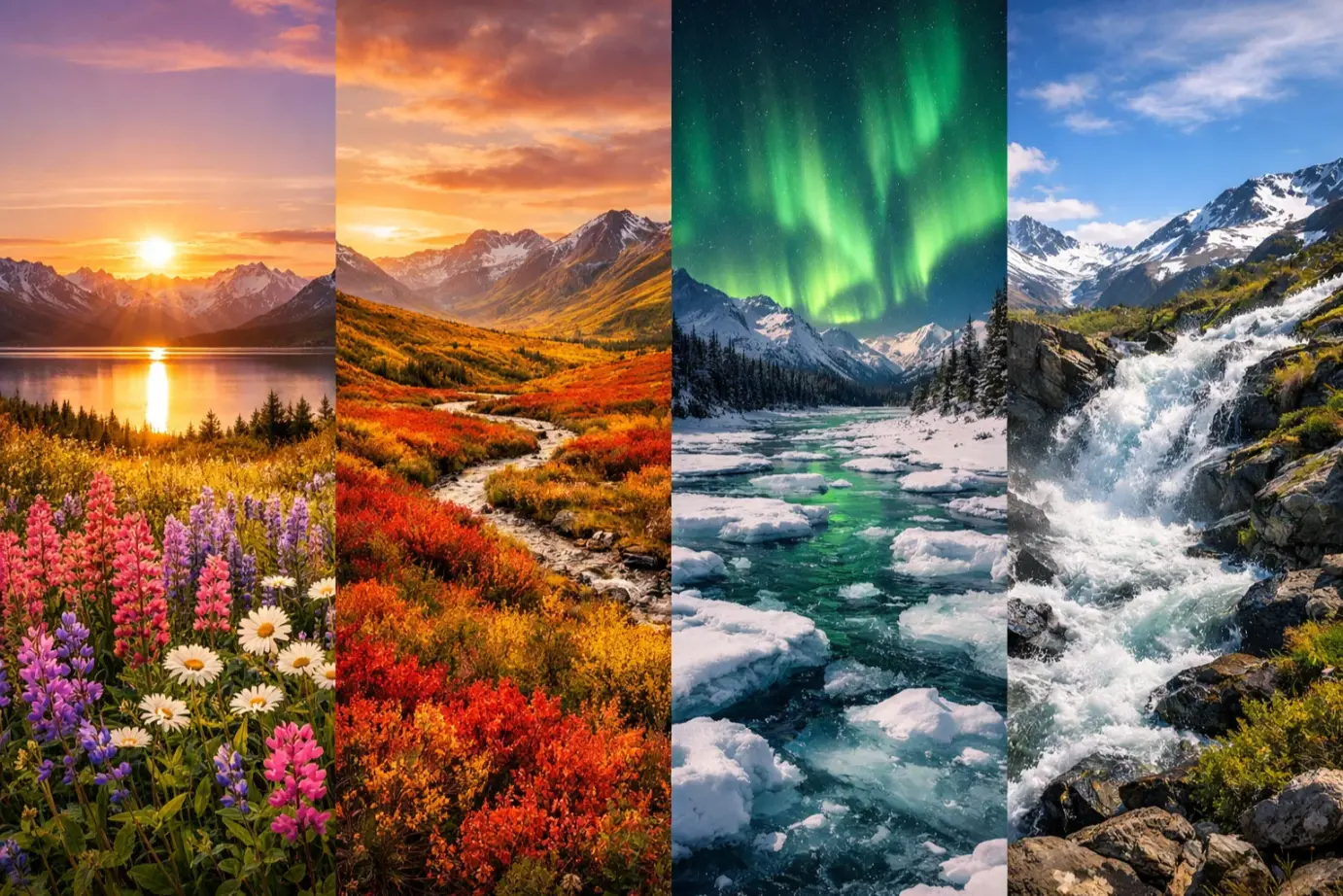
The best time to visit Alaska in 2026 for wildlife and outdoor activities is June through August. These months bring long daylight hours, open hiking trails, and abundant wildlife including bears, whales, and salmon runs.
However, peak season comes with a price, both financially and in terms of crowds. Costs for lodging, food, and transportation in Alaska can run twenty to thirty percent higher than in other states, and peak season pricing from mid-May to mid-September pushes those figures even further. Popular destinations like Juneau and Anchorage fill up fast.
May and September are quieter shoulder months with fewer tourists and lower prices, while October through March is ideal for the Northern Lights and winter sports. One important note for early arrivals: in mid-May many campgrounds are still closed or snowed in, and many tours have not yet started running. Locals will tell you that summer does not really begin until Memorial Day.
For those chasing the aurora, timing matters critically. If you visit Alaska in the summer, there is no chance of seeing the Northern Lights. With daylight that practically never sleeps, the night sky never darkens enough. Come September, the days begin to shorten and aurora season opens. The best viewing locations are Fairbanks and Denali, though strong displays can reach as far south as Anchorage.
2026 also brings some notable event-specific opportunities. From June 3 to 6, 2026, the biennial Celebration event put on by the Sealaska Heritage Institute will take place in Juneau, offering a rare and deeply meaningful immersion into Alaska Native culture and performing arts.
3. Build a Realistic Budget for Your Alaska Trip
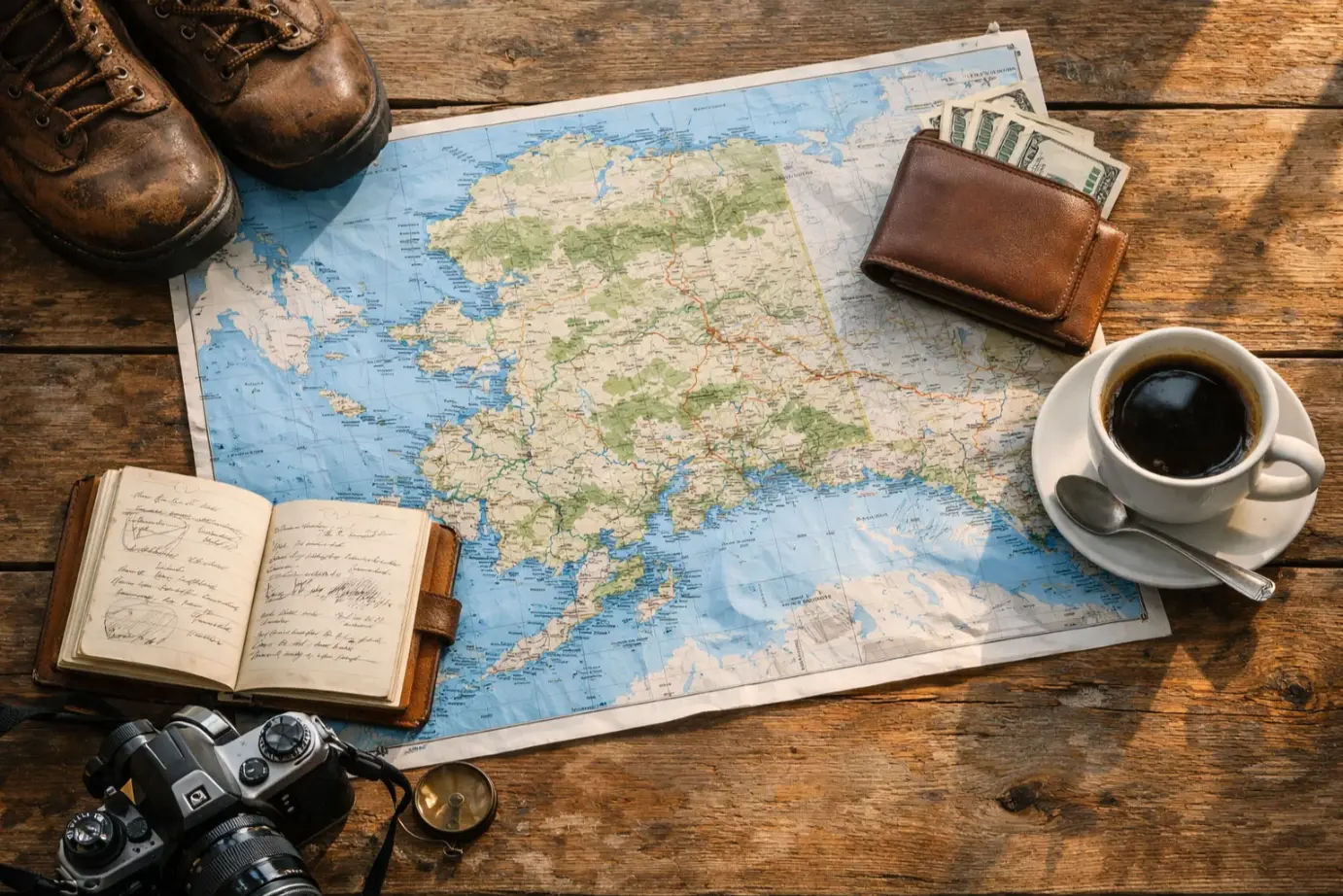
Alaska is not a budget destination, and travelers who arrive without a financial reality check are often caught off guard. On average, visitors should budget at least three hundred dollars per person per day for mid-range travel, covering lodging, meals, local transport, and tours. Luxury lodges, flightseeing, or bear-viewing excursions can raise daily expenses considerably, while camping or self-catering helps reduce costs.
The reasoning is straightforward: Alaska has a very short tourism season, and businesses must make their revenue in just a few months. That economic reality feeds directly into what you pay for a hotel room, a guided glacier hike, or a bowl of chowder in a small coastal town.
There are genuine ways to save. Consider traveling in the shoulder seasons of May and September, or visit in winter when accommodation prices are typically lower. Take advantage of early-booking discounts usually available in January and February. Book accommodations as early as possible to secure the lowest rates. Focusing your trip on one region also reduces transportation costs significantly. If you plan to rent a car, book it as early as you can. Vehicle availability during summer months can be scarce and rates high.
4. Know How to Get Around Alaska
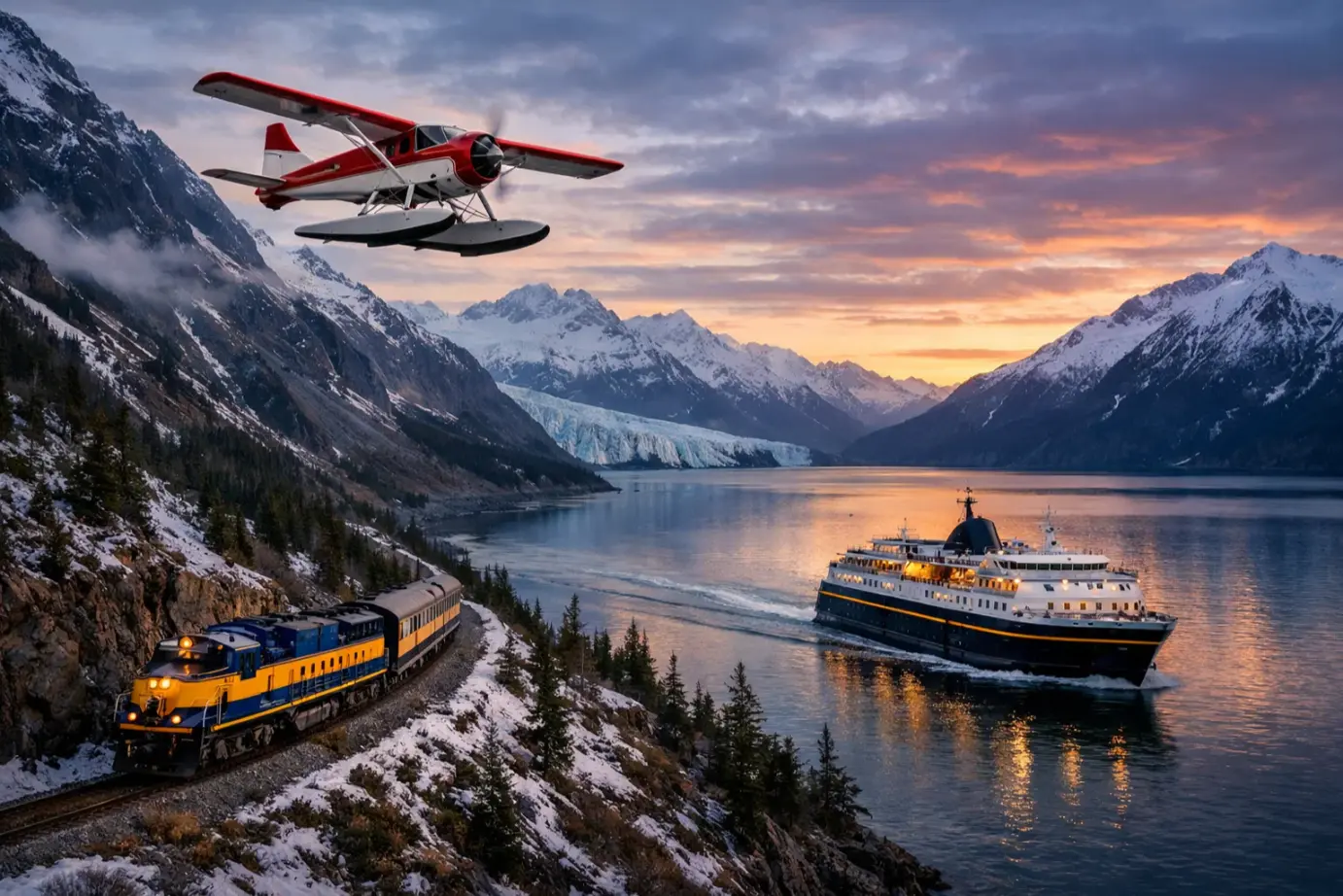
Transportation in Alaska operates on different rules than the rest of the country. Roads connect the major cities of Anchorage, Fairbanks, and the Kenai Peninsula, but large sections of the state have no road access at all.
Ferries connect the far-flung towns of the Alaska Panhandle, Prince William Sound, and the Alaska Peninsula, while bush planes are the only way to reach remote, road-less expanses of the north and west. The Alaska Railroad will get you to the gates of the state’s two most popular national parks, Denali and Kenai Fjords.
Many destinations are only accessible via air or cruise, including Nome, Utqiagvik, Cordova, Yakutat, Juneau, Sitka, Ketchikan, Gustavus, Wrangell, and Petersburg. This means that how you choose to travel is not just a question of comfort or cost. It is a question of what is even physically possible.
For those who want a structured land experience, the Alaska Railroad offers some of the most scenic rail journeys available anywhere in North America. Packages are available from late May through early September 2026 that cover the full length of the main line, including glacier cruises, wildlife tours, and flightseeing excursions.
5. Pack Smartly for Alaska’s Unpredictable Weather
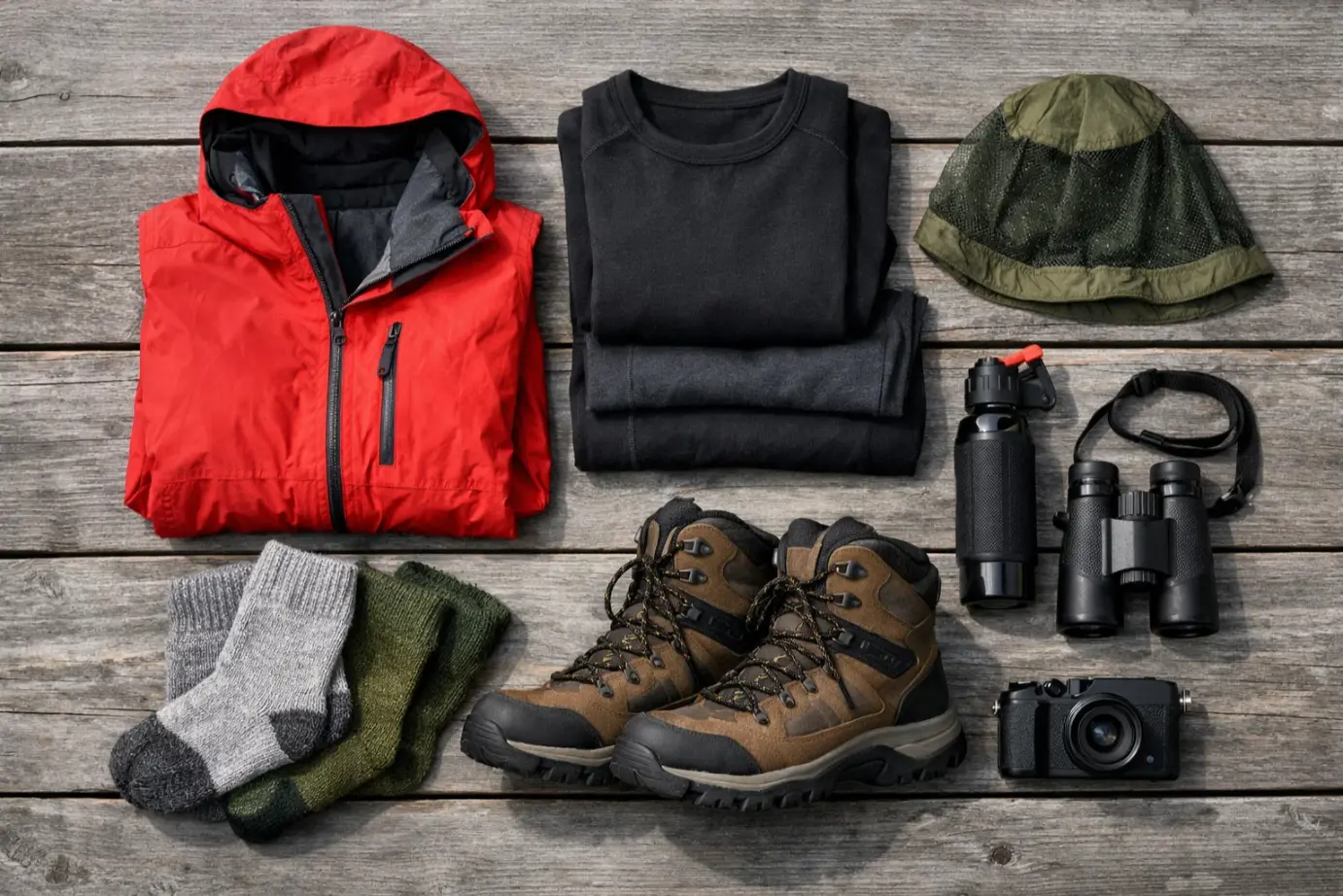
Alaska’s weather is famously changeable, and no region of the state is immune to sudden shifts. A sunny morning on the Kenai Peninsula can become a cold, sideways rain within an hour. A glacier hike that begins in mild temperatures can turn biting in the upper elevations.
Packing for Alaska requires preparation for variable conditions. Bring layered clothing including moisture-wicking base layers, warm mid-layers, and waterproof outer layers, along with sturdy waterproof boots and rain gear. Add sun protection, insect repellent, binoculars, and a camera for wildlife watching.
Alaska’s interior can get quite warm in summer, reaching over 80 degrees Fahrenheit on very hot days in places like Fairbanks, but the coastline is generally cooler and wetter. Mornings can be chilly, and breezes off glaciers or at higher elevations add another layer of cold to consider.
Mosquitoes deserve a specific mention. Alaska’s summers are notorious for them, particularly in the Interior and near rivers and wetlands. High-quality insect repellent and a head net for hiking are not optional extras. They are essential gear.
6. Wildlife Safety Is Not Optional
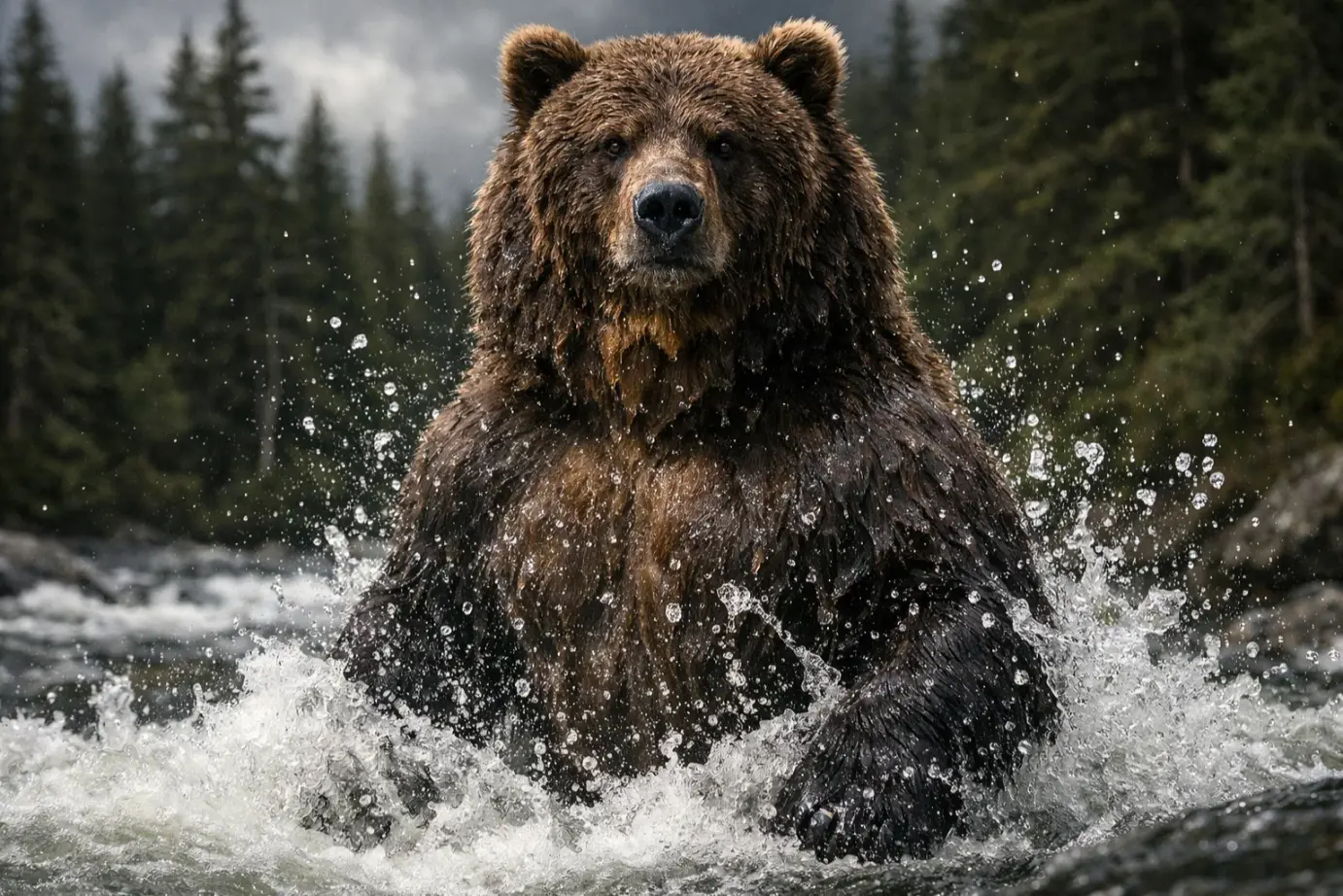
Alaska is home to three species of bear: black bears, grizzly bears, and polar bears. It is also home to moose, which are responsible for more injuries to humans each year than bears. Wolves, bald eagles, Dall sheep, caribou, and marine wildlife including humpback whales, orcas, sea otters, and harbor seals round out one of the richest wildlife ecosystems on the planet.
Flying with bear spray is illegal, so when you land in Alaska, you will want to visit a sporting goods store to purchase it. If you plan to do any hiking in the Last Frontier, it is crucial to carry bear spray with you at all times.
The best approach to wildlife encounters is distance and respect. Never approach animals to get a better photograph. Keep food secured when camping. Make noise on the trail so bears and moose are aware of your presence. Carrying proper gear and having knowledge of the area before you go are essential elements of safe wildlife viewing.
For those who want a safe and structured introduction to Alaska’s famous wildlife, a visit to the Alaska Wildlife Conservation Center is a great option, offering a chance to view the state’s iconic animals in a protected and educational environment.
7. Communication and Connectivity in Remote Areas
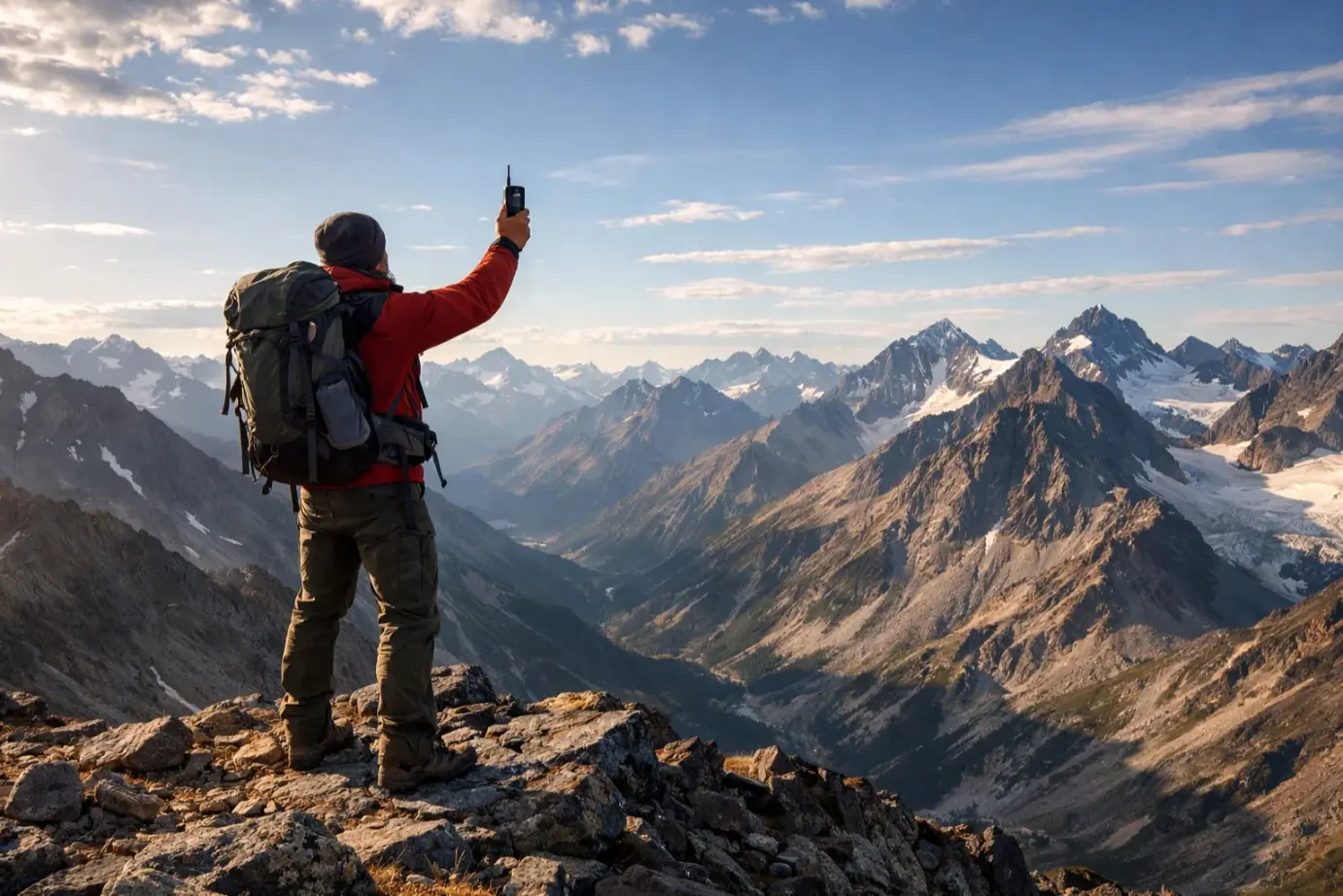
One of the first things that surprises first-time visitors is how quickly reliable cell service disappears. Drive an hour outside Anchorage and you may find yourself without a signal. Venture into a national park or off the main highway system and connectivity becomes essentially zero.
Cell service is limited outside urban areas. For remote adventures, consider renting a satellite phone or carrying an emergency beacon so that help can be reached if something goes wrong.
This is especially important for those planning independent hiking, camping, or backcountry exploration. Always let someone know your itinerary before you leave, when you plan to return, and what to do if you do not check in on time. This practice is standard among locals and should become standard for visitors as well.
Downloading offline maps before you leave an area with connectivity is a straightforward habit that could save significant trouble. Apps such as Maps.me or onX Backcountry allow full offline use and are widely used among Alaska travelers.
8. Book Tours and Accommodation Far in Advance
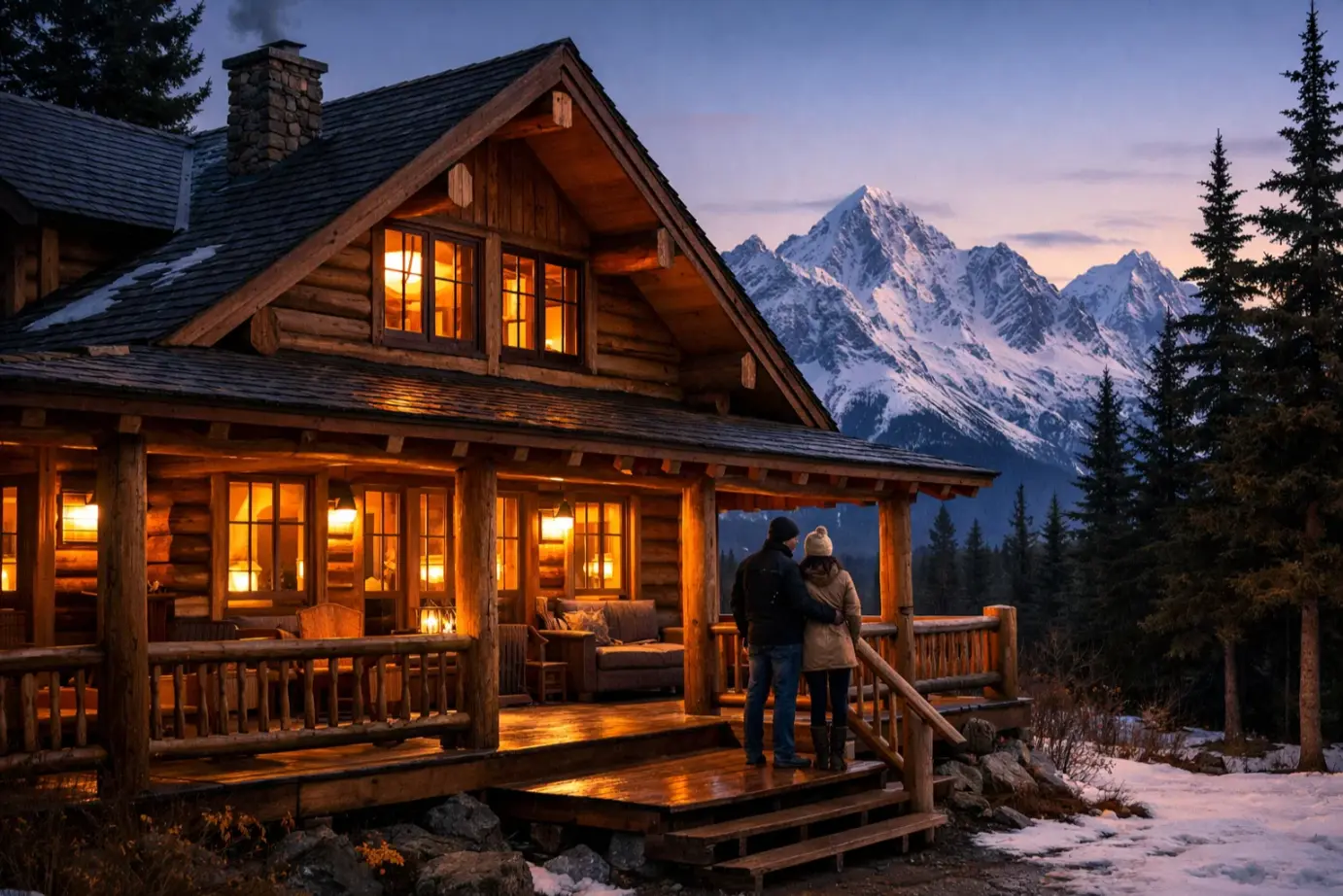
If there is one piece of practical advice that will do more to protect your 2026 Alaska trip than any other, it is this: book early and book everything.
Book popular tours and accommodations six to twelve months in advance, especially for prime summer dates from June through August. Glacier and wildlife tours sell out quickly, particularly boat tours in Kenai Fjords and flightseeing tours around Denali.
Alaska’s summer season is relatively short, running from May through September, and places to stay fill up quickly. Book accommodation at least two months in advance, especially in smaller towns where choices are limited. For the most coveted experiences such as bear-viewing at Brooks Falls in Katmai National Park, the booking windows open a full year in advance and spots are gone within hours.
For those interested in train travel, the Alaska Railroad packages for 2026 are already available and can be reserved directly. The same applies to cruise lines. Several new cruise options are debuting in 2026, including Virgin Voyages’ inaugural Alaska season aboard the adults-only Brilliant Lady with roundtrip Seattle sailings, and MSC Cruises sailing MSC Poesia to Juneau, Ketchikan, and Icy Strait Point.
9. Respect Alaska’s Indigenous Culture and Natural Environment
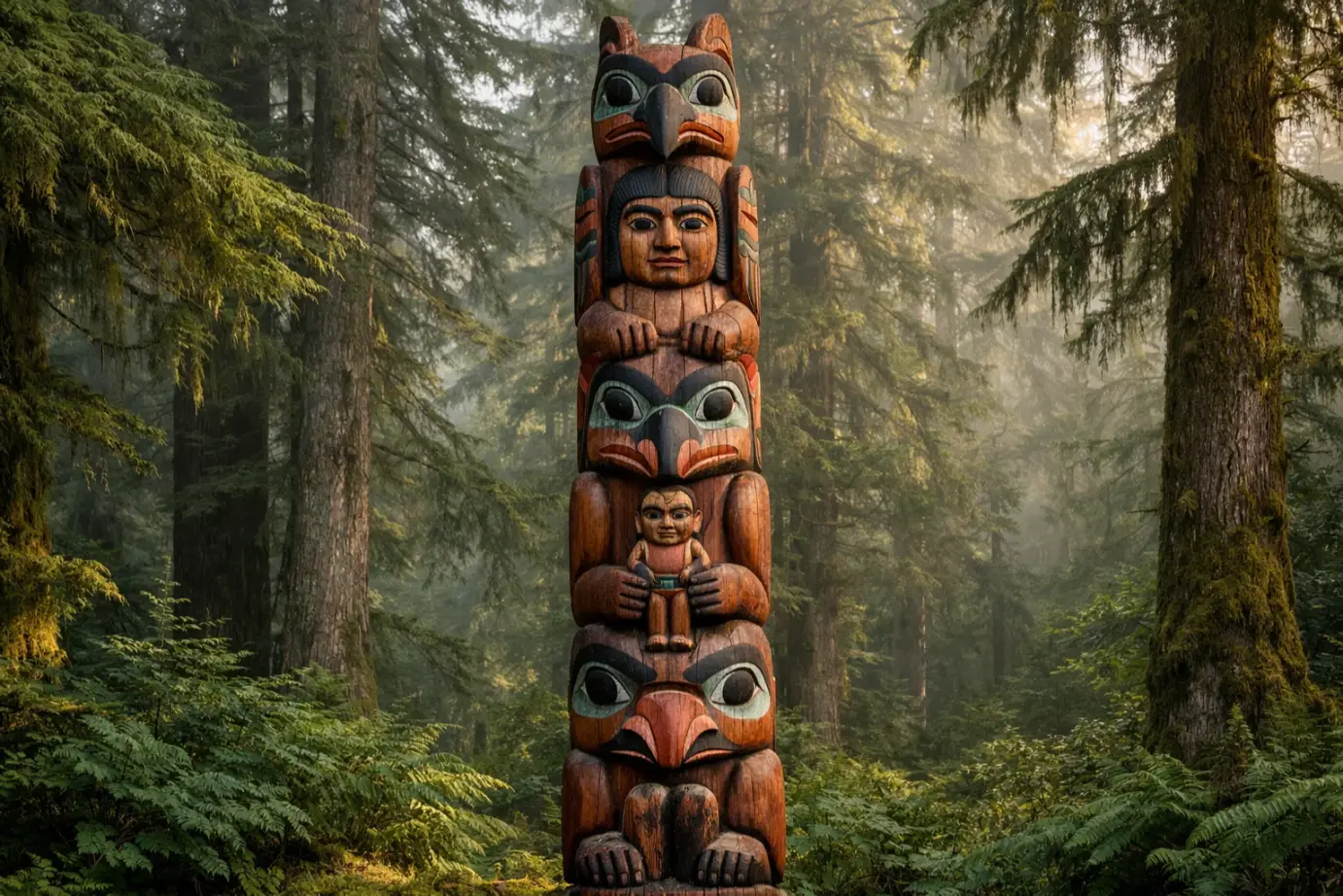
Alaska Natives comprise around sixteen percent of the state’s population. Many live in 229 federally recognized villages, and their culture varies widely across regions. Key communities include the Inupiat in the Arctic, the Athabascans in the Interior, the Aleuts in the Southwest, and the Tlingit and Haida in the Panhandle.
Engaging with these cultures respectfully and meaningfully adds enormous depth to any Alaska experience. Visit the Alaska Native Heritage Center in Anchorage, attend cultural events where outsiders are welcome, and purchase authentic handcrafted items from Indigenous artists. When shopping for souvenirs, look for the Made in Alaska logo, which confirms genuine Alaskan manufacture, or a silver hand logo that identifies an item as an Alaska Native handicraft.
Environmental responsibility matters just as much. Alaska’s wilderness is both extraordinary and fragile. Follow Leave No Trace principles strictly, carry out all trash, stay on designated trails where they exist, and minimize your impact in areas without infrastructure. The wilderness that makes Alaska worth visiting depends on the people who visit it treating it with the care it deserves.
10. Plan Your Trip Length and Itinerary Realistically
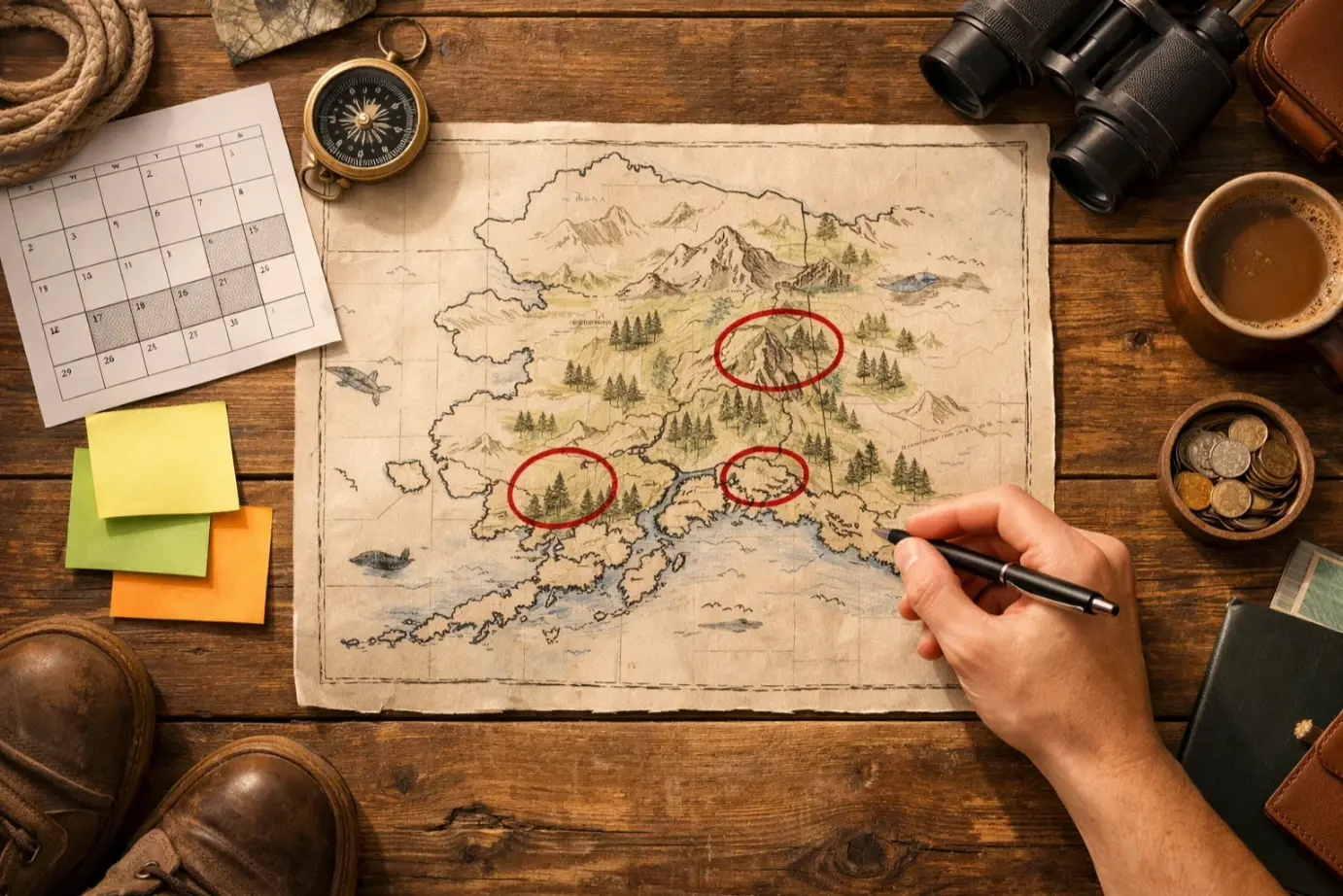
Stay in Alaska for at least a week to get a basic taste, but ten to fourteen days will give you a proper overview of the state and enough time to cover multiple regions with some flexibility for weather.
For a ten to fourteen day trip, a solid framework might look like this: spend two to three days in Anchorage using it as a base to acclimate and explore nearby Chugach State Park. Then head to the Kenai Peninsula for three to four days, taking a glacier cruise out of Seward into Kenai Fjords National Park. Move north to Denali for two to three days, taking a park shuttle deep into the wilderness for wildlife viewing. If time allows, continue to Fairbanks for a look at Alaska’s interior city, its museums, hot springs, and late-season aurora possibilities.
For those with only five to seven days, focusing on one region to avoid excessive transit time is the most effective strategy. The Kenai Peninsula alone can fill a week with hiking, fishing, kayaking, whale watching, and glacier exploration. There is no shame in going deep rather than wide on a first trip to Alaska.
Conclusion
A trip to Alaska in 2026 has the potential to be one of the most powerful travel experiences of your life. The landscapes are on a scale that genuinely humbles. The wildlife encounters are intimate and raw in ways that managed safari experiences rarely match. The food, the culture, the physical challenge of the terrain, the silence of the wilderness at midnight under a sun that refuses to set, all of these things combine into something that stays with a person for years.
But Alaska rewards preparation. It rewards travelers who book early, pack thoughtfully, respect the wilderness, take wildlife safety seriously, and set realistic expectations about distance and budget. Do the work before you go, and Alaska will give you everything in return. It is a place that earns the title it carries, the Last Frontier, and there is nowhere else quite like it on earth.
Frequently Asked Questions
Q1: What is the best time to visit Alaska in 2026? June through August offers the best weather, wildlife activity, and trail access. May and September are good shoulder months with fewer crowds and lower costs. For the Northern Lights, plan a visit from September through March.
Q2: How much should I budget for a trip to Alaska in 2026? Budget roughly three hundred to three hundred fifty dollars per person per day for mid-range travel. This covers lodging, meals, basic tours, and local transport. Premium experiences like fly-in bear-viewing or luxury wilderness lodges will raise this figure considerably.
Q3: Do I need a passport to visit Alaska? No. U.S. citizens do not need a passport to visit Alaska. However, beginning May 2025, travelers flying domestically within the United States need a REAL ID-compliant form of identification for airport security.
Q4: How far in advance should I book tours and accommodation in Alaska? For summer travel, book accommodations and guided tours six to twelve months in advance. The most popular experiences, including bear-viewing at Katmai and glacier flights around Denali, can sell out a full year ahead of time.
Q5: Is Alaska safe to visit for first-time travelers? Yes, with proper preparation. The most important safety steps are carrying bear spray on any hike, informing someone of your itinerary before going into remote areas, packing appropriate gear for rapidly changing weather, and having an emergency communication device such as a satellite messenger when venturing beyond cell coverage.
You may also like this post: The Perfect Switzerland Road Trip Itinerary that Nobody Tells