

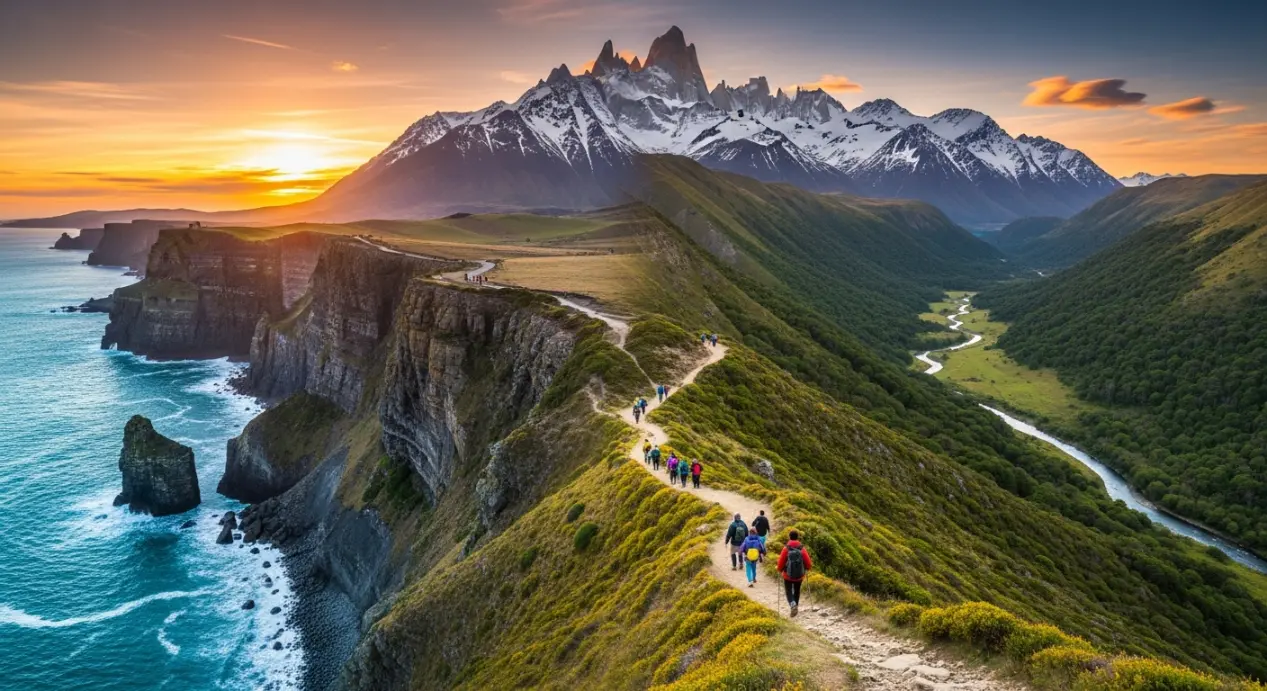
The world’s most extraordinary trails offer more than exercise and fresh air. They deliver transformative experiences that challenge physical limits, reward perseverance with unforgettable vistas, and connect adventurers to landscapes shaped over millennia. These ten epic hikes that redefine adventure represent the pinnacle of trail experiences, each one promising to transform what you thought possible in the wilderness.
Whether you’re drawn to alpine meadows bursting with wildflowers, dramatic coastal cliffs pounded by ocean waves, or remote mountain passes where silence reigns supreme, these epic hikes that challenge conventional expectations deliver adventure on a scale that photographs can barely capture. They demand preparation, respect for nature, and a willingness to push beyond comfort zones. In return, they offer moments of such profound beauty and accomplishment that they remain etched in memory long after the blisters have healed.
The Inca Trail to Machu Picchu in Peru

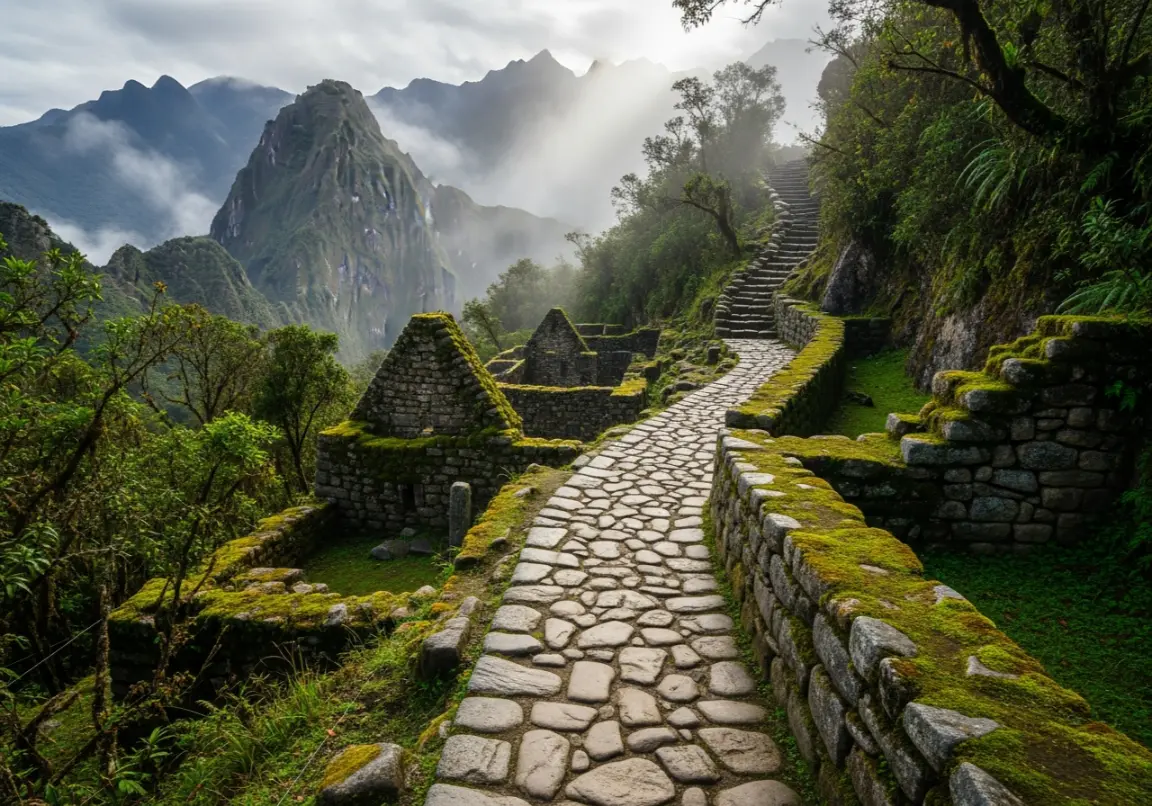
Combining archaeological wonder with high-altitude trekking, this classic four-day journey follows ancient stone pathways constructed by the Inca Empire. Hikers traverse cloud forests, subtropical jungle, and alpine tundra while gaining over 13,000 feet in elevation across 26 miles. The route passes numerous archaeological sites, including the stunning ruins of Wiñay Wayna, before culminating at sunrise over Machu Picchu.
The Peruvian government strictly limits permits to 500 people daily, including guides and porters, making advance booking essential. Most trekkers complete the route between May and September when dry conditions prevail. The combination of altitude, steep ascents, and primitive campsites makes this trek moderately challenging despite its relatively short distance. Porters typically carry camping equipment and supplies, allowing hikers to focus on the experience rather than heavy loads.
The trail’s crown jewel moment arrives when passing through Inti Punku, the Sun Gate, as dawn illuminates the Lost City of the Incas below. This convergence of natural beauty, physical challenge, and historical significance creates an experience unmatched by conventional hiking routes.
The Tour du Mont Blanc Across Three Countries
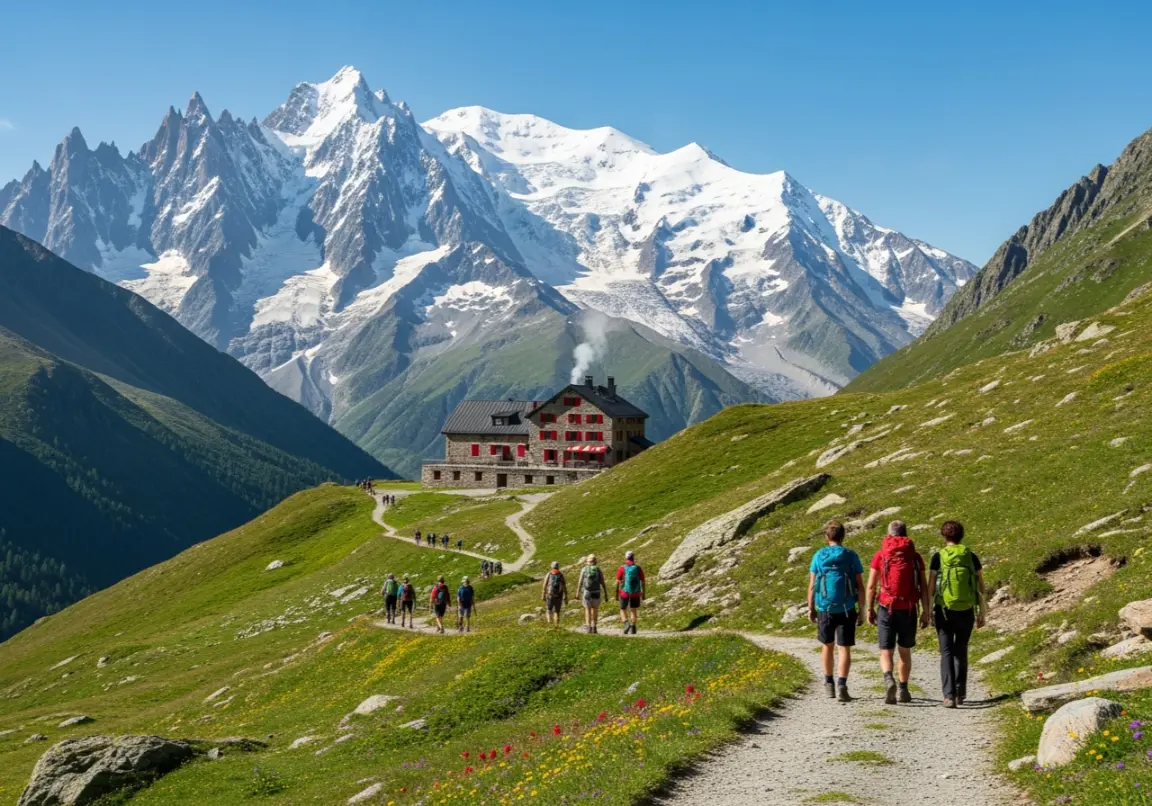
Circumnavigating Western Europe’s highest peak, this 110-mile circuit winds through France, Italy, and Switzerland while showcasing the Alps in their full majesty. The route typically requires 10 to 12 days, crossing numerous mountain passes and traversing valleys dotted with traditional alpine villages. Daily elevation changes often exceed 3,000 feet, testing endurance while rewarding effort with panoramic views of glaciers, snowfields, and jagged peaks.
Unlike wilderness backpacking routes, the Tour du Mont Blanc offers nightly refuges where hikers enjoy hot meals and proper beds. This infrastructure makes the trek accessible to those seeking challenge without complete self-sufficiency. The cultural dimension adds richness to the physical journey as hikers sample French tartiflette, Italian polenta, and Swiss fondue while surrounded by stunning mountain architecture.
June through September provides optimal conditions, with July and August bringing crowds alongside guaranteed snow-free passes. The Chamonix Valley serves as the traditional starting point, though hikers can begin at numerous locations around the circuit. Those seeking solitude often choose September when visitor numbers decline but weather remains generally favorable.
The West Coast Trail on Vancouver Island
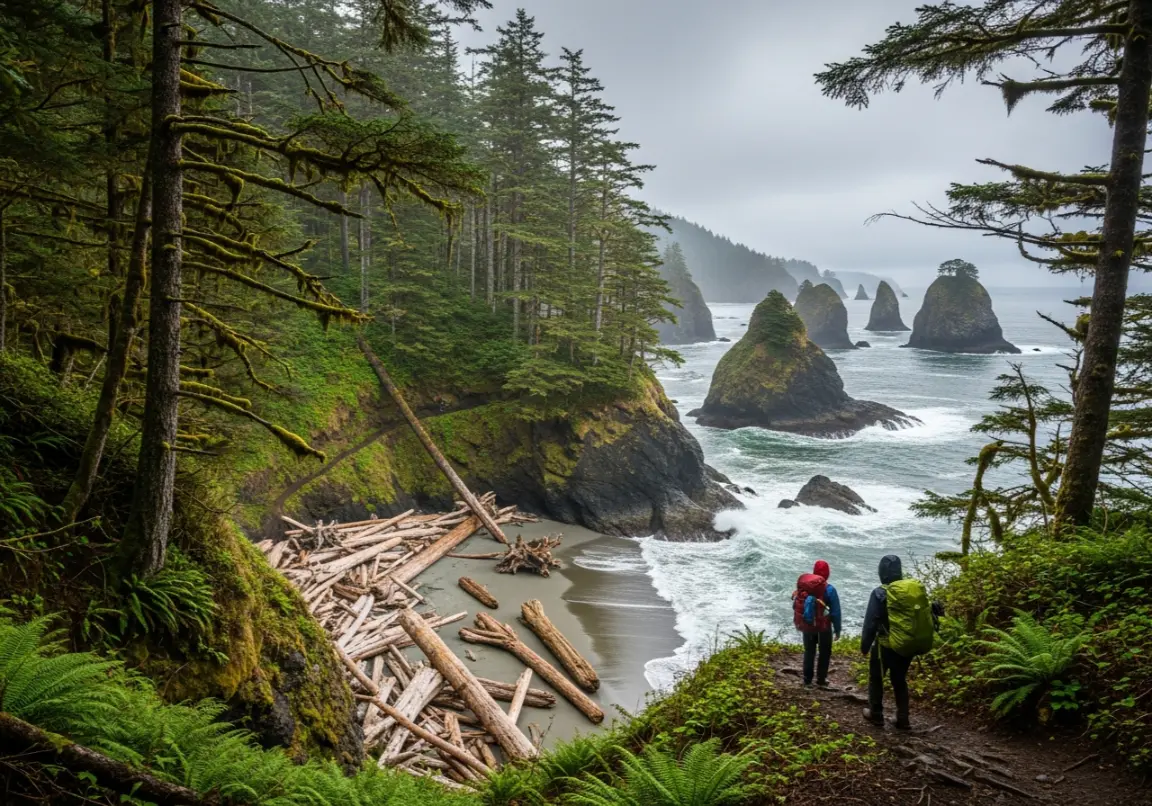
British Columbia’s legendary coastal route delivers 47 miles of rugged shoreline hiking that pushes even experienced backpackers to their limits. The trail requires navigating tidal zones, crossing surge channels on cable cars, climbing vertical ladders, and balancing along slippery driftwood logs. Dense temperate rainforest alternates with rocky headlands and sandy beaches where Pacific waves crash with primordial force.
Parks Canada limits access to 75 hikers per day between May and September, with reservations opening months in advance and filling within hours. The trail typically demands six to eight days, though weather and individual pace create significant variation. High tides can trap unwary hikers, making tide tables essential navigation tools alongside topographic maps.
Wildlife encounters add excitement and occasional tension to the journey. Black bears forage along beaches, sea lions bark from offshore rocks, and gray whales migrate past coastal viewpoints. The remoteness means self-rescue capabilities are critical, as helicopter evacuation can take hours even in emergencies. Those who complete the trail emerge with profound respect for wilderness power and deep satisfaction from conquering one of North America’s most demanding coastal routes.
The Kalalau Trail Along Napali Coast
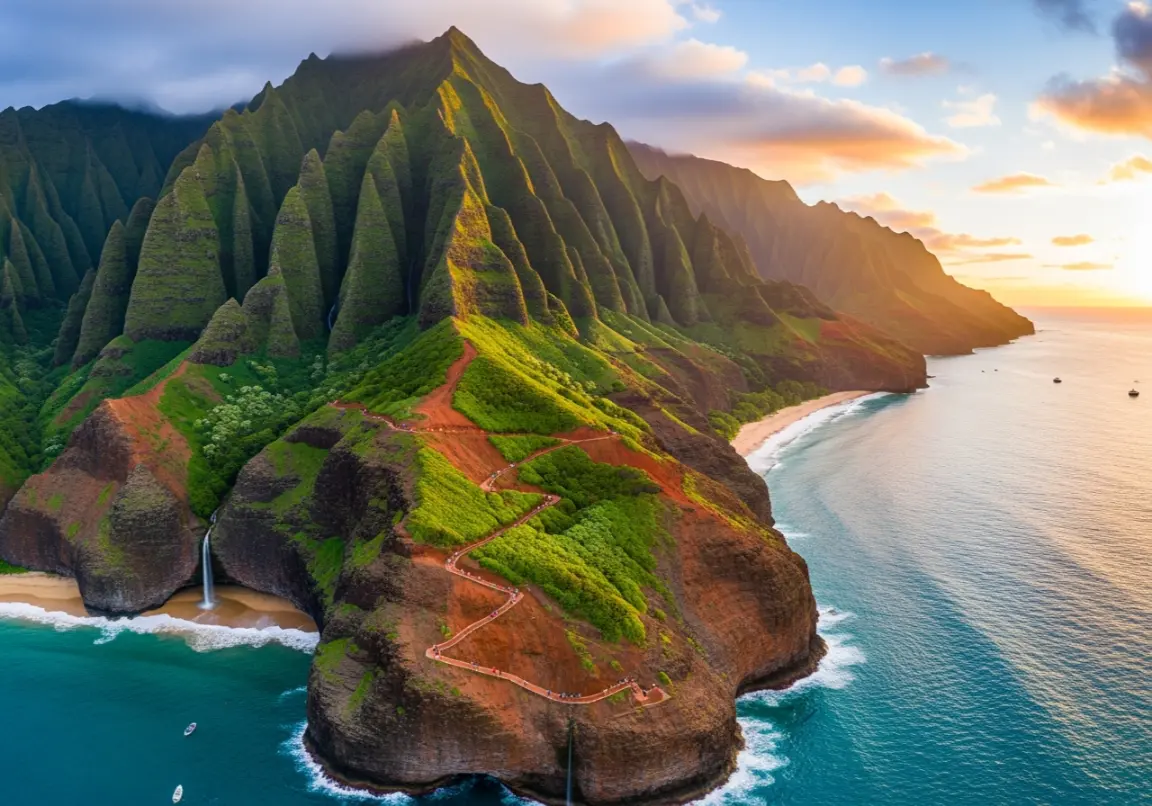
Hawaii’s most challenging day hike or overnight backpacking route clings to Kauai’s dramatic northern shoreline for 11 miles of breathtaking exposure. The trail traverses five valleys, crosses numerous streams, and skirts cliffs that plunge hundreds of feet to the ocean below. Red dirt paths alternate with rocky scrambles, while trade winds carry salt spray inland and native plants create tunnel-like passages.
Summer months from May through September offer safer conditions, though the trail never becomes truly easy. Winter swells make stream crossings dangerous or impossible, while heavy rains transform the red clay into treacherously slick surfaces. Despite its relatively short distance, the constant elevation changes and technical terrain make this an extremely strenuous undertaking.
Camping permits for Kalalau Beach are required for overnight stays and remain in high demand. The beach itself provides a surreal reward, with towering cathedral cliffs surrounding a crescent of sand where waterfalls cascade down verdant walls. Swimming conditions vary dramatically with season and swell, reminding visitors that beauty and danger coexist in this remote paradise.
The Laugavegur Trail in Iceland’s Highlands
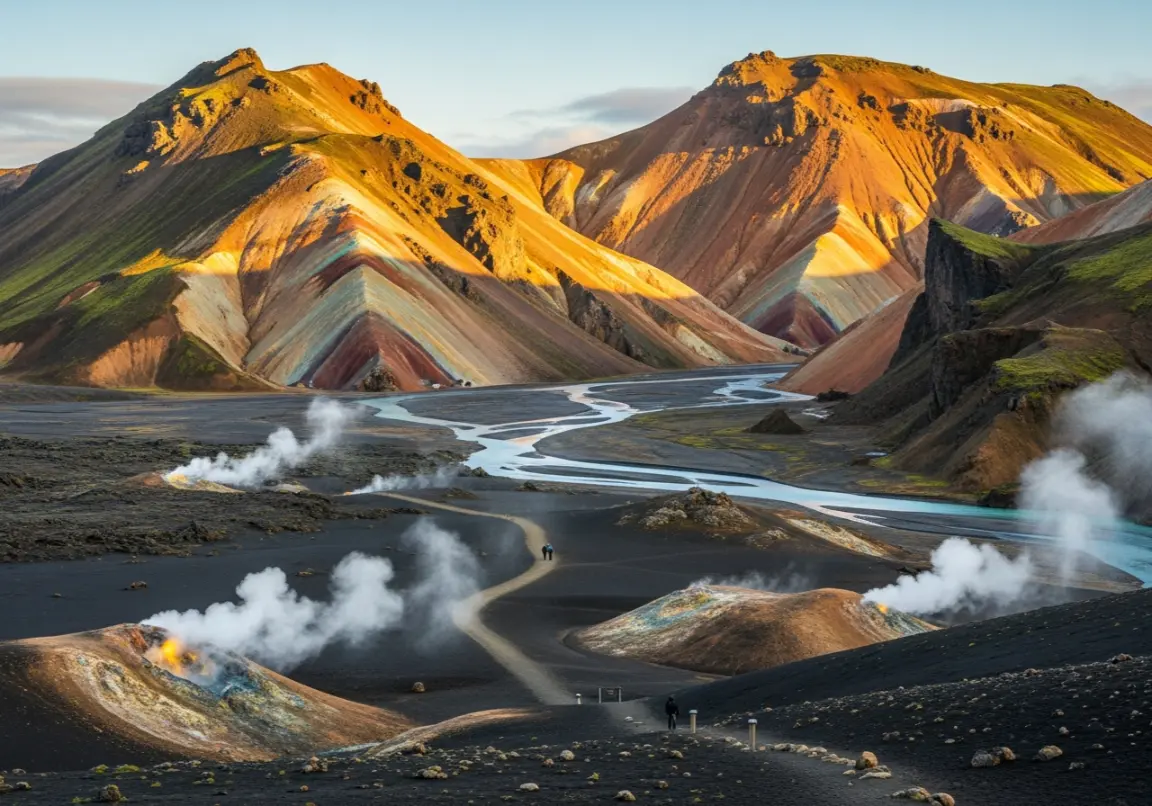
Iceland’s premier trekking route connects the geothermal wonderland of Landmannalaugar with the verdant valley of Thorsmork across 34 miles of otherworldly terrain. Hikers traverse landscapes that seem borrowed from alien planets, including rainbow-colored rhyolite mountains, black sand deserts, steaming vents, and glacial rivers. The route typically requires four days, with mountain huts providing shelter from notoriously unpredictable weather.
Accessible only from late June through early September when snowmelt opens highland roads, the trail showcases volcanic geology in its most dramatic forms. Obsidian fields crunch underfoot, while nearby peaks display mineral streaks in impossible hues of orange, green, and purple. River crossings can prove challenging and sometimes dangerous, requiring careful timing and proper technique.
Many hikers extend their journey by continuing south to Skogar, adding the Fimmvorduhals pass and its dramatic volcanic landscapes to create a 50-mile epic. This extension passes between two glaciers and traverses the raw terrain created during the 2010 Eyjafjallajokull eruption, offering stark testimony to Iceland’s geological vitality.
The Haute Route from Chamonix to Zermatt
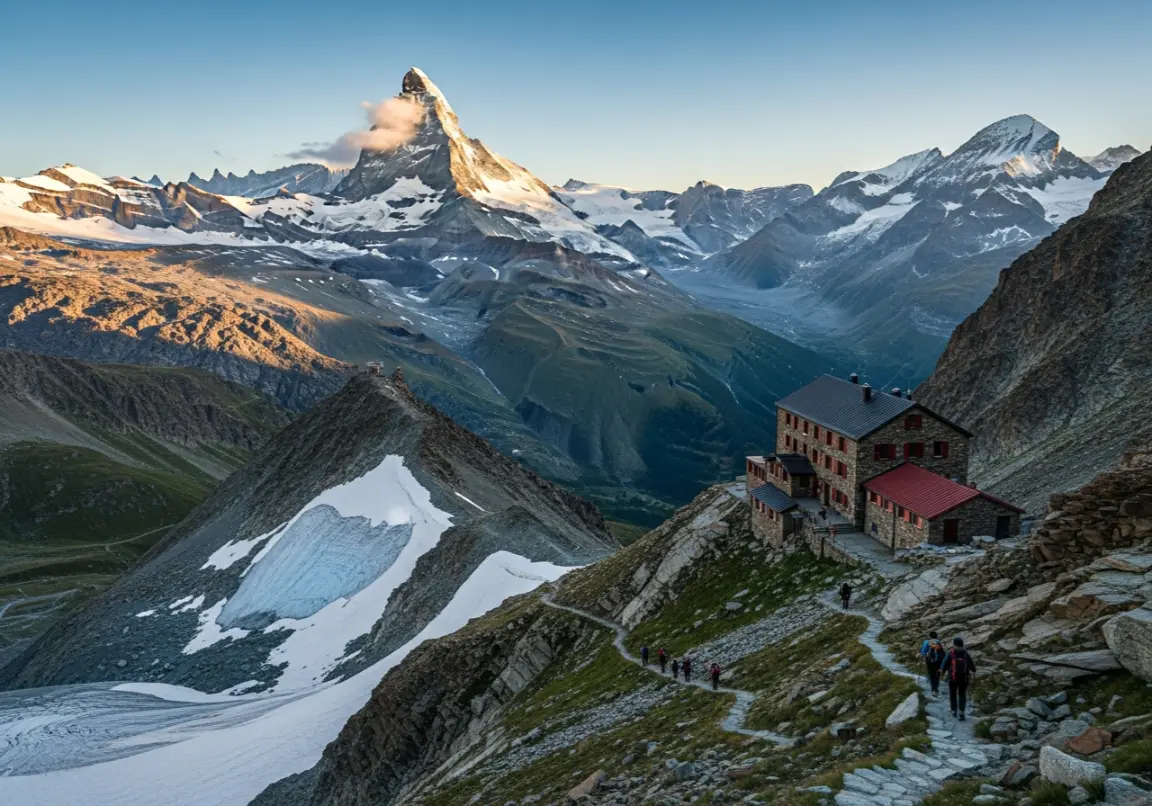
Connecting two legendary mountain towns across 120 miles of high alpine terrain, this route represents the pinnacle of European mountain hiking. The traditional path crosses numerous passes above 9,000 feet while traversing beneath some of the Alps’ most iconic peaks, including Mont Blanc, the Matterhorn, and the Dent Blanche. Most hikers complete the journey in 10 to 14 days, though weather and fitness create wide variation.
Unlike trails that avoid civilization, the Haute Route links mountain refuges and small villages, creating a cultural journey alongside the physical challenge. Daily elevation gains and losses often exceed 4,000 feet, demanding excellent cardiovascular fitness and sturdy knees. Glacier travel skills aren’t required for the walking route, though some variations include glaciated terrain requiring ropes and ice axes.
Late June through September provides optimal conditions, with July and August offering guaranteed refuge access but also maximum crowds. The route begins in the shadow of Western Europe’s highest summit and concludes with Switzerland’s most photographed mountain dominating the skyline. This combination of sustained challenge, spectacular scenery, and alpine culture creates an unforgettable two-week adventure.
The Overland Track in Tasmania
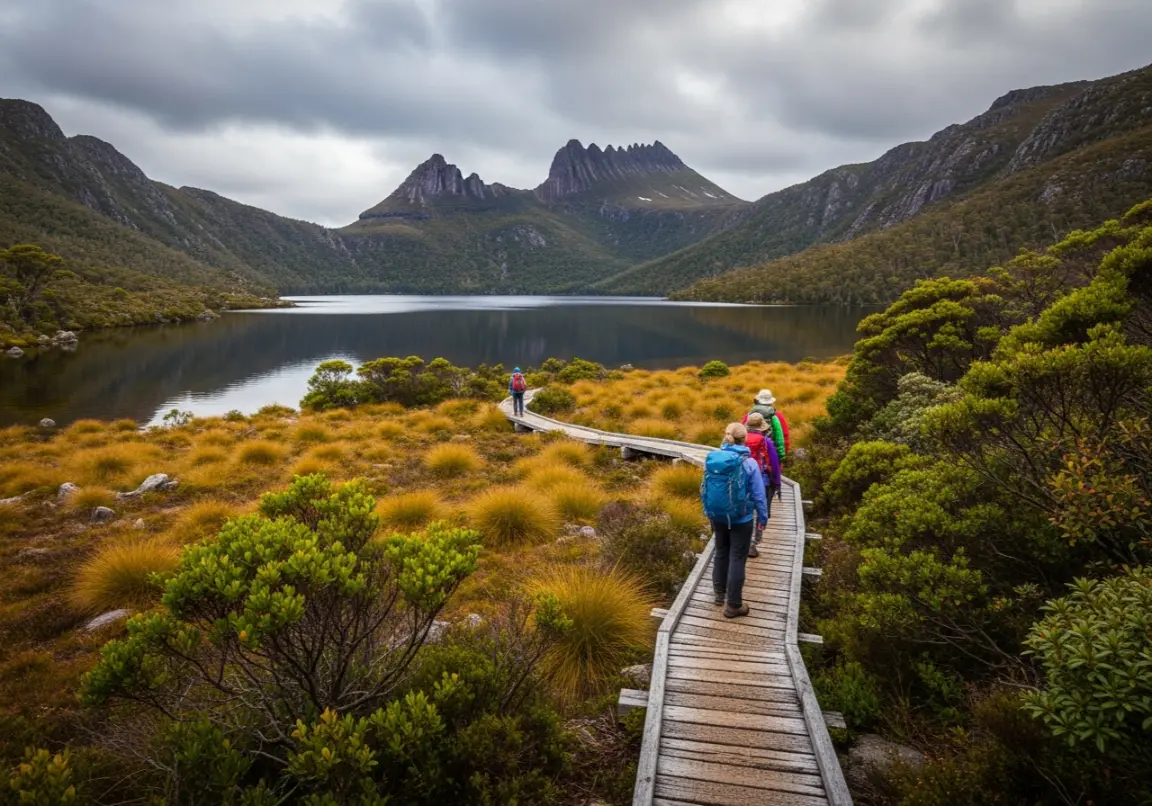
Australia’s finest alpine trek traverses 40 miles through Tasmania’s World Heritage wilderness, connecting Cradle Mountain with Lake St Clair across pristine terrain rarely matched for ecological diversity. Ancient rainforests give way to alpine moorlands, while glacial lakes reflect jagged dolerite peaks. The standard six-day itinerary allows time for side trips to waterfalls, summit scrambles, and secluded tarns.
Tasmania’s position in the Roaring Forties means weather can shift dramatically within hours. Four seasons in one day becomes reality as sunshine gives way to horizontal rain driven by fierce winds. Despite summer timing from November through April, snow remains possible at higher elevations. The famous boardwalk sections protect fragile alpine vegetation while making boggy sections passable even after heavy rain.
Parks and Wildlife Service limits walkers to 60 per day with permits required well in advance. Private huts provide basic shelter, though most hikers carry tents for flexibility and guaranteed accommodation. The route’s northern terminus at Cradle Mountain ranks among the continent’s most photographed locations, while Lake St Clair claims status as Australia’s deepest natural freshwater lake.
The Snowman Trek in Bhutan
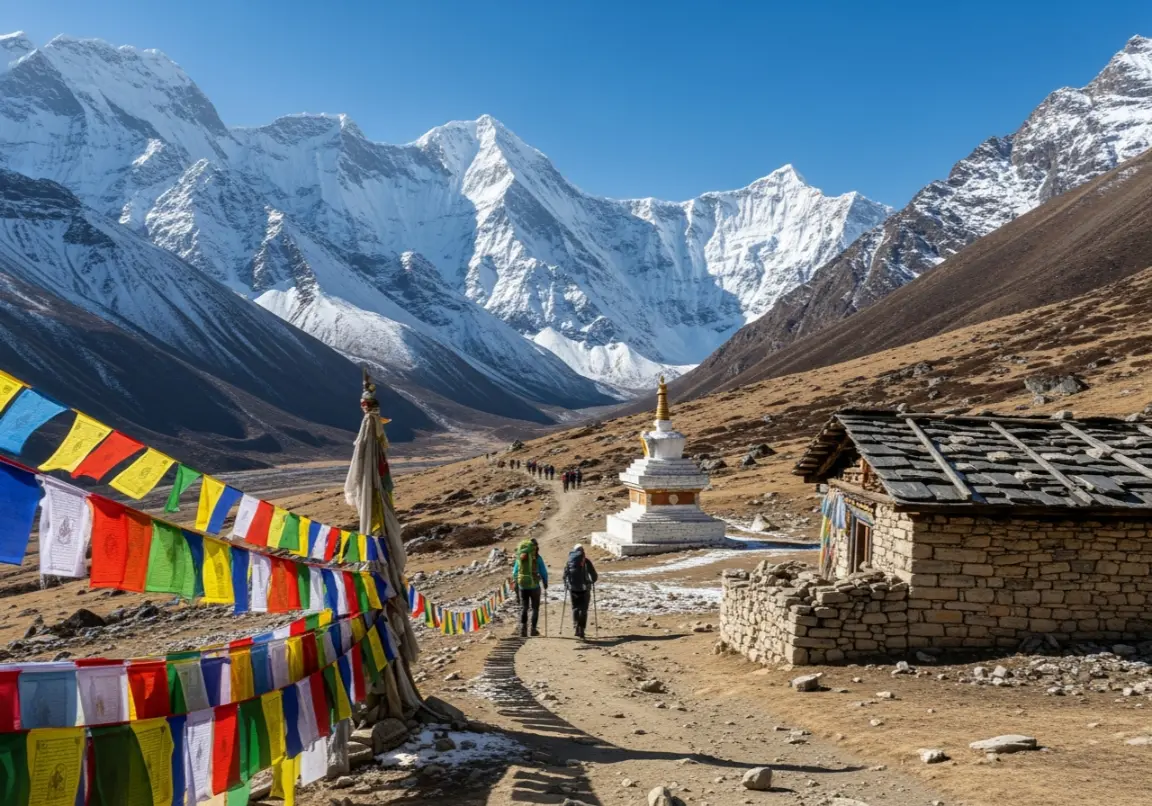
Claiming distinction as one of the world’s most difficult treks, this 200-mile journey through the Bhutanese Himalaya crosses 11 passes above 15,000 feet while reaching a maximum elevation of 17,946 feet. The route typically demands 25 to 30 days, traversing remote valleys where yak herders maintain lifestyles unchanged for generations. Extreme altitude, river crossings without bridges, and complete isolation combine to create a genuine expedition rather than a casual trek.
Bhutan’s tourism policy requires hiring licensed operators, with daily fees approaching several hundred dollars. This cost includes guides, porters, camping equipment, and meals, ensuring trekkers travel with full support through regions without any infrastructure. October provides the most stable weather window, though even then snowfall can close passes and extend itineraries.
The cultural immersion equals the physical challenge, with opportunities to visit remote monasteries, witness traditional festivals, and interact with communities maintaining centuries-old customs. Wildlife sightings might include blue sheep, Himalayan black bears, and the elusive snow leopard. Those who complete the Snowman Trek join an exclusive group numbering in the hundreds rather than thousands, having conquered one of mountaineering’s most formidable non-technical challenges.
The John Muir Trail Through the Sierra Nevada
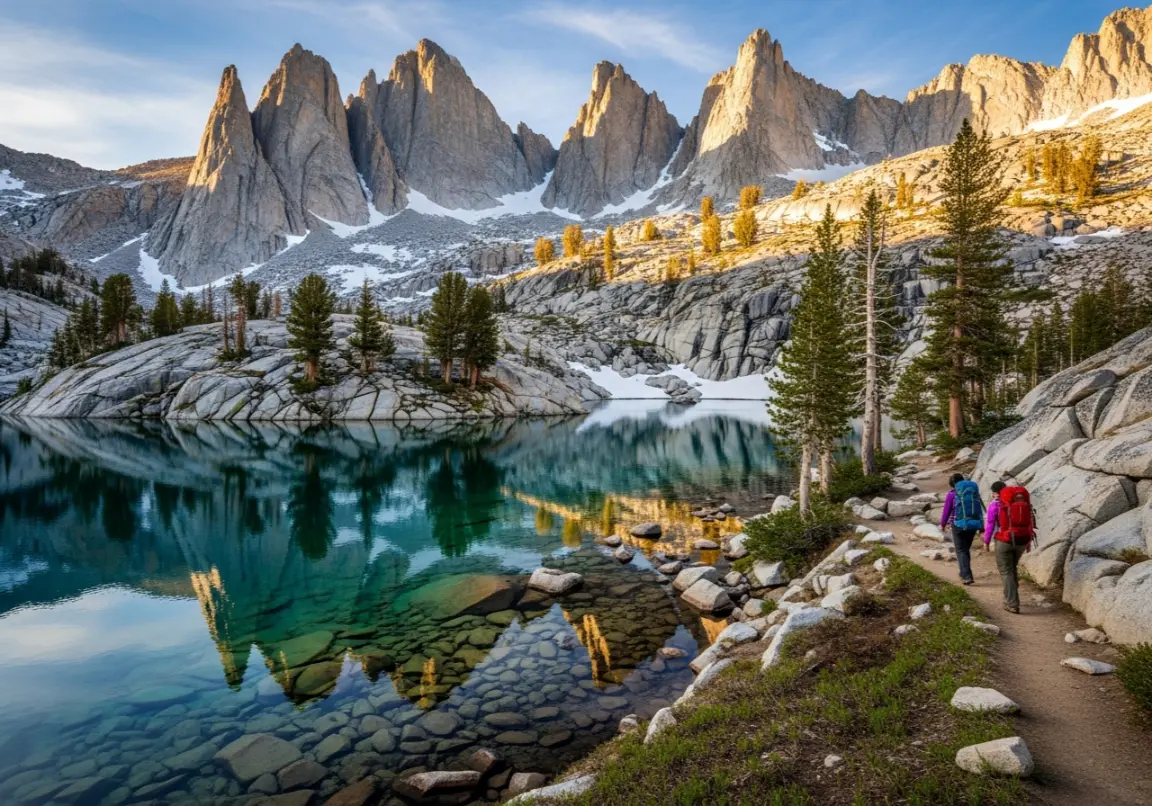
Covering 211 miles from Yosemite Valley to Mount Whitney’s summit, this iconic American trail traverses the Sierra Nevada’s granite heart through some of the continent’s most spectacular alpine scenery. Most hikers require three weeks to complete the route, which crosses seven major passes and spends most of its length above 8,000 feet elevation. The trail passes through Kings Canyon and Sequoia National Parks while skirting dozens of pristine alpine lakes.
Permit systems create significant access challenges, with quotas filling months in advance for summer departures. The route demands complete self-sufficiency for multi-day stretches between resupply points, typically reached via side trails to roadheads or by pre-arranged cache. Bear canisters are mandatory throughout the route, protecting food from the Sierra’s persistent black bear population.
August and early September provide optimal conditions with snow-free passes and reduced mosquito populations. The climb to Mount Whitney’s 14,505-foot summit represents an appropriate climax to three weeks of sustained wilderness travel. Thunderstorm risk remains present throughout summer, making early morning starts essential for safe pass crossings and summit attempts.
The Drakensberg Grand Traverse in South Africa
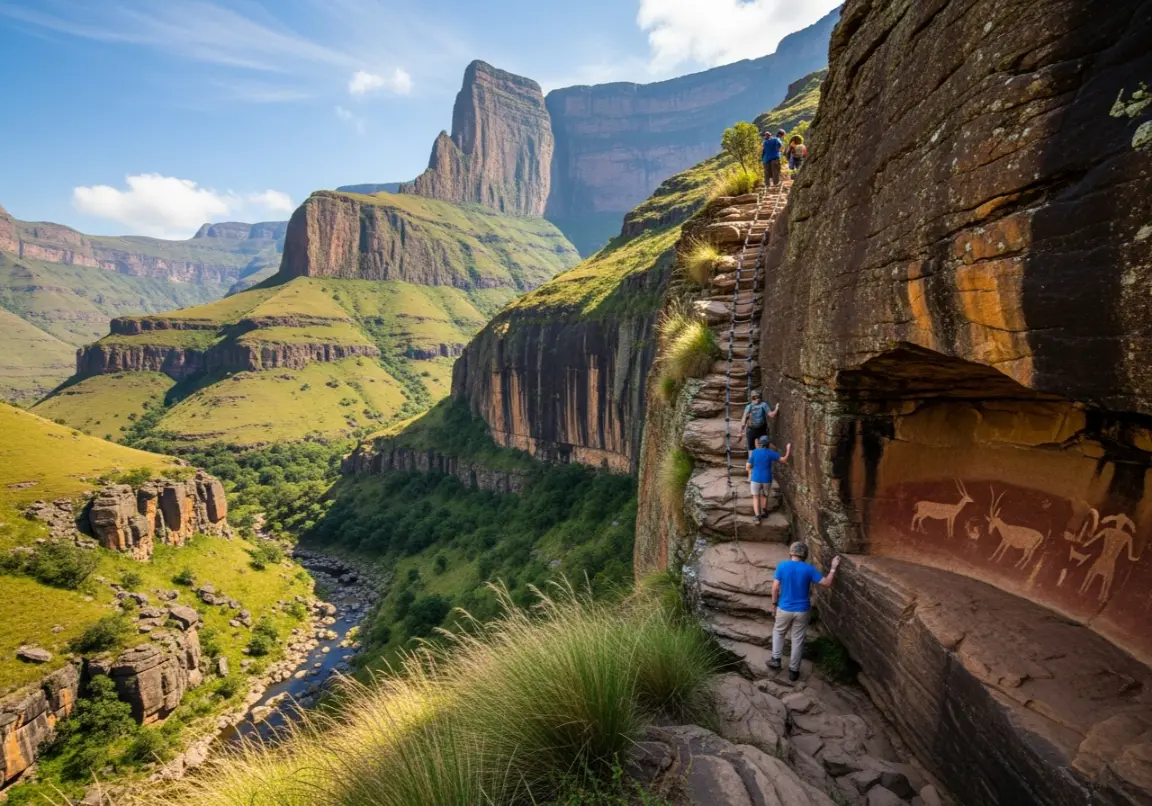
South Africa’s premier mountain trek extends for approximately 140 miles along the dramatic Drakensberg escarpment, traversing between Cathedral Peak and Bushman’s Nek over roughly 12 days. The route includes numerous chain ladder ascents, exposed scrambles, and passes exceeding 10,000 feet. Towering sandstone cliffs, pristine river valleys, and ancient San rock art create a uniquely African wilderness experience.
The traverse requires serious navigational skills, as much of the route follows cairns rather than defined trails. River crossings can prove dangerous after storms, while thunderstorms present real lightning hazards on exposed ridges. Most hikers complete the journey between May and September when winter conditions bring stable weather despite cold nights.
Unlike many epic treks with established infrastructure, the Drakensberg Grand Traverse demands complete self-sufficiency. Camping occurs wherever suitable sites exist, resupply proves impossible along most of the route, and rescue could take days. This remoteness attracts adventurers seeking genuine wilderness challenge within relatively accessible geography. The combination of technical terrain, navigational demands, and spectacular scenery creates an experience rivaling more famous international routes.
Essential Preparation Considerations
Conquering these epic trails requires more than desire and basic fitness. Physical training should begin months before departure, focusing on cardiovascular endurance and leg strength through progressive hiking with weighted packs. Mental preparation proves equally important, as multi-day treks test psychological resilience through discomfort, fatigue, and sometimes genuine hardship.
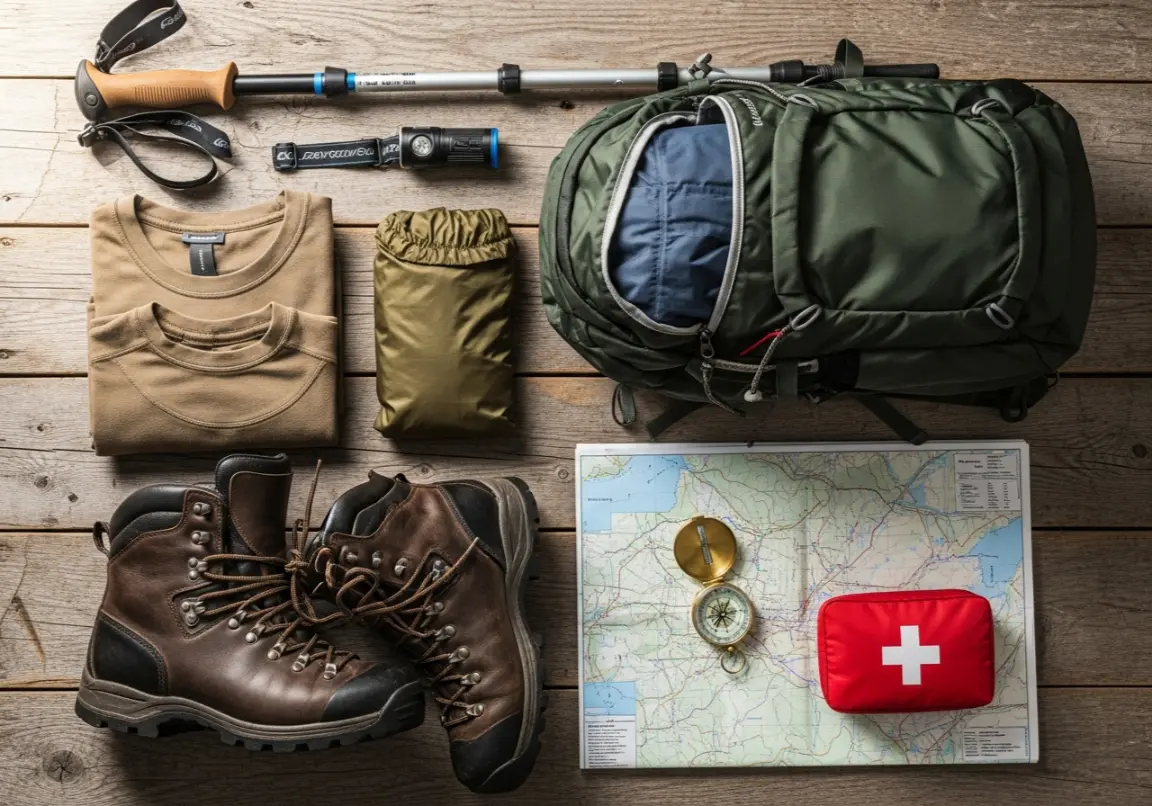
Equipment selection can determine success or failure. Footwear must match terrain demands while providing adequate support for heavy loads. Lightweight gear reduces strain but requires careful selection to maintain safety margins. Weather protection systems need redundancy, as getting caught in storms wearing inadequate clothing can prove life-threatening rather than merely uncomfortable.
Navigation skills prevent getting lost, while first aid knowledge enables response to injuries far from help. Understanding one’s limits and maintaining flexibility with itineraries allows safe completion rather than dangerous pushing when conditions deteriorate. The most successful epic hikers balance ambition with judgment, knowing when to continue and when circumstances demand retreat.
The Transformative Power of Long Distance Hiking
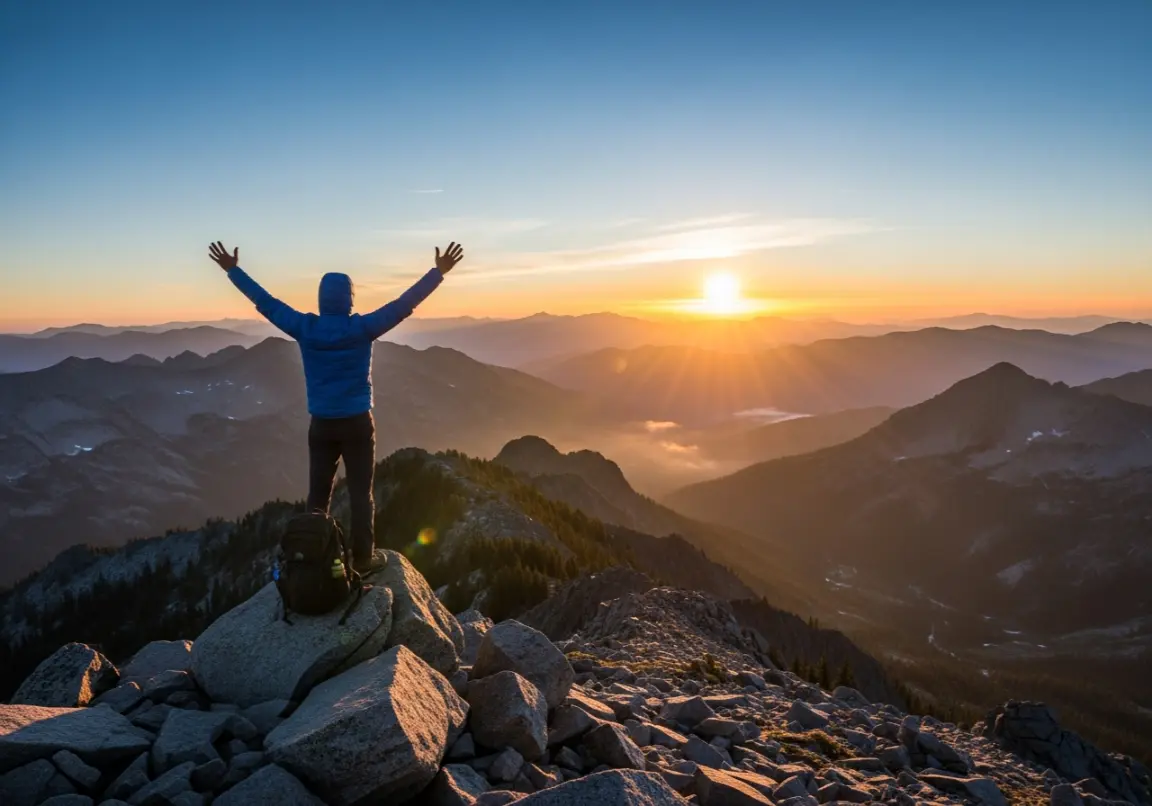
These ten trails share common elements beyond physical challenge and scenic beauty. They remove participants from daily routine, creating space for reflection impossible amid normal life’s distractions. The rhythm of walking for hours daily produces meditative states where clarity emerges about priorities, relationships, and future directions.
Accomplishing difficult goals builds confidence that transfers to other life domains. Finishing a multi-week trek through challenging terrain proves one’s capability to persist through discomfort toward meaningful objectives. This experiential knowledge shapes identity more powerfully than intellectual understanding of one’s potential.
The wilderness perspective reminds humans of their place within larger natural systems. Standing beneath star-filled skies unpolluted by light, crossing mountain passes carved by ancient glaciers, and witnessing wildlife in pristine habitats reconnects people to ecological reality. This connection often inspires environmental stewardship extending far beyond the trail.
Conclusion
These ten epic hikes represent more than athletic challenges or scenic destinations. They offer portals to transformative experiences where physical exertion, natural beauty, and personal growth converge. Each trail presents unique character shaped by geology, climate, and culture, yet all share the power to expand what participants believe possible.
Choosing which trail to attempt depends on fitness level, available time, budget, and personal interests. Some hikers gravitate toward cultural richness found on routes like the Inca Trail or Bhutan’s Snowman Trek. Others seek pure wilderness immersion in places like Tasmania or the Sierra Nevada. Technical challenge attracts certain adventurers to routes like the Drakensberg or West Coast Trail.
Regardless of which path calls loudest, thorough preparation transforms ambitious dreams into accomplished reality. The effort invested in training, research, and planning pays dividends through safer, more enjoyable experiences. Those willing to embrace discomfort, persist through difficulty, and remain open to unexpected lessons return from these epic trails fundamentally changed. The mountains, coasts, and valleys await those ready to accept their invitation to adventure.
Frequently Asked Questions
What fitness level do I need for epic multi-day hikes?
Most epic trails require excellent cardiovascular fitness and strong legs capable of carrying weighted packs for six to eight hours daily. Begin training at least three months before departure with progressively longer hikes carrying increasing weight. Include elevation gain in training hikes to prepare for mountain terrain. Those without regular hiking experience should start with shorter overnight trips before attempting week-long or longer routes.
How far in advance should I book permits for popular trails?
Permit timelines vary significantly by trail. The Inca Trail and West Coast Trail require booking four to six months ahead, with reservations filling almost immediately when released. The John Muir Trail permit lottery runs months before hiking season. Less regulated trails like the Haute Route don’t require permits but hut reservations fill early during peak season. Research specific trail requirements immediately when planning begins.
Can I complete these trails without a guide or support crew?
Trail independence varies widely. The John Muir Trail and Overland Track welcome self-sufficient hikers comfortable with wilderness navigation. The Inca Trail and Snowman Trek legally require licensed guides. The Tour du Mont Blanc and Haute Route can be completed independently using mountain huts, though some hikers prefer guided groups for logistics and companionship. Assess your skills honestly against specific trail demands.
What time of year offers the best conditions for mountain trekking?
Northern hemisphere high-altitude trails generally operate from June through September when passes are snow-free. Southern hemisphere routes like the Overland Track run November through April. Tropical destinations like the Kalalau Trail have year-round access but distinct wet and dry seasons. Shoulder seasons often provide excellent conditions with fewer crowds but require flexibility for weather delays. Research historical weather patterns for specific trails.
How much should I budget for an international multi-day trek?
Costs range dramatically based on destination and support level. Independent camping on trails like the John Muir Trail costs primarily for permits, food, and transportation. Hut-based routes like the Tour du Mont Blanc run several thousand dollars for accommodations and meals. Guided treks in Bhutan can exceed ten thousand dollars due to government fees and required services. Budget additional funds for gear, training trips, travel insurance, and unexpected expenses.
You may also like this post: 10 Stunning Beaches in the USA to Travel in 2026