

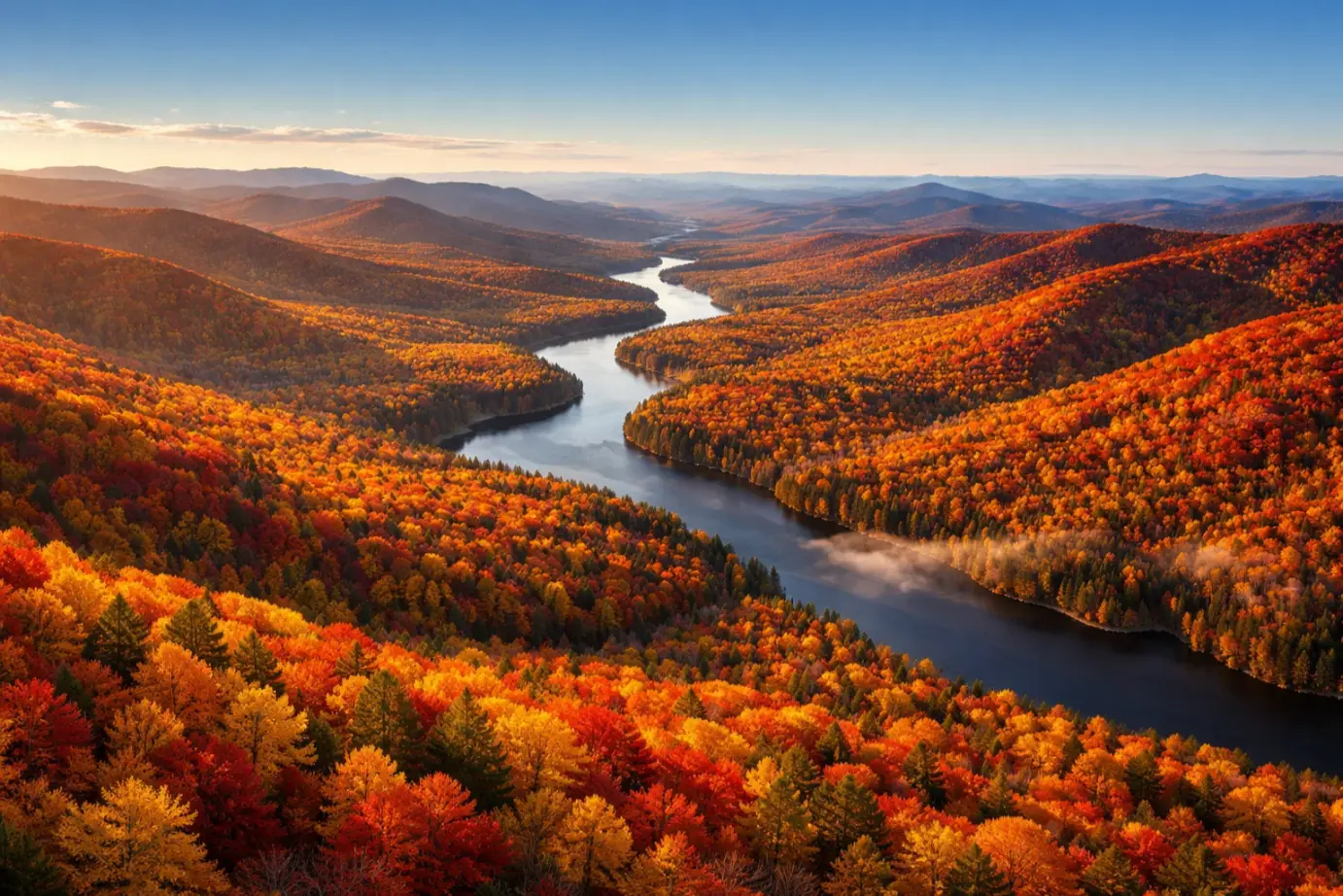
There is a particular magic to autumn in the United States. The air turns crisp, the forests ignite in shades of amber and crimson, and the country seems to exhale after the frenzy of summer. For travelers, fall is one of the most rewarding seasons to hit the road, and the best fall trips in USA has to offer tend to begin with exactly this feeling of anticipation and possibility. The crowds thin out, hotel rates drop, and nature stages one of its most spectacular shows entirely for free.
Whether you are searching for a peaceful mountain retreat, a dramatic coastal escape, or a charming small town draped in orange and gold, planning the best fall trips in USA destinations can offer means finding experiences that cover every type of traveler and every corner of the country. The challenge is not finding somewhere beautiful to go. The challenge is narrowing it down.
This guide covers 12 of the most epic places to visit in the fall across the United States, curated from the best fall trips in USA travelers and travel writers return to year after year, with enough detail to help you plan a trip that genuinely feels like autumn in all its glory.
1. Stowe, Vermont

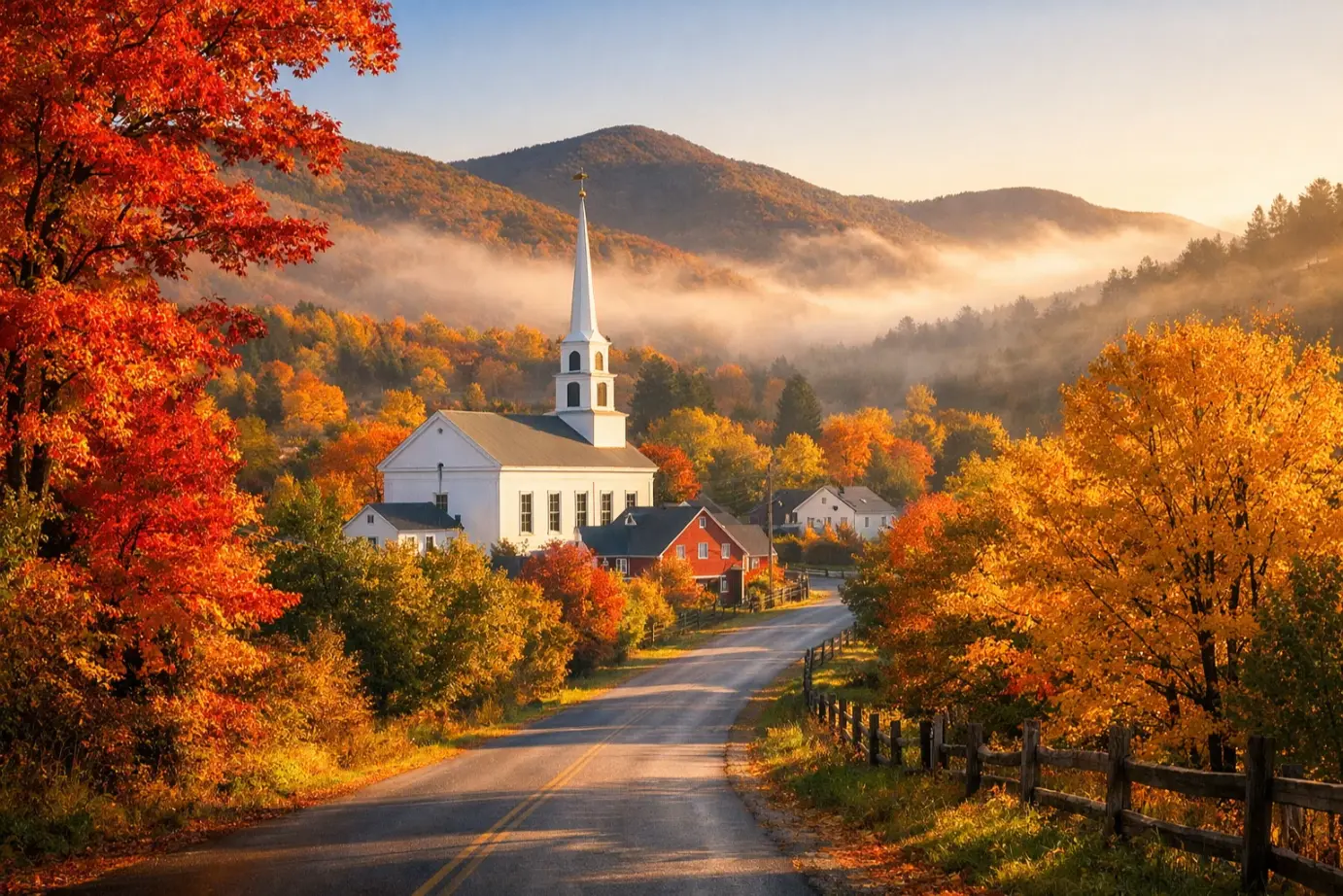
Vermont is practically synonymous with fall, and Stowe is the crown jewel of the state’s autumn experience. Nestled in the Green Mountains, this small town becomes one of the most photographed places in the country from late September through mid-October, when the foliage reaches its absolute peak.
The drive along Route 108 through Smugglers Notch is worth making on its own, especially when the hillsides are saturated with color. Visitors can ride the gondola up Mount Mansfield for panoramic views above the tree line, walk the Stowe Recreation Path through the valley, and stop at Cold Hollow Cider Mill for fresh-pressed cider and warm apple donuts.
Peak foliage in Stowe typically lands in the first two weeks of October, and accommodations fill up fast. Booking a charming inn or bed-and-breakfast a few months in advance is strongly recommended.
2. Acadia National Park, Maine
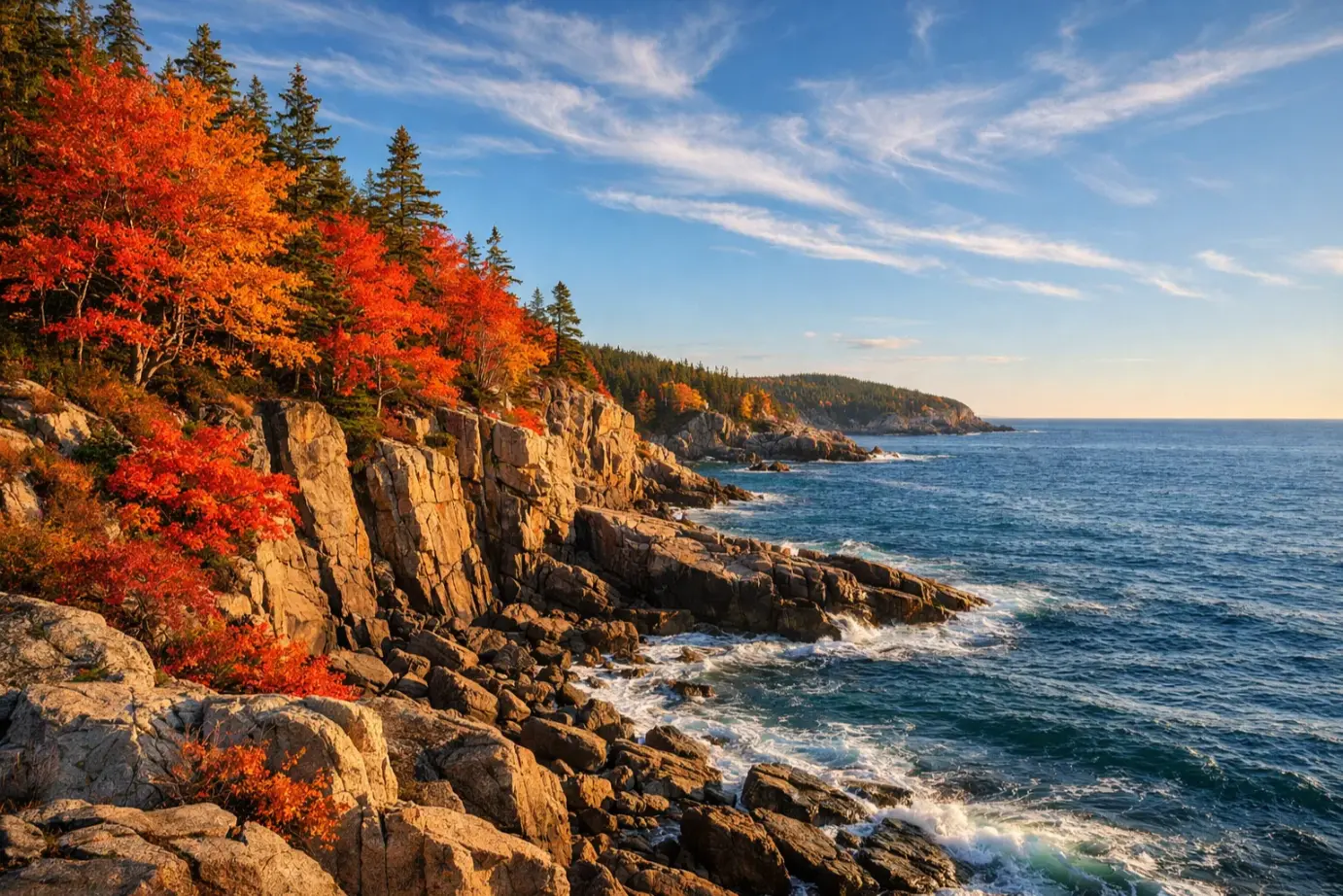
If you want fall foliage with a coastal backdrop, Acadia National Park delivers a combination that is nearly impossible to replicate anywhere else in the country. Located on Mount Desert Island off the coast of Maine, the park draws visitors from across the country every October as the birch and maple trees shift into brilliant color against the dramatic Atlantic shoreline.
The park offers an extensive trail network ranging from gentle carriage roads to challenging summit hikes. Cadillac Mountain is the crown jewel, offering views across the islands and the open ocean that feel genuinely surreal on a clear fall morning. The nearby town of Bar Harbor provides excellent restaurants, local breweries, and cozy lodging options to round out the experience.
Foliage peaks in Acadia around mid-October, and it is worth noting that snow can arrive as early as November, so timing matters.
3. The Blue Ridge Parkway, Virginia and North Carolina
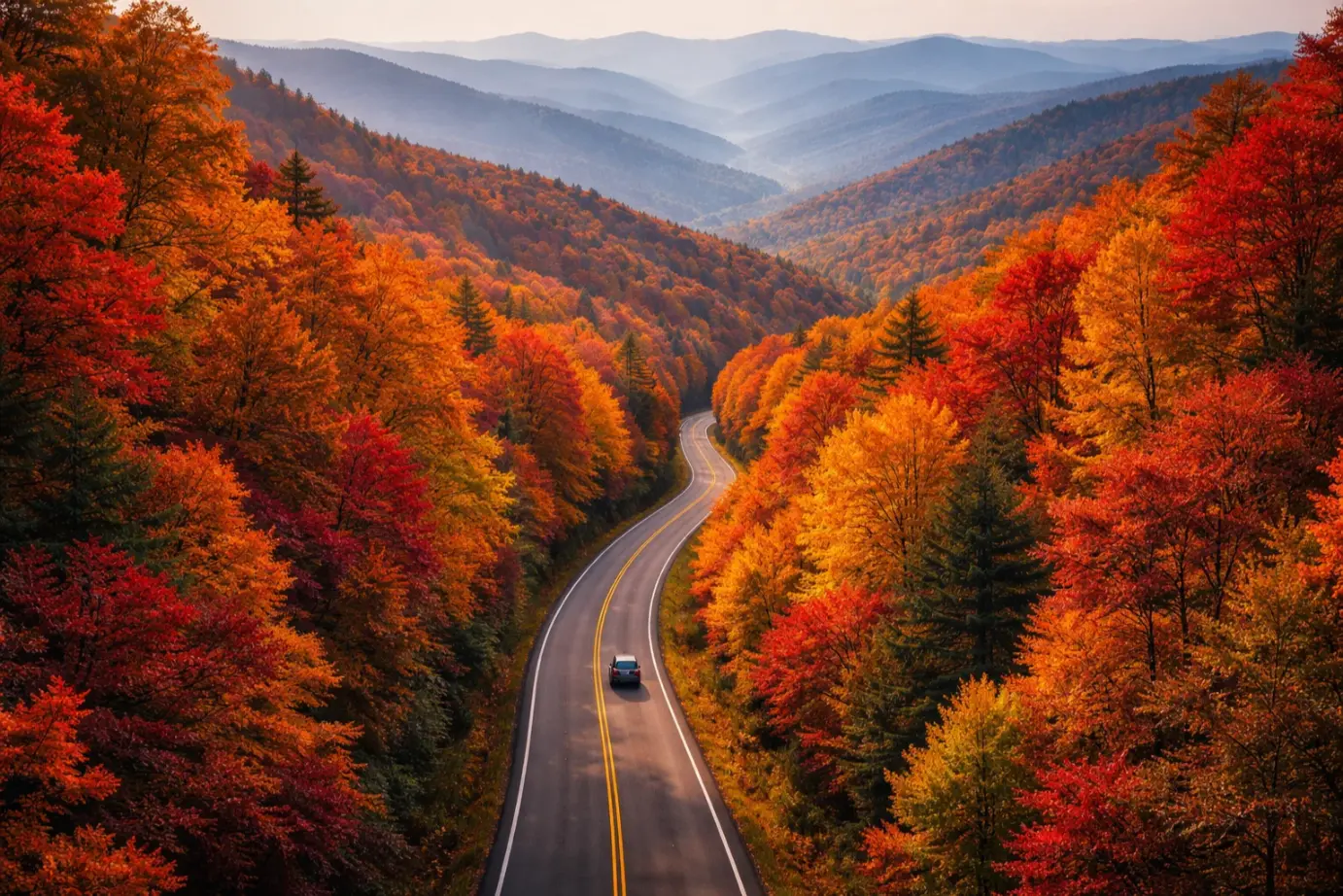
Few roads in the country rival the Blue Ridge Parkway for a fall road trip. This 469-mile scenic route winds through the Appalachian Mountains, connecting Shenandoah National Park in Virginia to Great Smoky Mountains National Park in North Carolina, with dozens of overlooks, hiking trailheads, and small mountain communities along the way.
October is the peak month for color along the Parkway, and the Linn Cove Viaduct near Grandfather Mountain is one of the most photographed stretches of road in America during autumn. Further south, the section near Asheville, North Carolina, opens up access to trails like Craggy Gardens and Graveyard Fields, both excellent for day hikes surrounded by color.
The Parkway requires no entry fee and can be driven at your own pace, making it one of the most accessible and rewarding fall road trips in the entire country.
4. Great Smoky Mountains, Tennessee and North Carolina
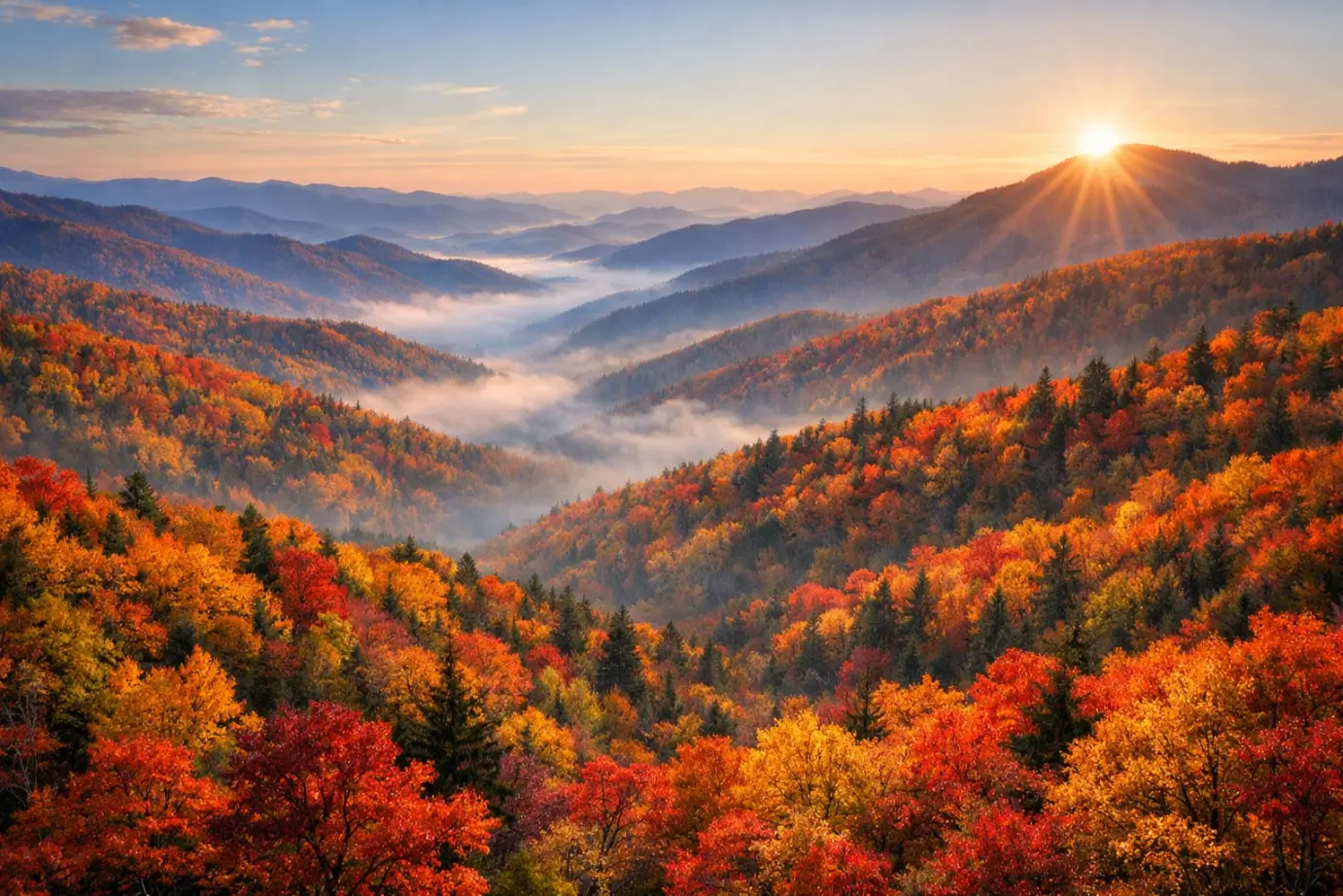
As the most visited national park in the United States, the Great Smoky Mountains draw millions of visitors each year, and fall is arguably their finest season. From mid-September through early November, the park cycles through layers of color as the foliage changes from the highest elevations downward, creating an extended viewing season that few other destinations can match.
The variety of tree species in the park is extraordinary. Birch, beech, maple, oak, and hickory all contribute different colors at different times, meaning the landscape transforms week by week rather than all at once. Clingmans Dome offers a panoramic view above the forest canopy, and Morton’s Overlook along Newfound Gap Road provides one of the most beloved autumn vistas in the park.
For those who want to combine comfort with natural beauty, glamping in the Smokies is a popular option that allows visitors to enjoy cool evenings around a fire without sacrificing a good night’s sleep.
5. Aspen, Colorado
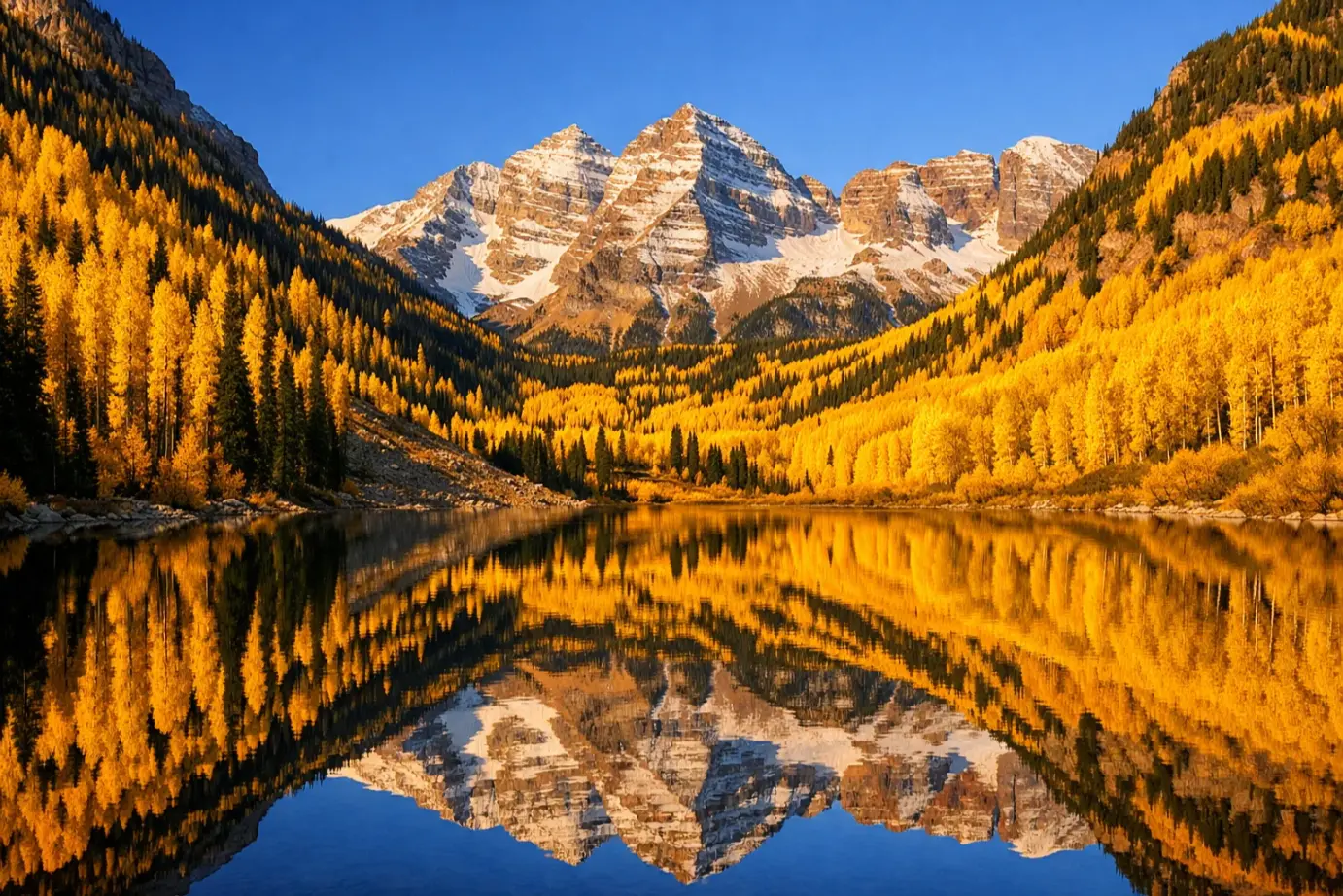
Colorado in fall is a revelation for anyone who has only ever seen the state in winter or summer. When the aspen trees turn, the mountains above Aspen transform into a landscape of liquid gold that rivals anything New England can offer. The Maroon Bells, two dramatic peaks reflected in an alpine lake surrounded by golden foliage, rank among the most photographed natural sites in North America.
Late September through early October is the window for peak aspen color in this part of Colorado, and the window is narrow, which makes timing essential. The Maroon Bells area is accessible by shuttle during peak season, and Independence Pass offers a spectacular scenic drive with sweeping mountain views.
Downtown Aspen is small but well-appointed, with excellent restaurants, art galleries, and cozy cafes that make lingering easy even after the hiking is done.
6. Salem, Massachusetts
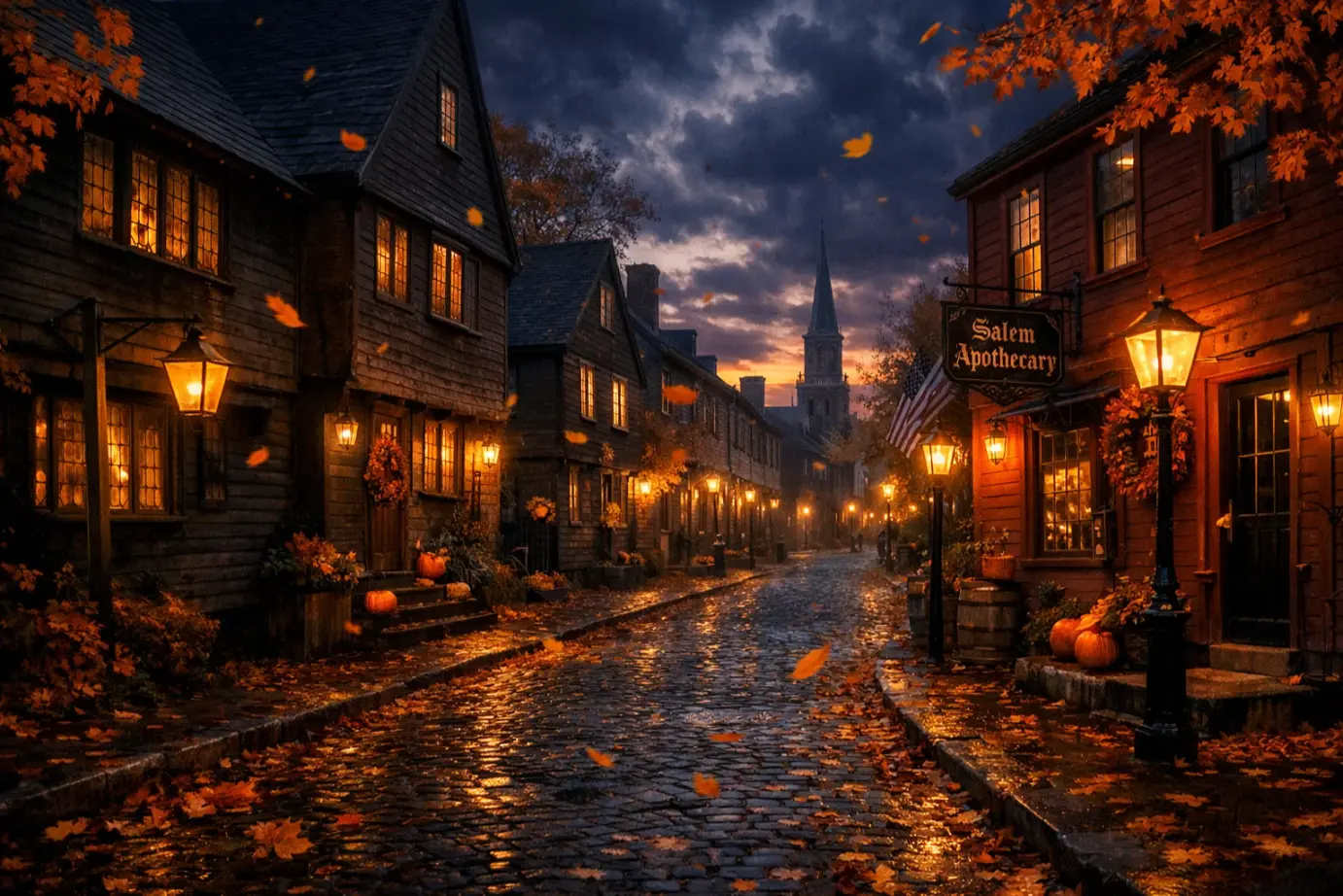
No list of fall destinations would be complete without Salem. October transforms this historic coastal city into one of the most atmospheric places in the country, drawing visitors with its combination of genuine history, Halloween celebrations, and excellent food scene.
Salem is famous for its 17th-century witch trials, and the city leans fully into that history throughout October with ghost tours, theatrical events, museum exhibitions, and the month-long Haunted Happenings festival. The Peabody Essex Museum is one of the finest art and culture museums in New England and well worth a dedicated visit.
Salem is also conveniently located about 30 miles north of Boston, making it an easy day trip or a worthwhile standalone destination for a fall weekend.
7. Shenandoah National Park, Virginia
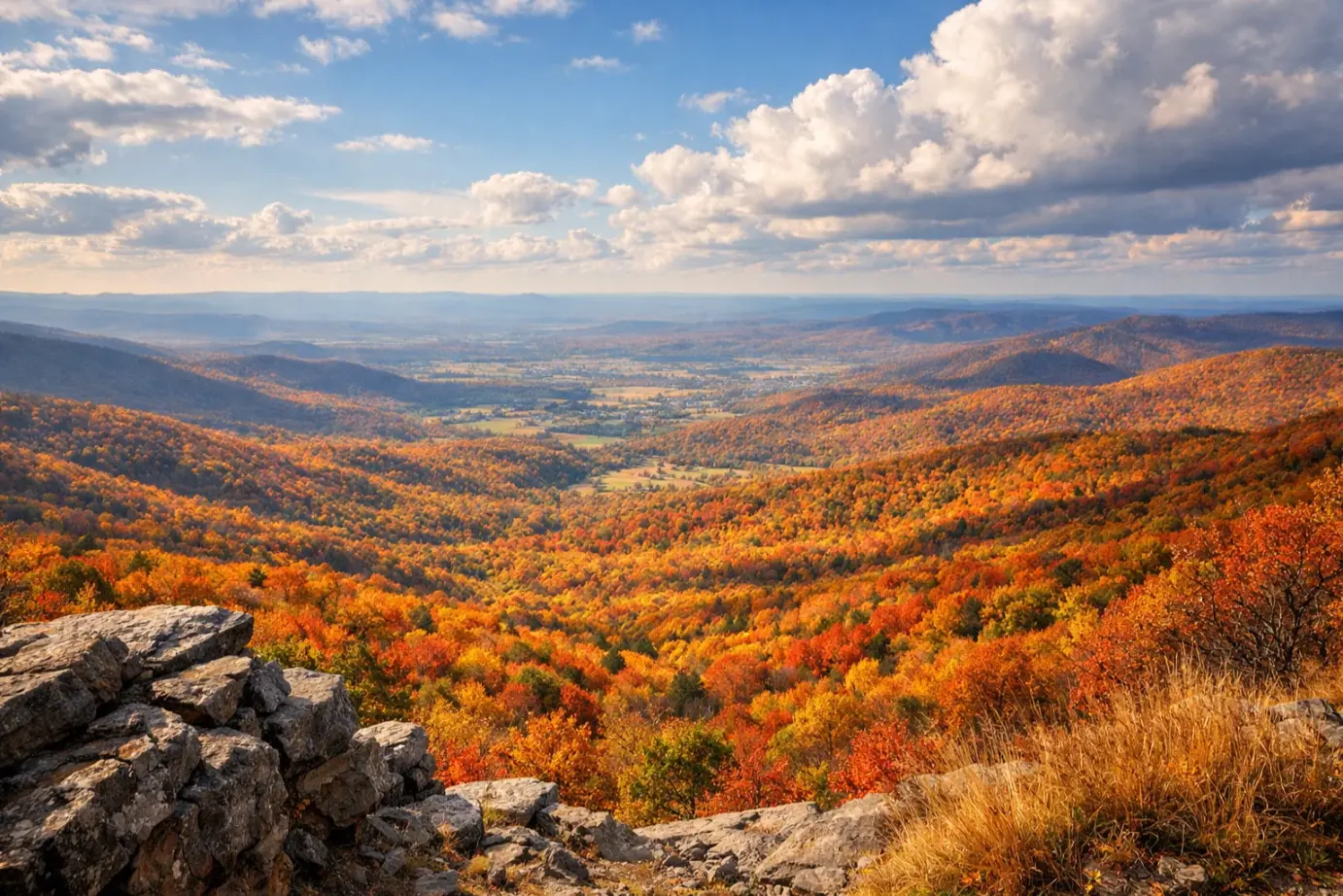
Stretching along the crest of the Blue Ridge Mountains in western Virginia, Shenandoah National Park offers one of the most accessible fall foliage experiences on the East Coast. The park is a relatively easy drive from Washington, D.C., Richmond, and other major Mid-Atlantic cities, which makes it an appealing destination for urban travelers looking to escape for a weekend.
Skyline Drive, the 105-mile road that runs the full length of the park, is lined with overlooks that frame the Shenandoah Valley in every direction. The Hawksbill Trail leads to the park’s highest peak, while longer routes along the Appalachian Trail offer more solitude and deeper immersion in the autumn landscape.
Mid to late October is the ideal window for peak color, though the timing shifts slightly from year to year depending on temperature and rainfall.
8. Hudson Valley, New York
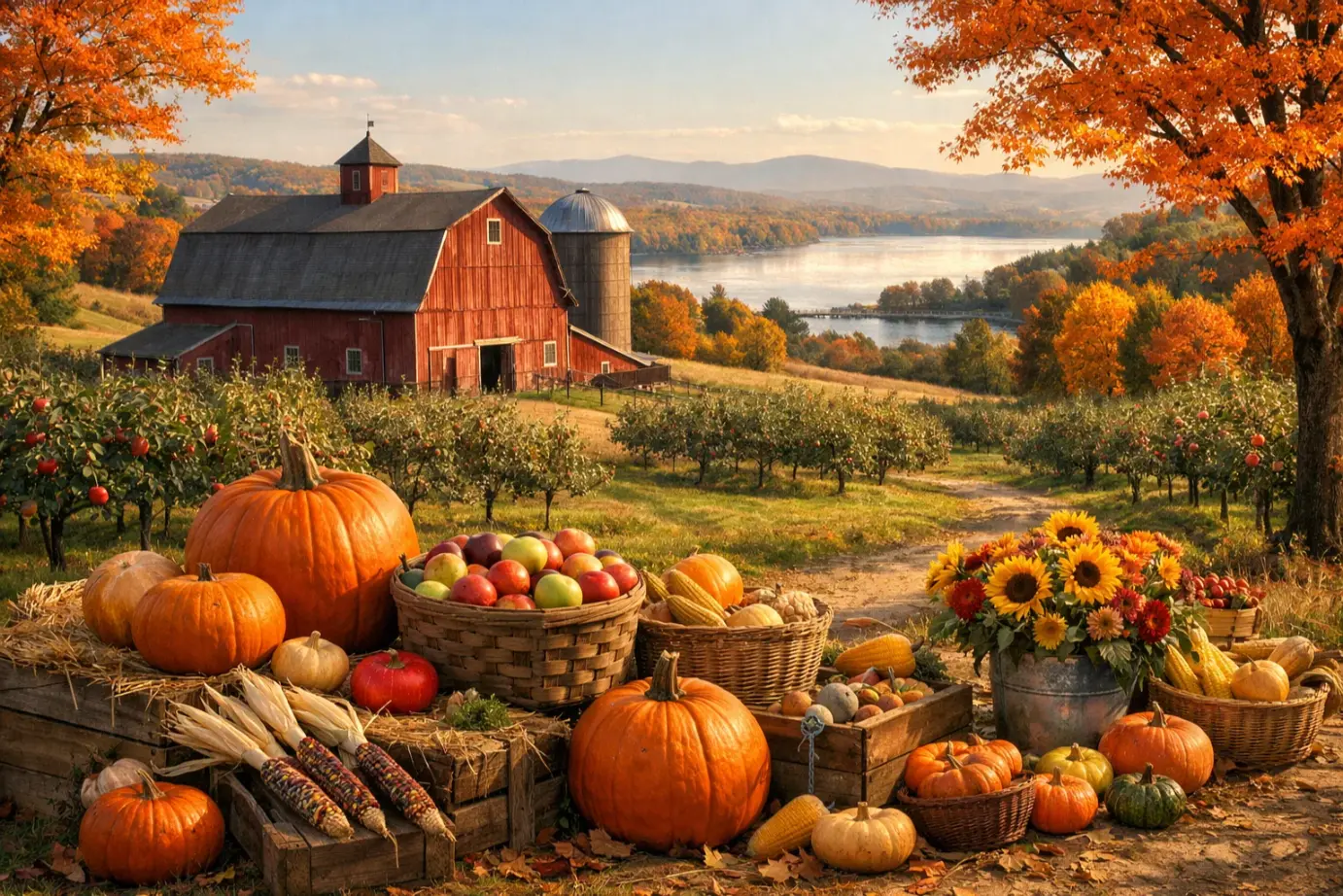
The Hudson Valley is one of the most underappreciated fall destinations in the country, despite sitting just north of New York City and offering an experience that feels worlds away from urban life. The region spans both sides of the Hudson River across several counties, each with its own character, charm, and scenery.
Rhinebeck, Cold Spring, and Millerton are among the most inviting small towns in the valley, each offering independent restaurants, antique shops, and farm stands stocked with seasonal produce. Wine tasting at Hudson Valley vineyards and apple picking at family-owned orchards are quintessential fall activities that give the region its particular warmth.
For those coming from New York City, the drive up Route 9 or across the Walkway Over the Hudson provides its own scenic introduction to one of the most beautiful river corridors in the eastern United States.
9. Asheville, North Carolina
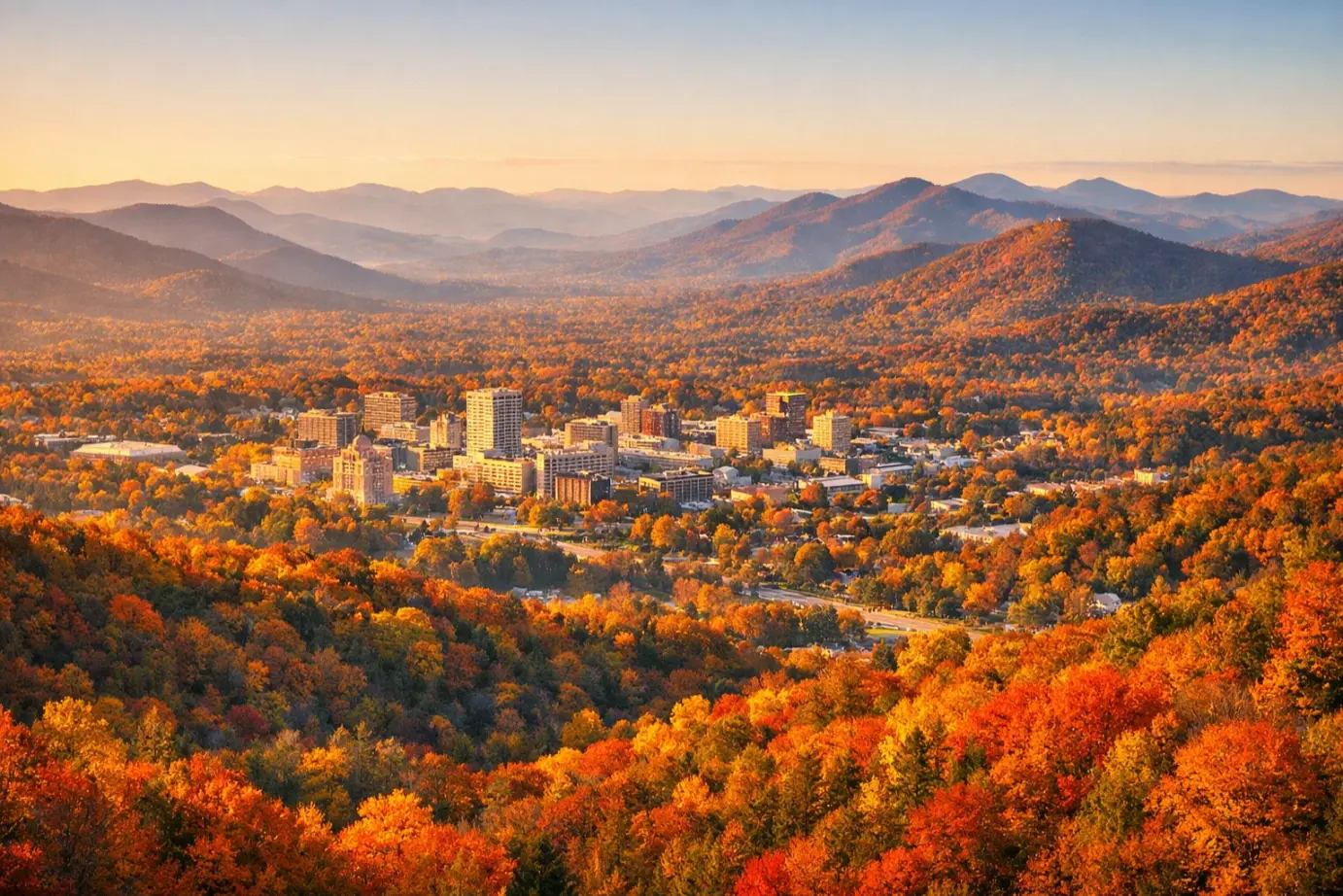
Nestled in the southern Appalachian Mountains, Asheville has built a well-deserved reputation as one of the most vibrant small cities in the country, and fall elevates it even further. The surrounding Blue Ridge Mountains frame the city in autumn color, while the town itself offers a rich cultural life built around craft breweries, independent restaurants, a thriving arts community, and the stunning Biltmore Estate.
The Biltmore, America’s largest privately owned home, opens its 8,000-acre grounds for fall tours and seasonal events that include wine tastings, garden walks, and evening candlelight tours of the house. The nearby Chimney Rock State Park and Black Balsam Knob trail are excellent for day hikes with big views.
Asheville combines outdoor adventure with genuine cultural substance in a way that few destinations its size can manage.
10. Zion National Park, Utah
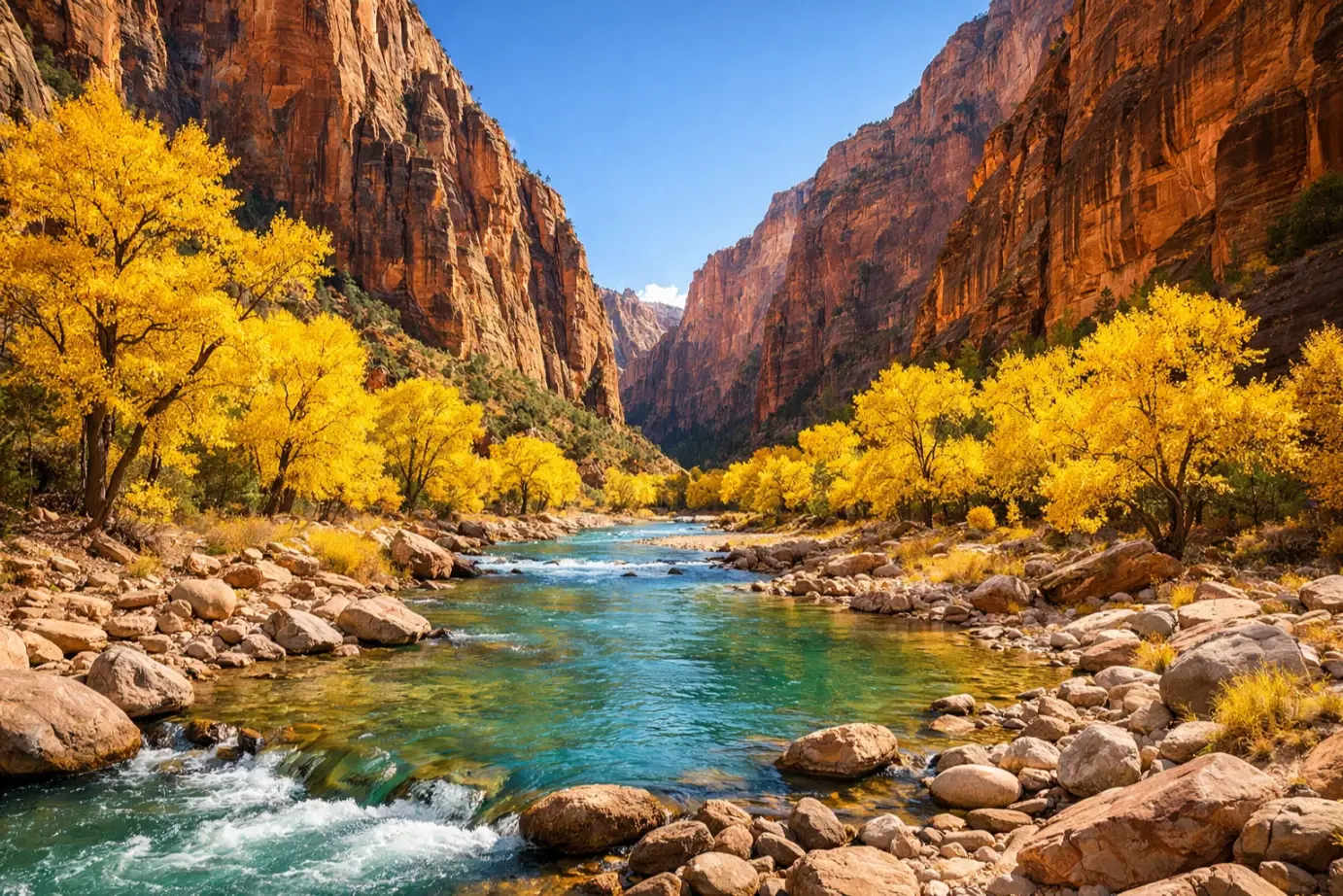
Zion may not be the first destination that comes to mind for a fall trip, but it deserves serious consideration. Summer crowds thin dramatically in September and October, temperatures become genuinely comfortable for hiking, and the cottonwood trees along the Virgin River turn bright yellow against the red sandstone walls of the canyon, creating a color combination unlike anything you will see in the eastern half of the country.
Angel’s Landing and The Narrows are the park’s most iconic hikes, and both are significantly more enjoyable in fall without the intense summer heat. Nearby Bryce Canyon and Capitol Reef offer additional reasons to extend a Utah road trip into a week-long adventure through some of the most dramatic landscapes in the American West.
11. Door County, Wisconsin
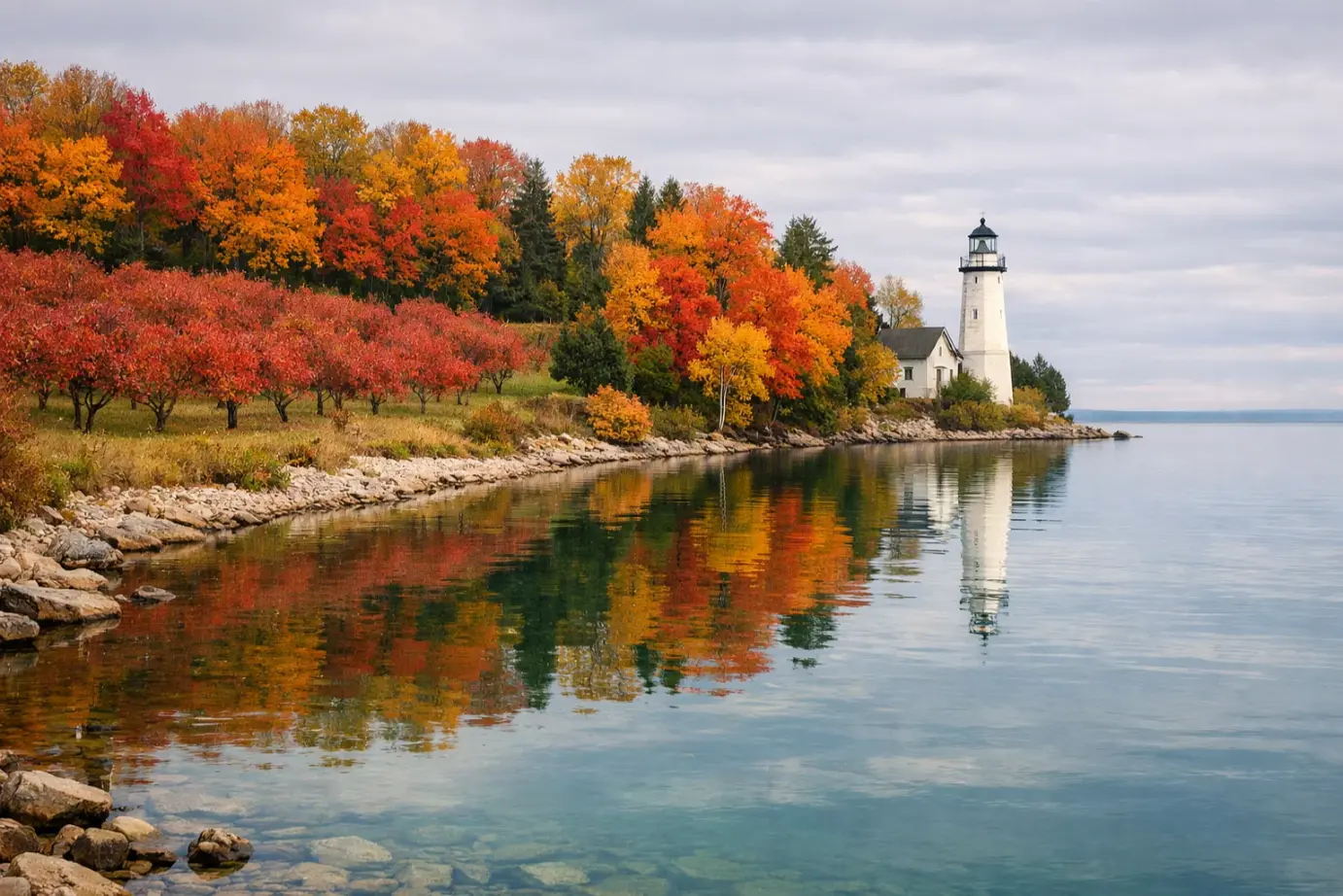
Door County is known primarily as a summer destination, but the fall version of this Great Lakes peninsula is a revelation. The cherry and apple orchards that draw summer visitors are still active during harvest season, and the cooler weather and reduced crowds give the region a quieter, more contemplative character.
The peninsula juts into Lake Michigan between Green Bay and the open lake, and the combination of water views, orchard landscapes, and changing tree color makes for a particularly rich autumn visual experience. Fish Creek and Ephraim are two of the most charming villages in the area, each with excellent restaurants and local galleries.
Fall also happens to be the best season for watching migrating birds along the Lake Michigan shoreline, adding a nature observation element that summer visitors miss entirely.
12. North Shore, Minnesota
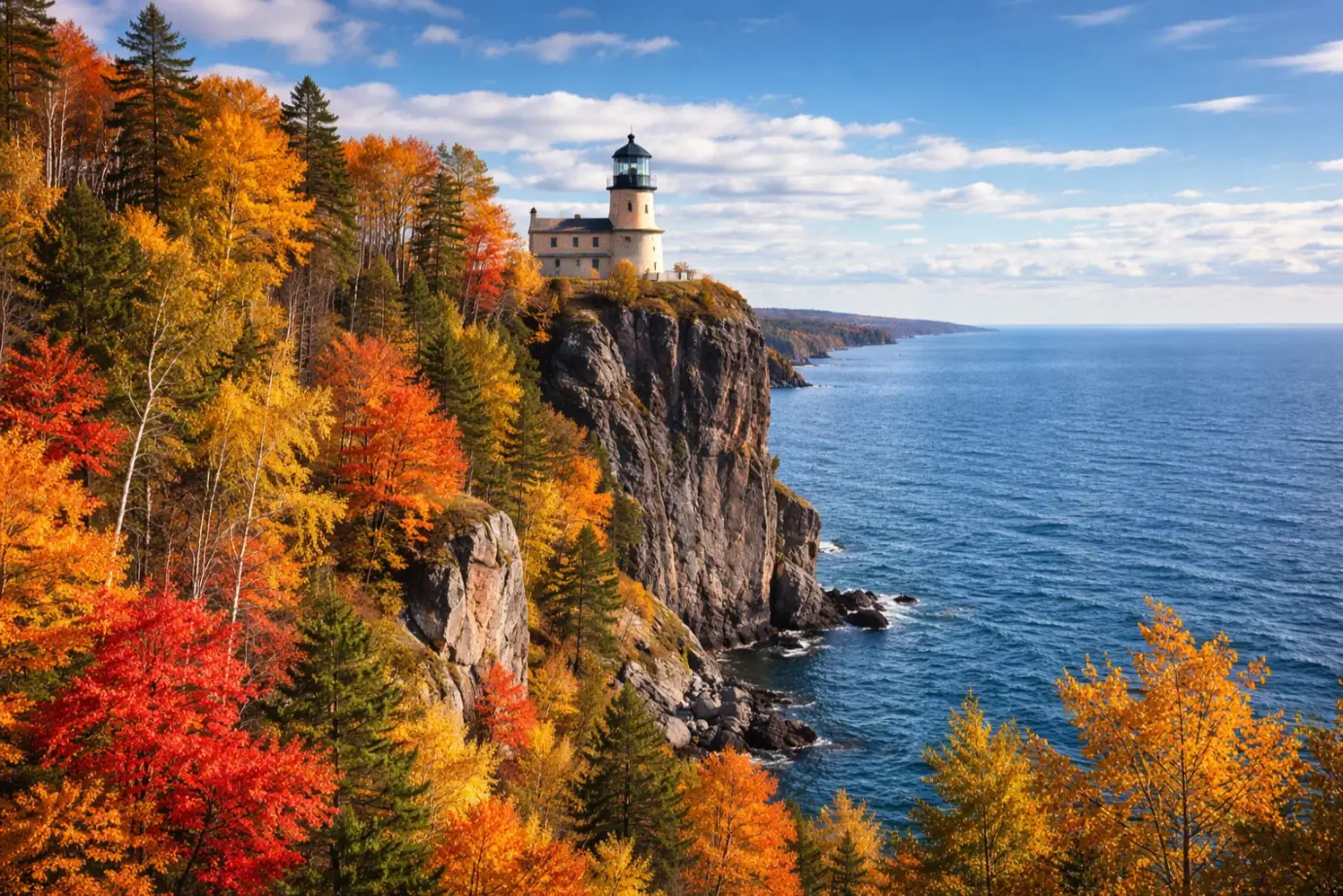
The North Shore of Lake Superior in Minnesota is one of the most spectacularly beautiful fall destinations in the Midwest, and it remains far less crowded than comparable destinations in New England. Highway 61 runs north from Duluth through a series of state parks, waterfalls, and small towns to the Canadian border, offering a fall road trip that combines dramatic lake views with some of the finest hardwood forest color in the country.
Split Rock Lighthouse perched above the lake is one of the most photographed landmarks in the state, and Gooseberry Falls State Park provides an easy waterfall hike surrounded by autumn foliage. Grand Marais, at the northern end of the drive, is a small arts community with excellent local food and access to the Boundary Waters Canoe Area Wilderness.
Peak color on the North Shore typically arrives in late September to early October, slightly earlier than destinations further south.
Why Fall Is the Best Season to Travel in the USA
Beyond the foliage itself, fall travel in the United States offers practical advantages that other seasons cannot match. Shoulder season pricing means hotel rates and airfares drop noticeably in most destinations once summer ends. National parks and popular tourist towns see significantly reduced visitor numbers, making hikes, overlooks, and restaurants more enjoyable. The weather in most of the country settles into a comfortable range, cool enough for active outdoor pursuits but not so cold as to limit what you can do.
There is also something harder to quantify about autumn travel. The pace slows. The light changes. People seem more inclined toward the kind of unhurried exploration that makes a trip feel genuinely restorative rather than just another item to check off a list.
A Note on Timing
Fall foliage follows a predictable pattern across the country. Color typically begins at high elevations and northern latitudes in mid to late September, then moves southward and to lower elevations through October and into early November. The peak window at any given destination usually lasts one to two weeks, so checking a reliable foliage forecast in the weeks before your trip pays real dividends.
Most of the destinations on this list hit their peak color somewhere between the first and last weeks of October, with New England and northern destinations peaking earlier and southern Appalachian destinations peaking later.
Conclusion
The best fall trips in the USA offer something rare in modern travel. They take you to places that are actively, visibly alive with seasonal change, where the landscape itself is doing something worth witnessing. From the golden aspens above Aspen, Colorado, to the red maples lining the roads of Stowe, Vermont, to the yellow cottonwoods threading through the canyons of Zion, each destination on this list delivers an autumn experience that is genuinely worth planning around.
Choose one destination for a long weekend or chain several together for an epic fall road trip across the country. Either way, the season itself will do much of the work. All you have to do is show up before the leaves come down.
You may also like this post: Exploring the Beauty of Irvine Lake: A Comprehensive Guide
Frequently Asked Questions
Q1. When is the best time to visit the USA for fall foliage? The best window runs from late September through late October, with peak timing varying by region. Northern destinations like Vermont and Maine peak earliest, typically in early to mid-October, while southern Appalachian destinations like the Great Smokies often peak in late October or early November.
Q2. Which state has the most impressive fall foliage in the USA? Vermont consistently ranks as the top state for fall foliage thanks to its high concentration of sugar maple trees, which produce the most intense reds and oranges. However, Colorado, New Hampshire, Maine, and North Carolina also offer spectacular and sometimes less crowded fall color experiences.
Q3. How far in advance should I book accommodations for a fall trip? For popular destinations like Stowe, Acadia, and Asheville during peak October weekends, booking two to three months in advance is advisable. Weekday travel and slightly off-peak timing in late September or early November can significantly improve availability and reduce costs.
Q4. What should I pack for a fall road trip in the USA? Layers are essential. Fall weather in most destinations swings between warm afternoons and cool mornings and evenings. A waterproof outer layer, comfortable walking shoes or hiking boots, and a warm mid-layer will cover most situations. A camera or a smartphone with a strong camera is equally important.
Q5. Are national parks in the USA worth visiting in fall compared to summer? Fall is arguably the best season to visit most national parks. Summer crowds disappear, temperatures become more comfortable for hiking, and the autumn color adds a visual dimension that summer visits do not offer. Entry fees and passes remain the same, but the overall experience improves considerably in September and October.