

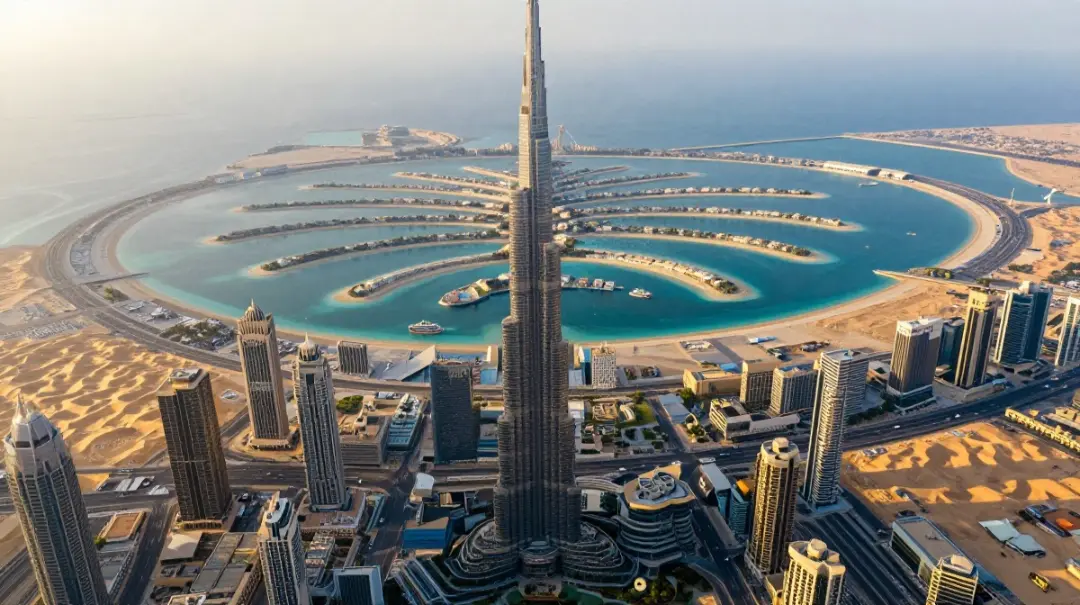
Dubai is one of those cities that demands to be seen to be believed. In the span of just a few decades, this desert emirate transformed from a modest pearl-diving settlement into one of the most spectacular urban destinations on the planet. For first-time visitors, arriving in Dubai can feel genuinely overwhelming. The skyline is unlike anything else on earth, the shopping is legendary, the food scene is world-class, and the cultural contrasts are profound and beautiful all at once.
The good news is that four days in Dubai is genuinely enough time to experience the city’s greatest highlights without rushing yourself ragged. With smart planning and logical grouping of attractions, you can move through Old Dubai, Downtown, the desert, and the Marina in a way that feels immersive rather than frantic. This guide gives you a practical, experience-rich 4 days in Dubai itinerary built specifically for travelers visiting for the first time.
Day 1: Discover the Soul of Old Dubai
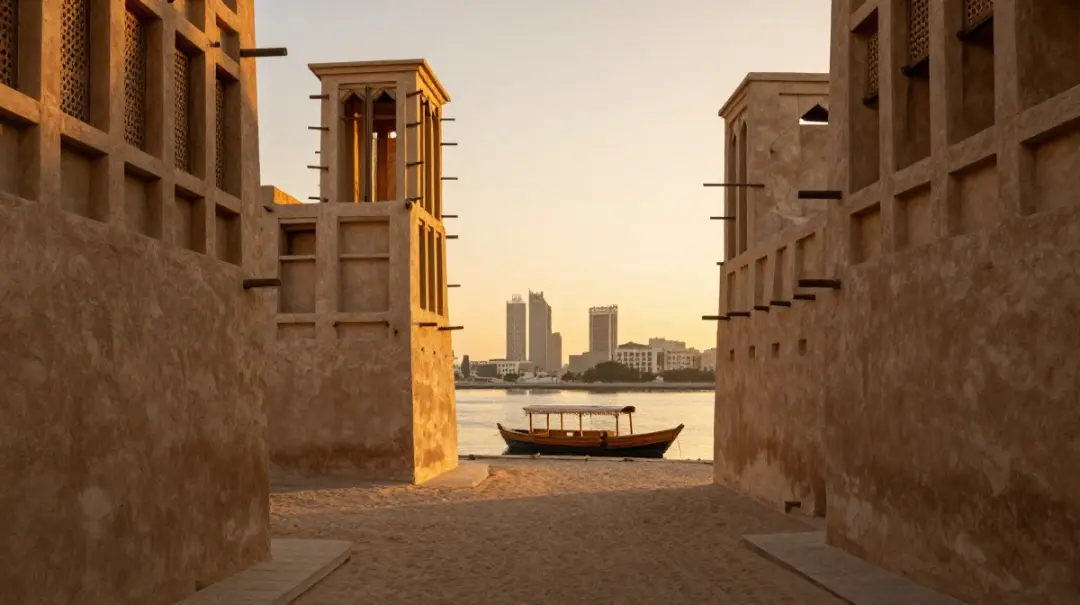
Most first-time visitors make the mistake of diving straight into the modern skyline. Starting instead with the historic heart of the city gives you essential context for everything else you will see. Old Dubai is where the story begins, and it remains one of the most atmospheric urban environments in the entire Gulf region.
Al Fahidi Historical Neighbourhood and the Dubai Museum
Begin your first morning in the Al Fahidi Historical Neighbourhood, also known as Al Bastakiya. This compact district of narrow lanes and traditional wind-tower architecture dates back to the late 1800s and stands as a striking reminder of Dubai before the oil era. The wind towers, known locally as Barjeel, were an ingenious form of pre-modern air conditioning that funneled breezes down into the rooms below.
The Dubai Museum is housed inside Al Fahidi Fort, the oldest surviving building in the city. Entry is inexpensive and the exhibits inside paint a vivid picture of Bedouin life, pearl diving culture, and the sea trade routes that sustained Dubai for centuries. Spend an hour or so here before moving on.
Dubai Creek, the Abra Ride, and the Souks
A short walk brings you to Dubai Creek, the natural inlet that effectively gave birth to the city. For just one dirham, you can board a traditional wooden Abra boat and cross the creek to Deira on the opposite bank. This short crossing remains one of the most memorable and affordable experiences in the entire city. The sights, sounds, and energy of working boats loaded with cargo tell a story that no museum exhibit quite can.
Once across, spend time exploring the Gold Souk and the Spice Souk. The Gold Souk is genuinely extraordinary in scale, with more than 300 retailers displaying an astonishing volume of jewelry. Even if you have no intention of buying, walking through the covered arcade and taking in the gleaming displays is an experience worth having. The Spice Souk next door assaults the senses in the best possible way, with sacks of saffron, frankincense, dried rose petals, and a dozen blends of Arabic coffee filling the air with an unmistakable aroma.
Dubai Frame at Sunset
In the late afternoon, make your way to the Dubai Frame in Zabeel Park. This 150-meter structure in the shape of a giant picture frame is one of the city’s more recent and cleverly conceived attractions. From the glass-floored sky bridge at the top, you look out in one direction at the low-rise, historic Deira and Bur Dubai districts and in the other at the gleaming Downtown skyline. No single vantage point in the city captures the contrast between old and new as dramatically as this one. Book your ticket online in advance to avoid queues.
Day 2: Downtown Dubai and the Icons of the Modern City
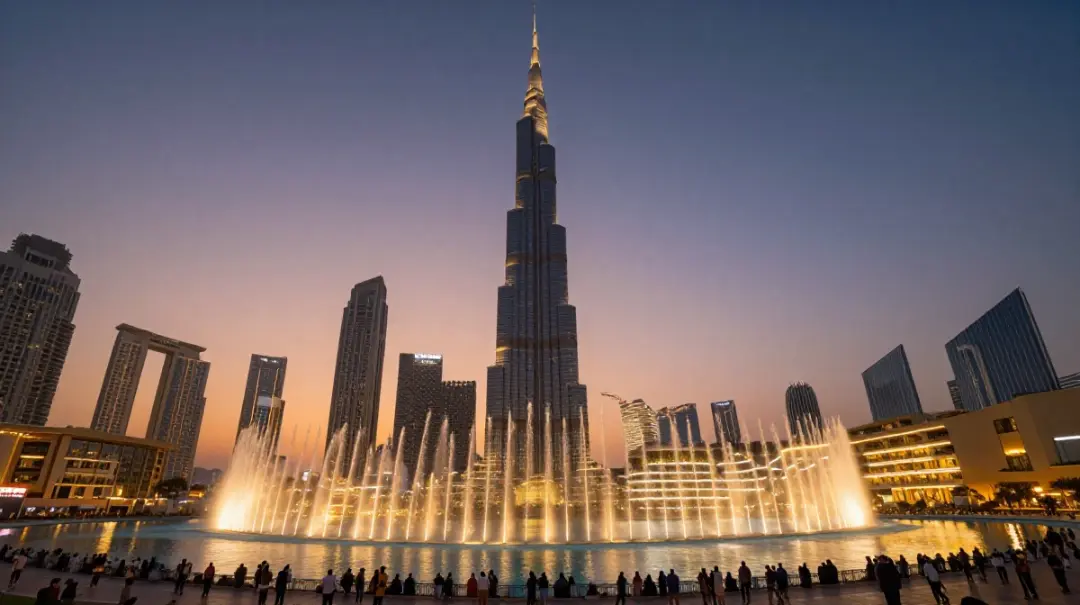
Your second day is dedicated to the landmarks that have made Dubai famous worldwide. Downtown Dubai is the epicenter of modern ambition, and spending a full day here ensures you do justice to attractions that genuinely warrant the hype.
Burj Khalifa: At the Top
Start early. The Burj Khalifa, at 828 meters, is the tallest building in the world, and visiting before the midday crowds is both more comfortable and more rewarding. The At the Top experience takes you to the observation decks on floors 124 and 125, where the panoramic view across the city, the desert, and the Arabian Gulf is genuinely breathtaking. On a clear morning, visibility extends for miles in every direction. There is also a premium Sky observation deck on floor 148 for those who want the highest accessible point. Book tickets well ahead of your visit, particularly for the early morning or golden hour slots, as these sell out consistently.
Dubai Mall and the Aquarium
Connected directly to the Burj Khalifa, Dubai Mall is more than a shopping center. It is the most visited building on earth and contains enough experiences to fill a full day on its own. The Dubai Mall Aquarium is one of the largest suspended aquariums in the world and houses thousands of aquatic species including sand tiger sharks and giant rays. There is also an indoor ice rink, a VR park, a dinosaur skeleton on display, and dozens of restaurant options ranging from casual street food to fine dining.
The Dubai Fountain Show
As evening falls, position yourself along the promenade at the base of the Burj Khalifa overlooking Burj Khalifa Lake. The Dubai Fountain Show runs at regular intervals from around 6 pm and is entirely free to watch. Water jets shoot up to 150 meters into the air, choreographed to a changing playlist of Arabic, Hindi, and international music with a full LED lighting display. It is one of the most spectacular free attractions in the world and a genuinely moving experience on a warm Dubai evening.
Day 3: Desert Safari and a Taste of Arabian Adventure
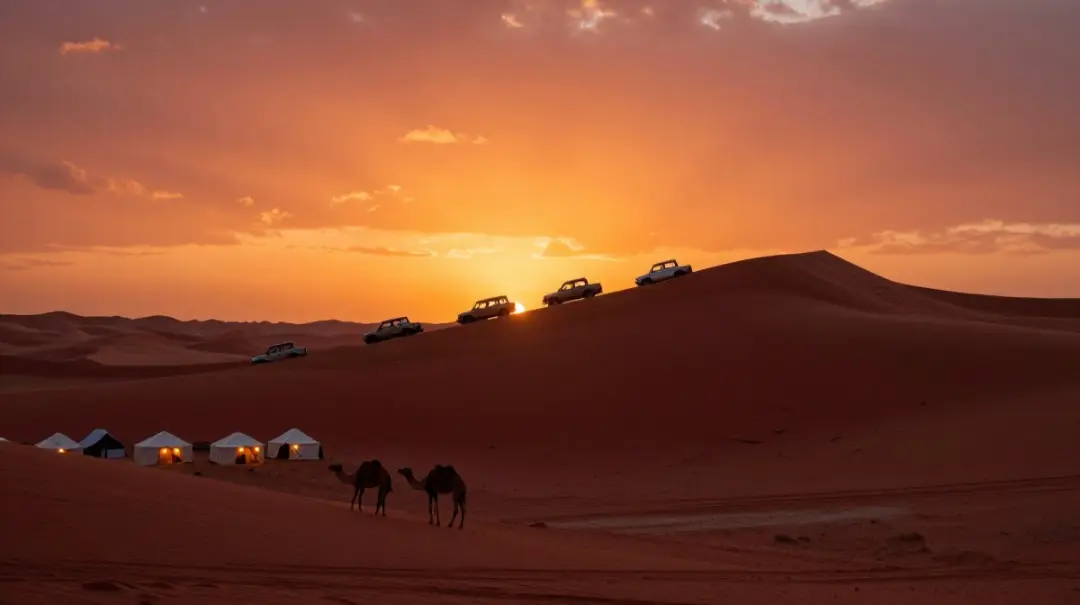
No 4 days in Dubai itinerary is complete without at least one experience that takes you beyond the city limits and into the landscape that shaped everything around it. The desert is not just a backdrop. It is where Dubai came from.
Morning at Your Leisure
Most desert safari operators collect guests in the late afternoon, so your morning on day three is relatively free. Use this time to visit the Dubai Miracle Garden if you are traveling between October and April. This extraordinary floral park covers over 72,000 square meters and features millions of flowers arranged into elaborate sculptures, arches, and displays including life-size aircraft covered entirely in blooms. It is an unusual and genuinely impressive attraction that contrasts with virtually everything else in this itinerary.
Evening Desert Safari
In the afternoon, your desert safari pickup will typically begin between 3 and 4 pm. The drive takes around 45 minutes into the red dunes of the Dubai Desert Conservation Reserve. A classic evening safari includes dune bashing in 4×4 vehicles, sandboarding, camel riding, and a traditional Bedouin camp dinner under the stars. The camp experience typically includes live entertainment, shisha, Arabic coffee, and a buffet dinner with grilled meats, mezze, and traditional sweets.
For a more premium experience, look into operators that offer falcon demonstrations and heritage-focused storytelling alongside the standard activities. The desert at night, with the city glow visible on the distant horizon, is one of those experiences that stays with you long after the trip ends.
Day 4: Palm Jumeirah, Dubai Marina, and the JBR Waterfront
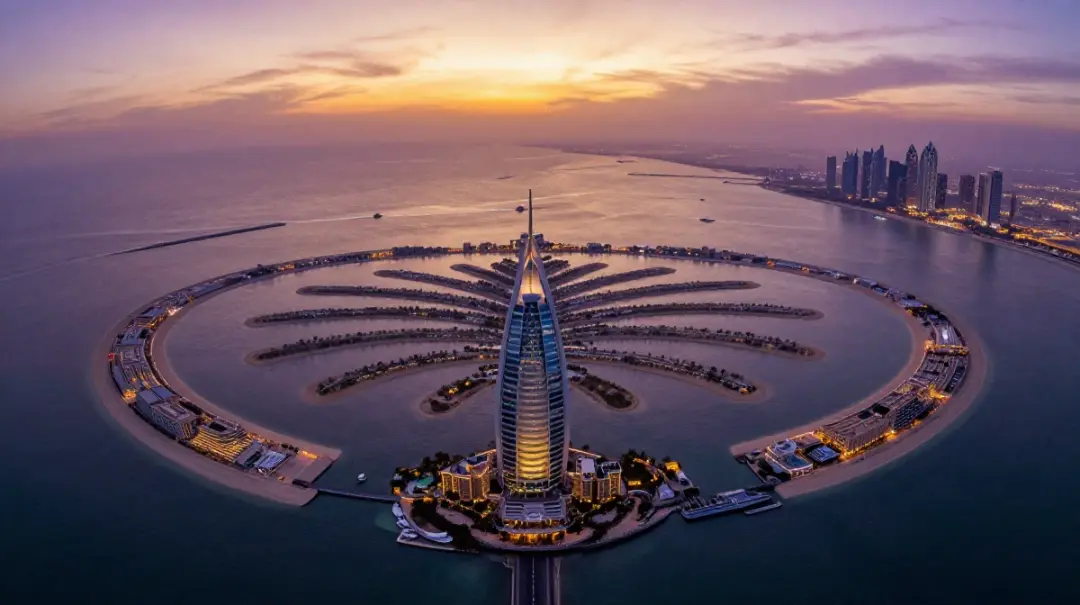
Your final day is all about the waterfront, luxury, and the sheer spectacle of modern Dubai at its most polished. The Palm Jumeirah and Dubai Marina represent two of the city’s most iconic man-made achievements, and together they make for a deeply satisfying final chapter.
Palm Jumeirah and The View
Start the morning with a trip to Palm Jumeirah, the palm-shaped artificial island that extends into the Arabian Gulf and remains one of the most ambitious engineering projects ever completed. Head to The View at The Palm, an observation deck on the 52nd floor of The Palm Tower. From here the entire island spreads out below you in its distinctive shape, framed by the open Gulf on one side and the Dubai skyline on the other.
The Palm is also home to Atlantis The Palm, the iconic resort and entertainment complex at the tip of the island. Even if you are not staying there, visiting Aquaventure Waterpark or simply walking through the hotel lobby and exploring the Aquaventue beach area gives a sense of the scale and exuberance of Dubai’s luxury hospitality culture.
Dubai Marina and the Walk at JBR
In the evening, make your way to Dubai Marina. This 3-kilometer waterway lined with some of the tallest residential towers on earth has a pedestrian marina walk that is perfect for an evening stroll. Dozens of dining options line the waterfront, ranging from casual international cafes to rooftop restaurants with unobstructed marina views.
From Dubai Marina it is a short walk to the Walk at Jumeirah Beach Residence, known locally as JBR. This outdoor promenade runs along an open beach and is lined with restaurants, cafes, and street performers. It is one of the most lively and accessible public spaces in the city, popular with both locals and visitors, and the perfect place to end your four days in Dubai over a final meal with a view of the Gulf.
Where to Stay in Dubai for First-Time Visitors
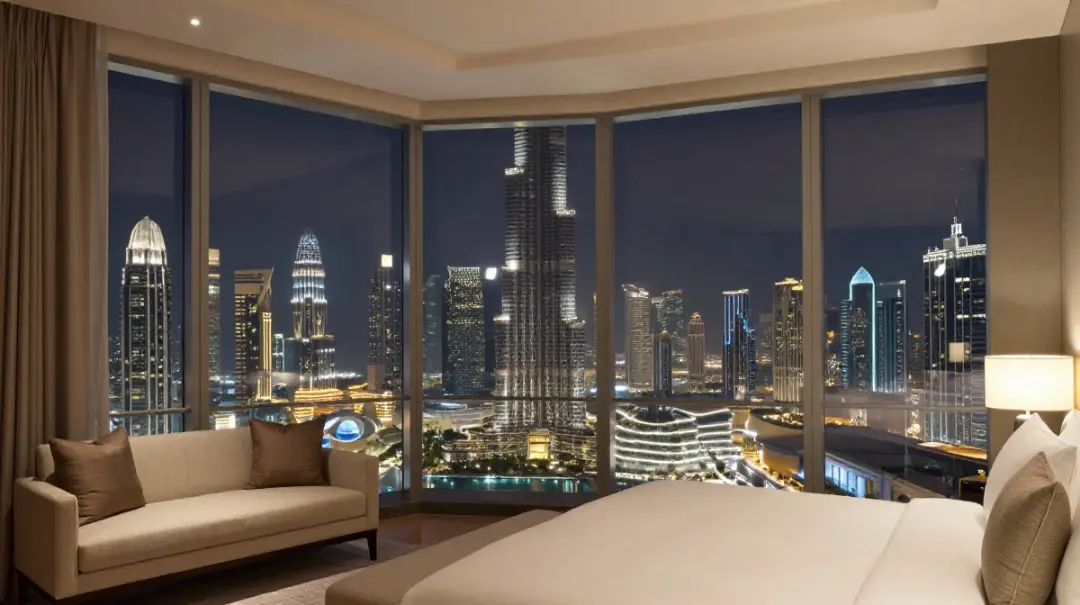
Choosing the right base shapes your entire experience. Downtown Dubai is the most practical choice for first-time visitors, placing you within walking distance of the Burj Khalifa, Dubai Mall, and the Fountain Show. It is well connected to the rest of the city via the Dubai Metro’s Red Line.
Dubai Marina is ideal if you prefer a more relaxed waterfront atmosphere in the evenings and want easy access to JBR beach. It is also well served by the Metro and offers a wide range of hotels across different price points.
For a luxury experience with a beachfront setting, Palm Jumeirah delivers unmatched views and resort-level facilities. Budget-conscious travelers will find better value in the Deira and Bur Dubai areas, which retain a lively local character and offer excellent Metro connectivity across the city.
Essential Travel Tips for Dubai
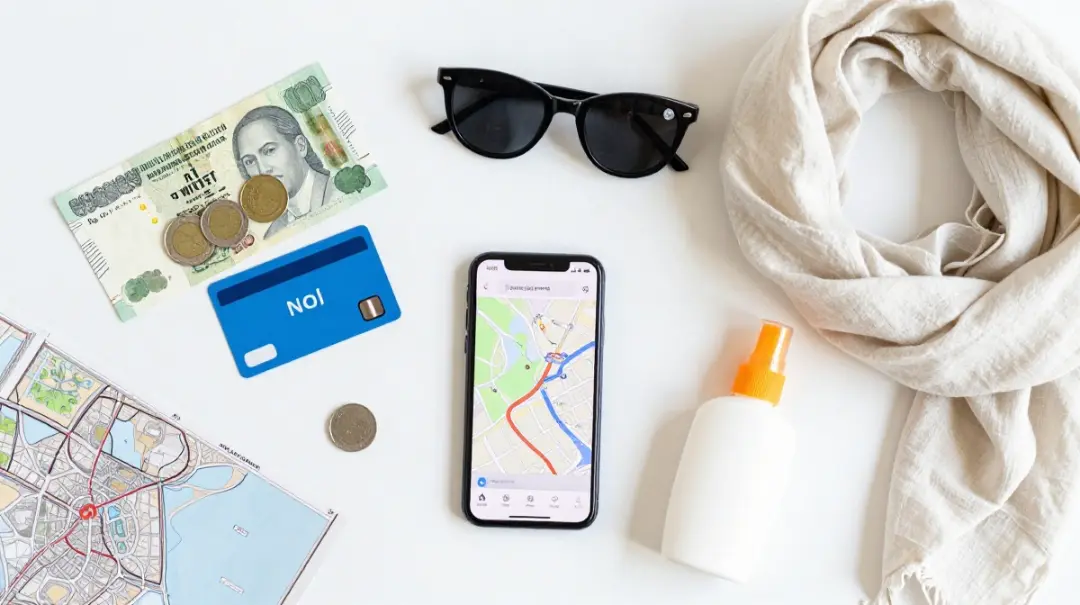
Getting around Dubai is straightforward once you understand the Metro system. The Red and Green Lines cover most major attractions, and the Nol card, available at any station, allows seamless travel across Metro, buses, and water buses. For locations not served by Metro, the Careem app operates as the regional equivalent of a ride-hailing service and is widely reliable.
In terms of dress, Dubai is a respectful and welcoming destination but modest attire is appreciated in public spaces, markets, and places of worship. Covering shoulders and knees in souks, malls, and non-beach areas is both culturally appropriate and practically comfortable given the air-conditioned environments. At beaches and hotel pools, standard swimwear is perfectly acceptable.
The best time to visit Dubai is between November and March, when daytime temperatures are pleasant and outdoor activities are genuinely enjoyable. Summer months between June and September bring extreme heat, often exceeding 40 degrees Celsius, which makes outdoor sightseeing challenging.
The currency is the UAE Dirham, which is pegged to the US dollar at approximately 3.67 AED per dollar. Credit cards are accepted almost everywhere, but carrying some cash is useful for markets, Abra rides, and small vendors.
Conclusion
Four days in Dubai gives you enough time to experience the city at its full range: the historic soul of Old Dubai, the jaw-dropping scale of Downtown, the raw beauty of the desert, and the polished glamour of the waterfront. What makes Dubai genuinely special is not any single attraction but the way all of these worlds coexist within the same city. Nowhere else on earth can you ride a wooden boat across a historic creek in the morning and stand atop the world’s tallest building by evening. This itinerary is designed to make sure your first visit captures all of it.
You may also like this post: 18 Best Things to Do in Lapland Finland: Ultimate Arctic Travel Guide
Frequently Asked Questions
Is 4 days enough time to see Dubai?
Yes, four days is an ideal amount of time for first-time visitors. It allows you to cover the major cultural, modern, and natural highlights without feeling rushed, provided you plan your days by location to minimize travel time.
What is the best area to stay in Dubai for first-time visitors?
Downtown Dubai is the most recommended base. It places you within walking distance of the Burj Khalifa and Dubai Mall, and the Metro connects you efficiently to every other area in the itinerary.
Do I need to book Dubai attractions in advance?
Yes, particularly for the Burj Khalifa. Popular time slots and weekend visits sell out well in advance. It is also advisable to book your desert safari, Dubai Frame tickets, and the Dubai Mall Aquarium ahead of arrival.
What should first-time visitors know about dress code in Dubai?
Modest dress is expected in public spaces, markets, and places of worship. Covering shoulders and knees outside of beach and pool areas is the standard expectation. Inside hotels, resorts, and beach areas, standard international dress norms apply.
What is the best time of year to visit Dubai?
November through March offers the most comfortable weather for sightseeing, with temperatures ranging from around 18 to 28 degrees Celsius. This period coincides with the city’s peak season, so booking flights and hotels early is advisable.