

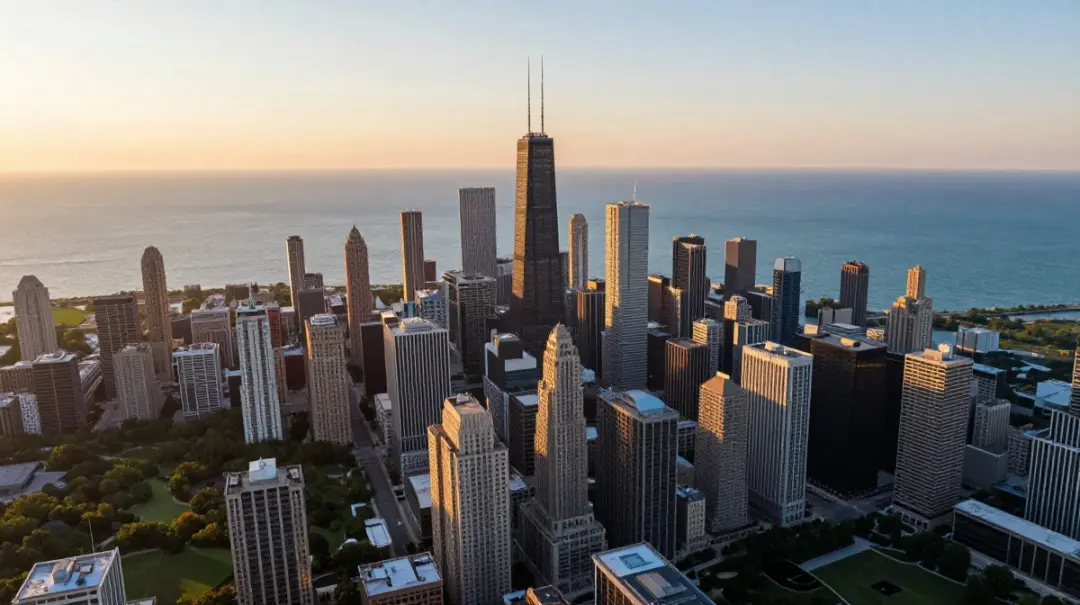
There are cities you visit and cities that stay with you long after you leave. Chicago belongs firmly in the second category. It announces itself from a distance, the skyline rising over the flat expanse of the Midwest like something that was willed into existence by sheer ambition, and it continues to surprise you at street level, around every corner, and in every neighborhood that sits beyond the usual tourist radius. For a first-time visitor, choosing how to spend your time here is genuinely difficult, not because there is little to do but because there is far too much.
Four days in Chicago is the right amount of time for a first visit. It is enough to cover the landmarks that genuinely deserve your attention, eat the food that defines the city, move through a handful of neighborhoods that give Chicago its real character, and still feel like you experienced something rather than simply processed a checklist. This 4 days in Chicago itinerary is organized to keep travel logical, eliminate unnecessary backtracking, and build each day around a geographic center so that energy is spent on experiences rather than transit.
What follows is a day-by-day guide written for the first-time visitor who wants to see Chicago properly.
Best Time to Plan Your 4 Days in Chicago
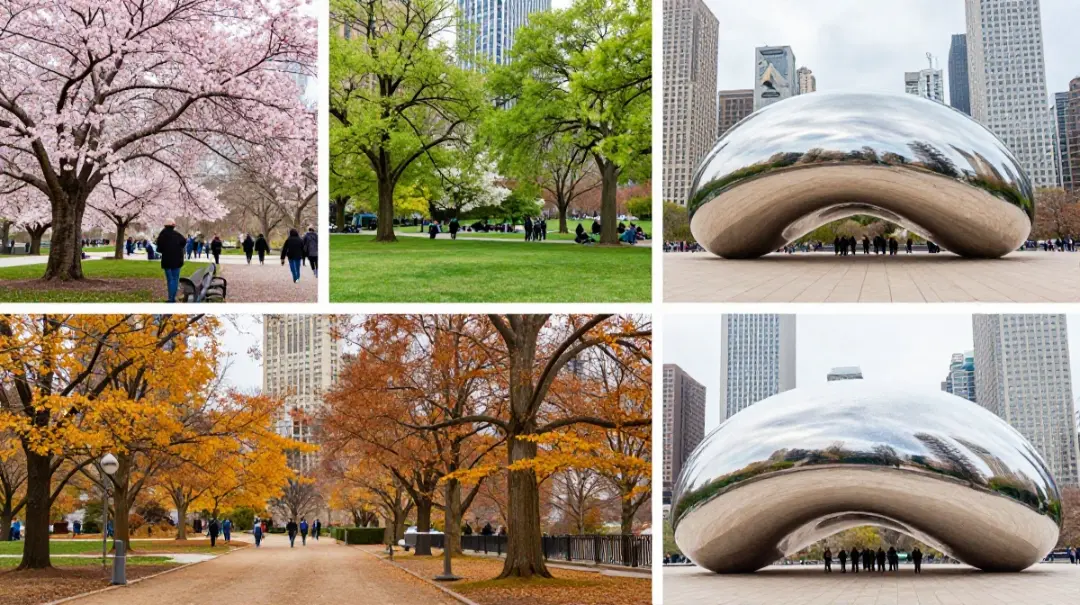 Timing your visit shapes everything from how much time you spend outdoors to what the hotel rates look like. Chicago experiences genuine seasons, and each one produces a different city.
Late spring, specifically May and early June, brings mild temperatures, blooming parks, and the full reopening of outdoor attractions including the Lakefront Trail and rooftop venues. The shoulder season months of April, May, September, and October are widely considered the best time to visit Chicago. Between September and October, average temperatures sit around 15 to 21 degrees Celsius, which is genuinely comfortable for the amount of walking this itinerary involves.
Summer is the most popular season and carries peak energy along with peak crowds and prices. The city’s outdoor music scene, street festivals, and lakefront activity make it worth the trade-off for many visitors. Winter is cold in ways that require real preparation but offers a quieter, less expensive version of the city with the added drama of the frozen lakefront and holiday decorations along the Magnificent Mile. For most first-time visitors, May through October represents the most rewarding window.
How to Get Around Chicago
 Before the itinerary begins, understanding how to move around the city saves time and money on every single day of the trip.
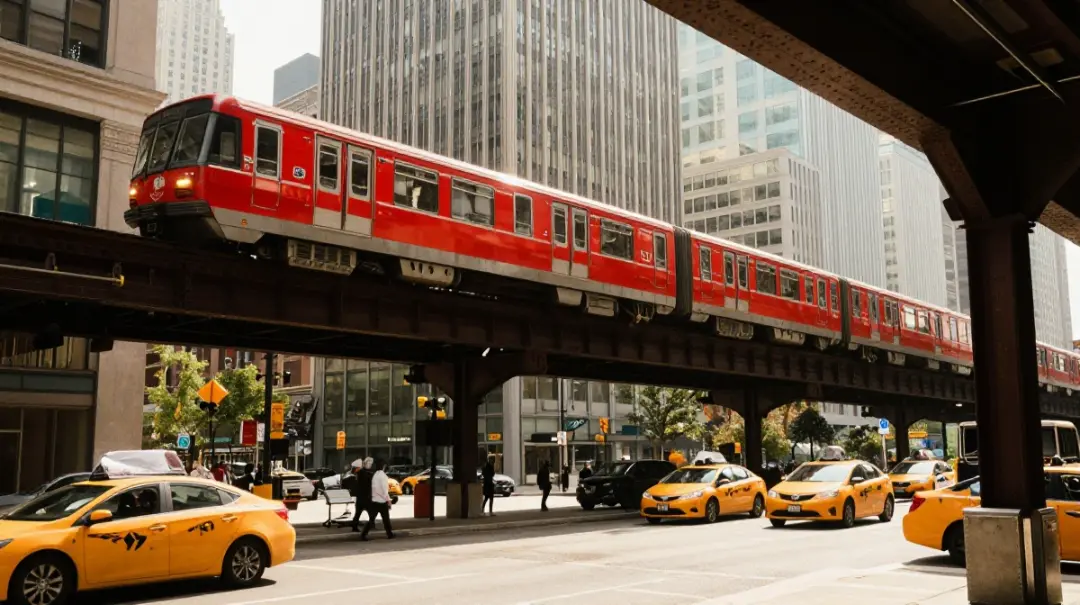
Chicago’s elevated rail system, known as the L, is one of the most functional public transit networks of any American city. The L train is fast, frequent, and covers the vast majority of places visitors want to go. A Ventra card, available at any station, simplifies boarding and transfers. Rideshares are useful late at night or for reaching neighborhoods the L does not serve conveniently. Walking is entirely viable for most moves within the downtown core, and the city’s grid layout makes navigation straightforward. Cycling along the Lakefront Trail is one of the most enjoyable ways to cover ground in the right weather.
Day 1: Downtown Chicago and Its Greatest Landmarks
 The first day belongs to the center of the city. This is where Chicago makes its most immediate impression, and the concentration of landmarks in the Loop and along Michigan Avenue means you can cover extraordinary ground without ever needing to board the L.
Morning: Millennium Park and the Art Institute
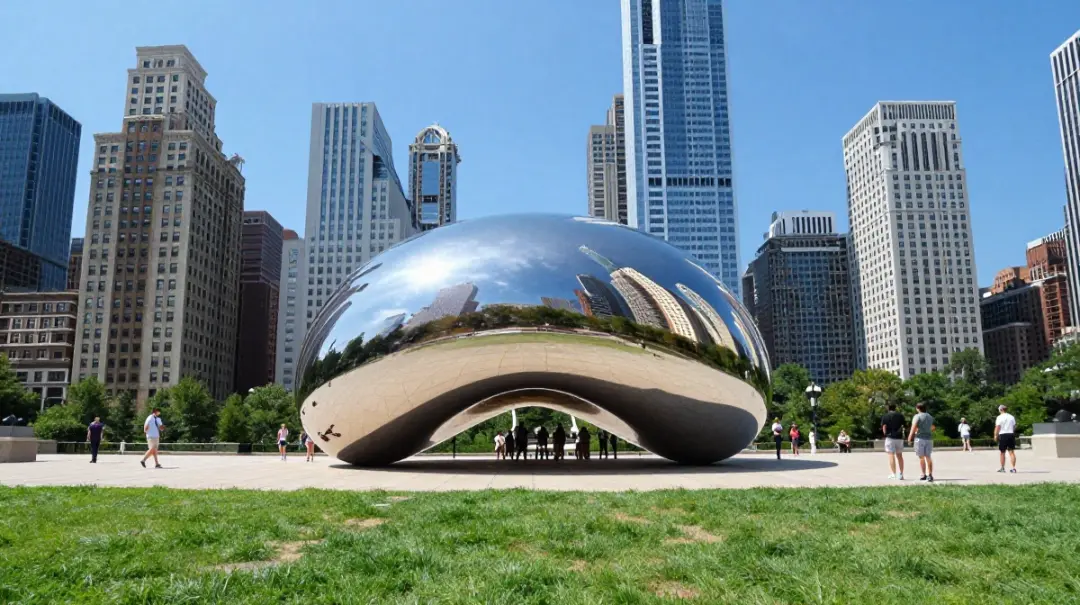
Start at Millennium Park before 9 in the morning if possible. The park is famous for its outdoor art pieces, including Cloud Gate, affectionately called the Bean because of its shape, the Pritzker Pavilion, a bandshell designed by Frank Gehry, and Crown Fountain. The Bean is one of those rare tourist attractions that genuinely earns its reputation. Its mirrored surface curves the skyline and the crowd into something unexpected, and in the early morning light before the day fills with people, it is a striking place to begin.
From Millennium Park, walk directly to the Art Institute of Chicago on Michigan Avenue. Allow two full hours here at minimum. The collection spans thousands of years and covers everything from ancient arms and armor to the Impressionist and Post-Impressionist paintings the museum is most celebrated for. Georges Seurat’s “A Sunday on La Grande Jatte” is the piece most visitors make a point to find, and it rewards the effort. The American Gothic painting by Grant Wood is here as well. Do not attempt to cover the entire building. Choose two or three wings and move through them with real attention.
Afternoon: Willis Tower Skydeck
After lunch in the Loop, make your way to Willis Tower. From the observation deck on a clear day, you can see four states: Illinois, Indiana, Michigan, and Wisconsin. For those comfortable with heights, the Ledge offers a glass-enclosed balcony that extends out from the building’s facade over the street below. Book tickets online before arriving to skip the queue, which grows long during peak season. The views from the top reframe the city in a way that is useful for the rest of the trip. Seeing Chicago from above gives you a geographic understanding of how the neighborhoods relate to each other, the lake, and the river.
Evening: The Chicago Riverwalk and Deep-Dish Pizza
Close Day 1 with a walk along the Chicago Riverwalk before dinner. The pedestrian path runs along the Chicago River through the heart of downtown and offers views of the city from water level that shift entirely how the skyline reads. The contrast between the busy streets above and the quieter atmosphere along the river is one of the city’s most interesting design qualities. There are bars, restaurants, and kayak rental operations along the Riverwalk depending on the season.
Dinner on the first night should be deep-dish pizza, because there is no better introduction to Chicago’s food identity. Lou Malnati’s River North location is consistently recommended over the tourist-facing spots along the Magnificent Mile. A deep-dish pie takes around 45 minutes to prepare, which makes the meal a leisurely affair by design. Order the sausage pizza, which is the most authentically Chicago version of the dish, and plan to walk afterward.
Day 2: The Architecture River Tour and River North
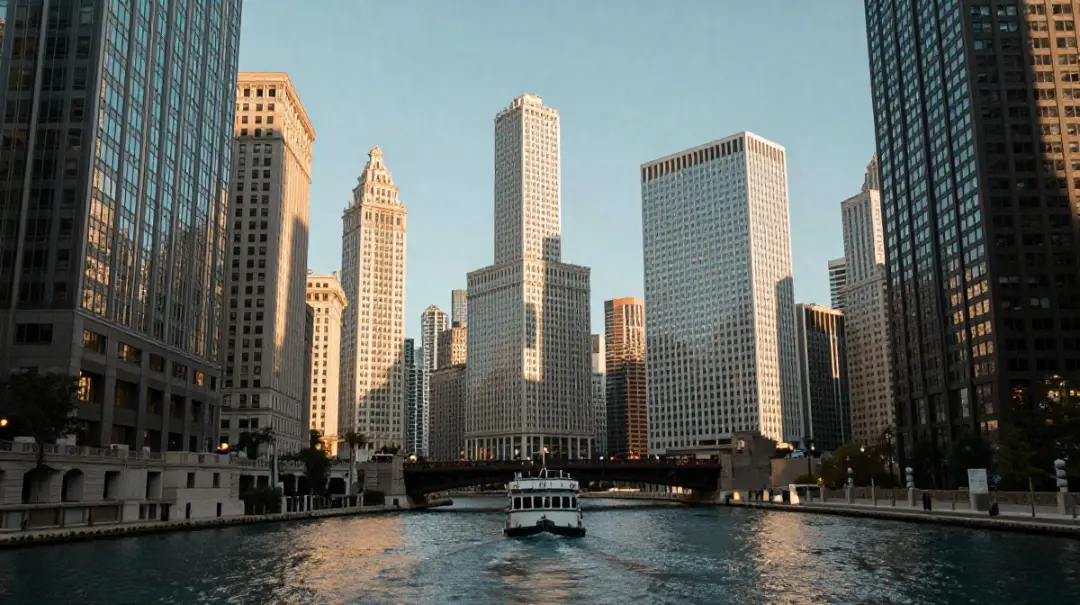 The second day begins on the water and moves into one of the city’s most interesting neighborhoods.
Morning: Chicago Architecture Center River Tour
The Chicago Architecture Center river tour is not optional. It is one of the defining experiences the city offers, and no itinerary for a first-time visitor should leave it out. Sit on deck and watch the finest collection of buildings in the country glide past, with guides explaining architectural movements as the tour proceeds. By the end, you will have enough context to understand your Beaux Arts from your International Style. The tours operated by the Chicago Architecture Foundation are significantly more educational than those run by other operators on the river, and both cost roughly the same amount. Book the morning departure so you have the full afternoon available.
Chicago is the birthplace of the skyscraper, and this context matters. If you are an architecture fan, Chicago is a must-visit city. But even for visitors with no particular interest in buildings, the river tour recalibrates how you see everything else during the remaining days of the trip.
Afternoon: River North and the Magnificent Mile
After the tour, spend the afternoon in River North. This neighborhood, just west of the Magnificent Mile, developed from dormant factories and warehouses into studios and creative spaces. Today it is a top destination for fine dining, upscale drinks, and art-focused shopping. The Merchandise Mart, one of the largest buildings in the world by floor area, anchors the southern edge of the neighborhood and is worth seeing for its sheer scale.
From River North, walk east to the Magnificent Mile, which is the stretch of Michigan Avenue running north from the Chicago River. This is where Chicago’s most famous retail corridor sits, lined with flagship stores and punctuated by landmark buildings. The Tribune Tower and the Wrigley Building, both visible at the south end of the Magnificent Mile near the river, are two of the most photographed structures in the city.
Evening: DuSable Bridge at Night
Chicago is one of America’s most beautiful cities, and it gets even more striking after dark. The DuSable Bridge in downtown Chicago offers one of the finest nighttime views of the city, and a walk along the Riverwalk after dark gives a completely different perspective from the daytime experience. This is a natural endpoint for Day 2 before dinner in River North, where the concentration of restaurants is among the highest in the city.
Day 3: Museum Campus, Lakefront Trail, and Lincoln Park
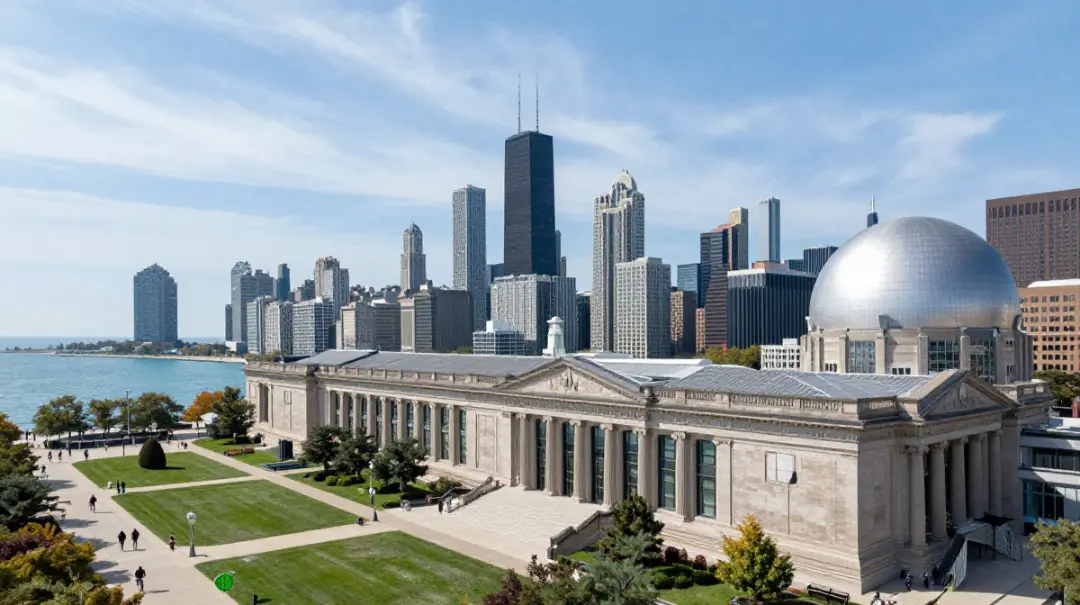 The third day moves between the southern part of the lakefront and the northern neighborhoods, using the Lakefront Trail as the connective path.
Morning: Museum Campus
Museum Campus sits at the southern end of Grant Park and houses three of Chicago’s most significant cultural institutions within walking distance of each other. This picturesque area is home to iconic attractions including the Adler Planetarium and the Field Museum of Natural History, and even for visitors who do not go inside, it offers some of the finest views of the Chicago skyline available anywhere in the city.
The Field Museum is the most comprehensive of the three. Its natural history collection includes Sue, one of the most complete Tyrannosaurus rex skeletons ever excavated, along with an Egyptian collection, a gem and mineral gallery, and rotating special exhibitions. The Shedd Aquarium is home to an array of marine wildlife with interactive shows and features, and it is particularly rewarding for visitors traveling with children. The Adler Planetarium, founded in 1930 as the first planetarium in the United States, offers exhibits on astronomy and astrophysics alongside shows and films for visitors of all ages.
Choose one institution to enter properly rather than attempting to rush through two. The entry fees are significant and the collections deserve genuine time. Whichever you do not enter, walk past it and around the grounds. The area is beautiful regardless of whether you go inside.
Afternoon: Lakefront Trail and Lincoln Park
From Museum Campus, make your way north along the Lakefront Trail. Hiring a bike and cycling along the famous Lakefront Trail is one of the most enjoyable ways to move through Chicago, with the lake on one side and the skyline on the other. The trail runs for 18 miles along the western shore of Lake Michigan, and even cycling a portion of it from Museum Campus north toward Lincoln Park covers some of the most spectacular urban scenery in the country.
Lincoln Park Zoo sits at the heart of the Lincoln Park neighborhood and is free to enter, one of the few major zoos in the United States that does not charge admission. It is worth an hour even for visitors who are not particularly drawn to zoos, simply because the setting within Lincoln Park itself is exceptional. The neighborhood surrounding it is equally appealing for an afternoon walk, lined with restaurants and coffee shops that have the comfortable quality of a genuinely livable Chicago area rather than a tourist zone.
Evening: Dinner in Lincoln Park or Lakeview
Stay in the north side neighborhoods for dinner. Lincoln Park and the adjacent Lakeview area have deep concentrations of restaurants across every price point and cuisine. This part of Chicago feels meaningfully different from downtown and gives the trip some contrast. If the Chicago Cubs are playing at Wrigley Field, which sits in Wrigleyville just north of Lakeview, attending a game or at least walking past the stadium is worth the detour. Wrigley Field is the second oldest ballpark in America, and even during the off-season, seeing the famous sign in front of the stadium from the outside is a worthwhile stop.
Day 4: Wicker Park, the West Loop, and Navy Pier at Sunset
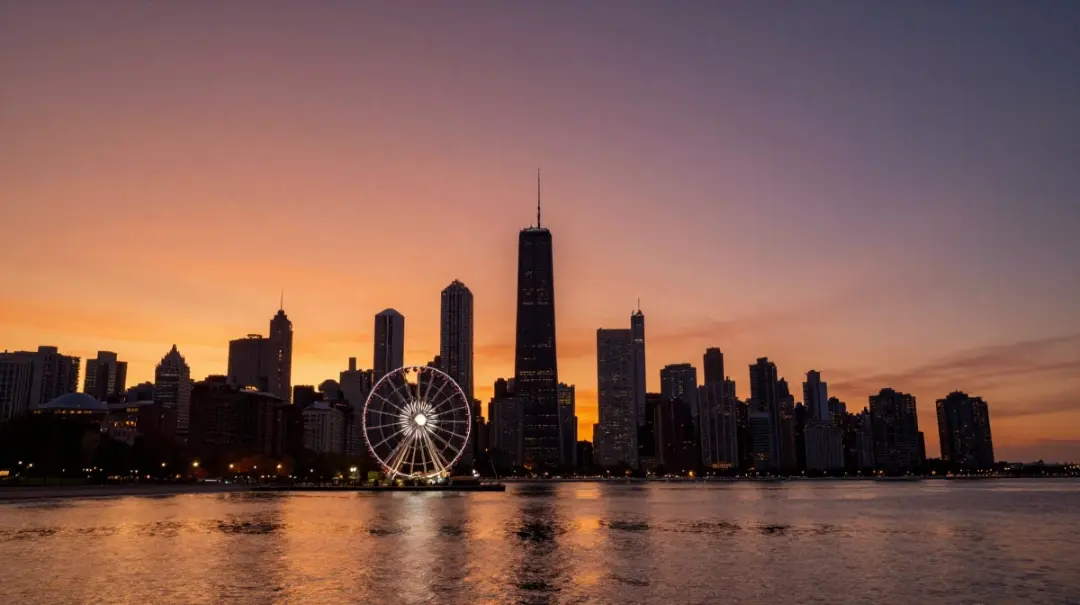 The final day belongs to the neighborhoods that represent Chicago at its most local and the lakefront landmark that closes the trip in the most visually satisfying way possible.
Morning: Wicker Park
Take the Blue Line west from downtown to the Wicker Park and Bucktown area. Wicker Park has Chicago’s best bar and restaurant scene outside the Loop, and Milwaukee Avenue, the neighborhood’s main artery, feels nothing like the Magnificent Mile in the best possible way, with boutiques, record stores, and cafes that reflect what Chicago actually looks like when it is not performing for tourists.
Have breakfast or brunch in Wicker Park at one of the neighborhood’s independently owned spots, then spend the morning walking. The side streets here are full of vintage shops, independent bookstores, and architecture worth stopping to look at. This is a neighborhood that has maintained its character through decades of change, and it rewards slow movement.
Afternoon: The West Loop
From Wicker Park, make your way east to the West Loop. This neighborhood has undergone one of the more dramatic transformations of any area in Chicago over the past 15 years, shifting from an industrial district into one of the most celebrated dining destinations in the Midwest. Restaurant Row on Randolph Street is the center of it, lined with serious kitchens that draw visitors from across the country.
Even a casual lunch in the West Loop tends to be a level above what most cities offer in their best neighborhoods. The area also has a growing collection of galleries, coffee roasters, and boutique retail that makes it worth an afternoon of exploration beyond the restaurants.
Pick up Garrett Popcorn before leaving. Garrett Popcorn has been making its famous Garrett Mix, a blend of sweet CaramelCrisp and savory CheeseCorn, since 1949, with everything handmade throughout the day using closely held family recipes. It is sold at multiple locations across the city and is one of those genuinely local food experiences that visitors often overlook and consistently regret missing.
Evening: Navy Pier and the Lakefront
End the trip at Navy Pier as the sun sets over the city. Navy Pier is a 3,300-foot-long landmark on the Chicago shoreline of Lake Michigan, often called the People’s Pier, combining history, entertainment, and skyline views that are difficult to match anywhere else in the city. The Centennial Wheel, a nearly 200-foot-tall Ferris wheel with climate-controlled gondolas, offers panoramic views of the city and the lake that are particularly impressive as the light changes in the evening.
Between Memorial Day and Labor Day, the pier hosts summer fireworks on Wednesday and Saturday evenings, typically beginning between 9:30 and 10:15 at night. Whether or not fireworks are on the schedule, Navy Pier at sunset and into the evening is one of the more naturally satisfying ways to close out a visit. The skyline lit up across the water, the sound of Lake Michigan nearby, and the city still moving around you provides a strong final image to carry home.
Where to Stay in Chicago
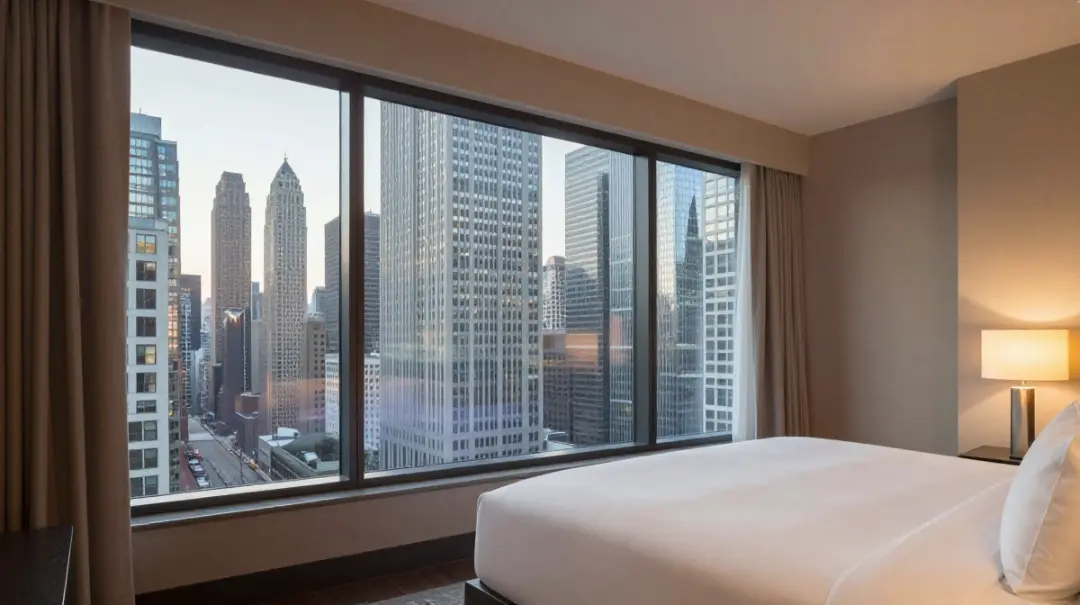 For first-time visitors, the Loop, River North, and Streeterville are the most practical neighborhoods for accommodation. These areas place you within walking distance of Millennium Park, the Art Institute, the Riverwalk, and easy L access to every other destination on this itinerary. River North offers more dining and nightlife immediately outside the hotel door. Streeterville puts you close to the lake and Navy Pier.
Visitors working with a tighter budget will find significantly lower rates at hotels a few stops north on the Red Line in Lincoln Park or Lakeview, both of which still offer quick transit access downtown and sit in neighborhoods worth spending time in regardless.
What to Eat Beyond Deep-Dish Pizza
 Deep-dish is essential and has its own section in this itinerary, but Chicago’s food identity extends considerably further and first-time visitors who leave without trying the full range are missing something real.
The Chicago-style hot dog requires a specific construction: a Vienna Beef frank in a poppy seed bun, topped with yellow mustard, bright green relish, chopped white onion, tomato slices, a dill pickle spear, sport peppers, and a dash of celery salt. No ketchup. This is a matter of local principle. Chicago’s Italian beef sandwich, thin-sliced seasoned beef on Italian bread dipped in cooking juices, is another local staple that visitors rarely anticipate and rarely forget.
The Billy Goat Tavern, famously associated with a certain sports curse, is a legitimate lunch destination for both the atmosphere and the food. Giordano’s has been a Chicago institution for deep-dish pizza since 1974, and the stuffed pizza there is one of the most commonly recommended experiences for visitors to the city.
Conclusion
Chicago does not require a long visit to make a lasting impression, but it rewards the visitor who approaches it with some structure and genuine curiosity. This 4 days in Chicago itinerary is built to cover the city’s most significant landmarks without sacrificing the neighborhood experiences that give Chicago its real texture. The architecture is extraordinary, the food is serious, the lakefront is unlike anything in any other American city, and the neighborhoods that sit just beyond the obvious tourist circuit have character and depth that most visitors only discover on a return trip.
Go with this plan. Deviate from it when the moment calls for it. Chicago is a city that holds up under any kind of attention you choose to give it, and four days spent here properly is the kind of trip that tends to produce a second one.
You may also like this post: 18 Best Things to Do in Lapland Finland: Ultimate Arctic Travel Guide
Frequently Asked Questions
1. Is 4 days in Chicago enough for a first-time visitor?
Four days covers the essential landmarks, at least one major museum, the architecture river tour, the lakefront, and several distinct neighborhoods. You will not see everything Chicago offers, but you will leave with a genuine understanding of the city and a natural reason to return.
2. What is the single most important thing to do in Chicago?
The Chicago Architecture Center river tour is the experience most consistently recommended by locals and experienced travelers alike. It provides context for everything else you see during the trip and offers a perspective on the city that no other activity replicates.
3. How much money should I budget per day in Chicago?
A comfortable daily budget for accommodation, food, transit, and one major attraction runs between 150 and 250 US dollars per person. Budget travelers can reduce this significantly by using the L train, eating at neighborhood spots rather than tourist-facing restaurants, and visiting free attractions like Lincoln Park Zoo and Millennium Park.
4. What should I eat in Chicago besides deep-dish pizza?
The Chicago-style hot dog and the Italian beef sandwich are the two other food experiences most essential to understanding the city’s culinary identity. Both are available at casual, inexpensive spots across the city and represent Chicago food culture as authentically as any fine dining experience.
5. Is Chicago easy to navigate for first-time visitors?
Yes. Chicago’s street grid is logical and consistent, the L train connects the major neighborhoods efficiently, and the downtown core is walkable enough that many of the Day 1 attractions require no transit at all. A Ventra card for the CTA and a basic understanding of which L lines serve which neighborhoods is all the preparation most visitors need.