

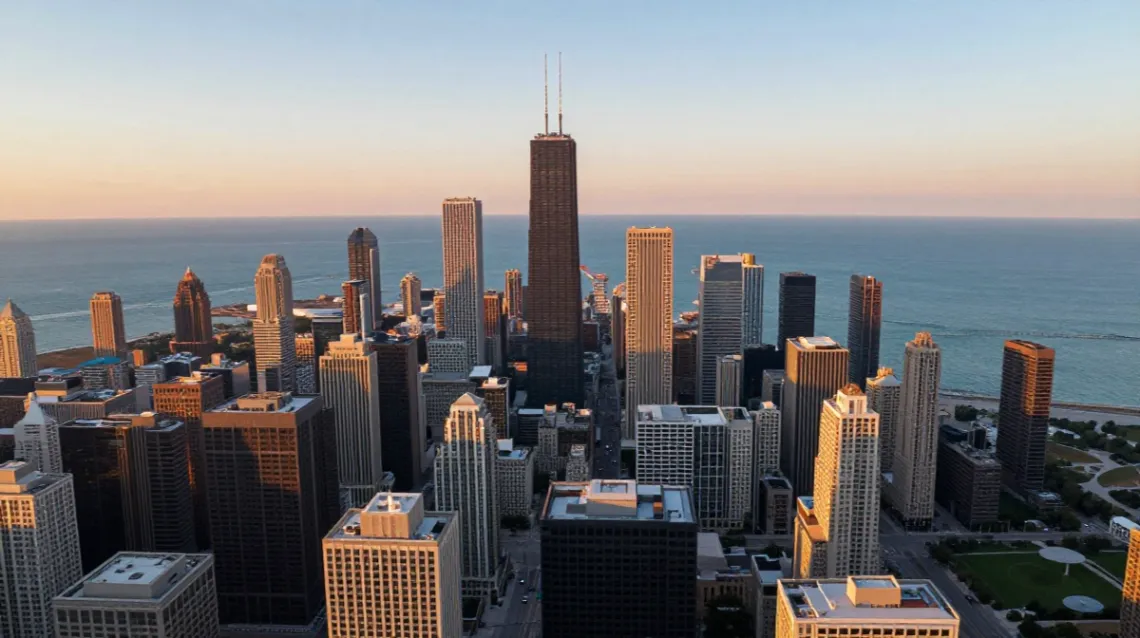
Chicago is one of those rare cities that rewards every type of traveler. Whether you arrive chasing skyline views, deep-dish pizza, world-class museums, or a block of independent coffee shops with no agenda whatsoever, the Windy City has a neighborhood built precisely for you. The challenge is not finding something to love here. The challenge is choosing where to base yourself.
When planning a trip to the third largest city in the United States, one of the first decisions you will make is which areas to stay in Chicago that best match your travel style. With 77 official neighborhoods, each carrying its own distinct vibe, getting out of downtown for at least a day is something every visitor should plan for. That said, the right home base depends entirely on what you want your trip to feel like. Stay in the wrong part of the city and you may find yourself spending more time commuting than exploring. Stay in the right one and the entire trip clicks into place.
This guide breaks down the 12 best areas to stay in Chicago in 2026, organized to help you match your travel style to the neighborhood that fits it best. Each entry covers what makes the area worth choosing, who it suits most, and what you can realistically expect to find there.
1. The Loop: Best for First-Time Visitors
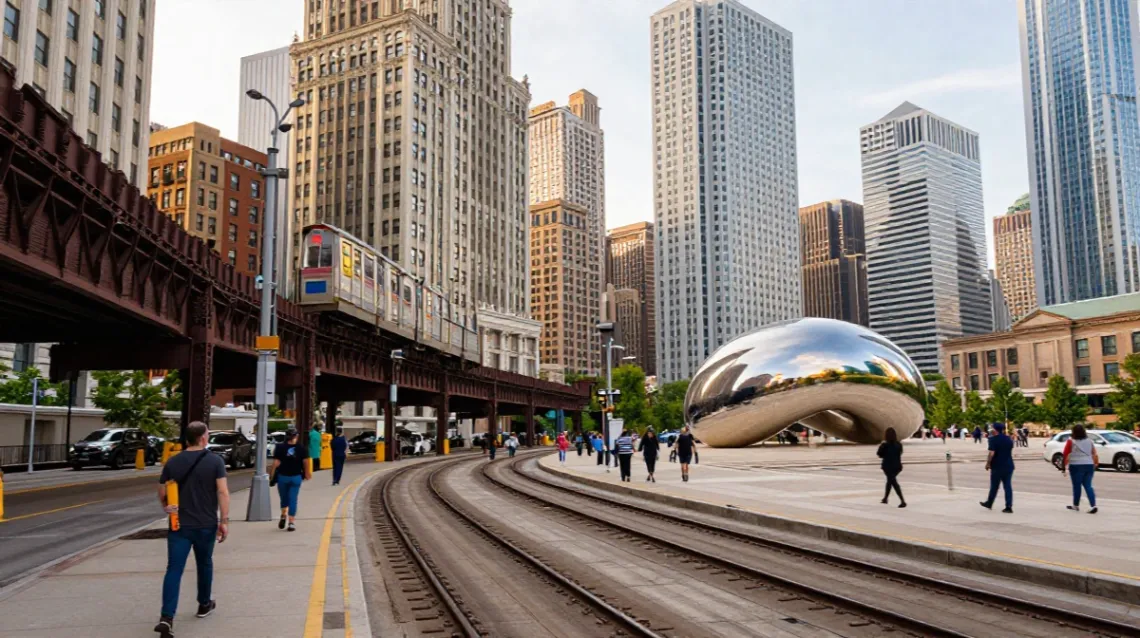
The Chicago Loop is the best neighborhood to stay in for a first visit. It sits at the very center of the city and is where most of the major attractions are concentrated. Millennium Park, the Art Institute of Chicago, the Chicago Theatre, and dozens of architectural landmarks are all within comfortable walking distance. The elevated train, known as the L, runs a circuit around this district, giving it both its name and its unmatched transit connectivity.
Accommodation in the Loop spans every budget tier, from mid-range business hotels to landmark properties housed in restored historic towers. It is a practical, central, and highly walkable choice for anyone visiting Chicago for the first time and wanting immediate access to as much of the city as possible.
2. River North: Best for Nightlife and Dining
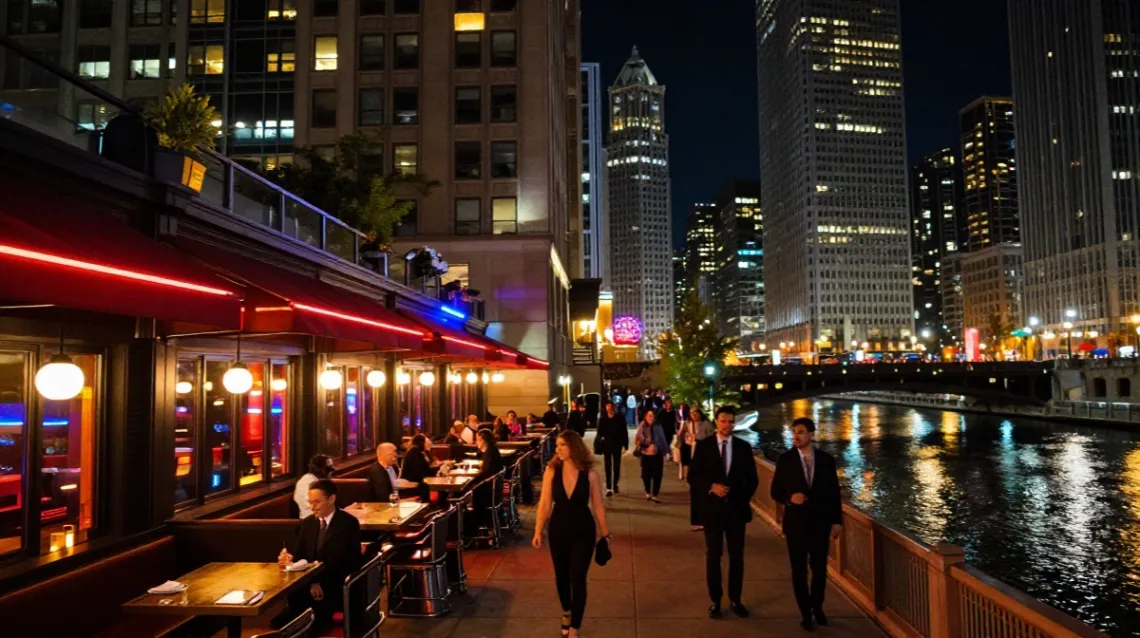
River North is well known for its art galleries, museums, and boutique shopping, but it is also the epicenter for nightlife, making it one of the best areas in Chicago for those who want to stay close to the energy of the evening. The Chicago River runs through this lively neighborhood, which is sprinkled with bars, clubs, and pubs where you can listen to live music or rub elbows with Chicago’s elite.
Beyond nightlife, River North has built a strong reputation for its restaurant scene. You will find everything from long-standing steakhouses to inventive modern kitchens here. It also sits within easy walking distance of the Magnificent Mile, which makes it equally appealing for shoppers who want to be close to the action without paying Gold Coast prices.
3. Gold Coast: Best for Luxury Stays
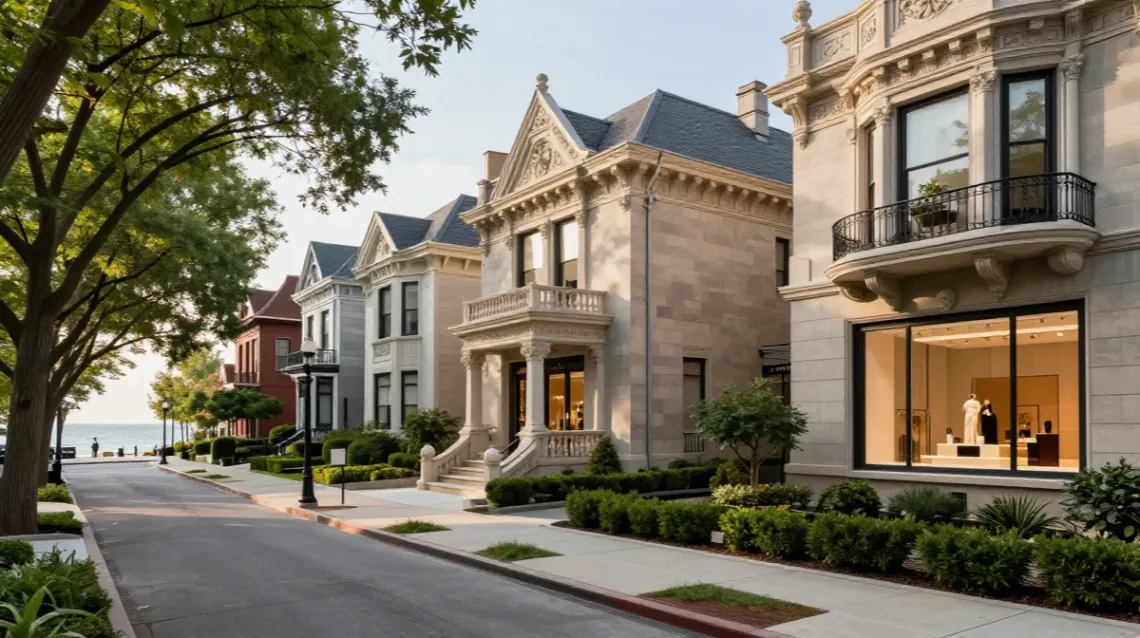
The Gold Coast is Chicago’s most prestigious residential neighborhood and has been for well over a century. This affluent area is home to stunning mansions, upscale boutiques, and renowned restaurants. The stretch of lakefront along this neighborhood is some of the most coveted real estate in the Midwest, and the hotels here reflect that status with corresponding service standards and price points.
Streeterville and the Gold Coast are the most stroller and mobility-friendly neighborhoods overall, with wide sidewalks, dense curb cuts, and short blocks. For travelers who prioritize comfort, polished surroundings, and proximity to the lake, the Gold Coast delivers on every count.
4. Streeterville and Magnificent Mile: Best for Shopping
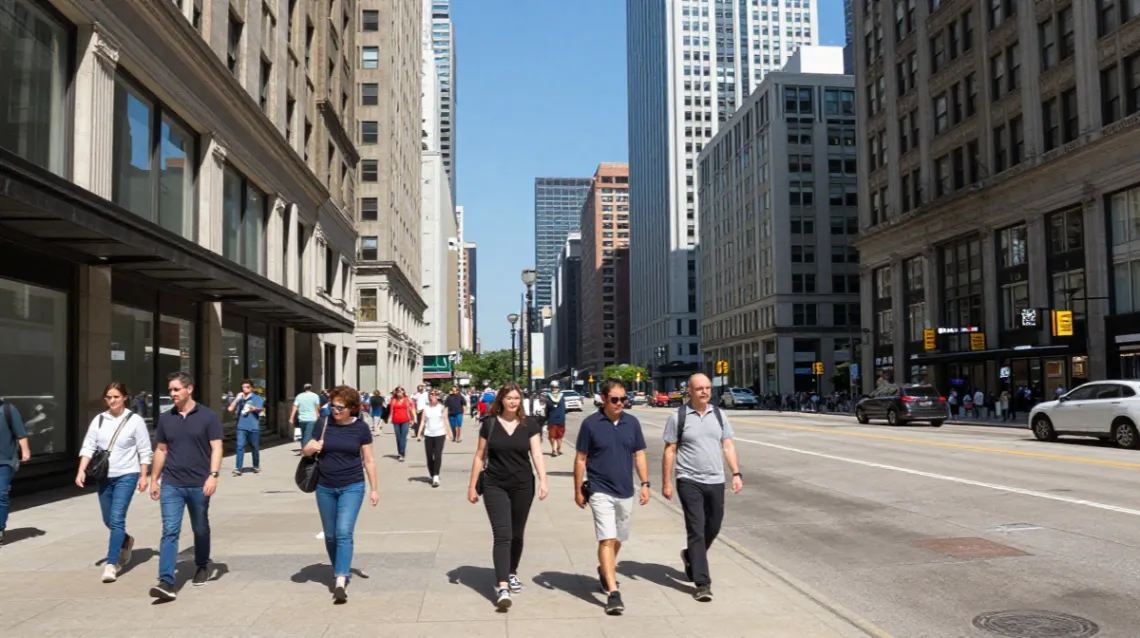
Directly adjacent to the Gold Coast and stretching along the lakefront, Streeterville and the Magnificent Mile corridor make up one of the most recognizable commercial strips in America. Here you can swim at Ohio Street Beach, visit the Chicago Children’s Museum if traveling with young ones, and shop extensively along the Magnificent Mile.
Hotels in this corridor tend to be large, well-appointed, and surrounded by brand-name retail on every block. Navy Pier is a short walk away. The Museum of Contemporary Art is also close. For a first-time visitor who wants convenience above all else, Streeterville offers excellent accessibility paired with high hotel density.
5. Lincoln Park: Best for Families
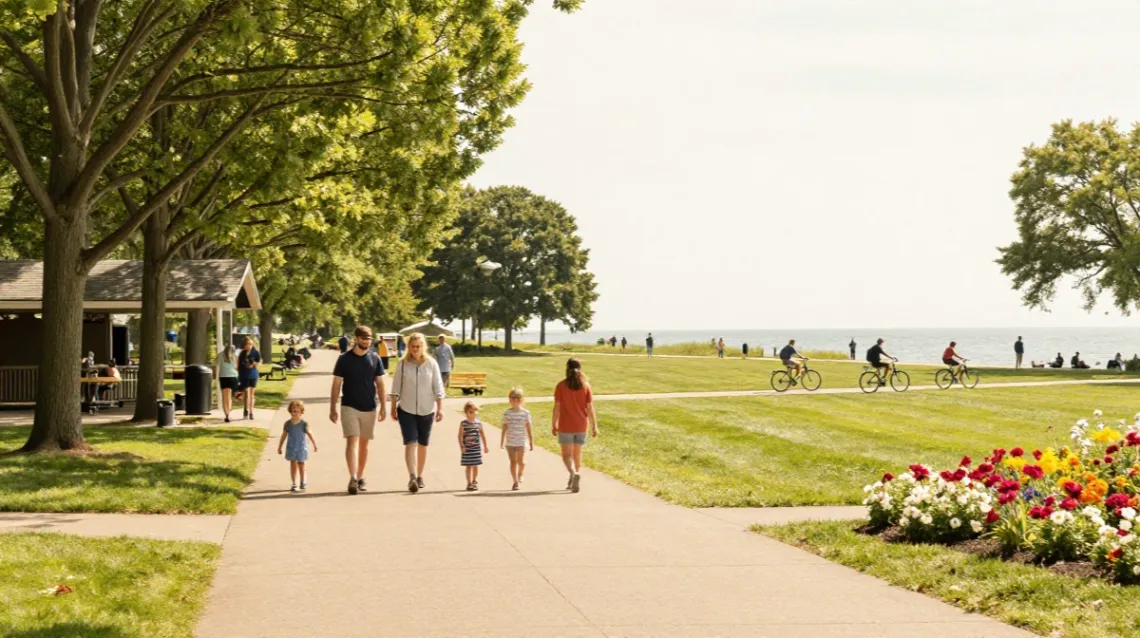
Lincoln Park features high-end boutiques, excellent restaurants, and a gorgeous sprawling park with a free zoo. The free Lincoln Park Zoo is genuinely one of the best in the country and draws families year-round without ever charging an entrance fee. The park itself stretches along the lakefront for miles, offering running paths, beaches, and open green space that gives the neighborhood a far more relaxed atmosphere than downtown.
This is one of the most livable and walkable parts of the city. Housing stock here is attractive, streets are tree-lined, and the overall character is that of a prosperous urban neighborhood that genuinely functions well for visitors of all ages.
6. West Loop: Best for Food Lovers
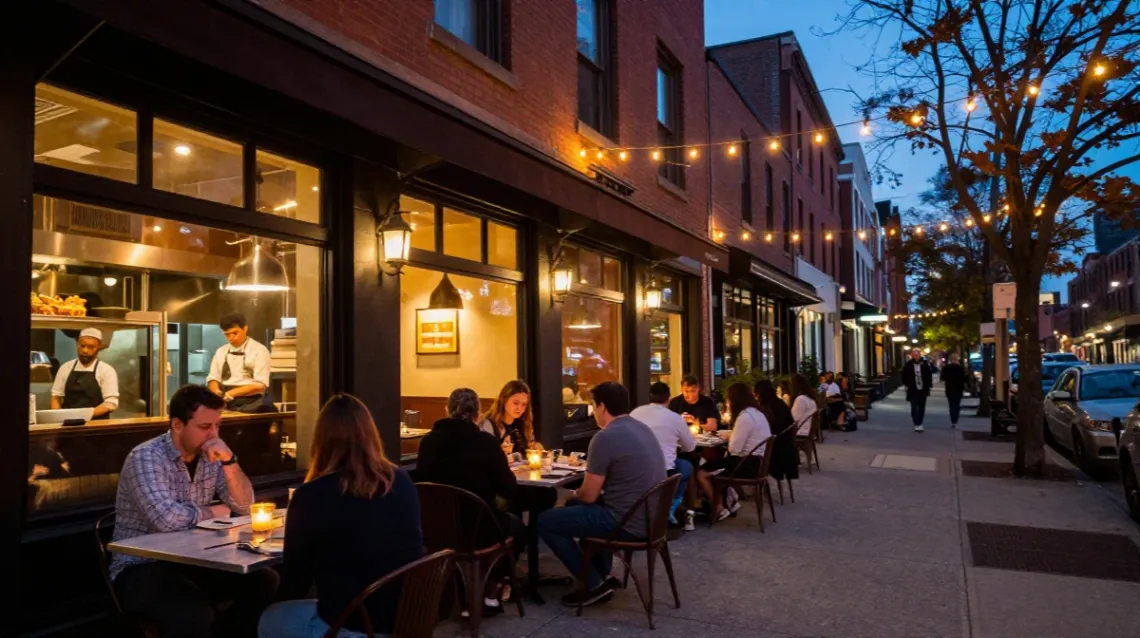
The West Loop was once an industrial district and is now known for its buzzy restaurant scene and bars. Restaurant Row, which locals refer to as the stretch along Randolph Street, has become one of the most talked-about dining corridors in the country. Everything from Michelin-recognized tasting menus to creative casual spots lines this part of the neighborhood.
The West Loop sits at the River North and Loop border, within walking distance of Millennium Park, the Art Institute, and the Magnificent Mile, while also having easy L train access to the rest of the city. For travelers who treat eating well as a primary travel activity, the West Loop is hard to beat.
7. Wicker Park: Best for Trendy Independent Travelers
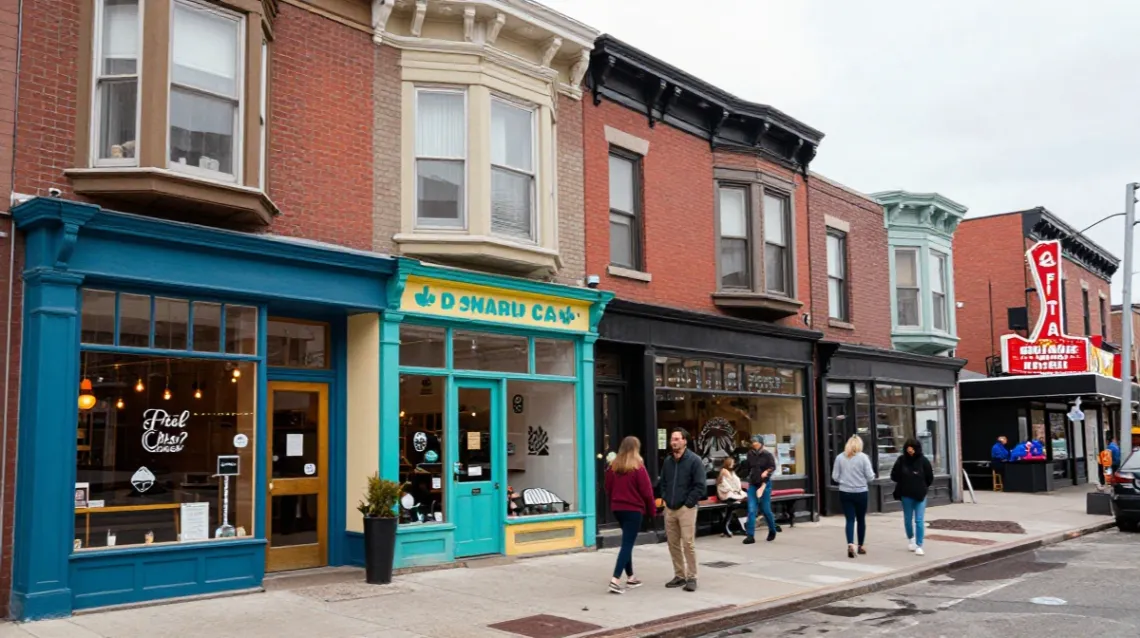
While some of the cool has migrated northwest to Logan Square, Wicker Park and Bucktown remain a vibrant hub of culture and commerce, filled with boutiques, restaurants, cocktail bars, and concert venues. The neighborhood sits along the Blue Line, which connects it efficiently to O’Hare Airport and the Loop. Its streets have a mix of Victorian architecture, converted industrial spaces, and small independent shops that give it a character entirely distinct from downtown.
Once a neighborhood of blue-collar workers before becoming a favorite with artists and musicians, Wicker Park is now a gentrified area with the type of independent-looking shops and a well-developed restaurant scene. It suits travelers who want to feel like they are living in the city rather than visiting it.
8. Logan Square: Best for Creative and Local Experiences
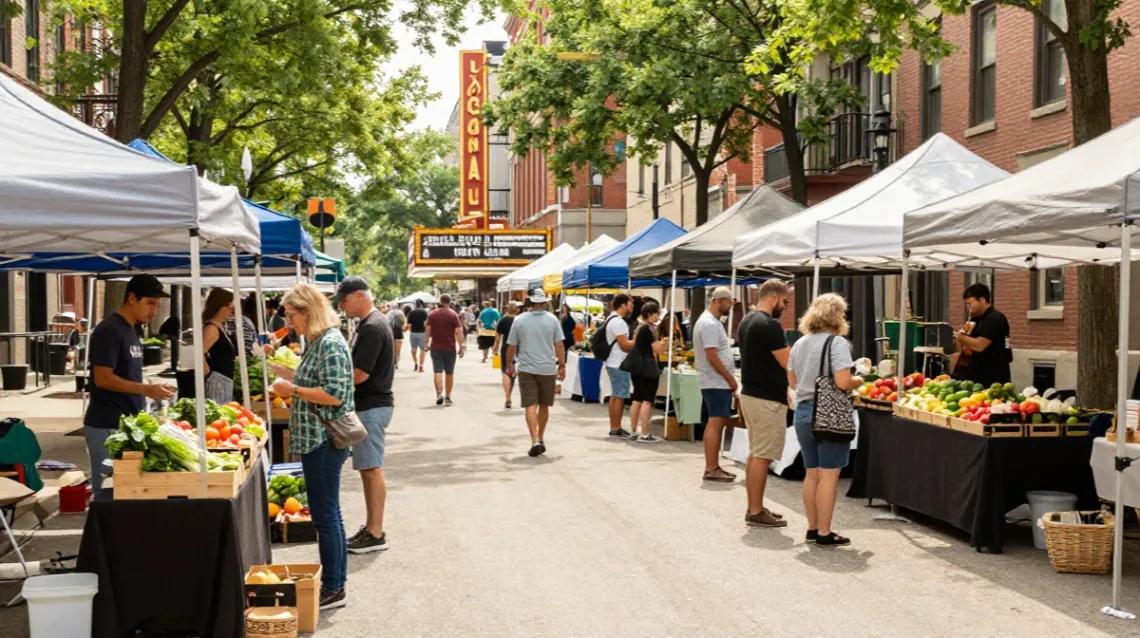
Logan Square has long served as a landing pad for Chicago’s immigrant communities, especially those from Mexico, Poland, Cuba, and Puerto Rico. Nowadays the neighborhood is one of the city’s more prominent culture hubs, with concert halls, cafes, and restaurants.
Logan Square has a laid-back atmosphere with tons of unique places to explore, including a mix of upscale and divey restaurants and bars, funky local shops, and great options for thrifting. The area also hosts a year-round Sunday farmers market and the Logan Theatre, an old-school cinema that shows new releases, indie films, and cult classics. Staying here gives you a window into the Chicago that most tourists never see.
9. Lakeview and Wrigleyville: Best for Sports Fans and Young Travelers
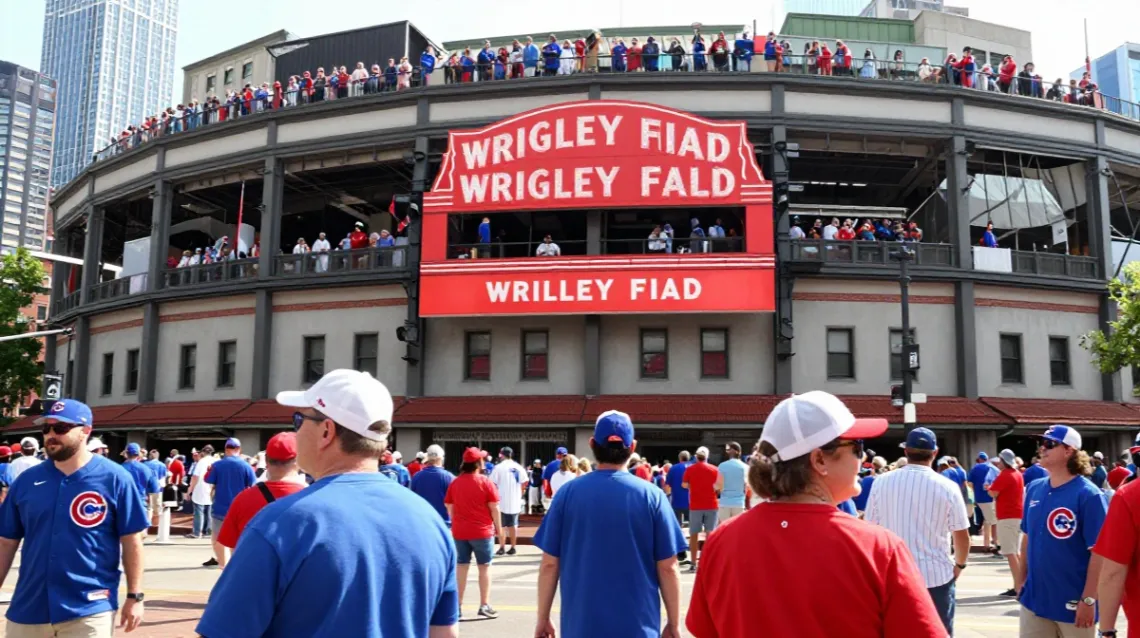
Lakeview is a broad neighborhood on Chicago’s North Side that contains the smaller sub-neighborhood of Wrigleyville, home to Wrigley Field and the Chicago Cubs. If you are visiting during baseball season, staying here puts you within walking distance of one of the most beloved ballparks in the country and a surrounding bar scene that treats game days as a civic celebration.
Outside of baseball season, Lakeview offers excellent dining, a vibrant LGBTQ-welcoming community centered around the Boystown area, and easy access to the lakefront. Lakeview is a quiet neighborhood known for independent shops and restaurants. It is a comfortable, community-oriented place to stay for travelers who want proximity to the North Shore lifestyle.
10. Hyde Park: Best for Culture and History
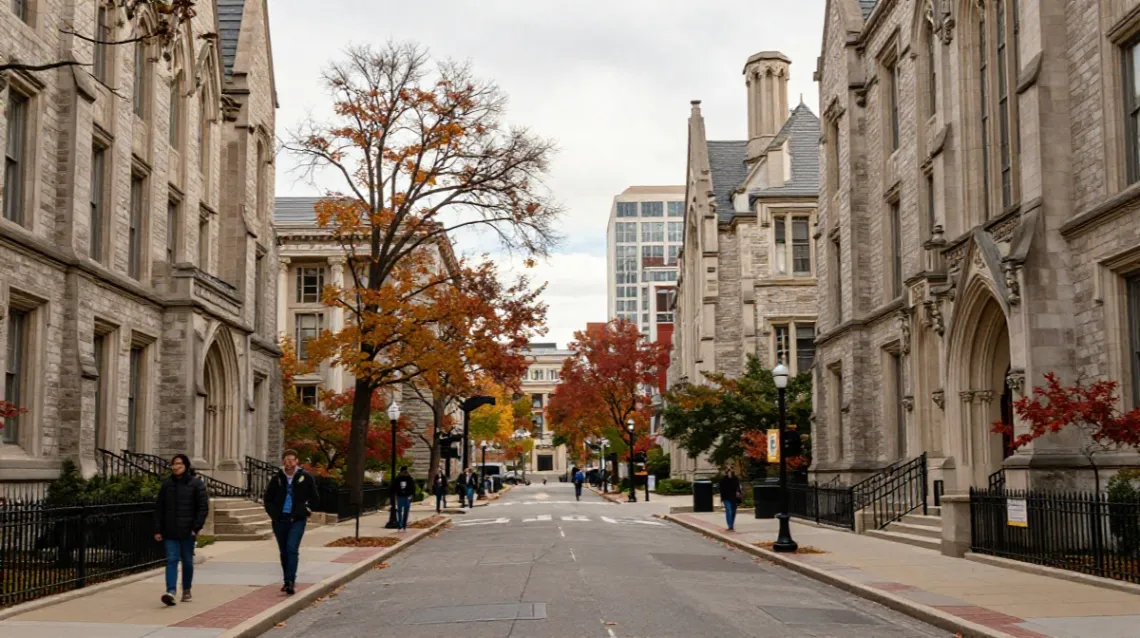
Hyde Park is home to the University of Chicago and some of the city’s prettiest architecture, as well as the Museum of Science and Industry. It sits on the South Side of the city, which makes it a different experience from the North Side neighborhoods that dominate most travel guides. The Obama Presidential Center, currently in its final stages of completion nearby, has brought renewed attention and investment to this part of the city.
Hyde Park is a thoughtful, intellectual neighborhood with a distinctly academic atmosphere. Hotel options are more limited here than in downtown areas, but the short CTA ride from the Loop makes it a viable base for travelers with specific cultural interests in this part of the city.
11. Pilsen: Best for Art and Culture on a Budget
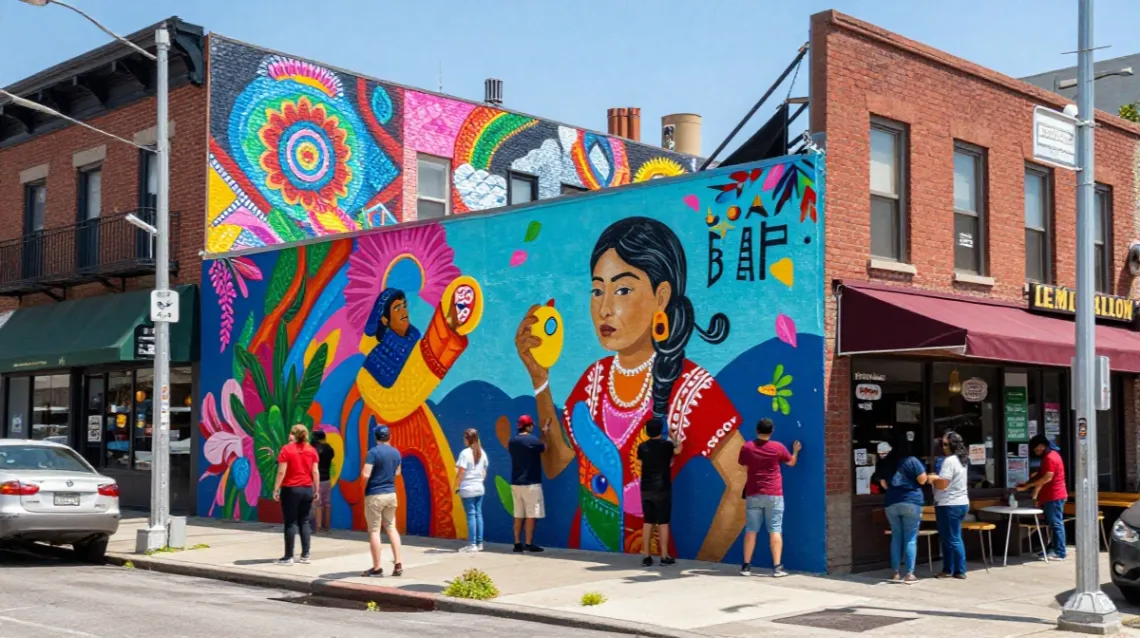
Pilsen is continuously voted one of the coolest neighborhoods in the world and is known for its colorful murals, authentic Mexican cuisine, and lively festivals. The National Museum of Mexican Art offers free admission and some of the most interesting cultural programming in the city.
Originally settled by Czech immigrants, Pilsen has been predominantly Mexican for some time now. The neighborhood’s street art is extraordinary and covers entire building facades with works that rival anything in a formal gallery. Accommodation options skew toward boutique and budget-friendly. Pilsen is an ideal choice for travelers who want authentic neighborhood life without downtown prices.
12. Andersonville: Best for a Quiet, Community-Oriented Stay
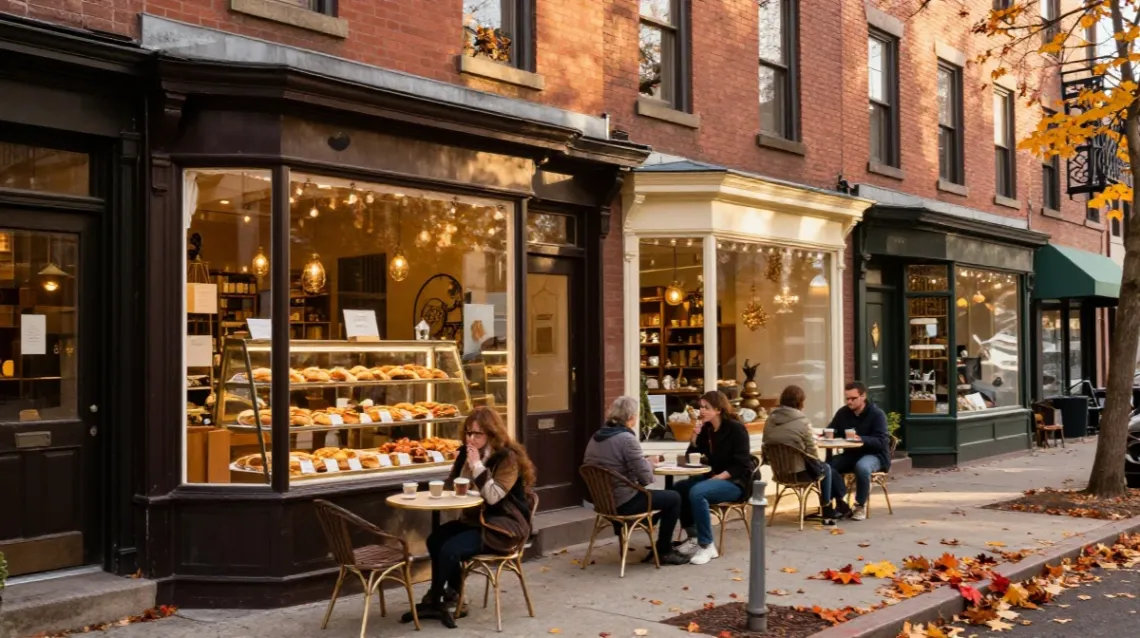
Andersonville is a charming neighborhood with a rich history and a strong sense of community. Known for its Swedish heritage, Andersonville is lined with Swedish bakeries, boutique shops, and cozy cafes. The Swedish American Museum and a strong collection of antique stores round out the character of this neighborhood.
Andersonville is known for independent shops and restaurants and attracts visitors who want a quieter, more residential experience of the city. It sits on the Far North Side, which means it requires more planning to reach downtown attractions, but the Red Line provides reliable transit access. For travelers who prefer a neighborhood with genuine local character over tourist infrastructure, Andersonville is one of Chicago’s most rewarding choices.
How to Choose the Right Area for Your Trip
The most important factor in choosing where to stay in Chicago is being honest about how you plan to spend your time. If your itinerary is built around major landmarks, the Loop, River North, and Streeterville will keep you within easy reach of everything. If you are a returning visitor or someone who prefers local texture to tourist convenience, neighborhoods like Wicker Park, Logan Square, Pilsen, and Andersonville will give you a more personal experience of the city.
The CTA 7-day pass, priced at $28 in 2026, pays off after about 12 rides and is the most efficient way to move between neighborhoods during an extended stay. Chicago’s L train connects most of the neighborhoods in this guide reliably, which means staying a little further from downtown does not have to mean sacrificing access to the city’s core.
Budget is also a real consideration. Hotels in Chicago range from around $55 per night for budget accommodation to $130 for mid-range and $287 for luxury options, with prices varying significantly by season and neighborhood. Summer is peak season, and festival weekends drive prices even higher in neighborhoods close to major venues.
Conclusion
Chicago rewards travelers who take the time to understand its geography. The city is not a single downtown experience. It is a collection of deeply individual neighborhoods, each shaped by its own history, immigrant communities, architectural character, and local economy. From the architectural grandeur of the Loop to the painted walls of Pilsen, from the lakefront elegance of the Gold Coast to the farmers market mornings in Logan Square, every part of this city has something genuine to offer.
The 12 areas in this guide cover the full range of what Chicago can be. Whether this is your first visit or your tenth, picking the right neighborhood as your base will shape the entire trip in ways that go far beyond where your hotel happens to be located.
You may also like this post: 20 Dream Destinations Travel Bucket List You Must See
Frequently Asked Questions
What is the best area to stay in Chicago for first-time visitors?
The Loop is the top recommendation for first-timers. It sits at the center of the city, puts major attractions within walking distance, and offers excellent transit connections to every other neighborhood via the L train.
Which Chicago neighborhood is safest for tourists?
The Loop, Gold Coast, Streeterville, Lincoln Park, and River North are consistently considered the most comfortable and tourist-friendly areas. All have strong foot traffic, good lighting, and well-developed hospitality infrastructure.
Is it better to stay downtown or in a Chicago neighborhood?
It depends on your travel style. Downtown areas like the Loop and River North offer convenience and proximity to landmarks. Neighborhoods like Wicker Park, Logan Square, and Pilsen offer local character, lower prices, and a more authentic Chicago experience that suits returning visitors well.
How do I get around Chicago without a car?
The CTA L train and bus system cover the entire city effectively. A 7-day pass costs $28 in 2026 and is the most economical option for visitors staying five or more nights. Most neighborhoods in this guide have direct L train access to the Loop.
When is the best time to visit Chicago?
Late spring and early fall offer the best balance of pleasant weather, manageable crowds, and reasonable hotel prices. Summer is peak season with festivals and lakefront activity but comes with higher costs. Winter is cold but significantly cheaper, and indoor cultural attractions remain fully active.