

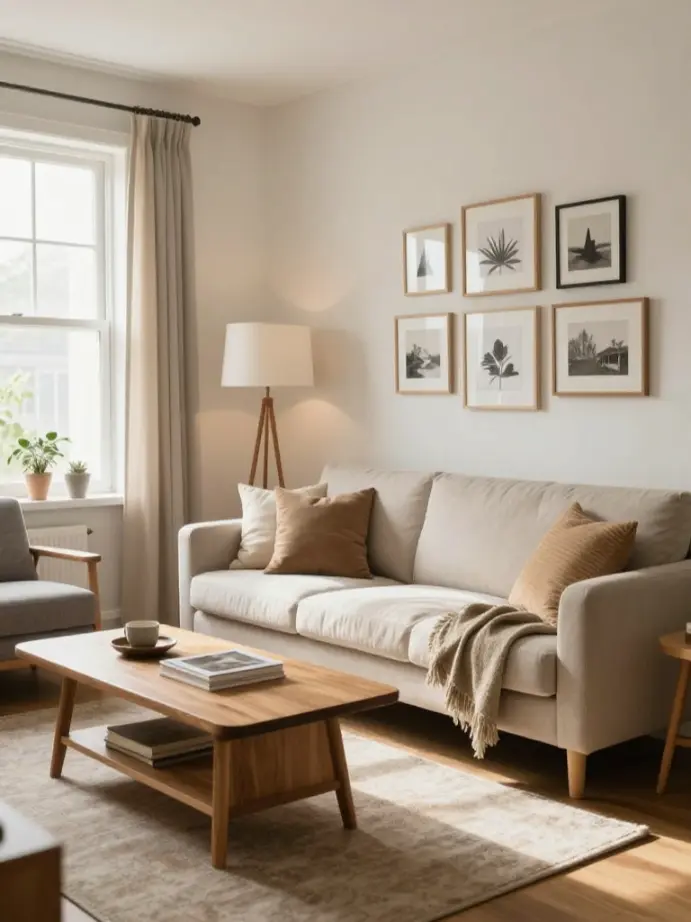
A small living room can feel like a design puzzle. Every chair, lamp, and throw pillow has to earn its place, and one wrong-sized sofa can make the whole room feel cramped. The good news is that a small footprint does not mean a small living room makeover is impossible on a budget. In fact, smaller rooms are often easier and cheaper to transform because they need fewer materials, fewer furniture pieces, and less paint to make a real visual impact.
This guide walks through fourteen practical, low-cost ways to complete a small living room makeover in 2026. None of these ideas require a renovation crew, a big box store spending spree, or weeks of your time. Most can be done in a single weekend, and several can be done in an afternoon. Whether you are working with a rental apartment, a starter home, or a tight family room, these ideas are built to maximize style per square foot and per dollar spent.
1. Rearrange the Furniture You Already Own
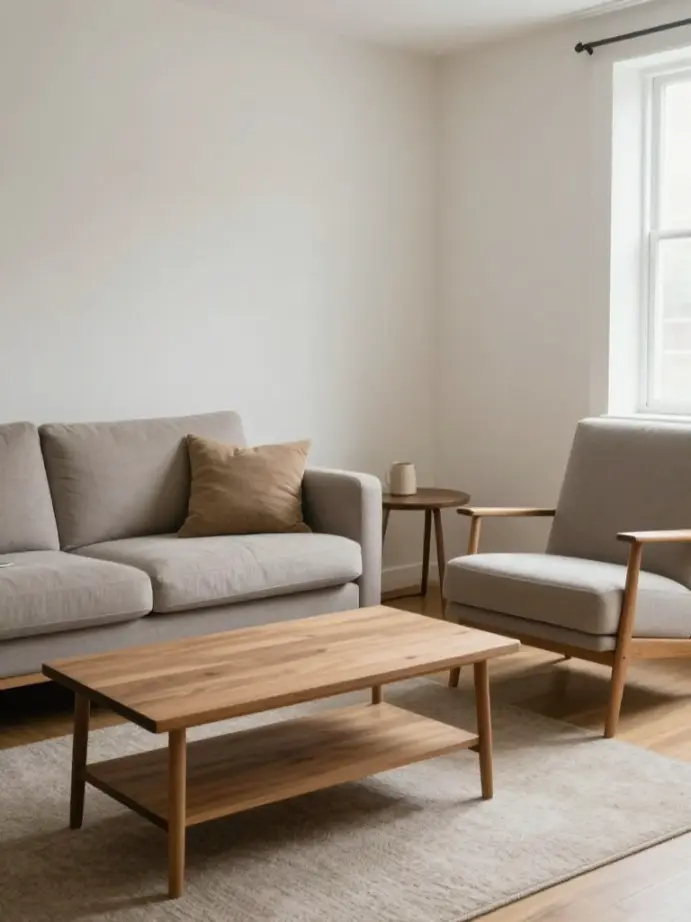 Before buying anything, start with the layout. Furniture arrangement is the single cheapest change you can make to a small living room, and it is often the most overlooked. Many small rooms feel tight simply because the furniture is pushed against the walls in a way that blocks natural pathways or wastes the center of the room.
Try floating the sofa a few inches away from the wall instead of pressing it flush against it. Angle a chair toward the center of the room rather than facing it directly at the television. Pull the coffee table slightly closer to the seating area to create a tighter, cozier conversation zone. Small rooms actually benefit from furniture that is pulled inward, since it creates breathing room around the edges and makes the walls feel farther away.
If you have a friend or family member available, spend thirty minutes testing two or three different layouts before settling on one. What looks right on paper does not always feel right in person.
2. Choose One Bold Paint Color for an Accent Wall
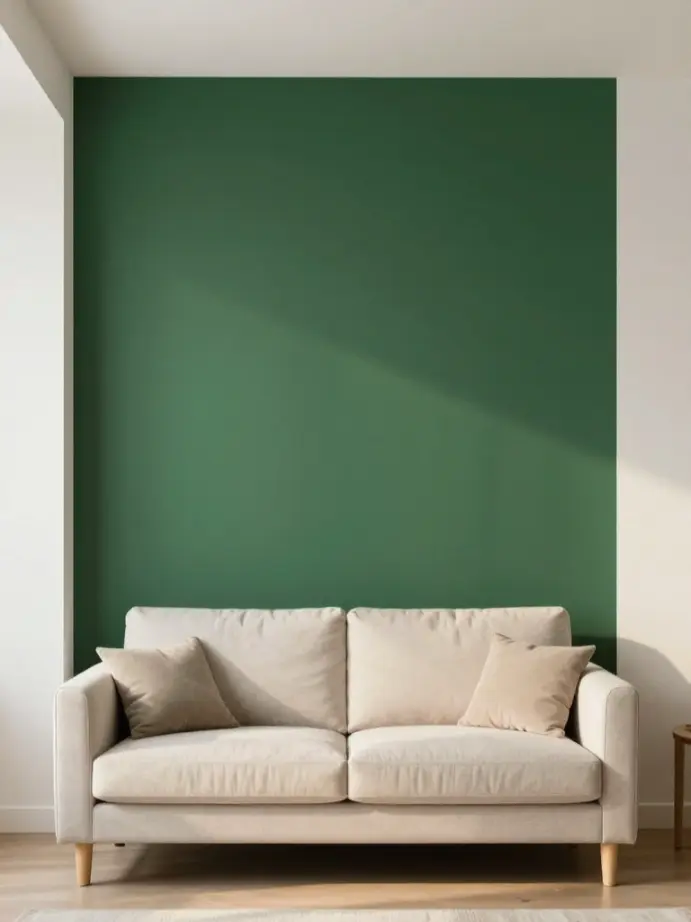 Paint remains the most cost effective way to transform any room, and a small living room is no exception. Instead of repainting all four walls, choose a single accent wall behind the sofa or fireplace. This limits your paint cost to a single gallon in most cases while still delivering a dramatic visual shift.
Deep colors like forest green, terracotta, or navy can make a small room feel intentional and rich rather than cramped, especially when paired with lighter furniture and plenty of natural light. If you are nervous about commitment, look for peel and stick removable paint panels or temporary wallpaper, which can achieve a similar effect without the long term commitment or the need to repaint before moving out of a rental.
3. Add a Large Mirror to Expand the Space Visually
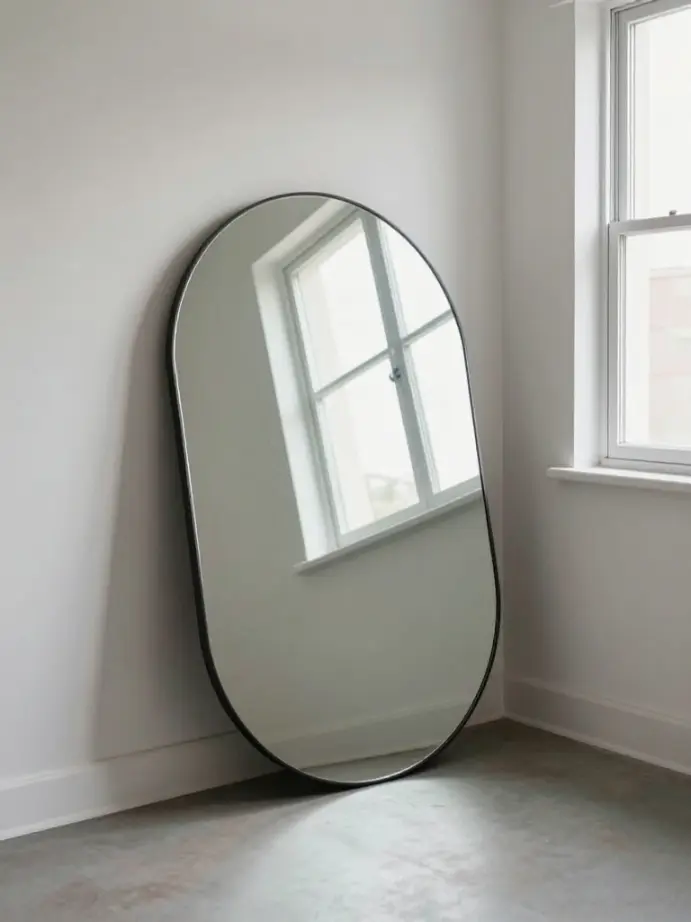 Mirrors are one of the oldest tricks in small space design, and for good reason. A large mirror placed across from a window reflects natural light back into the room, instantly making the space feel brighter and larger. Even a single oversized mirror leaned against a wall can change how the entire room reads.
Thrift stores, marketplace listings, and discount home stores often carry oversized mirrors at a fraction of retail price, particularly if the frame needs a light refresh. A coat of spray paint on an outdated gold or brass frame can modernize it in under an hour.
4. Swap Heavy Curtains for Light, Airy Window Treatments
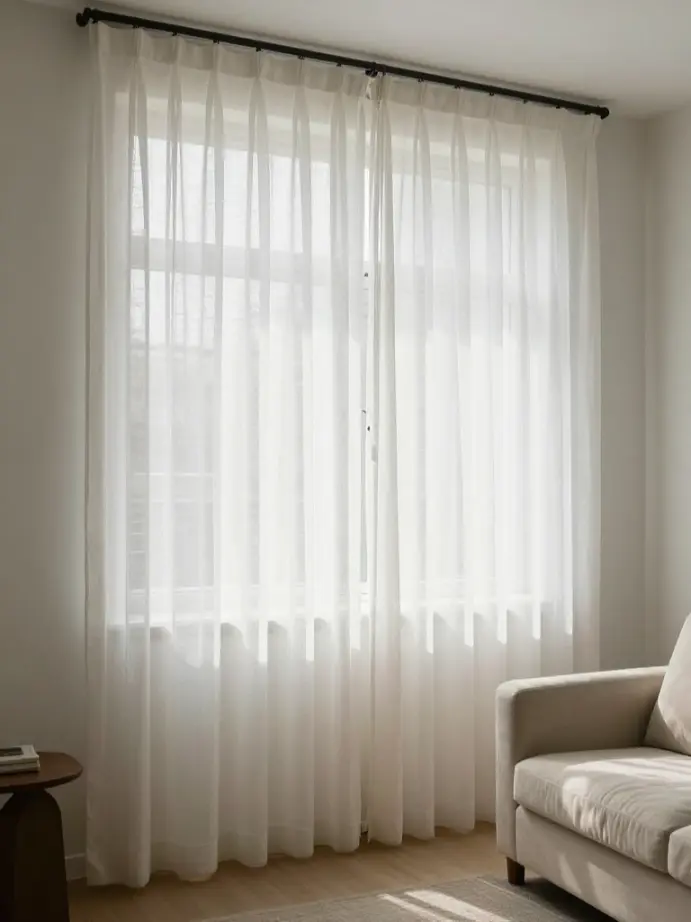 Thick, dark curtains can visually shrink a small living room by blocking light and drawing the eye downward. Replacing them with lighter linen or cotton panels allows more natural light to filter through, which makes the entire space feel more open.
Hang curtain rods slightly higher than the window frame and slightly wider than the window itself. This simple adjustment tricks the eye into perceiving taller ceilings and a wider window, both of which help a small room feel more expansive without any structural changes.
5. Introduce a New Area Rug to Anchor the Room
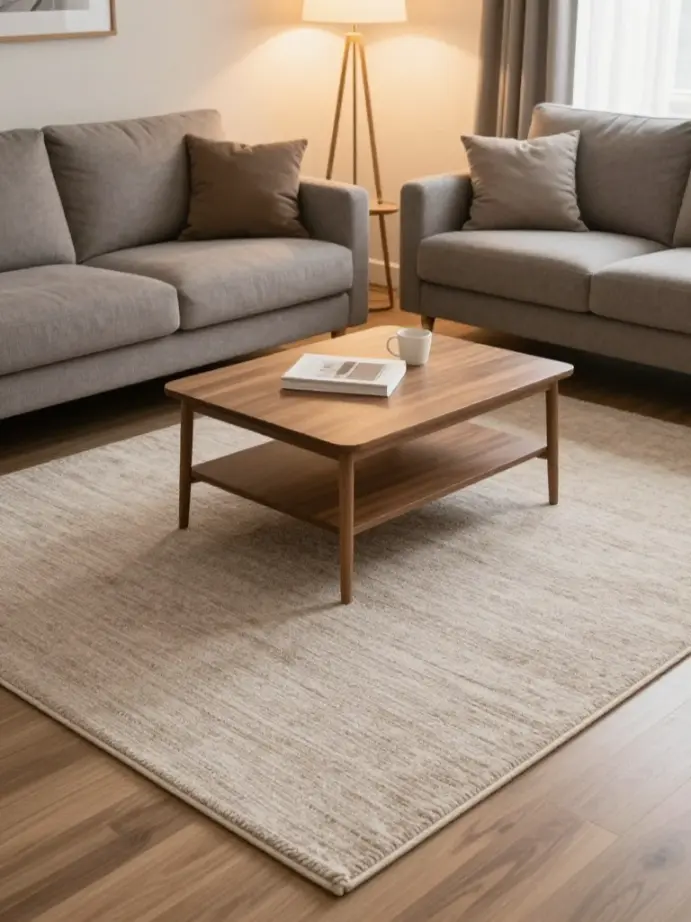 An area rug does more than add softness underfoot. In a small living room, the right rug can define the seating area, tie mismatched furniture pieces together, and add color or pattern without permanent commitment. Choose a rug large enough that the front legs of your major furniture pieces sit on it, since a rug that is too small can make the room feel choppy and disconnected.
Budget friendly rug options are widely available online, and many retailers offer flat weave or washable styles that mimic the look of expensive wool rugs at a much lower price point.
6. Layer in Textiles With Throw Pillows and Blankets
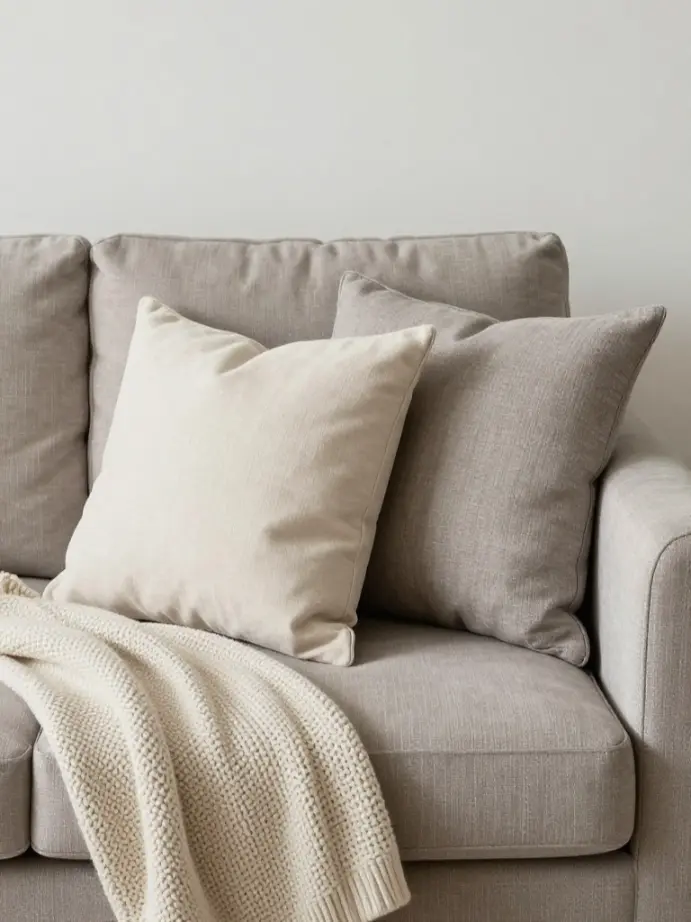 Throw pillows and blankets are inexpensive, easy to swap seasonally, and immediately add color, texture, and comfort to a small living room. Mix two or three coordinating patterns rather than matching everything exactly, which creates a collected, personal feel instead of a showroom look.
A folded throw blanket draped over the arm of a sofa or chair adds warmth and texture for the cost of a single item, and it can be changed out easily whenever you want to refresh the room’s palette.
7. Add Vertical Storage Instead of Floor Storage
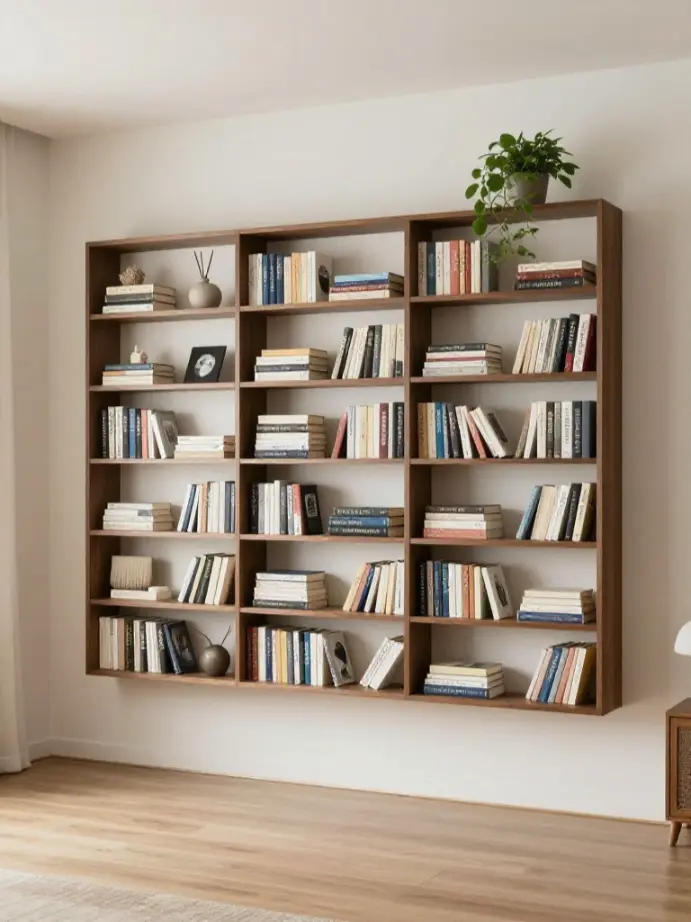 Small living rooms often struggle with clutter because there is limited floor space for storage furniture. Instead of adding another bulky cabinet, look up. Wall mounted shelves, floating bookcases, and tall narrow bookshelves use vertical space that would otherwise go unused, freeing up the floor and making the room feel more open.
Use these shelves to display books, plants, and a few curated decor pieces rather than overcrowding them, since a cluttered shelf can undo the spacious feeling you are trying to create.
8. Update Lighting With a New Floor or Table Lamp
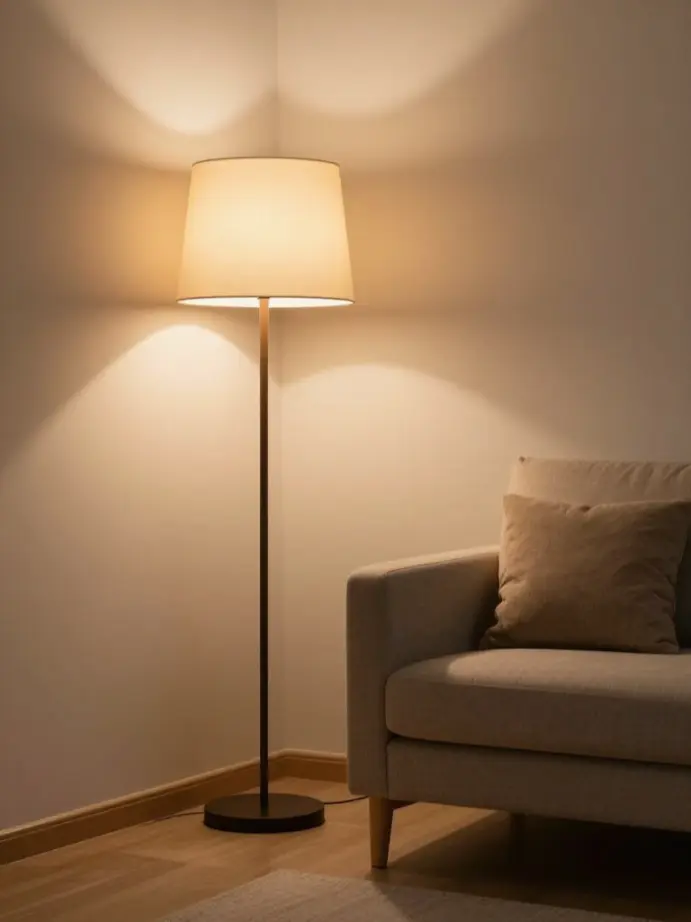 Overhead lighting alone can make a small living room feel flat and clinical. Adding a floor lamp in a corner or a table lamp on a side table introduces warmer, layered lighting that makes the room feel cozier in the evening. Look for lamps with dimmable bulbs so you can adjust brightness depending on the time of day or the mood you want to create.
A statement lamp with an interesting base or shade can also serve as a design focal point, giving the room personality without taking up valuable floor space.
9. Bring in Live or Faux Plants
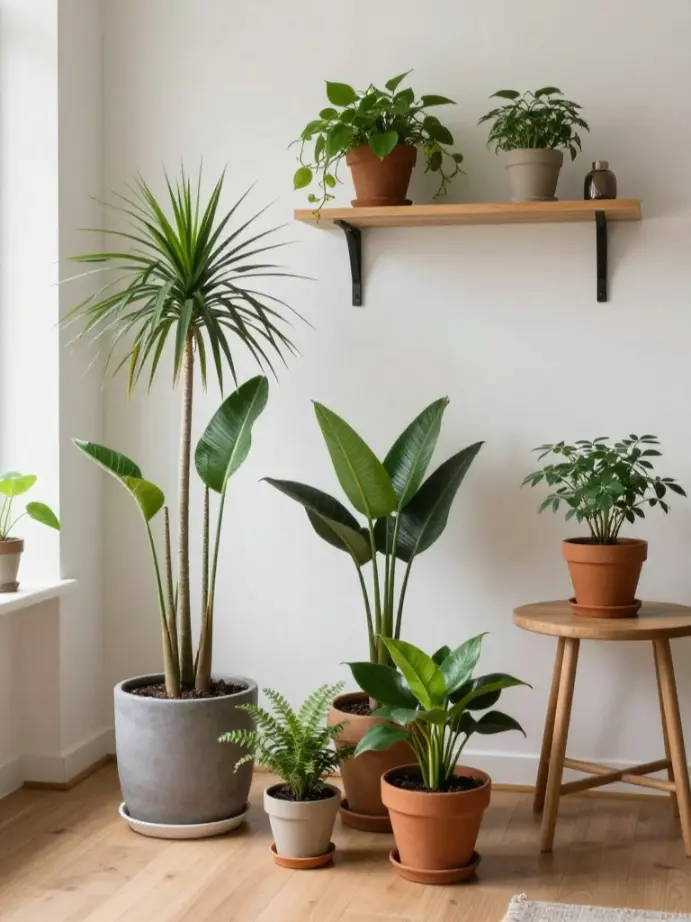 Plants add color, texture, and life to a small living room for very little money. A few affordable options like pothos, spider plants, or snake plants tolerate low light and require minimal care, making them ideal for renters or beginners. If you prefer a lower maintenance option, high quality faux plants have become increasingly realistic and can achieve a similar visual effect.
Vary the plant heights by placing some on the floor in a corner, some on shelves, and smaller pots on side tables. This layering technique adds depth to the room without requiring any additional furniture.
10. Repurpose or Refresh a Coffee Table
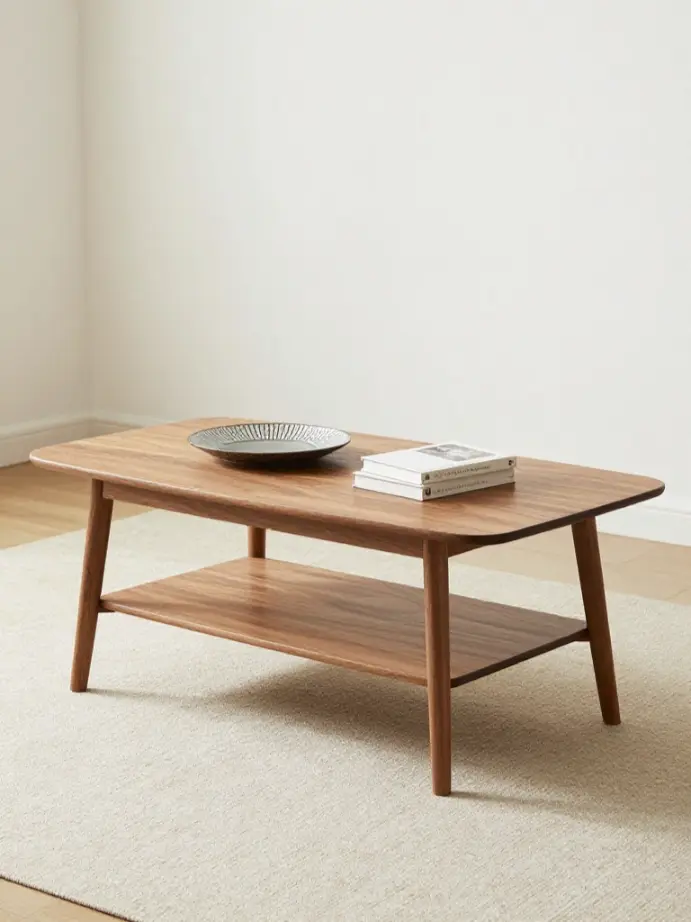 The coffee table is often the visual center of a small living room, so refreshing it can have an outsized impact. If your current table is dated, consider sanding and repainting it, or adding new hardware if it has drawers. If you are shopping for a new one, a coffee table with slim legs and an open base will feel lighter and less bulky than a solid, boxy design, which matters significantly in a smaller footprint.
Trays on top of the coffee table can also organize remote controls and small items while adding a decorative layer, echoing the vignette style popular in many designer spaces.
11. Create a Gallery Wall With Thrifted or Printed Art
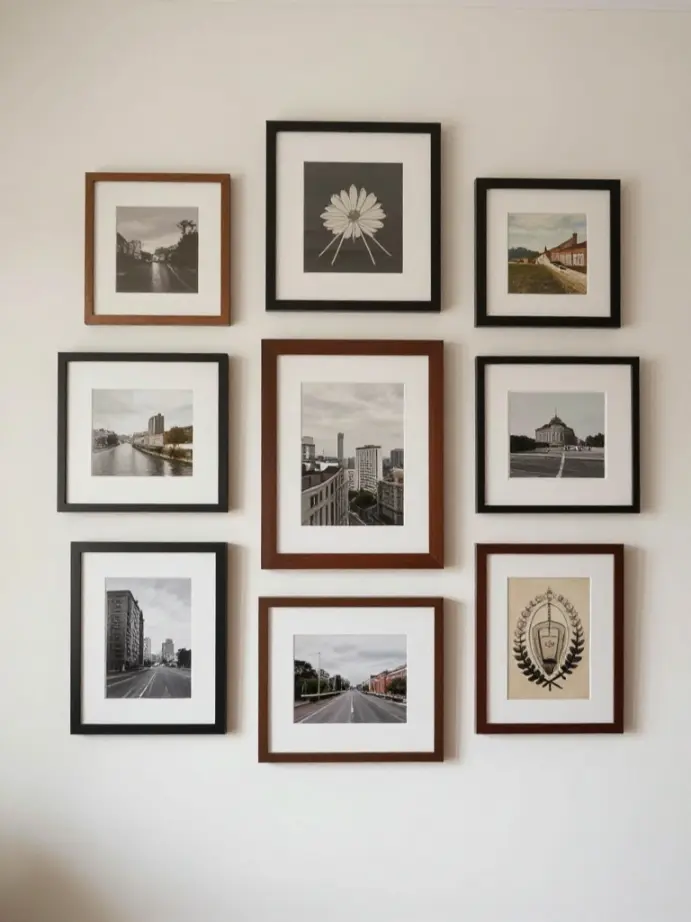 A gallery wall adds personality and visual interest to a small living room without requiring any additional furniture or floor space. Mix thrifted frames from secondhand shops with inexpensive printed art, family photos, or even pages from an old book or calendar. Uniform frame colors help tie mismatched art pieces together, even if the artwork itself varies in style and subject.
Lay the arrangement out on the floor first to find a composition you like before committing to nail holes in the wall.
12. Update Cabinet or Shelf Hardware
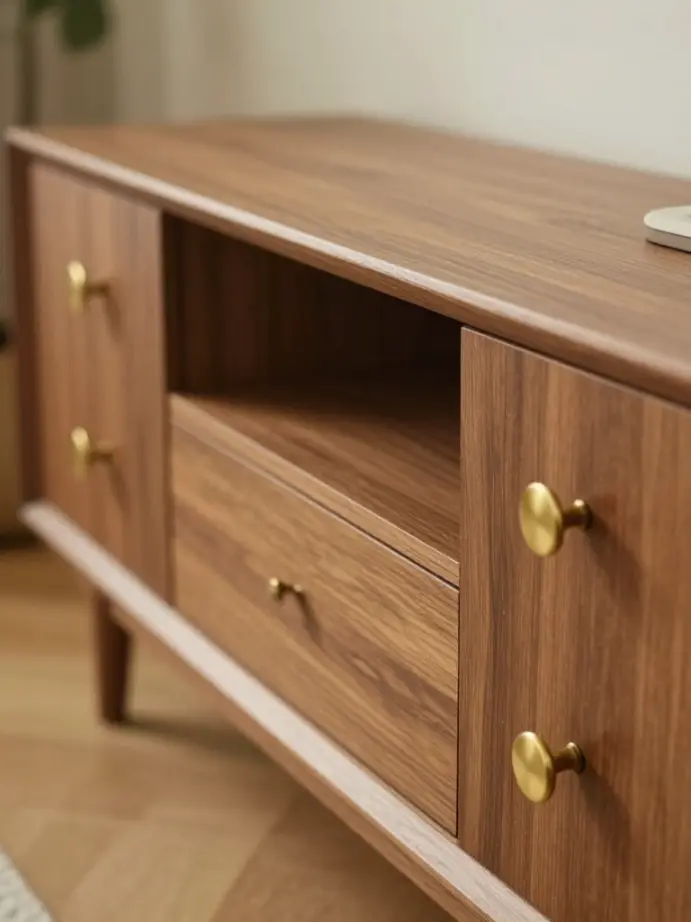 If your small living room includes a media console, cabinet, or built in shelving, updating the hardware is a fast and inexpensive way to modernize the space. New knobs or pulls can be found at very low prices and installed in under an hour with a basic screwdriver, giving older furniture a more current look without replacing it entirely.
13. Add a Statement Piece Instead of Many Small Ones
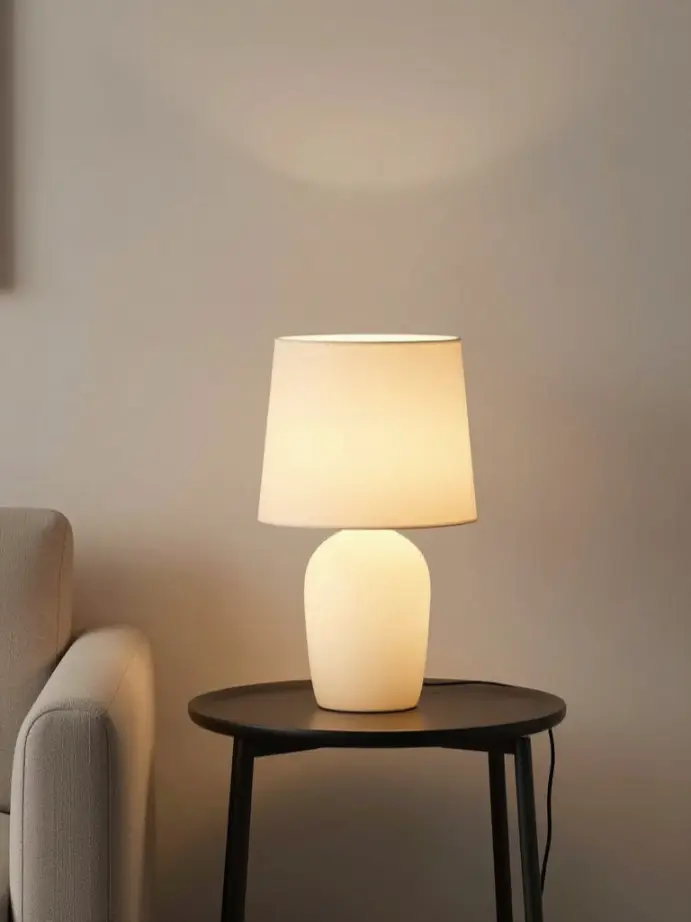 In a small living room, one well chosen statement piece often has more impact than several small decorative items scattered around. This could be a bold piece of art, a sculptural lamp, or a single oversized vase. Concentrating visual interest in one spot keeps the room from feeling cluttered while still giving it personality and a clear focal point.
14. Shop Secondhand for Unique, Budget Friendly Finds
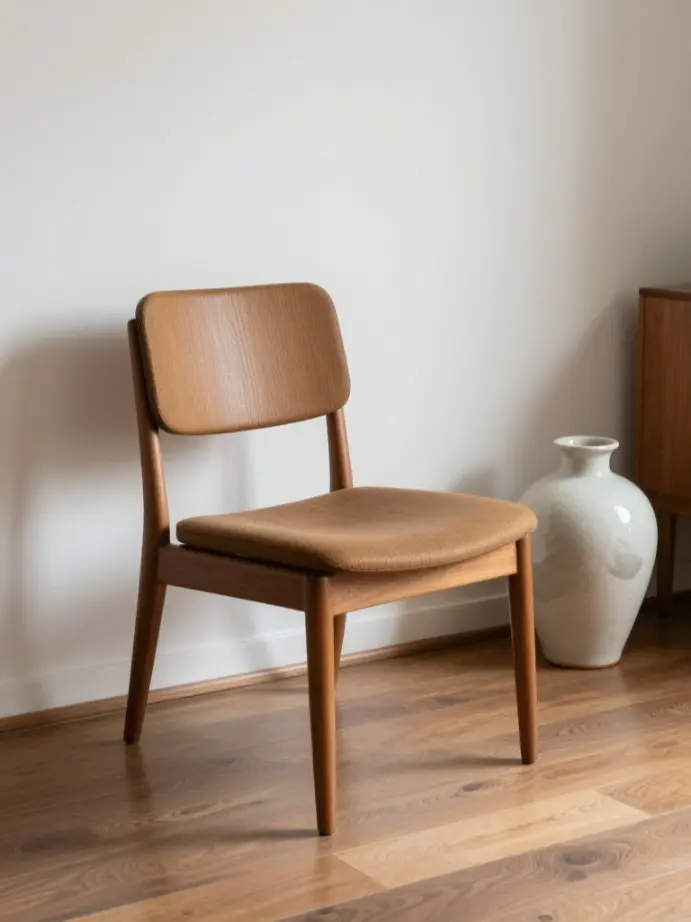 Estate sales, thrift stores, and online marketplaces are excellent sources for unique furniture and decor at a fraction of retail cost. A vintage coffee table, an interesting side chair, or a set of ceramic vases can add character that new, mass produced items often lack. Secondhand shopping also tends to be more sustainable, and many pieces from past decades were built with materials and craftsmanship that hold up better over time than some newer budget furniture.
Approach secondhand shopping with a rough plan in mind, including measurements of your space, so you can move quickly when you spot a piece that fits both your room and your budget.
Bringing It All Together
A small living room makeover does not require a large budget or a complete overhaul. The most effective transformations often come from a handful of small, intentional changes working together. Start with the furniture layout since it costs nothing, then layer in paint, lighting, textiles, and a few carefully chosen decor pieces. Each addition should serve a purpose, whether that is adding light, color, storage, or personality, rather than simply filling space.
The best small living rooms feel curated rather than cramped. By focusing on scale, light, and a few standout pieces instead of trying to fit in everything at once, you can create a space that feels both comfortable and stylish, all without stretching your budget. Try tackling two or three of these ideas this weekend, and let the room evolve naturally from there.
You May Also Like This Post: 18 Stunning Outdoor Decor Ideas You’ll Want to Copy in 2026.
Frequently Asked Questions
What is the cheapest way to makeover a small living room?
Rearranging your existing furniture costs nothing and often makes the biggest visual difference, since a smarter layout can immediately make the room feel more open and functional.
What color makes a small living room look bigger?
Light neutral colors like soft white, warm beige, or pale gray tend to make small rooms feel larger, though a single darker accent wall can add depth without shrinking the space.
How can I add storage to a small living room without taking up floor space?
Wall mounted shelves and floating bookcases use vertical space efficiently, keeping the floor open while still providing room for books, plants, and decor.
Do small living rooms need a large rug or a small one?
A larger rug that fits the front legs of your major furniture pieces works best, since a rug that is too small can make the room feel disconnected and choppy.
How often should a small living room be refreshed?
There is no strict rule, but swapping textiles, plants, and small decor items seasonally can keep the room feeling current without requiring a full makeover each time.