

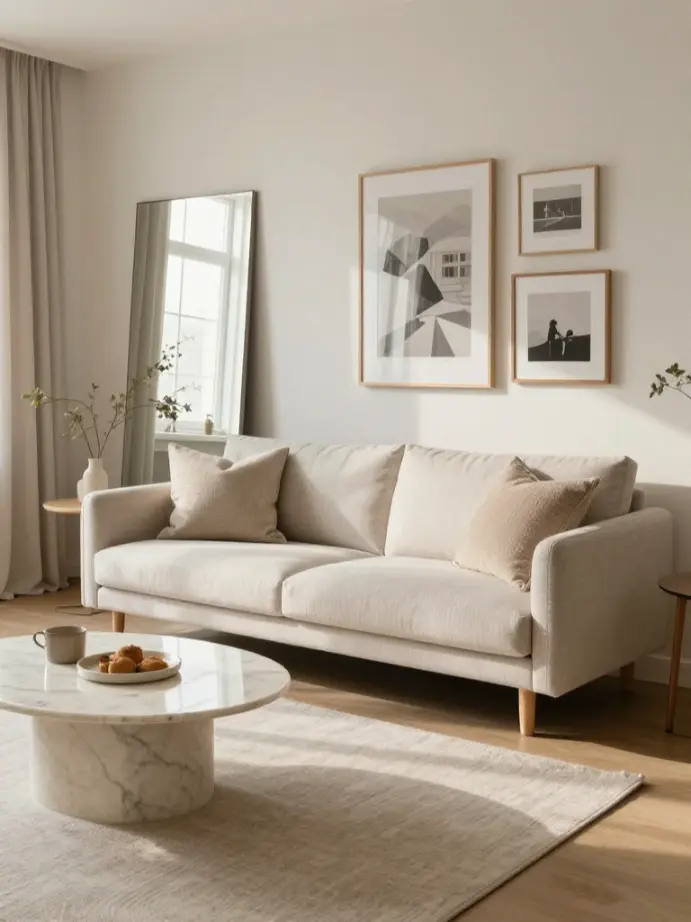
A small living room does not have to feel small. With the right choices in color, furniture, and layout, even a compact space can look refined, spacious, and unmistakably elegant. The trick lies not in adding more but in choosing better. Every piece in a small room works harder, so every decision, from the shade on your walls to the height of your curtain rod, has an outsized effect on how the room feels. That is exactly what this collection of elegant small living room ideas sets out to prove.
This guide walks through fifteen practical and elegant small living room ideas, drawing on interior design principles that have proven effective across countless real homes. Whether you are working with a studio apartment, a narrow city living room, or a cozy cottage sitting area, these ideas will help you create a space that feels curated rather than cramped.
1. Choose a Soft, Cohesive Color Palette
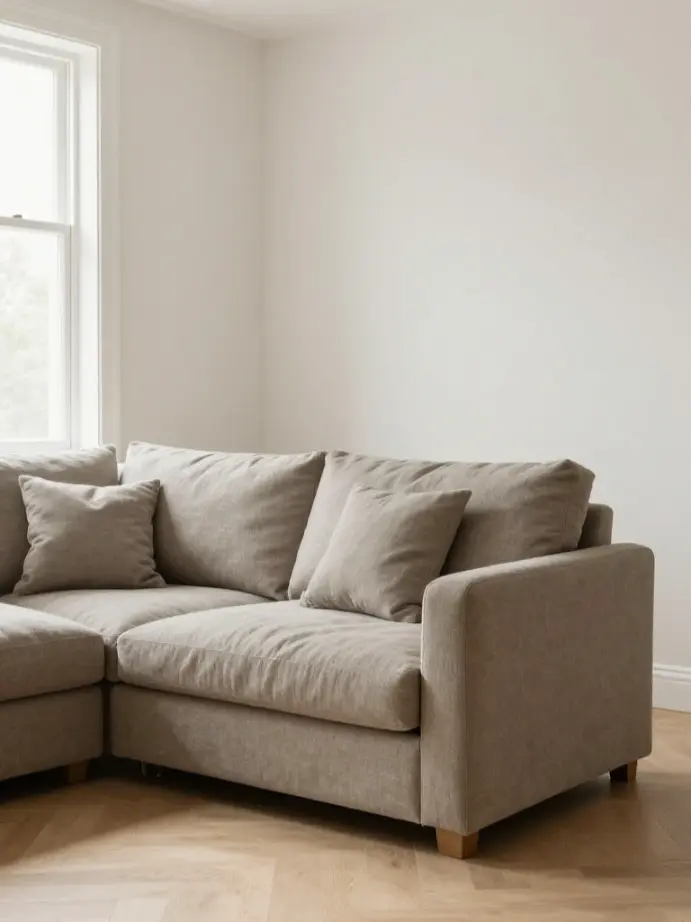 Color is the single most powerful tool for making a small living room feel larger and more elegant. A soft, cohesive palette, built around two or three complementary shades, creates visual continuity that tricks the eye into perceiving more space.
Why Light Neutrals Work
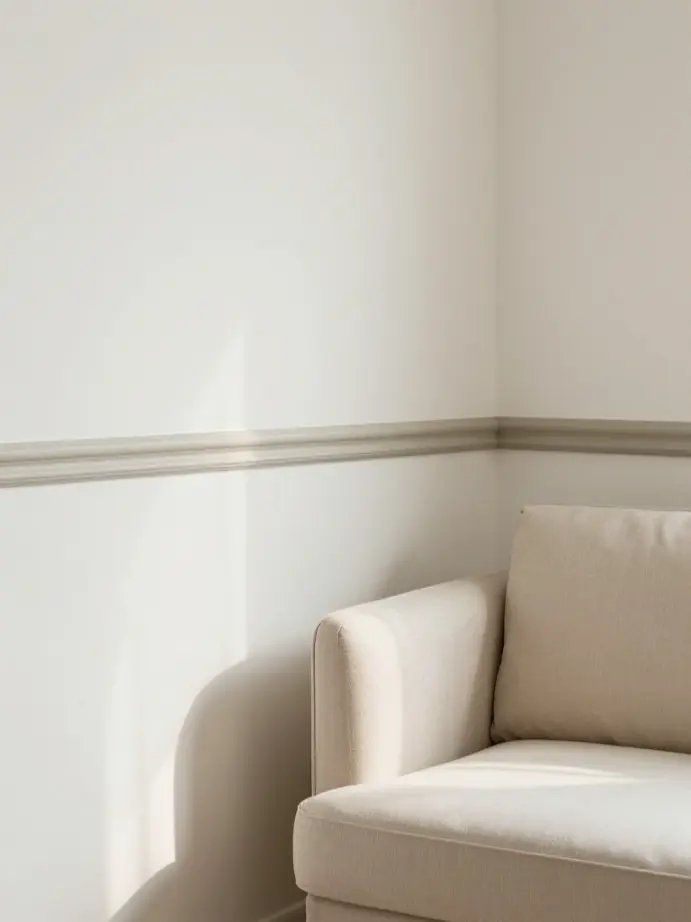 Whites, warm greiges, soft taupes, and gentle sage tones reflect available light rather than absorbing it. This keeps the room feeling airy instead of closed in. When walls, trim, and even furniture upholstery share a similar tonal range, the eye moves smoothly through the space without hitting visual stopping points that make a room feel chopped up.
When to Add a Bold Accent
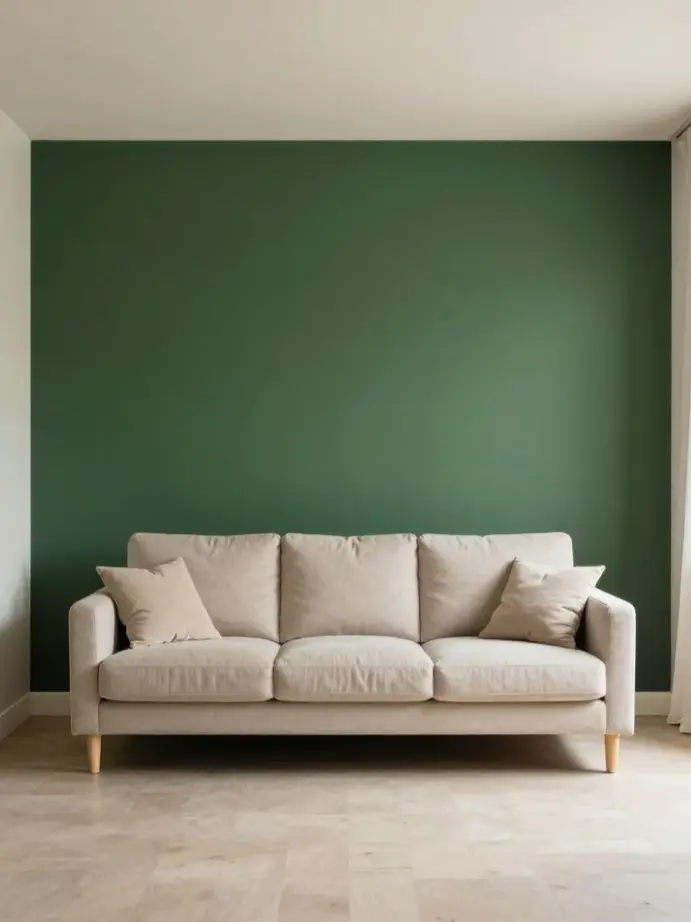 Elegant does not have to mean bland. A single wall in a deep, saturated color, such as forest green or ink blue, can add sophistication without shrinking the room, provided the rest of the palette stays restrained. This approach, sometimes called color drenching when applied to ceilings and trim as well, gives a small room a sense of intention and depth.
2. Scale Furniture to the Room
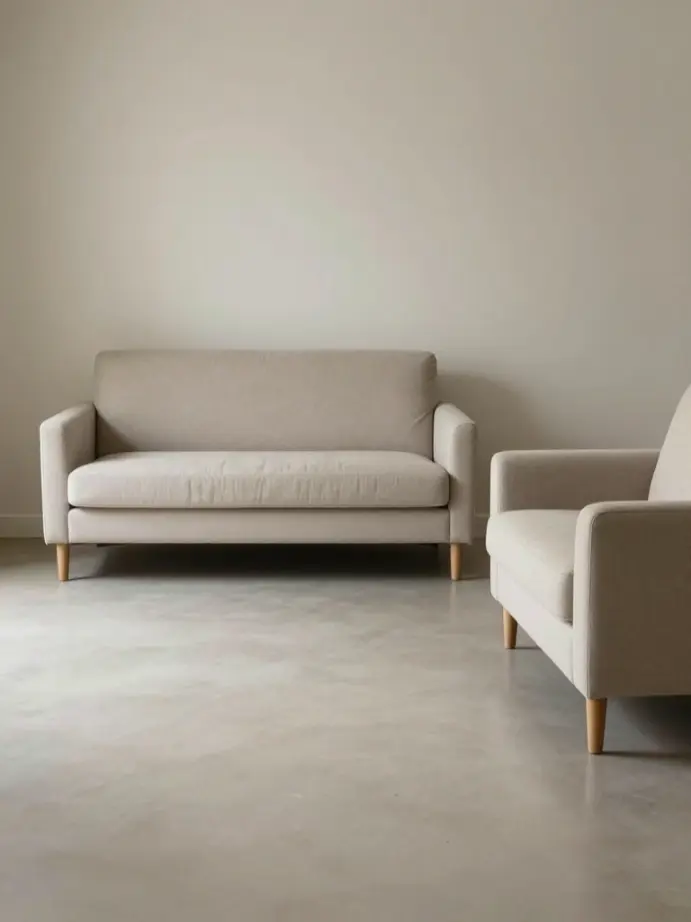 Oversized furniture is the most common mistake in small living rooms. A sofa that is too deep or an armchair that is too bulky will dominate the space and make circulation difficult.
Choose pieces with slim arms, raised legs, and proportions that suit the actual square footage of the room. A loveseat paired with one well chosen accent chair often works better than a full three seat sofa. Raised furniture legs, in particular, allow light to pass beneath the piece, which visually lightens the entire room and makes floors appear to extend further than they do.
3. Use Multi Functional Furniture
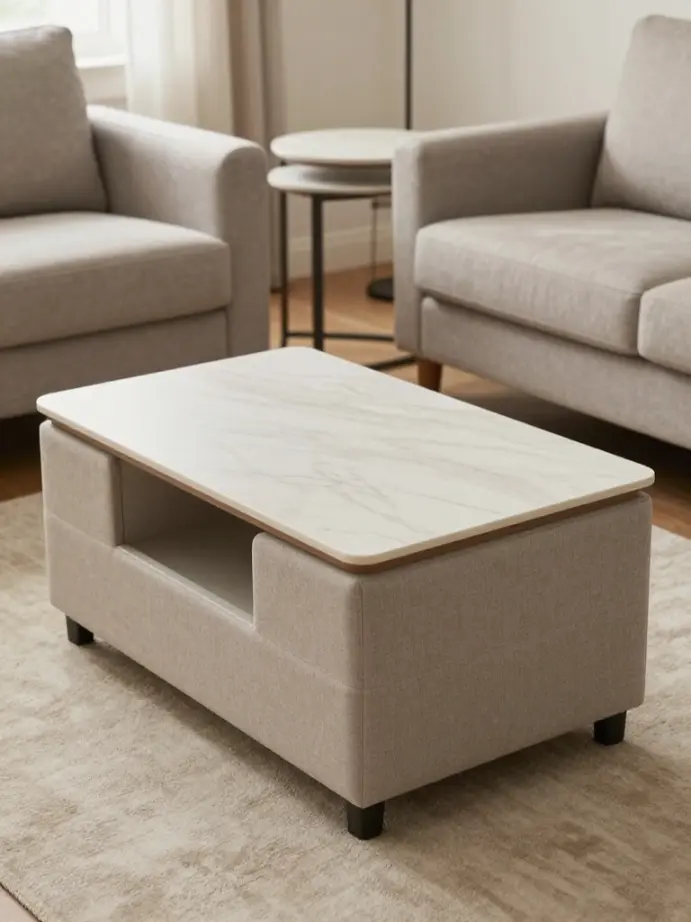 Every square foot counts in a small living room, so furniture that serves more than one purpose is invaluable. A storage ottoman can double as a coffee table and hidden storage for blankets or magazines. A console table behind the sofa can define the space while offering a surface for lamps or display.
Nesting tables are another elegant solution, since they can be pulled apart for entertaining and tucked together the rest of the time. This flexibility keeps the room adaptable without requiring extra furniture that would otherwise crowd the floor plan.
4. Hang Mirrors Strategically
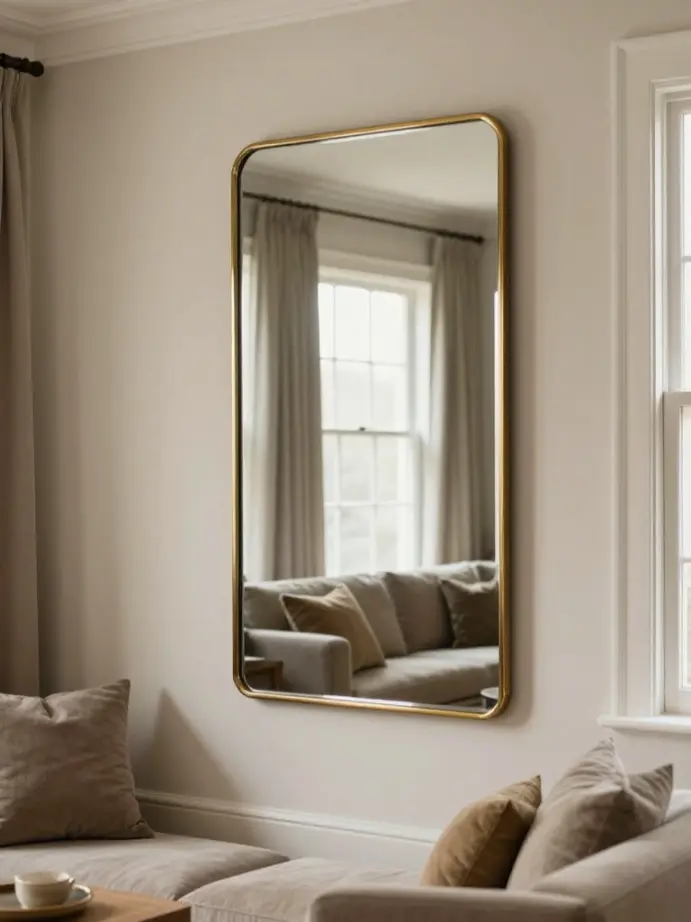 Mirrors remain one of the most effective and elegant tricks for expanding a small living room visually. Placed opposite a window, a large mirror reflects natural light deeper into the room and creates the illusion of an additional window or doorway.
Choose a mirror with a refined frame, such as brass, aged bronze, or matte black, to add a decorative element in addition to the functional benefit. A single oversized mirror often reads as more elegant than several smaller ones grouped together, since it avoids visual clutter while still delivering maximum reflective impact.
5. Draw the Eye Upward with Vertical Lines
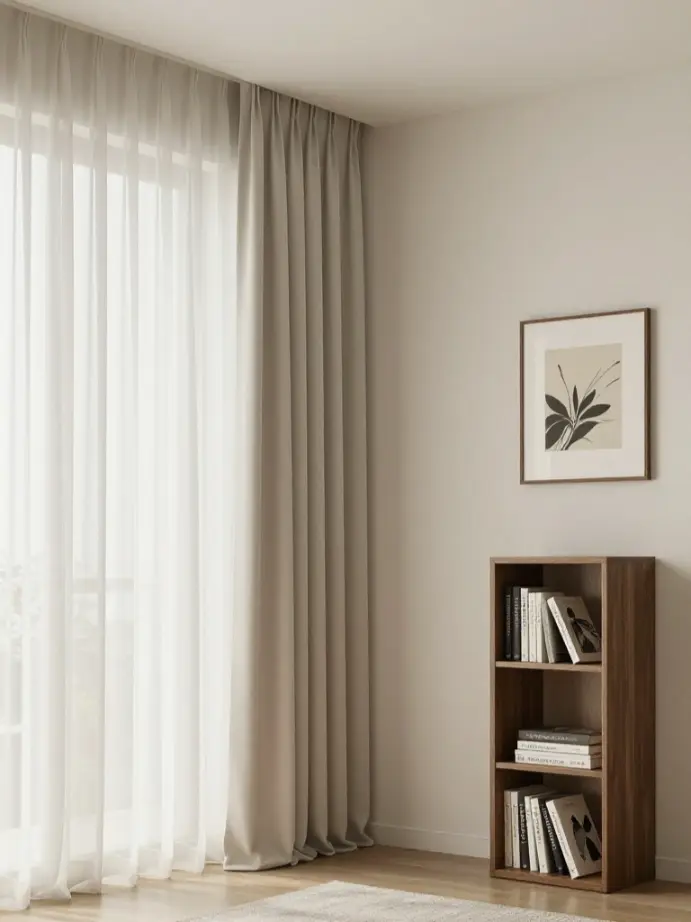 Small rooms often suffer from feeling squat or low, particularly when ceilings are not especially high. Vertical elements counteract this by drawing the eye upward, which makes the entire room feel taller and more open.
Floor to ceiling curtains, tall bookshelves, and artwork hung slightly higher than eye level all contribute to this effect. Even the way curtain rods are mounted matters. Installing them close to the ceiling rather than directly above the window frame adds several inches of perceived height and lets the windows themselves appear larger.
6. Layer Lighting Instead of Relying on One Source
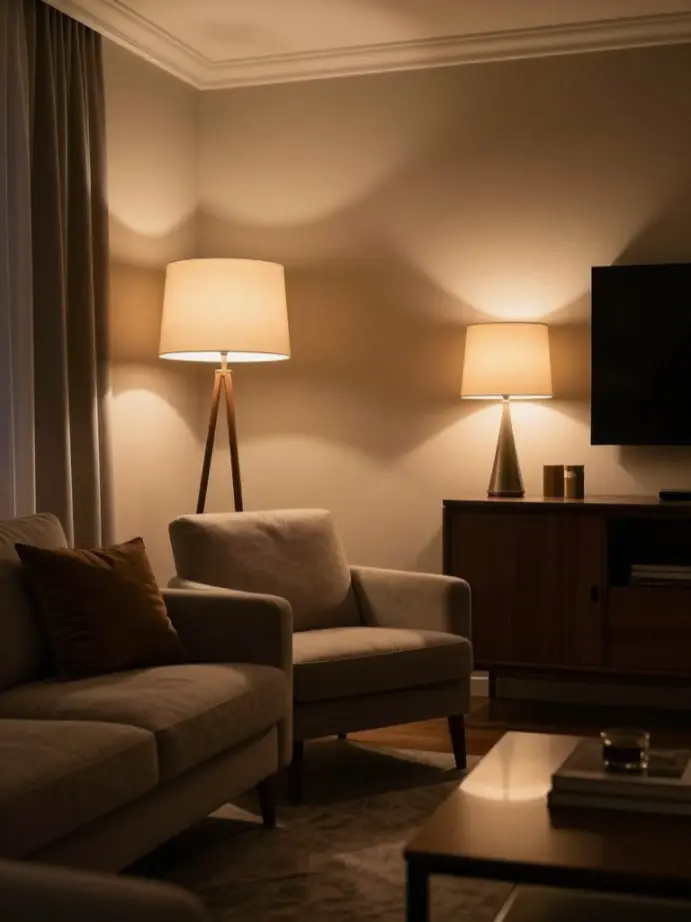 A single overhead fixture flattens a room and creates harsh, uneven shadows. Elegant small living rooms typically use layered lighting, combining ambient, task, and accent sources to create warmth and dimension.
Ambient and Task Lighting
A floor lamp beside a reading chair, a table lamp on a console, and soft overhead lighting on a dimmer together create a room that feels welcoming at any time of day. Warm bulb temperatures, generally between 2700 and 3000 Kelvin, contribute to a cozier, more upscale atmosphere than cool white lighting.
Accent Lighting for Depth
Picture lights above artwork or LED strips behind a media console add subtle depth without requiring additional floor space. These small touches are often what separates a room that looks put together from one that looks merely furnished.
7. Select a Rug That Anchors the Room
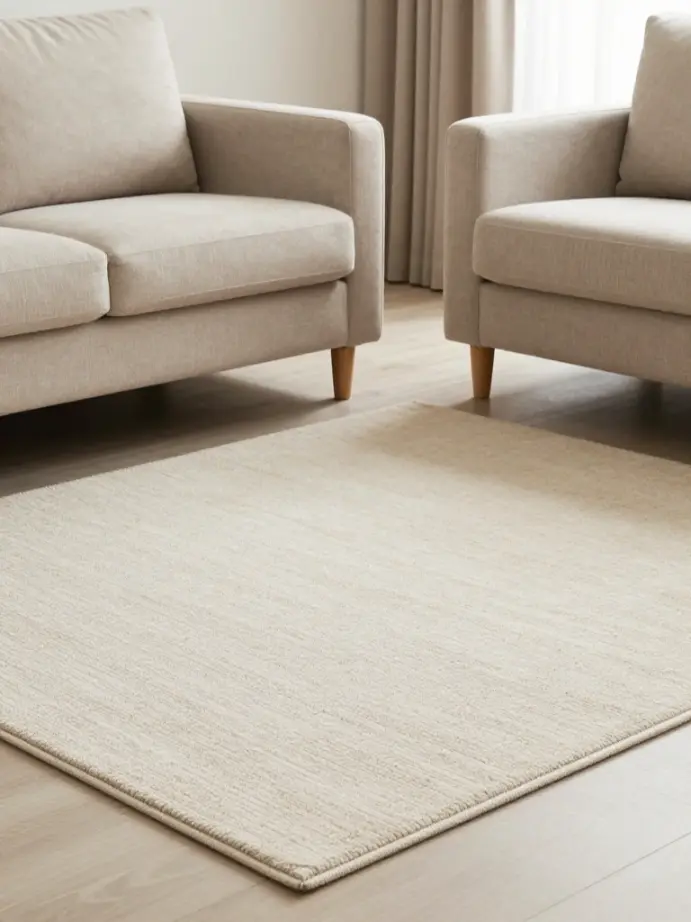 Rug size is frequently underestimated in small living rooms. A rug that is too small will make the seating area look disconnected and the room appear even smaller than it is.
As a general guideline, at least the front legs of every seating piece should rest on the rug, and ideally all four legs of the primary sofa. A rug with a subtle pattern or a solid tone in a shade slightly different from the flooring adds definition to the seating zone without overwhelming the room. Light, low pile rugs tend to read as more elegant in compact spaces than heavy, high pile options.
8. Keep Window Treatments Minimal and Airy
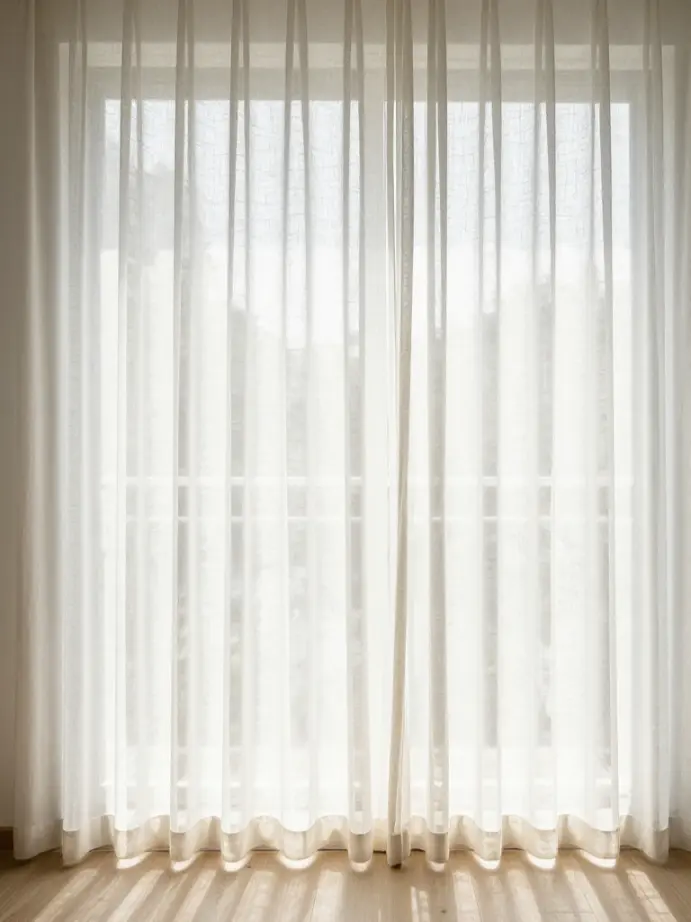 Heavy drapery can visually swallow a small living room. Elegant small spaces tend to favor lighter fabrics, such as linen or sheer cotton blends, that filter light rather than block it entirely.
If privacy is a concern, layering a sheer panel with a light blackout liner offers function without bulk. Curtains should extend the full height of the wall wherever possible, reinforcing the vertical lines discussed earlier and allowing the window itself to feel like a larger architectural feature.
9. Introduce Texture Through Textiles
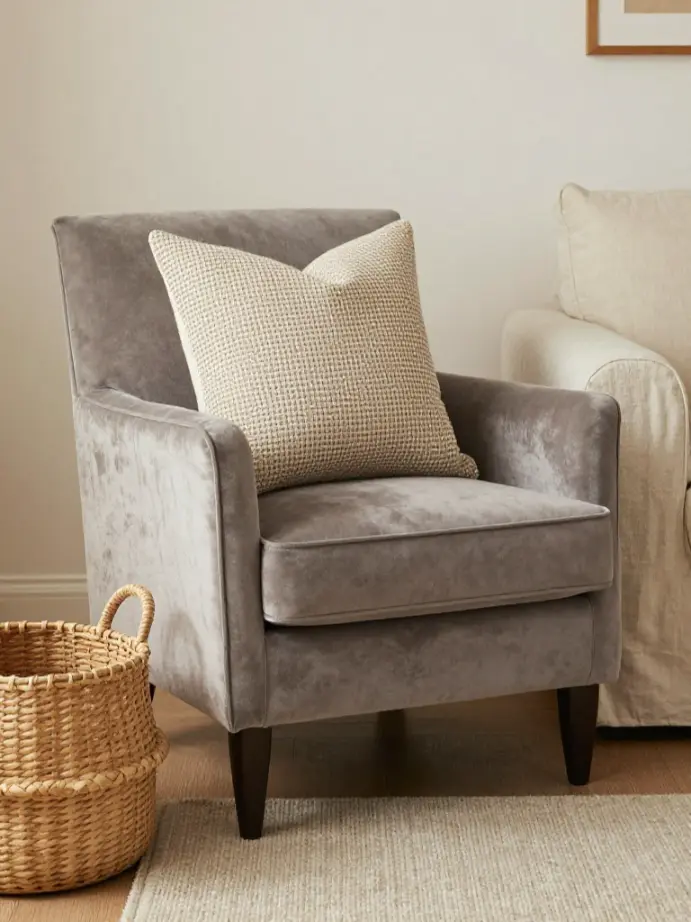 Elegance in a small room often comes down to texture rather than pattern or color. A room built entirely from smooth, flat surfaces can feel sterile, while one dominated by heavy patterns can feel busy and cramped.
The middle path is a careful layering of texture, a bouclé throw pillow, a linen slipcover, a woven basket, a velvet accent chair. These tactile contrasts add richness and visual interest without requiring additional furniture or floor space, which makes texture one of the most efficient design tools available in compact rooms.
10. Build a Gallery Wall with Intention
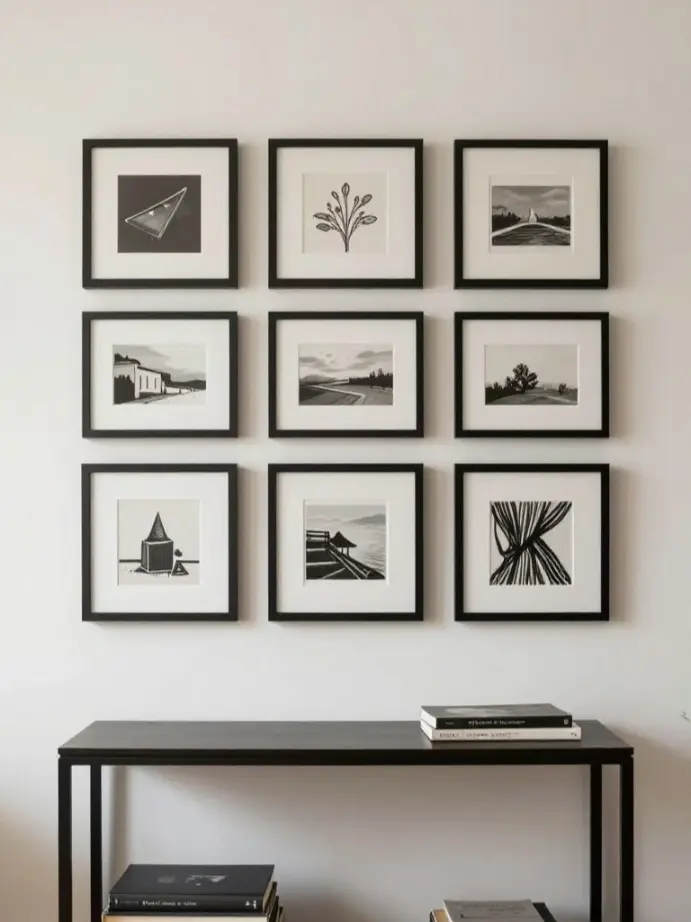 Wall space is often underused in small living rooms, yet it is one of the few areas not constrained by square footage. A well composed gallery wall adds personality and sophistication while keeping the floor completely clear.
Choose frames in a consistent finish, such as all black or all natural wood, to keep the arrangement feeling curated rather than random. Leaving consistent spacing between frames, typically two to three inches, gives the wall a gallery quality rather than a cluttered one.
11. Float Furniture Away from the Walls When Possible
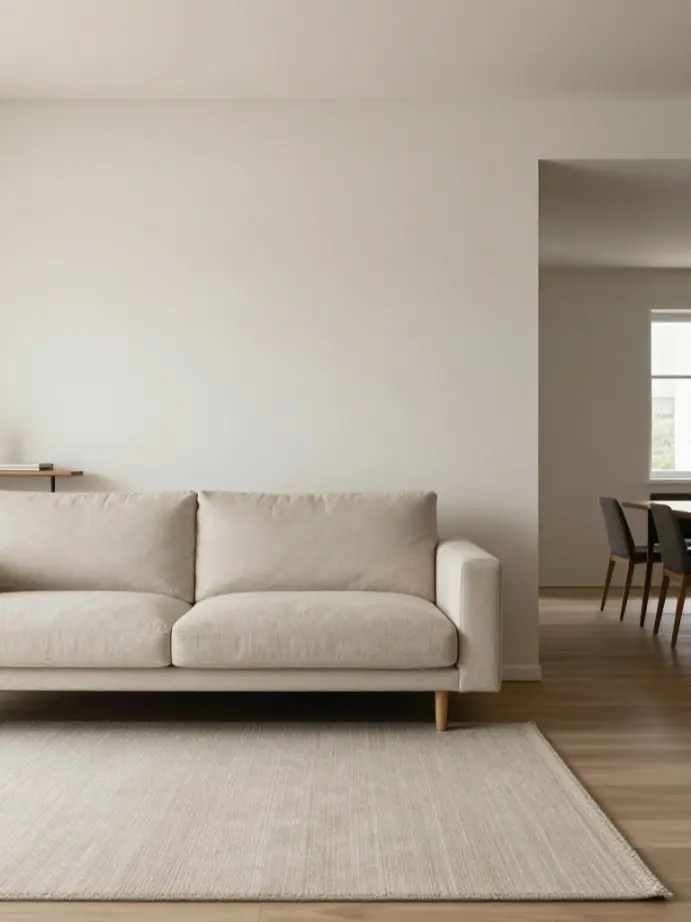 It may seem counterintuitive, but pushing every piece of furniture against the walls does not always make a small room feel bigger. In some layouts, floating the sofa slightly away from the wall and adding a console or slim table behind it creates a defined seating zone that feels more intentional and spacious.
This approach works particularly well in open concept spaces, where the living room needs to be visually separated from a dining or kitchen area without the use of walls. A floated sofa, paired with a rug beneath it, effectively signals where one zone ends and another begins.
12. Choose a Statement Coffee Table
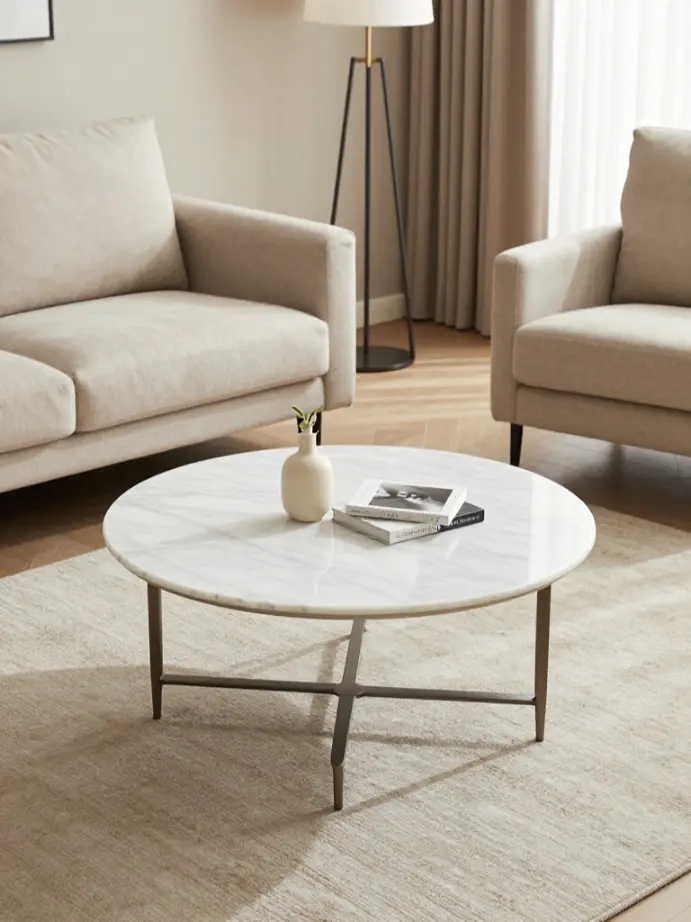 The coffee table often serves as the visual centerpiece of a small living room, which makes it worth choosing carefully. A round or oval table with slim legs takes up less visual weight than a large rectangular one and allows for easier movement around the seating area.
Materials such as glass, marble, or polished wood catch and reflect light, reinforcing the airy quality that makes small rooms feel elegant. For very tight layouts, a nesting set or a table with a lower profile than the sofa arms can maintain sightlines across the room.
13. Declutter with a Clear Storage Strategy
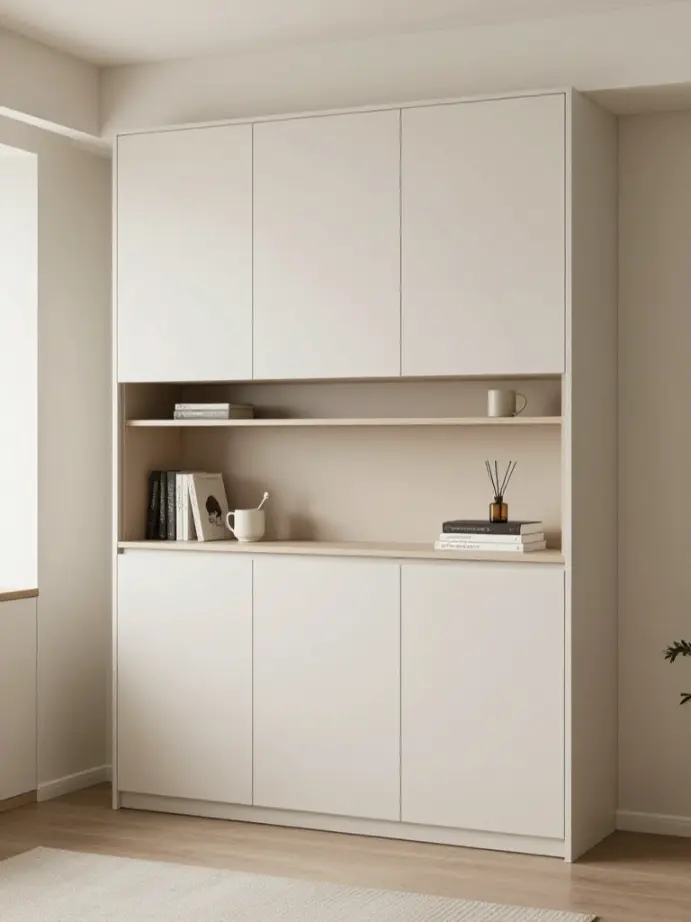 No amount of styling can compensate for visible clutter. Elegant small living rooms rely on defined storage solutions so that everyday items have a place other than the coffee table or floor.
Closed storage, such as cabinets with doors or ottomans with lift tops, hides everyday items while open shelving can be reserved for a few carefully chosen decorative objects. The goal is restraint. A small number of well chosen pieces, displayed with breathing room around them, will always look more elegant than a shelf packed with mismatched items.
14. Use Furniture and Rug Edges to Create Zones
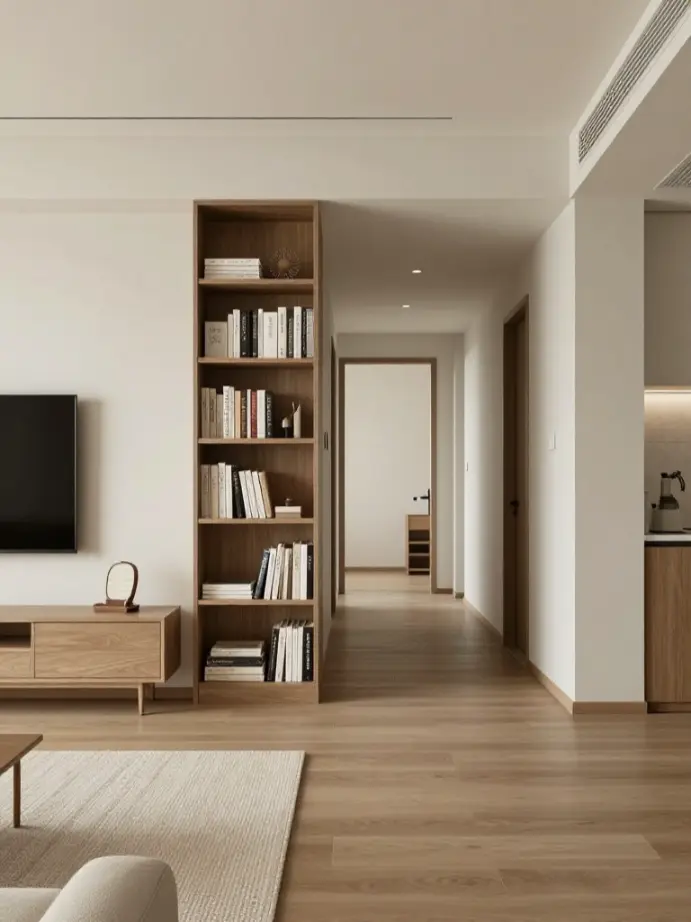 In studio apartments or open floor plans, small living rooms often blend into adjoining spaces without a clear boundary. Defining the living area, even without walls, contributes significantly to a sense of order and sophistication.
A rug is the simplest tool for this, but furniture placement works just as well. Positioning a sofa or bookshelf perpendicular to the flow of the room can create a soft boundary that separates the living area from a hallway or kitchen without requiring any construction.
15. Finish with a Few Considered Personal Touches
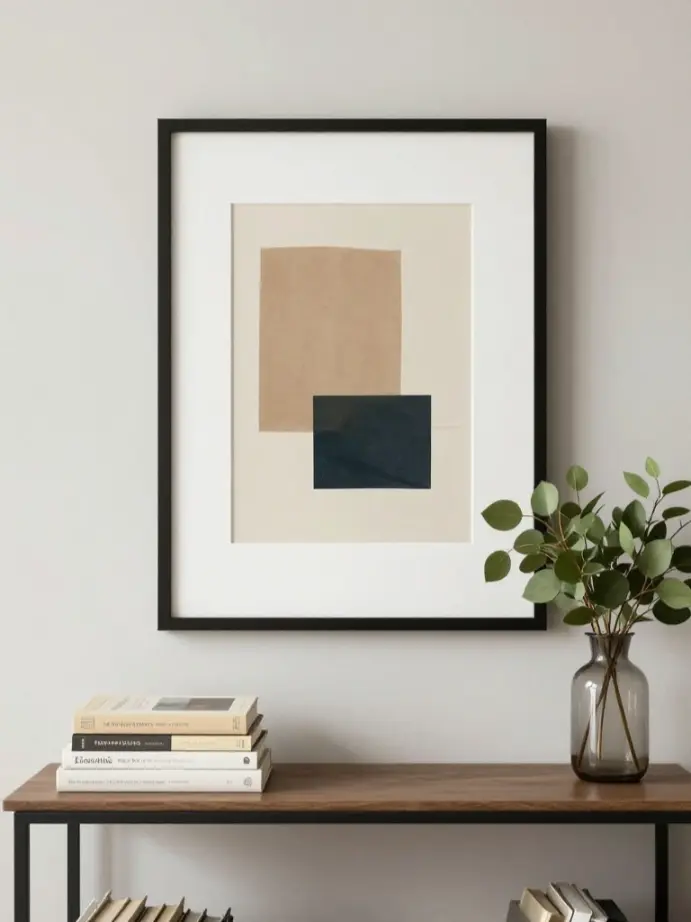 The final layer that makes a small living room feel elegant rather than merely tidy is personality. A single meaningful piece of art, a stack of well loved books, or a vase of fresh greenery brings warmth to an otherwise carefully controlled space.
The key is restraint. Rather than displaying everything at once, rotate a few personal items seasonally. This keeps the room feeling fresh and prevents the kind of accumulation that can quickly overwhelm a compact footprint.
Bringing It All Together
Designing an elegant small living room is less about finding more space and more about using the space available with intention. Every choice, from wall color to furniture legs to the height of a curtain rod, contributes to how open and refined the room ultimately feels. Start with a cohesive palette and properly scaled furniture, then layer in lighting, texture, and a few personal touches to finish the look.
The most successful small living rooms rarely rely on a single trick. Instead, they combine several of these strategies at once, light colors with vertical lines, multi functional furniture with thoughtful storage, mirrors with layered lighting. Applied together, these fifteen ideas can transform even the most modest living room into a space that feels considered, comfortable, and genuinely luxurious.
You may also like this Post: 27 Best Coffee Table Decor Ideas To Recreate In 2026
Frequently Asked Questions
What is the best color for a small living room to look bigger?
Soft neutrals such as warm white, light greige, and pale sage tend to work best, since they reflect light and create a seamless visual flow across walls and furniture.
Should I avoid dark colors in a small living room?
Not necessarily. A single dark accent wall or a color drenched nook can add depth and sophistication as long as the rest of the palette stays light and the room has good lighting.
How big should a rug be in a small living room?
The rug should be large enough for at least the front legs of the sofa and chairs to rest on it, since an undersized rug can make the seating area look disconnected.
What furniture works best in a small living room?
Pieces with raised legs, slim profiles, and multiple functions, such as storage ottomans or nesting tables, help maximize both comfort and floor space.
How can I make my small living room feel more luxurious without renovating?
Focus on layered lighting, a well chosen mirror, quality textiles, and a curated gallery wall. These changes require no structural work but have a significant visual impact.